 EN
EN
 AR
AR FR
FR DE
DE HI
HI IT
IT JA
JA KO
KO PT
PT RU
RU ES
ES IW
IW ID
ID VI
VI TH
TH TR
TR FA
FA
How Screen Printing Machine Solutions Improve Branding Consistency
If your production line runs decorated containers for a brand owner, you already know that print quality is not just a manufacturing metric . Brand color consistency is a contractual obligation in most brand supply chains, not just a goal. Brand owners specify color tolerances, decoration coverage, and adhesion requirements that your screen printing machine must meet consistently, shift after shift. The question worth asking is whether your current equipment is actually built to deliver that consistency, or whether you are relying on operator skill to compensate for mechanical variability.
According to industry estimates, the global industrial screen printing market was valued at approximately USD 1.6 billion in 2024 and is projected to reach USD 5.2 billion by 2033. That growth is partly driven by brand owners raising packaging quality standards — which means the pressure on your screen printing machine to perform consistently is only increasing.
Why Branding Consistency Starts with the Machine
Product decoration is increasingly treated as a brand asset rather than a commodity process. A cosmetics brand specifying Pantone colors does not accept batch-to-batch variation. When a screen printing machine introduces mechanical variability into that process, the impact reaches far beyond the production floor — it shows up in brand audits, customer complaints, and eventually in commercial disputes.
The core challenge is that branding consistency depends on three interrelated process variables: color registration accuracy, ink deposit uniformity, and parameter reproducibility between jobs. A screen printing machine that handles one of these well but not the others will still produce inconsistent output. Understanding how each variable contributes to the problem — and what machine features address it — is the practical starting point for any buyer evaluating equipment for branded container decoration.
Color Registration Drift and What Causes It
Registration drift is one of the most common sources of branding complaints in multi-color container decoration. It tends to accumulate gradually over a long production run: the first hundred containers look acceptable, but by hour three of the shift, the second color is visibly misaligned from the first. Operators frequently do not notice until a quality checkpoint reveals the problem, at which point a significant batch may already be affected.
The mechanical cause is usually straightforward — wear in the indexing mechanism, thermal expansion of the tooling fixture, or inconsistent container feed geometry. A screen printing machine built for industrial container decoration addresses this with a precision multi-color registration system that maintains consistent color-to-color alignment across both cylindrical and irregular-profile containers, with defined tolerance performance that operators can verify rather than estimate.
This is the part that matters in real production: registration accuracy is not primarily a setup skill — it is a mechanical specification. If the screen printing machine's positioning system cannot hold the required tolerance, no amount of operator adjustment will fully compensate during a high-volume run.
Ink Deposit Uniformity and the Servo Advantage
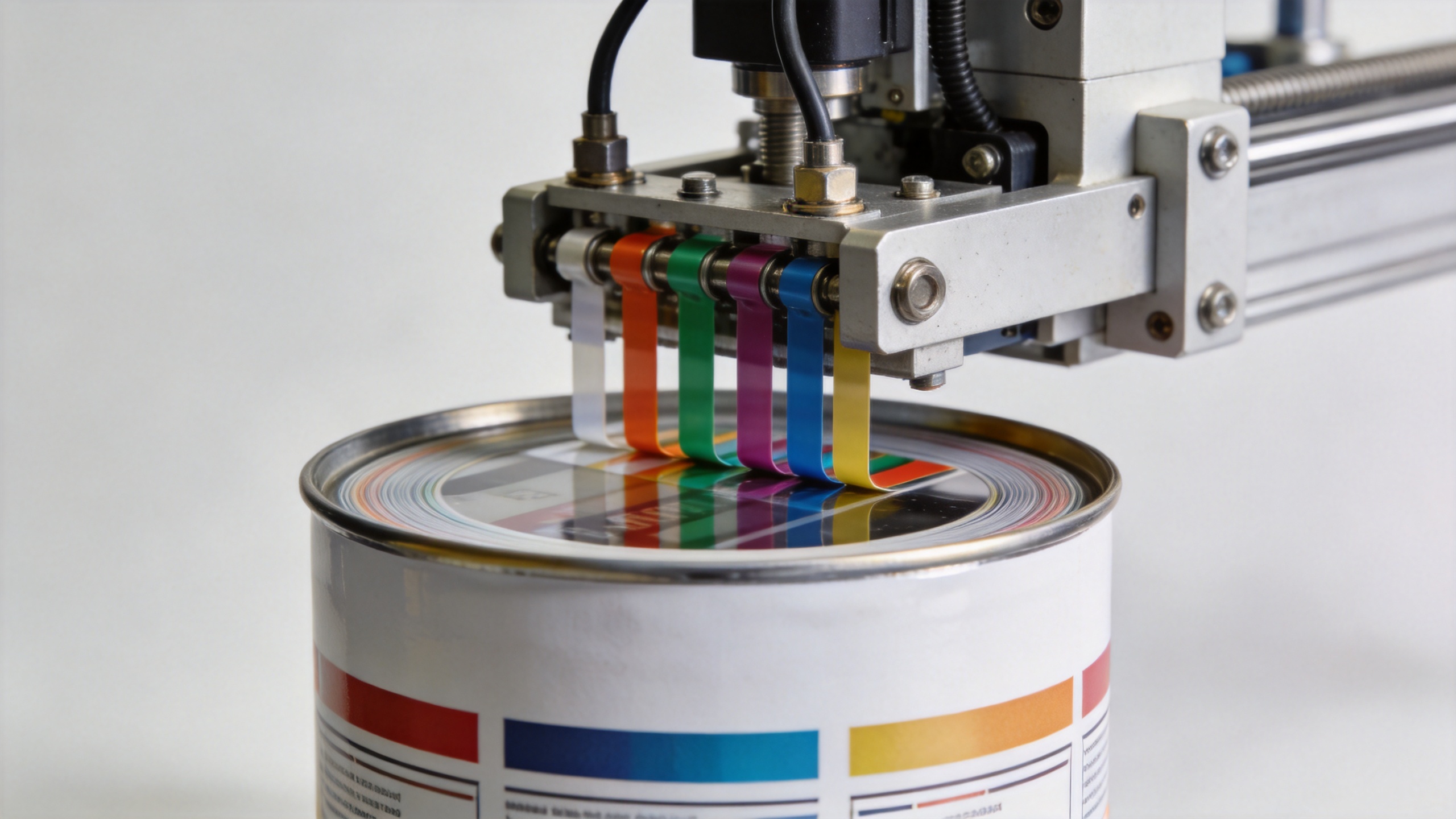
Inconsistent ink density across the print area is a second major source of brand quality failures. Ink flooding at the edges while the center is ink-starved creates visible shading variation that fails brand color standards even when registration is correct. This problem is most pronounced on large print areas, dark substrates with opaque ink requirements, or any application where the brand owner has specified tight color tolerances.
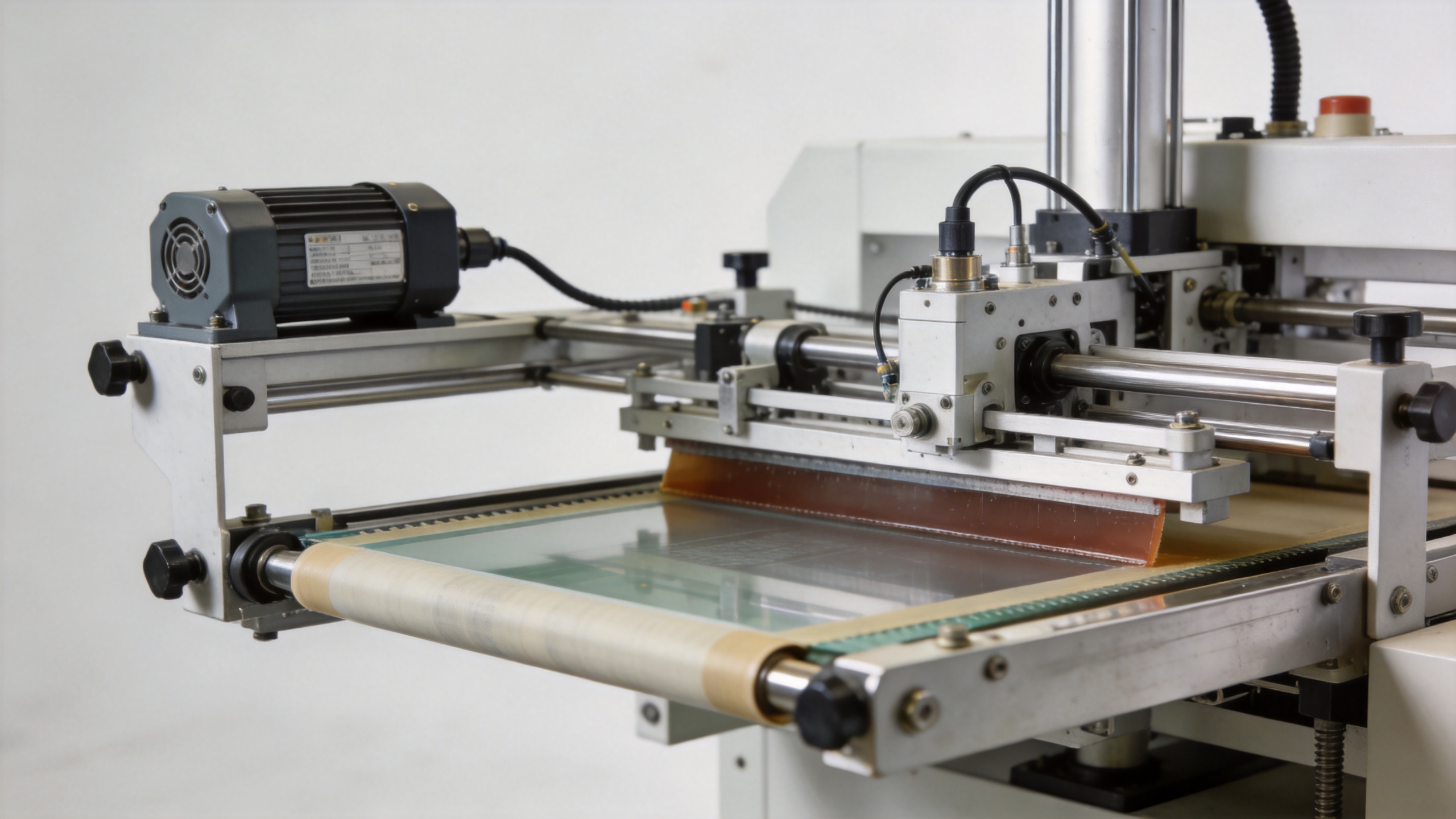
Servo-driven systems address this directly: a servo-driven squeegee and flood bar delivers a consistent ink deposit depth across high-volume production runs because the drive profile is programmatically defined and repeatable, not mechanically dependent. The result is that ink density behaves predictably from the first container to the last — which is what brand color consistency actually requires.
That said, if your production runs predominantly single-color decoration on standard cylindrical containers, the visible impact of ink deposit variation may be limited. But for multi-color brand decoration, or any application where a brand owner is performing color sign-off, the servo architecture on a screen printing machine makes a measurable difference in batch-to-batch output consistency.
Programmable Parameters and the Operator Dependency Problem
Operator-dependent parameter setting is a less obvious source of branding inconsistency, but it compounds quickly in practice. When a validated job returns to the press after a changeover, the parameters that produced an approved sample — squeegee speed, flood bar pressure, UV cure timing — need to be reproduced exactly. In facilities where those parameters exist only in an experienced operator's memory, consistency degrades when that operator is absent.
Programmable print parameter memory solves this structurally. Operators recall validated recipes for repeat jobs rather than setting parameters from scratch, which means the screen printing machine reproduces the approved print conditions rather than approximating them. This shifts the consistency guarantee from individual skill to documented machine configuration — a significant operational protection for brand consistency programs.
Screen Tension Management as a Process Control Variable
Screen frame tensioning is another variable that contributes directly to print-to-print consistency within a production run and across screen replacement cycles. A screen that loses tension progressively during a long run produces increasingly soft print edges and reduced ink deposit — both visible in the final decorated container.
A high-precision screen frame tensioning system maintains consistent mesh tension across production batches to minimize print-to-print variation. This matters most for fine-detail brand graphics, tight color registration applications, and any production context where brand owners conduct incoming quality inspection on decorated containers.
Machine Design for Container Decoration: Why Specialization Matters
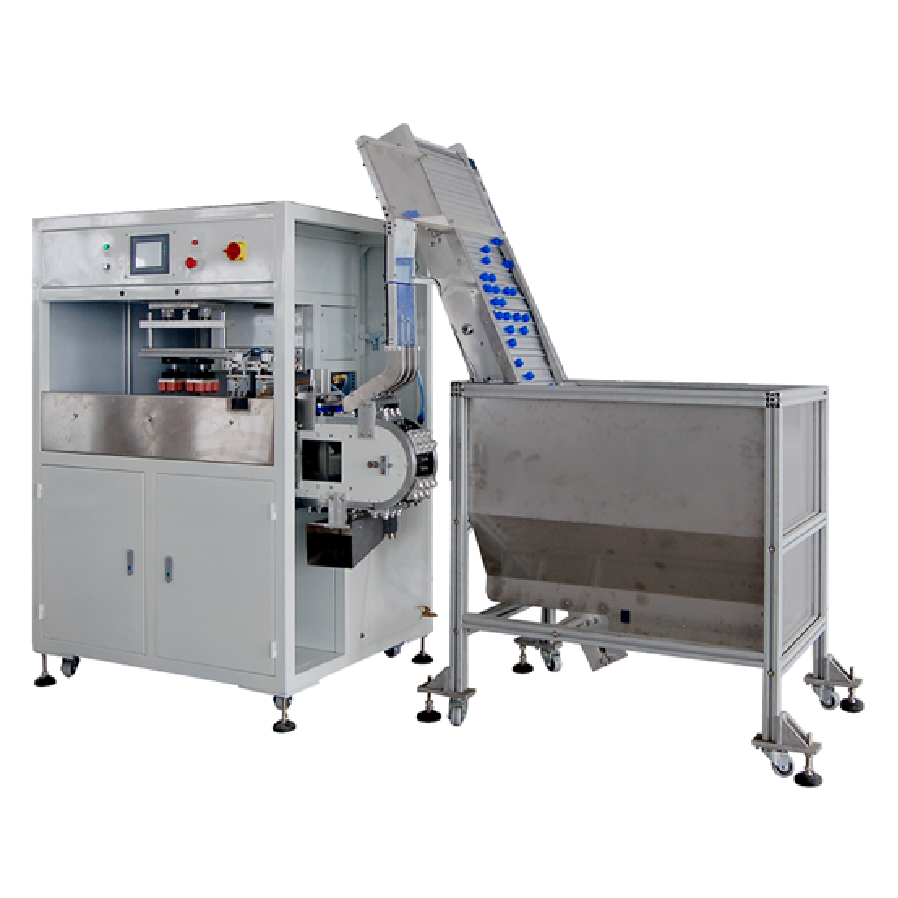
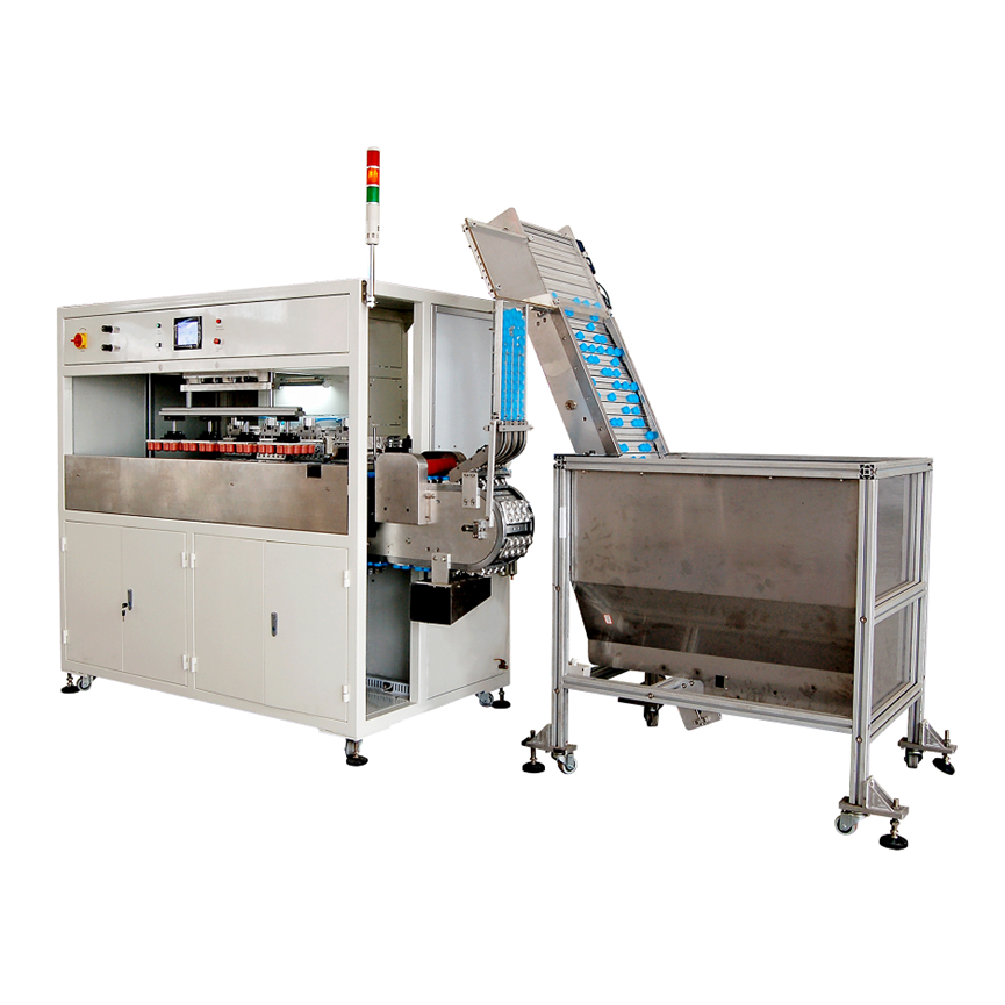
For buyers considering screen printing machines for container decoration specifically — glass, plastic, or metal — machine design optimized for container decoration applications delivers better substrate handling, rotation mechanisms, and curing integration than equipment adapted from flat-substrate or general-purpose configurations.
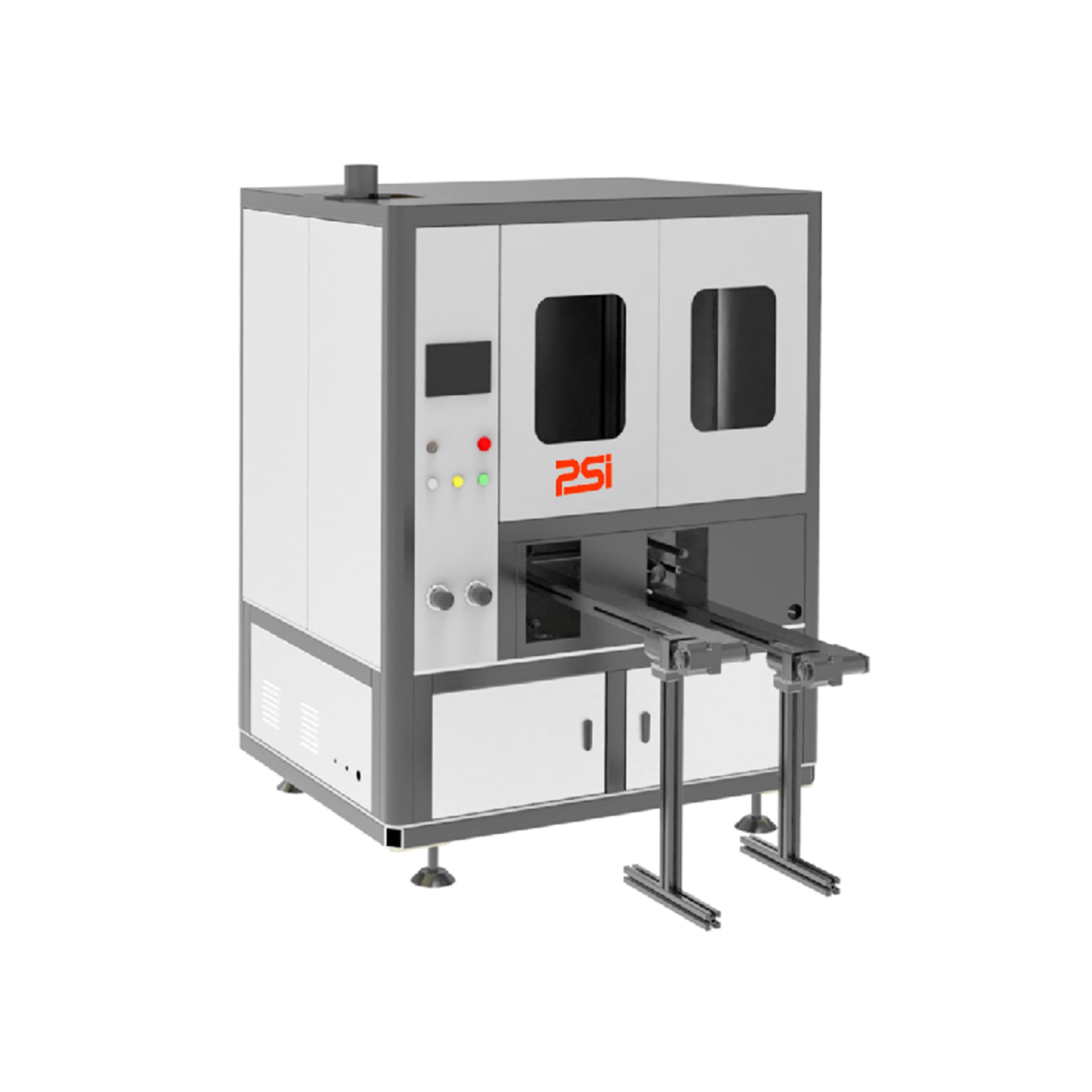
PSI has specialized in industrial printing machines for glass, plastic, and metal container decoration since 2003, bringing over 20 years of application-specific design experience to its screen printing machine product line. That depth of specialization translates directly into machine configurations that address the branding consistency requirements of industrial buyers — not as optional features, but as core design specifications.
Evaluating Your Screen Printing Machine Against Brand Consistency Requirements
For buyers assessing whether their current or prospective screen printing machine is capable of meeting brand consistency requirements, a few practical questions help frame the evaluation:
- Does the machine's positioning system have a defined and verifiable registration accuracy specification, or is accuracy dependent on operator setup skill?
- Is the squeegee drive servo-controlled, or does it rely on pneumatic or mechanical actuation with inherent speed and pressure variability?
- Does the screen printing machine support saved parameter programs for repeat jobs, or do operators reset parameters from scratch at each job changeover?
- Is the screen frame tensioning system designed for consistent reproducibility across screen changes, or is tension management left to operator judgment?
- Is the machine specifically designed for container decoration, or adapted from a different printing application?
The answers reveal whether a screen printing machine is positioned to support brand consistency programs systematically, or whether consistency will depend on compensating for mechanical variability through operator expertise. For industrial buyers supplying branded container decoration to demanding brand owners, that distinction is worth examining before a purchase decision is made.
For more information on PSI's screen printing machine configurations for branded container decoration, contact our application engineering team at [email protected].
 Hot News