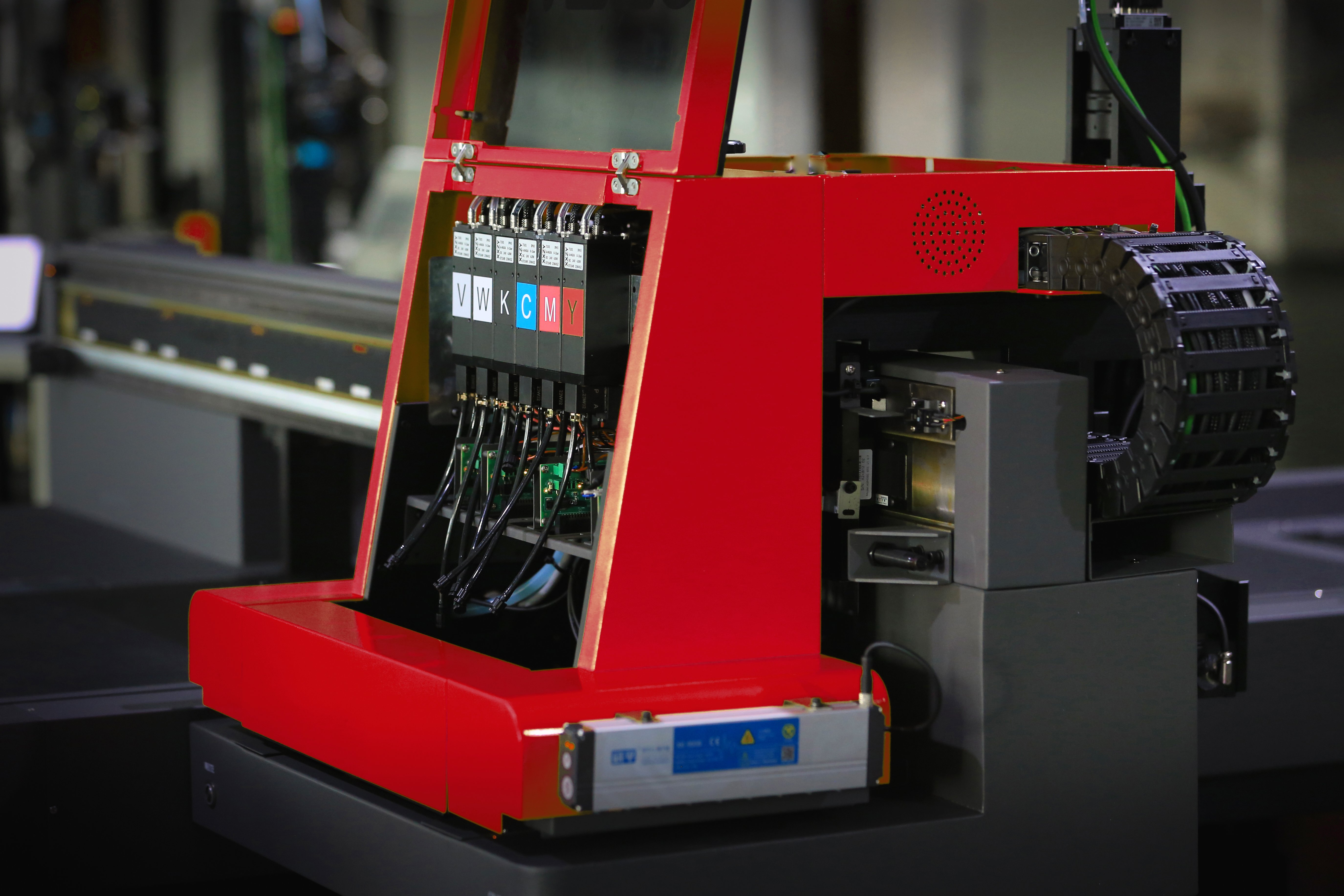
Production downtime represents one of the costliest challenges facing printing operations today. When a screen printing machine fails unexpectedly, the entire workflow grinds to a halt, affecting delivery schedules, customer satisfaction, and profit margins. However, strategic maintenance planning transforms this narrative entirely. By implementing proactive maintenance protocols for your screen printing machine, operations can substantially reduce unplanned downtime, extend equipment lifespan, and maintain consistent production quality.
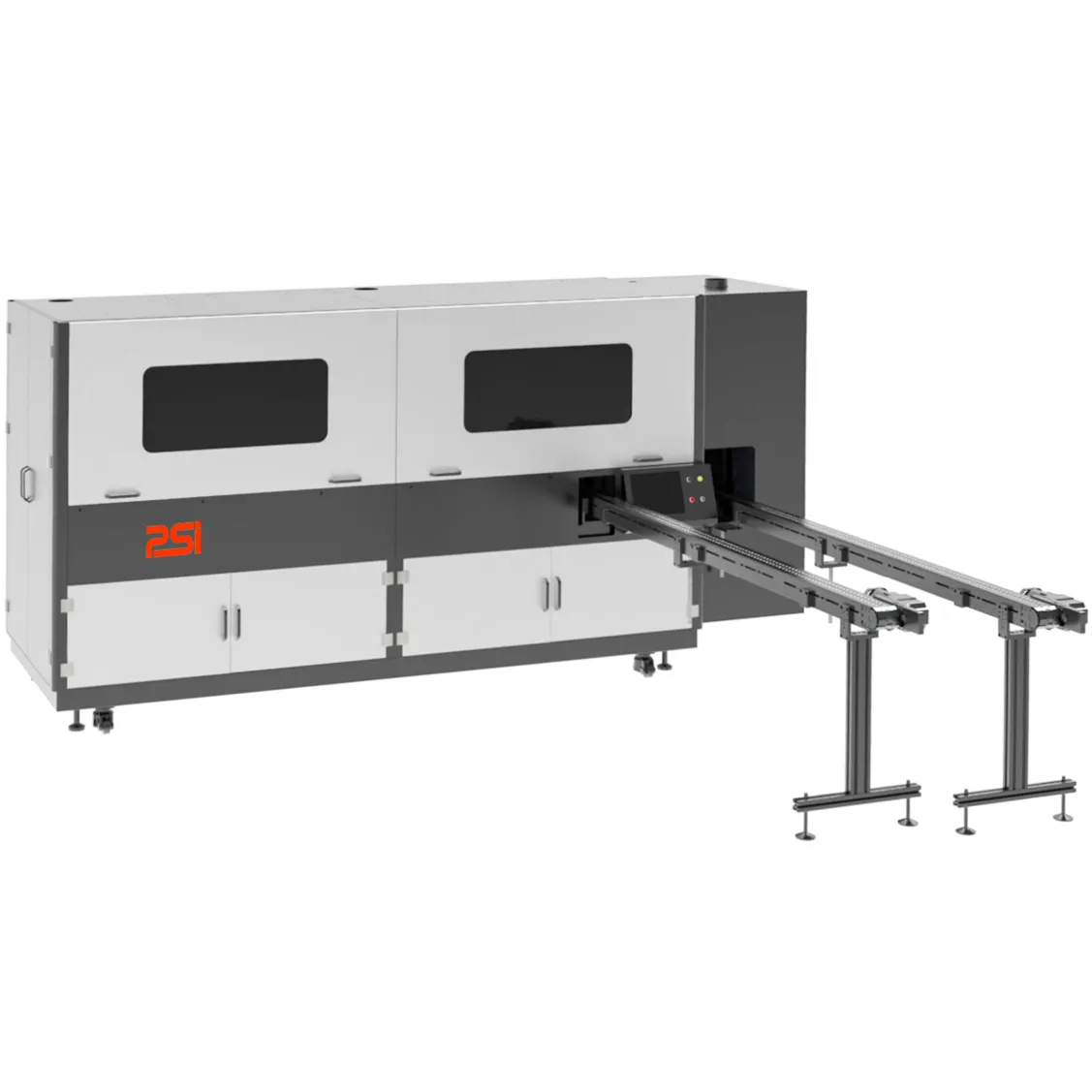
The foundation of effective screen printing machine maintenance lies in understanding your equipment's operational demands and failure patterns. A screen printing machine performs thousands of precise movements daily, subjecting critical components to wear, friction, and environmental stress. Without deliberate maintenance planning, minor issues compound into major breakdowns that consume hours or entire production days. Organizations that adopt structured maintenance schedules for their screen printing machine experience dramatically fewer emergency repairs and substantially higher equipment reliability.
Every screen printing machine contains interdependent systems that function together to deliver precise prints. Squeegee drive mechanisms, print head alignment systems, substrate feeding assemblies, and curing stations all rely on proper lubrication, calibration, and component integrity. When maintenance planning is absent, operators often discover problems only after production stoppage occurs. A scheduled maintenance protocol for your screen printing machine identifies worn bearings, misaligned heads, or degraded seals before they trigger complete system failure. This preventive approach eliminates the sudden crises that typically consume entire shifts and compromise customer commitments.
Industrial screen printing machines represent significant capital investments that must perform reliably across multiple years. Maintenance planning directly correlates with equipment longevity and operational value. A screen printing machine that receives consistent preventive care often functions productively for one and a half to two times longer than equipment subjected to reactive maintenance only. Regular cleaning of internal passages, scheduled bearing replacement before failure, and calibration checks ensure your screen printing machine maintains performance specifications throughout its operational life. This extended service horizon transforms equipment economics, distributing initial investment costs across substantially more production hours.
Structured maintenance planning requires establishing clear inspection intervals for your screen printing machine. Daily inspections focus on squeegee condition, ink consistency, substrate alignment, and visible wear indicators. Weekly screening includes electrical connector security, motor sound assessment, and hydraulic pressure verification. Monthly deep inspections for your screen printing machine examine bearing lubrication levels, drive belt tension, print head calibration accuracy, and seal integrity. Quarterly assessments involve specialized diagnostics such as vibration analysis and thermal imaging that reveal hidden deterioration within your screen printing machine before visible symptoms emerge. This hierarchical inspection approach ensures consistent oversight while distributing maintenance labor efficiently across operational schedules.
Maintenance planning for a screen printing machine must include predetermined service intervals that address component-specific wear rates. Bearings typically require relubrication every 500 to 1000 operating hours, while squeegees need replacement every 2000 to 5000 printed units depending on substrate material and ink formulation. Filter replacements for your screen printing machine usually occur every quarter, and belt tension adjustments every six months. Documenting these intervals within a centralized maintenance management system ensures no critical service falls through oversight. When maintenance planning establishes clear schedules for your screen printing machine, operators gain predictability and can coordinate service activities with production schedules to minimize interference with regular workflows.
Strategic maintenance planning allows your screen printing machine to receive service during naturally low-demand production periods. Many printing operations conduct routine maintenance during end-of-shift procedures, lunch periods, or designated maintenance days when production targets permit brief equipment shutdowns. By scheduling screen printing machine maintenance preventively rather than reactively, facilities gain control over timing and duration. Operators can complete lubrication tasks, filter changes, and calibration adjustments within planned 30 to 60 minute windows rather than facing unexpected 8 to 12 hour emergency repairs. This controlled approach maintains production momentum and ensures your screen printing machine remains available during peak demand periods when revenue impact from downtime would be greatest.
Maintenance planning succeeds only when machine operators actively participate in equipment care. Personnel working directly with your screen printing machine understand operational characteristics, normal sound patterns, and performance indicators better than external service providers. Training operators to perform routine checks, identify early warning signs, and execute basic maintenance tasks transforms them into proactive monitors of equipment health. When operators understand how to assess squeegee wear, recognize misalignment symptoms, or detect unusual vibration on your screen printing machine, they become the first line of defense against major failures. This distributed maintenance responsibility reduces reliance on specialized technicians and enables faster intervention when your screen printing machine shows early deterioration signs.
Effective maintenance planning requires systematic documentation of all service activities, component replacements, and performance metrics for your screen printing machine. Maintenance records establish patterns that reveal which components require more frequent attention and help predict future service needs. When maintenance data for your screen printing machine demonstrates consistent bearing degradation every 800 hours, operations can schedule replacement proactively at 750 hours rather than wait for failure. Performance trends extracted from maintenance documentation enable continuous process refinement. Your screen printing machine maintenance history becomes a predictive tool that guides resource allocation and timing decisions, transforming raw data into actionable operational intelligence that drives downtime reduction initiatives.
The maintenance schedule for your screen printing machine depends on production volume, substrate types, and ink formulations. High-volume operations typically require daily visual inspections, weekly mechanical checks, and monthly comprehensive servicing. Lower-volume facilities might implement weekly inspections and quarterly deep maintenance cycles. Manufacturers provide equipment-specific guidelines that should serve as the baseline for your screen printing machine maintenance planning. Environmental factors such as humidity, dust levels, and temperature variations also influence maintenance frequency, requiring adjustments to standard intervals based on facility conditions.
While preventive maintenance planning for your screen printing machine requires upfront investment in training, documentation systems, and scheduled labor, the return substantially exceeds costs through eliminated emergency repairs and extended equipment life. A single unexpected screen printing machine failure can cost 5000 to 15000 dollars in lost production, rush service calls, and expedited replacement parts. Comprehensive maintenance planning typically costs 2000 to 4000 dollars annually across inspection labor, lubricants, and routine component replacement. The preventive investment recovers through just one or two avoided catastrophic failures annually, making maintenance planning highly cost-effective for any serious production operation. Your screen printing machine maintenance investment pays for itself consistently through downtime elimination.
Routine maintenance tasks on your screen printing machine such as cleaning, lubrication, filter replacement, and visual inspections can be performed by trained operators following documented procedures. Specialized work including electrical diagnostics, complex calibration, or component replacement requiring mechanical disassembly should involve qualified technicians familiar with your screen printing machine specifications. Effective maintenance planning creates a tiered approach where operators handle routine preventive care while technicians address complex issues identified through daily and weekly inspections. This hybrid model reduces costs while maintaining quality oversight, making your screen printing machine maintenance program both economically viable and technically sound for ongoing operational reliability.
 EN
EN
 AR
AR FR
FR DE
DE HI
HI IT
IT JA
JA KO
KO PT
PT RU
RU ES
ES IW
IW ID
ID VI
VI TH
TH TR
TR FA
FA
 Hot News