Across manufacturing floors worldwide, the shift toward automation is reshaping how production lines operate. One of the most visible changes in textile, electronics, and packaging industries is the growing adoption of the automated screen printing machine. Factories that once relied on manual or semi-automatic processes are now investing heavily in fully automated screen printing machine systems, and the reasons are both practical and strategic. Understanding why this transition is accelerating helps buyers and production managers make better long-term decisions.
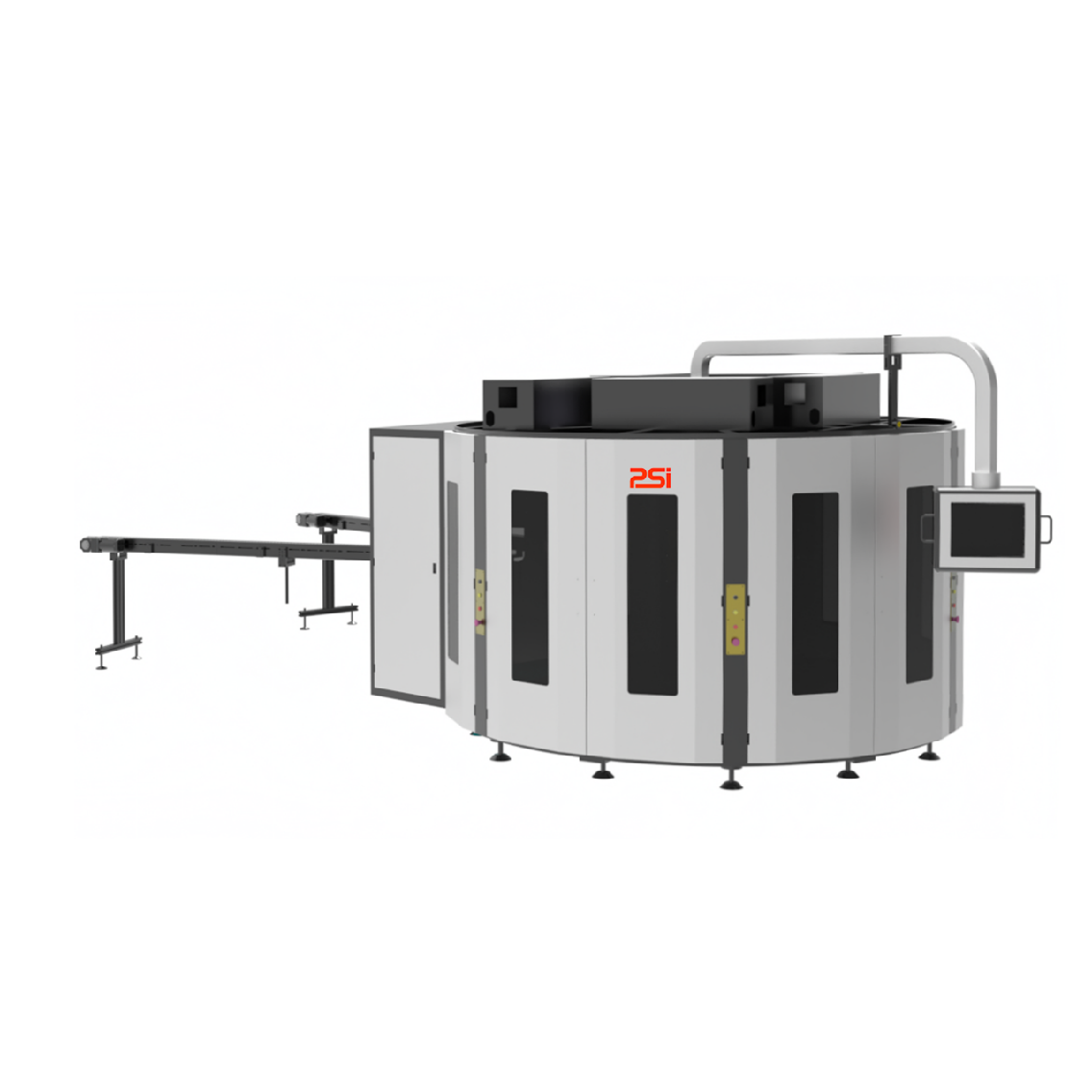
The automated screen printing machine is no longer a luxury reserved for large enterprises. Mid-sized factories and contract manufacturers are now deploying screen printing machine technology at scale because the cost-per-unit economics have shifted dramatically. Each screen printing machine in an automated line can handle thousands of cycles daily with minimal human intervention, making automation a compelling upgrade for any facility focused on growth, quality, and operational control. This article explores the core reasons why factories are choosing automated screen printing machine solutions over traditional alternatives.
One of the most powerful drivers behind factory adoption of the automated screen printing machine is sheer output capacity. A single automated screen printing machine can complete print cycles far faster than a manually operated screen printing machine, often running continuously across multiple shifts. This means factories can fulfil large orders without scaling headcount proportionally. Each screen printing machine in a servo-driven configuration maintains consistent cycle speeds, allowing production planners to forecast output with high accuracy. The screen printing machine thus becomes a reliable throughput engine, not just a printing tool.
Manual screen printing machine setups are vulnerable to operator fatigue, inconsistent pacing, and human error during repetitive tasks. An automated screen printing machine eliminates these variables by running on programmed cycles that do not degrade over time. The screen printing machine maintains the same rhythm from the first print to the ten-thousandth, which dramatically reduces mid-shift slowdowns. Factories report that replacing a manual screen printing machine with an automated screen printing machine often cuts unplanned downtime caused by operator-related inconsistencies. Predictable uptime means production managers can run tighter schedules and respond more reliably to client delivery requirements.
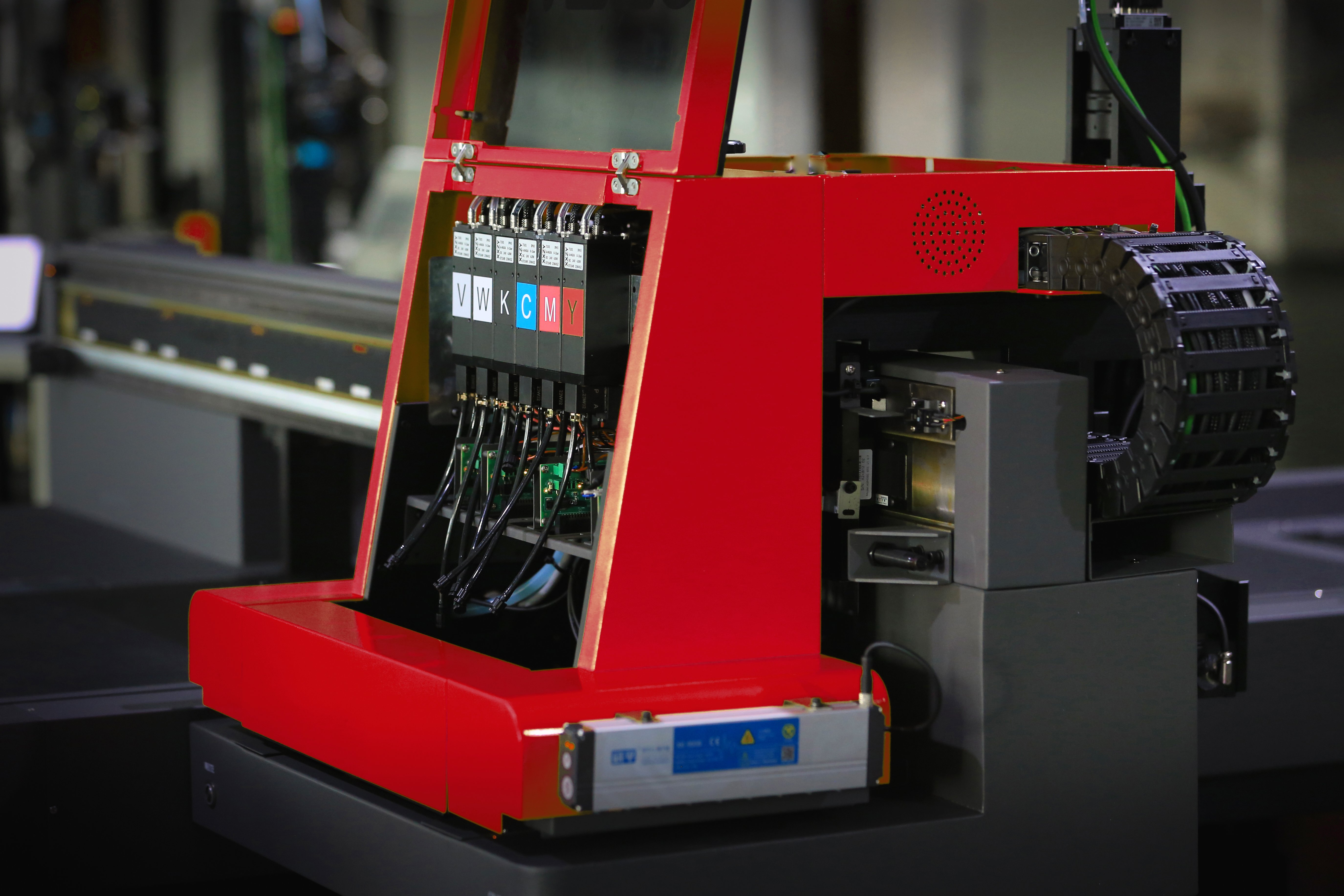
Print quality is a non-negotiable standard in industries like electronics assembly, premium packaging, and branded apparel. The automated screen printing machine addresses this with servo motor systems that control squeegee pressure, stroke speed, and substrate positioning with micrometer-level accuracy. When a screen printing machine uses all-servo drive technology, each print layer lands in exactly the same position as the last. This level of precision is nearly impossible to achieve consistently with a manual screen printing machine. Factories producing multi-colour or high-definition graphics depend on a screen printing machine that delivers repeatable registration across every unit in a batch.
In a traditional setup, one screen printing machine operator may apply slightly different pressure or speed compared to another, creating subtle but costly print variations. Automated screen printing machine technology removes operator-to-operator variability entirely. Once the parameters are set in the screen printing machine control system, every substrate receives identical treatment. This consistency is especially critical when factories run screen printing machine jobs for clients with strict colour matching or dimensional tolerance requirements. Quality control costs drop significantly when the screen printing machine itself enforces uniformity rather than relying on post-production inspection to catch errors.
The upfront investment in an automated screen printing machine is higher than purchasing a basic manual screen printing machine, but the long-term cost structure favours automation strongly. Ink consumption is optimised by the screen printing machine's programmed squeegee system, which applies only the required amount per stroke. Labour costs per unit printed drop as the screen printing machine handles more volume with fewer operators. Maintenance intervals for a well-built screen printing machine are predictable, making budget planning easier. Factories that calculate the total cost of ownership for a screen printing machine over three to five years consistently find that automated solutions deliver a better return than maintaining fleets of manual screen printing machine units.
Market pressures are pushing factories to deliver faster, at higher quality, and at competitive prices simultaneously. A factory equipped with an advanced screen printing machine can accept shorter lead times and tighter tolerances than competitors still using older screen printing machine configurations. Clients increasingly prefer suppliers who can demonstrate consistent quality output, and an automated screen printing machine provides documented evidence of process control. Additionally, when a factory upgrades its screen printing machine infrastructure, it signals operational maturity to prospective buyers. The screen printing machine becomes part of the factory's value proposition, not just its equipment list. Over time, factories with superior screen printing machine capabilities tend to win more premium contracts and retain clients longer.
Factories in electronics, textile, packaging, promotional products, and industrial labelling benefit most. Any facility running high-volume or precision-critical jobs will find that an automated screen printing machine significantly improves output consistency and reduces per-unit production costs compared to a manual screen printing machine setup.
An automated screen printing machine uses servo-controlled movements to apply consistent pressure, speed, and positioning on every cycle. This eliminates the human variability inherent in manual operation. The result is that every unit printed by the screen printing machine meets the same standard, reducing rejects and improving client satisfaction on demanding print specifications.
For most mid-sized factories running moderate to high production volumes, upgrading to an automated screen printing machine is financially justified within two to three years. The screen printing machine reduces labour dependency, lowers ink waste, and increases throughput. When total cost of ownership is calculated across a multi-year period, an automated screen printing machine typically outperforms manual alternatives in both efficiency and profitability.
 EN
EN
 AR
AR FR
FR DE
DE HI
HI IT
IT JA
JA KO
KO PT
PT RU
RU ES
ES IW
IW ID
ID VI
VI TH
TH TR
TR FA
FA
 Hot News