In high-volume manufacturing environments, the ability to run multiple production lines simultaneously without sacrificing quality or speed is a competitive necessity. The screen printing machine has evolved significantly over the past decade, transitioning from manually operated units to fully servo-driven, programmable platforms capable of integrating across complex production floors. For manufacturers looking to scale output while maintaining precision, understanding how a screen printing machine can support multi-line efficiency is both a technical and a strategic question worth examining in depth.
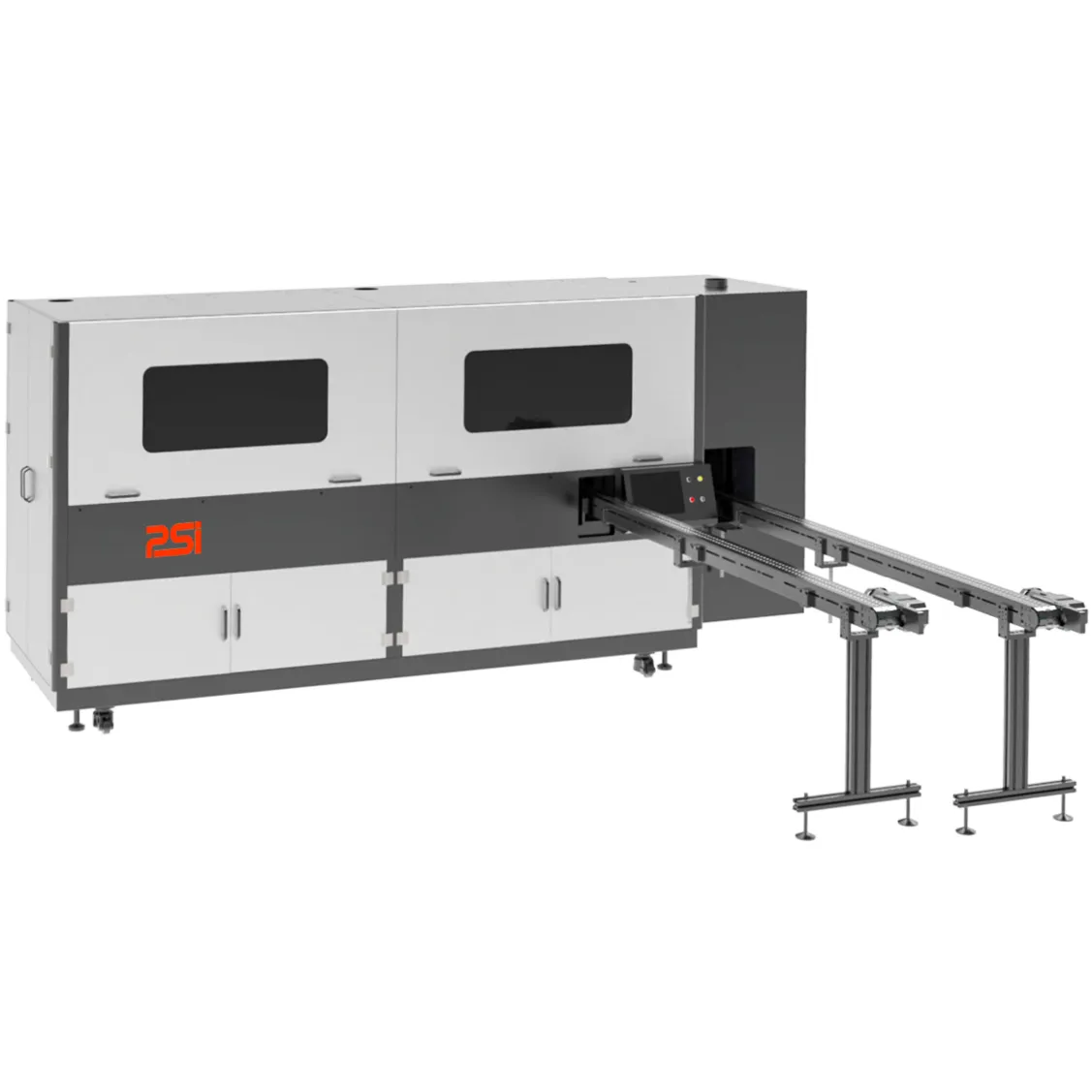
Modern screen printing machine technology brings together servo motors, automated registration systems, and digital controls to deliver repeatable, high-speed output. When these capabilities are applied across a multi-line setup, the results can be transformative. A well-configured screen printing machine not only increases throughput on a single line but also creates the operational consistency needed to synchronize multiple lines running in parallel. This article explores how screen printing machine technology contributes to multi-line production efficiency and what factors manufacturers should consider when evaluating these systems.
One of the most impactful advances in screen printing machine design is the adoption of all-servo drive systems. Unlike pneumatic or cam-driven mechanisms, a servo-driven screen printing machine provides precise, programmable control over every motion axis. This means that each print cycle on the screen printing machine can be adjusted independently for speed, pressure, and stroke length without mechanical retooling. In a multi-line environment, this level of control becomes essential because each line may be handling a different substrate or print specification at the same time.
A servo-based screen printing machine also reduces mechanical wear, which directly reduces unplanned downtime. When multiple screen printing machine units are running concurrently, even a single line going offline for maintenance can disrupt downstream workflows. By using a screen printing machine built on servo technology, manufacturers reduce the frequency of mechanical failures and gain more predictable maintenance schedules. The result is a more stable multi-line operation with fewer costly interruptions.
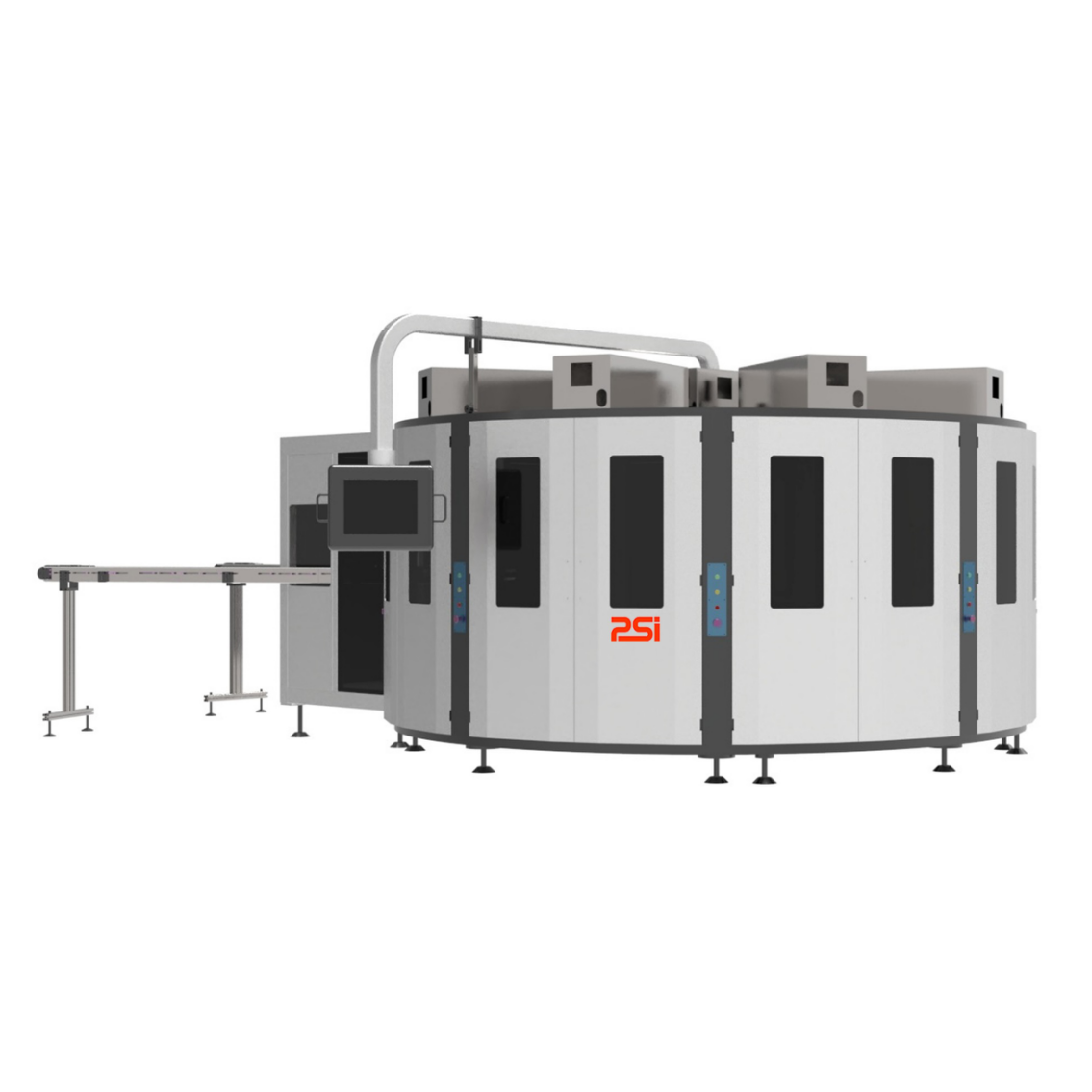
In a multi-line facility, the screen printing machine must communicate effectively with upstream and downstream equipment. Modern screen printing machine platforms support integration with conveyor systems, UV curing units, and vision inspection modules through standardized communication protocols. This connectivity allows the screen printing machine to adapt its output rate in real time based on signals from adjacent equipment. When one part of the production chain slows, the screen printing machine can adjust accordingly, preventing bottlenecks and substrate pile-ups that reduce overall line efficiency.
Traditional screen printing machine setup required skilled operators to manually register screens, a process that could take significant time per changeover. Automated registration systems built into a modern screen printing machine can complete this process in a fraction of the time, using optical sensors and servo actuators to align the screen printing machine with sub-millimeter accuracy. In a multi-line environment where changeovers happen frequently across different lines, the cumulative time saved by automated screen printing machine registration is substantial. This translates directly into more available production hours per shift.
Repeatability is equally important. A screen printing machine that delivers consistent registration from the first print to the ten-thousandth print eliminates the quality drift that often occurs with manual setups. When deploying multiple screen printing machine units in parallel, repeatability ensures that each line produces output that meets the same quality standard, which simplifies downstream inspection and reduces rework rates. The screen printing machine becomes a reliable baseline rather than a variable factor in the production equation.
Advanced screen printing machine models now include real-time production monitoring dashboards that track print counts, cycle times, ink consumption, and fault events. For managers overseeing a multi-line facility, this data visibility from each screen printing machine allows faster identification of underperforming lines and quicker corrective action. Rather than relying on operator reporting, the screen printing machine itself surfaces performance data that drives proactive management decisions. Over time, this data helps optimize staffing, scheduling, and maintenance intervals across all screen printing machine units in the facility.
Not every screen printing machine model is equally suited to every production line configuration. When selecting a screen printing machine for a multi-line environment, manufacturers should evaluate print bed size, maximum substrate thickness, ink compatibility, and maximum cycle speed. A screen printing machine designed for thin film electronics will have very different specifications from one intended for heavy industrial panels. Matching the screen printing machine specification to each line's substrate and product type ensures that the full performance potential of the screen printing machine is realized without creating process mismatches.
Floor space and ergonomics also matter when deploying multiple screen printing machine units. A compact screen printing machine footprint allows more units to be installed within the same floor area, increasing throughput density. Operators should be able to access each screen printing machine for changeovers and maintenance without interference from adjacent machines. Thoughtful layout planning around the screen printing machine ensures that human factors do not become a bottleneck in an otherwise highly automated multi-line system.
A phased approach to screen printing machine deployment often makes the most financial and operational sense. Starting with one or two screen printing machine units allows the production team to develop proficiency, refine processes, and validate output quality before scaling to a full multi-line configuration. Each additional screen printing machine added to the floor builds on established workflows rather than introducing entirely new variables. This incremental screen printing machine deployment strategy also distributes capital expenditure over time, making the investment more manageable while still moving toward a fully optimized multi-line production environment.
A screen printing machine with servo-driven automation and programmable controls maintains consistent cycle times and reduces setup delays, which directly increases available production time across all lines. When each screen printing machine unit performs reliably and predictably, line managers can schedule parallel runs more efficiently, resulting in higher overall throughput without adding manual labor.
Preventive maintenance schedules for each screen printing machine unit should be based on cycle count rather than calendar time, since usage intensity varies by line. Cleaning ink channels, inspecting squeegee blades, and verifying servo calibration are routine tasks that keep the screen printing machine performing at specification. Monitoring the screen printing machine's built-in diagnostic data also helps maintenance teams anticipate component wear before it causes a line stoppage.
Yes, a modern screen printing machine can be configured for different substrates on separate lines, provided each unit's parameters are programmed accordingly. The screen printing machine's servo controls allow independent adjustment of print pressure, speed, and squeegee angle for each substrate type. This flexibility makes the screen printing machine well suited to mixed-product manufacturing environments where multiple material types are processed in parallel.
 EN
EN
 AR
AR FR
FR DE
DE HI
HI IT
IT JA
JA KO
KO PT
PT RU
RU ES
ES IW
IW ID
ID VI
VI TH
TH TR
TR FA
FA
 Hot News