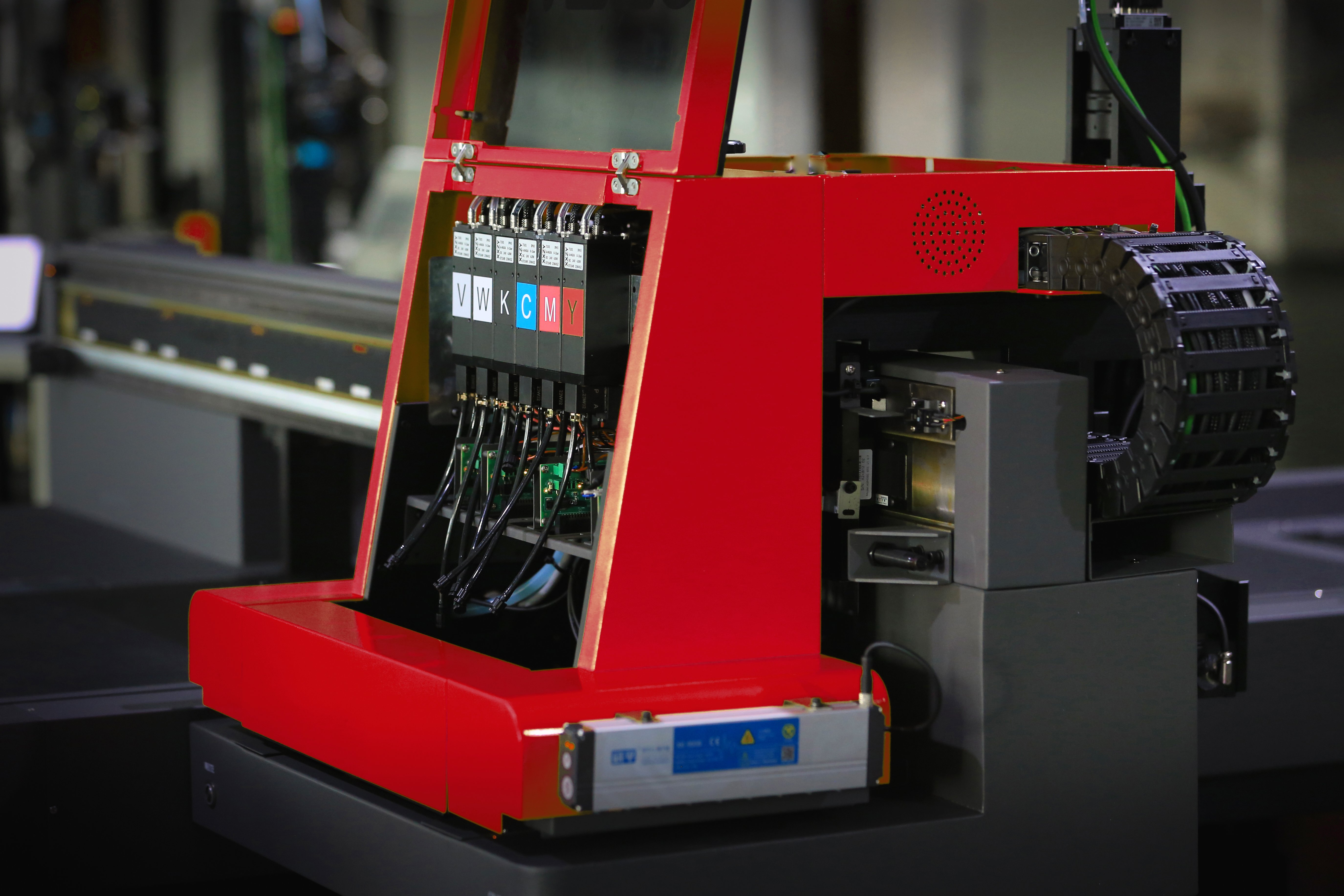
In packaging decoration, consistency is not a preference — it is a requirement. Every carton, label, pouch, or rigid container that leaves a production line must carry the same visual identity, ink density, and registration accuracy as the one before it. A screen printing machine platform designed for industrial packaging output directly addresses this challenge by combining mechanical precision with process repeatability. The question is not whether a screen printing machine can handle packaging decoration — it clearly can — but rather how the platform architecture itself drives consistency across long production runs.
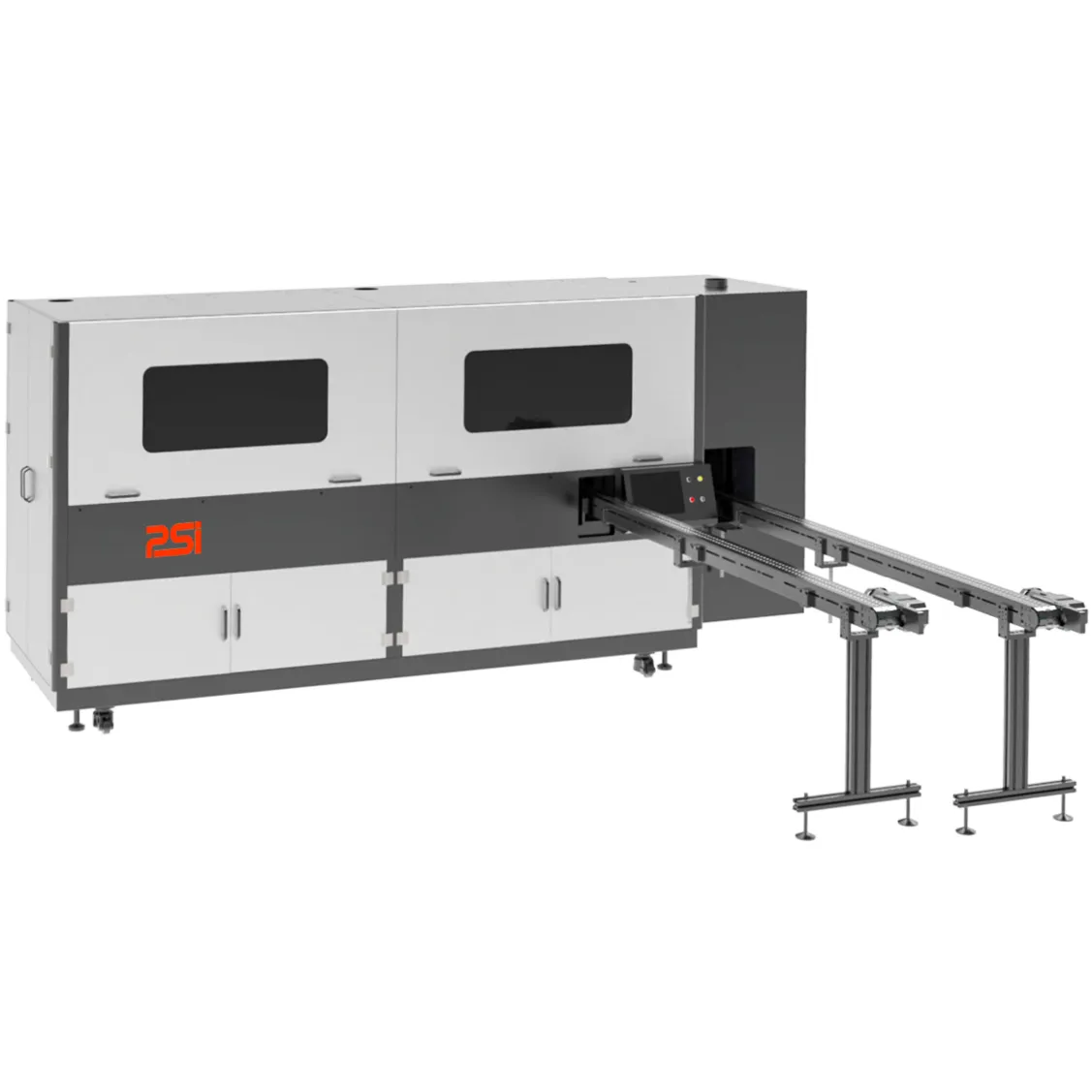
Packaging brands invest significantly in visual identity. When a screen printing machine produces inconsistent ink coverage, misaligned artwork, or variable color across a batch, the downstream consequences include customer complaints, rework costs, and brand erosion. Modern screen printing machine platforms solve these problems by integrating servo-driven motion control, precision substrate handling, and closed-loop feedback mechanisms. Understanding how these elements work together helps production managers and packaging engineers make better decisions about platform selection and process optimization.
The mechanical foundation of any screen printing machine platform determines how repeatable its output will be. In earlier generations of screen printing machine designs, cam-and-gear systems introduced cumulative tolerances that worsened over time. Modern servo-driven screen printing machine platforms replace these mechanical systems with programmable motion axes that deliver the same squeegee pressure, speed, and stroke angle on every single cycle. Because servo motors respond to encoder feedback rather than fixed mechanical stops, a screen printing machine can maintain print consistency even as components experience normal wear.
Servo-driven architecture also allows a screen printing machine to store job parameters digitally. When a packaging run is repeated weeks or months later, operators can recall stored settings and resume production at the same quality level without manual recalibration. This capability is critical in packaging decoration, where brand owners often require exact color and registration matching across reorder batches. A screen printing machine that relies on manual adjustment cannot reliably recreate these parameters from one run to the next.
Consistent registration is one of the defining performance metrics of any screen printing machine used in packaging. Packaging substrates vary in stiffness, surface texture, and dimensional tolerance. A screen printing machine platform must grip, position, and release each substrate with high accuracy to ensure that printed artwork lands in the correct position every time. Advanced screen printing machine platforms use vacuum transport tables, precision mechanical guides, or servo-indexed carrier systems to eliminate substrate drift during the print stroke.
Registration errors compound across multi-color packaging jobs. If a screen printing machine produces even a small misalignment on the first color layer, subsequent layers will amplify that error visually. Platforms engineered specifically for packaging decoration integrate independent registration adjustment on each print station, allowing operators to fine-tune a screen printing machine without stopping the entire production line. The result is tighter overall registration tolerance and fewer rejected units per shift.
Color consistency in packaging decoration depends directly on how much ink a screen printing machine deposits per unit area. Inconsistent squeegee pressure, flood bar speed, or ink viscosity management will produce visible color variation even on a mechanically sound screen printing machine. Industrial-grade screen printing machine platforms address this by applying programmable squeegee force and speed profiles. Because these parameters are stored and recalled digitally, the screen printing machine reproduces the same ink film thickness on every stroke across an entire production run.
Ink viscosity changes as temperature fluctuates during long production shifts. A screen printing machine platform designed for packaging consistency may incorporate closed-loop ink temperature management or automated viscosity monitoring. When a screen printing machine maintains stable ink properties throughout a run, the printed color remains within the tolerance bands required by brand standards. This level of process control is difficult to achieve without a purpose-built screen printing machine platform.
The angle at which a squeegee contacts the screen mesh inside a screen printing machine affects both ink transfer efficiency and dot gain. Packaging graphics often include fine text, halftone areas, and solid flood colors in the same design. A screen printing machine that cannot maintain consistent squeegee angle across different design zones will produce visible differences in ink deposit between those areas. Servo-controlled squeegee systems on advanced screen printing machine platforms allow operators to program angle compensation and pressure variation across the stroke length, improving overall print quality on complex packaging artwork.
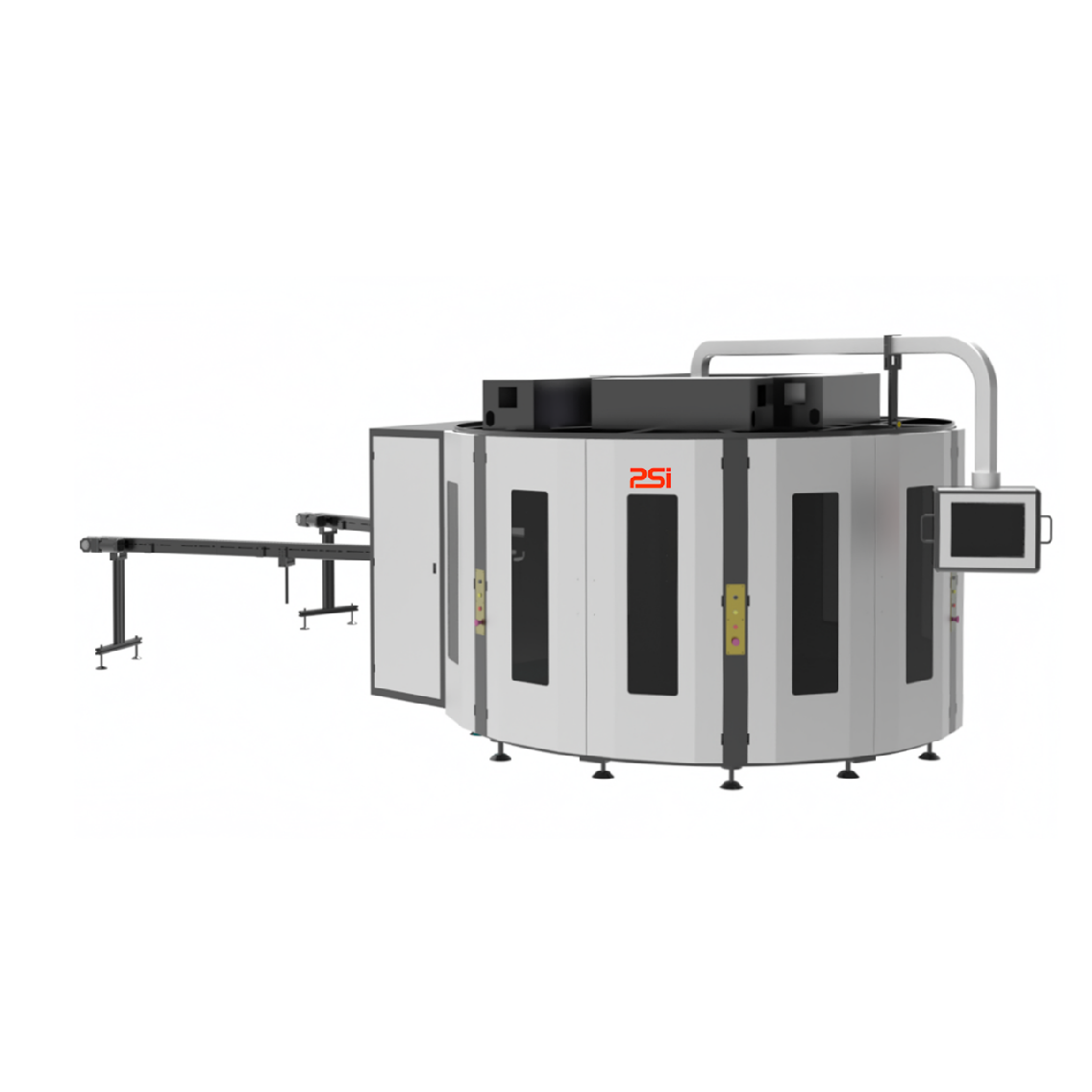
Manual screen printing machine setups introduce variability at every operator touchpoint — from substrate loading to squeegee pressure adjustment. In packaging decoration, where thousands of identical units must be produced per shift, human-introduced variation is one of the primary sources of inconsistency. Fully automatic screen printing machine platforms minimize operator involvement during the print cycle itself. Substrate loading, registration alignment, print stroke execution, and unloading all occur under machine control, which means a screen printing machine produces the same output regardless of which operator is running the line.
Automation in a screen printing machine platform also enables integration with upstream and downstream packaging processes. A screen printing machine that communicates with inspection systems, conveyors, and curing units through digital interfaces allows the entire packaging line to operate as a coordinated system. Real-time feedback from a screen printing machine's sensors can trigger automatic adjustments or line stops before defects accumulate, reducing waste and ensuring that finished packaging meets quality standards consistently.
A screen printing machine platform built for packaging decoration must maintain consistent output not just at startup but across hours of continuous operation. Thermal expansion in the machine frame, ink drying in the mesh, and substrate tension changes can all degrade print quality during a long run if the screen printing machine platform does not compensate for them. Industrial screen printing machine platforms designed for production environments incorporate thermal-stable frame materials, automated screen cleaning cycles, and tension monitoring to sustain print quality from the first unit to the last. This long-run stability is what separates a production-grade screen printing machine from a general-purpose press.
A screen printing machine maintains color consistency by using servo-controlled squeegee pressure, programmable flood bar speed, and stored job parameters. These features ensure that the screen printing machine deposits the same ink volume per stroke throughout the entire run, keeping printed colors within the tolerance bands required by packaging brand standards.
Substrate handling directly affects registration accuracy in a screen printing machine. Platforms that use vacuum transport, precision guides, or servo-indexed carriers hold each substrate in a fixed position during the print stroke. This prevents drift and ensures that every unit produced by the screen printing machine carries artwork in the correct registered position.
Yes. Modern automatic screen printing machine platforms are designed with digital interfaces that allow communication with inspection systems, curing units, and conveyor controls. This integration enables a screen printing machine to operate as part of a fully synchronized packaging line, where real-time data sharing reduces defects and supports consistent output across the entire production process.
 EN
EN
 AR
AR FR
FR DE
DE HI
HI IT
IT JA
JA KO
KO PT
PT RU
RU ES
ES IW
IW ID
ID VI
VI TH
TH TR
TR FA
FA
 Hot News