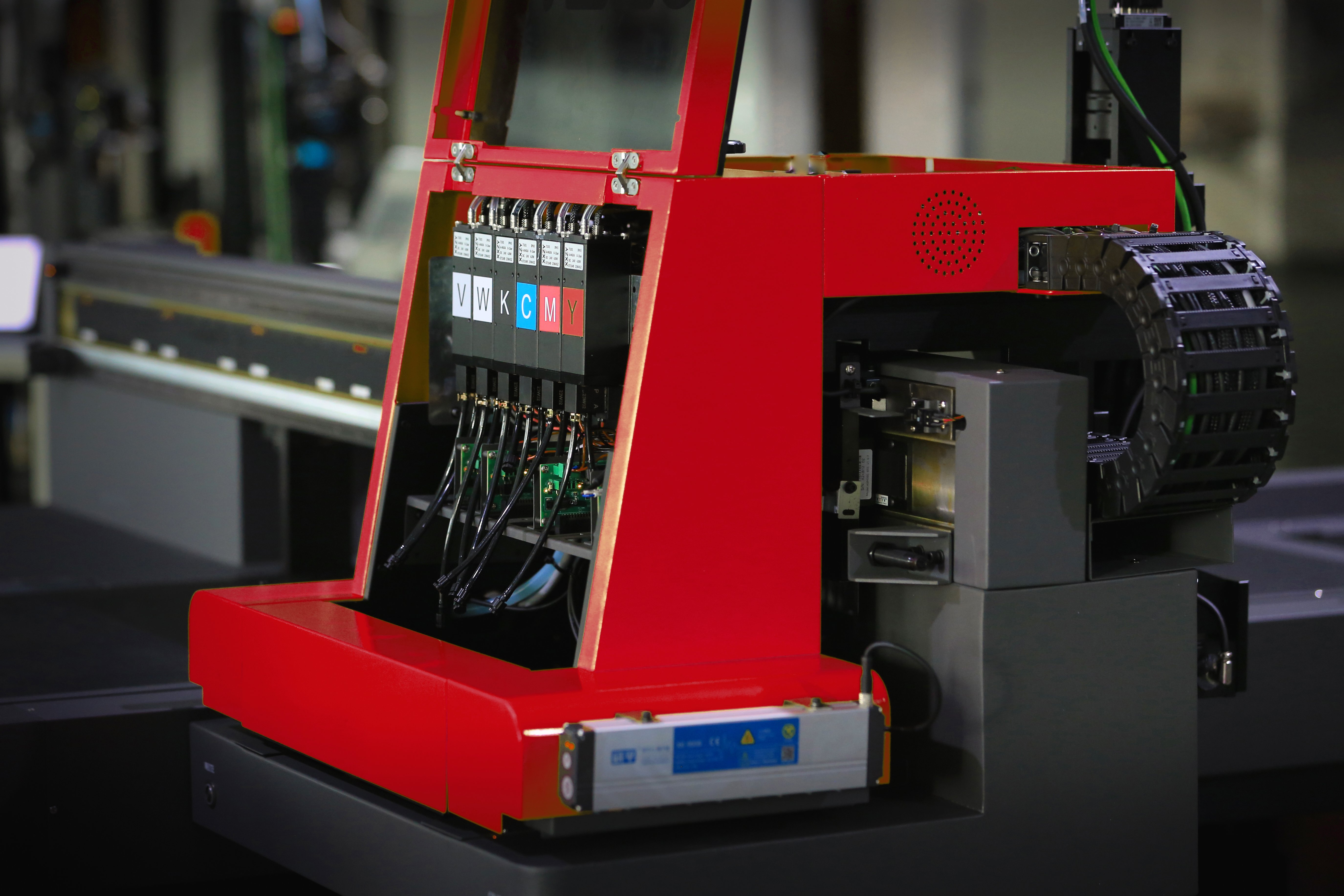
The manufacturing sector is experiencing a significant shift in how production lines handle printing and marking tasks. Across industries ranging from packaging and textiles to labels and industrial components, the digital inkjet printing machine has emerged as a central technology driving this transformation. Manufacturers are no longer satisfied with legacy analog systems that require lengthy setup times, expensive plates, and limited design flexibility. The push toward smarter, connected, and more agile platforms is accelerating rapidly.
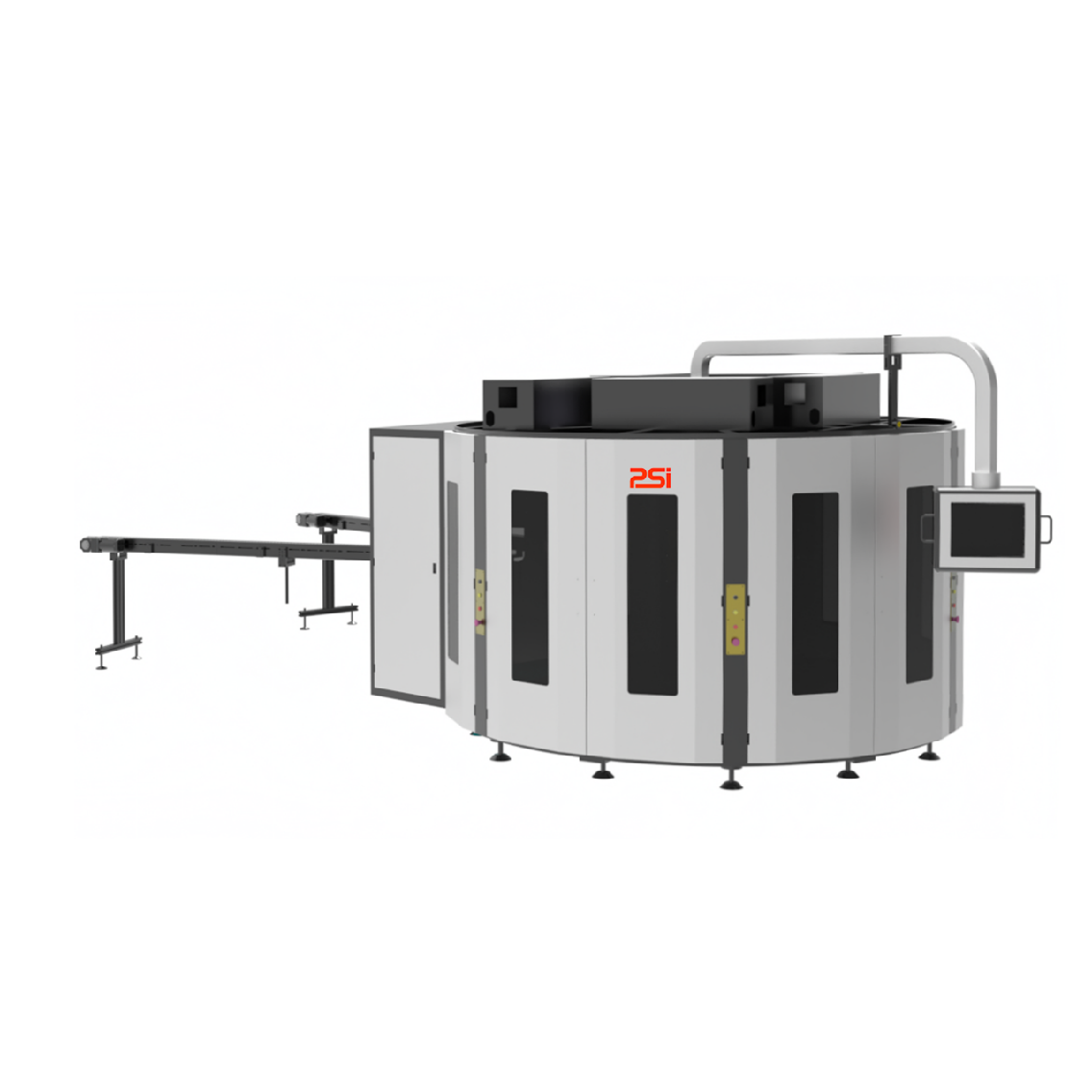
Understanding why manufacturers are making this upgrade requires looking beyond surface-level technology comparisons. A digital inkjet printing machine platform today integrates hardware precision, software intelligence, and connectivity into a unified production system. This article explores the core drivers behind the upgrade decision, the operational advantages manufacturers gain, and the strategic value that smart digital inkjet printing machine platforms deliver over time.
Modern markets demand shorter production runs, faster turnaround times, and increasingly personalized output. A traditional offset or flexographic press struggles to meet these demands economically because each job requires physical plate creation and color calibration. A digital inkjet printing machine eliminates these constraints entirely, allowing manufacturers to switch jobs in minutes without any tooling changes. This flexibility directly reduces waste and lowers cost-per-job for short runs, making the digital inkjet printing machine an economically sound choice for high-mix, low-volume production environments.
Manufacturers operating in fast-moving consumer goods, pharmaceutical packaging, and specialty label sectors are particularly affected by this trend. The ability of a digital inkjet printing machine to handle variable data printing — where every single printed item can carry unique content such as serial numbers, barcodes, or personalized graphics — gives manufacturers a decisive competitive advantage. No analog system can match this capability at production speed without enormous cost penalties.
Smart manufacturing platforms depend on connected equipment that can exchange data, receive remote instructions, and adapt dynamically to production conditions. A modern digital inkjet printing machine is engineered to operate within these ecosystems. It communicates with upstream workflow management systems, receives job data automatically, and logs production metrics that can be analyzed for quality assurance and efficiency improvements. This connectivity is a primary reason why manufacturers upgrading their facilities prioritize a digital inkjet printing machine over legacy alternatives that require manual intervention at every stage.
One of the most immediate operational benefits a digital inkjet printing machine delivers is dramatic reduction in setup time. Conventional printing systems require physical preparation including plate mounting, ink mixing, and registration calibration, which can consume hours of productive machine time. A digital inkjet printing machine replaces all of that with a digital file submission and an automated pre-print check sequence. The result is faster job initiation, lower labor requirements per job, and significantly less material wasted during makeready processes.
Manufacturers who perform detailed time-and-motion analyses on their production lines consistently find that upgrading to a digital inkjet printing machine recovers substantial productive capacity. The time saved on each changeover accumulates quickly, especially in operations that run multiple SKUs per shift. Over a full production quarter, these efficiencies translate directly into measurable cost reductions and higher output throughput, validating the capital investment in a digital inkjet printing machine platform.
Smart digital inkjet printing machine platforms incorporate advanced print head management, real-time drop detection, and automated compensation algorithms. These features maintain consistent print quality even when running at high speeds or printing across varied substrate surfaces. Whether the production line handles coated paper, textiles, flexible films, or rigid materials, a well-configured digital inkjet printing machine delivers registration accuracy and color consistency that meets or exceeds what conventional systems can achieve at comparable speeds.
For manufacturers supplying brand owners with strict color standards, this consistency is non-negotiable. A digital inkjet printing machine that integrates spectrophotometric feedback and closed-loop color management removes reliance on operator judgment during long production runs. This not only protects brand integrity but also reduces the reject rate significantly, which is a direct quality cost saving attributed to the digital inkjet printing machine platform upgrade.
A key strategic reason manufacturers commit to a digital inkjet printing machine platform upgrade is scalability. Unlike analog systems where increasing capacity requires purchasing additional plates, tooling sets, or physically larger presses, a digital inkjet printing machine can scale through software-driven enhancements, additional print bars, or modular expansion kits. Manufacturers can start with a base digital inkjet printing machine configuration and expand its capability as their business grows without replacing the entire platform investment.
This modular approach to scaling is particularly valuable for contract manufacturers and label converters who must respond to client demand changes quickly. Adding new substrate compatibility or extending the color gamut of an existing digital inkjet printing machine is a software or hardware module upgrade, not a capital replacement cycle. The long-term total cost of ownership of a digital inkjet printing machine platform is therefore significantly lower than legacy alternatives when evaluated over a five-to-ten-year horizon.
Environmental compliance is becoming a decisive factor in capital equipment decisions across manufacturing sectors. A digital inkjet printing machine typically uses water-based or UV-curable inks that produce significantly lower VOC emissions compared to solvent-based analog printing processes. This positions the digital inkjet printing machine as a responsible choice for manufacturers operating under tightening environmental regulations in key markets. Beyond compliance, the reduced ink waste, lower energy consumption during standby, and elimination of chemical plate processing all contribute to a measurably greener production footprint.
Industries including packaging, textile printing, label production, pharmaceuticals, and industrial part marking benefit most. Any sector requiring short runs, variable data, or fast changeovers gains significant operational and financial advantages from a digital inkjet printing machine platform.
A digital inkjet printing machine eliminates plate creation, reduces setup time to minutes, and automates quality monitoring. These features collectively reduce labor input, material waste, and downtime per job, resulting in measurably higher throughput and lower production cost across multiple shift cycles.
The initial investment in a digital inkjet printing machine platform is typically higher than maintaining legacy equipment. However, when manufacturers account for reduced setup costs, lower waste rates, faster job turnaround, and scalability without proportional cost increase, the total cost of ownership over a multi-year period consistently justifies the upgrade decision.
 EN
EN
 AR
AR FR
FR DE
DE HI
HI IT
IT JA
JA KO
KO PT
PT RU
RU ES
ES IW
IW ID
ID VI
VI TH
TH TR
TR FA
FA
 Hot News