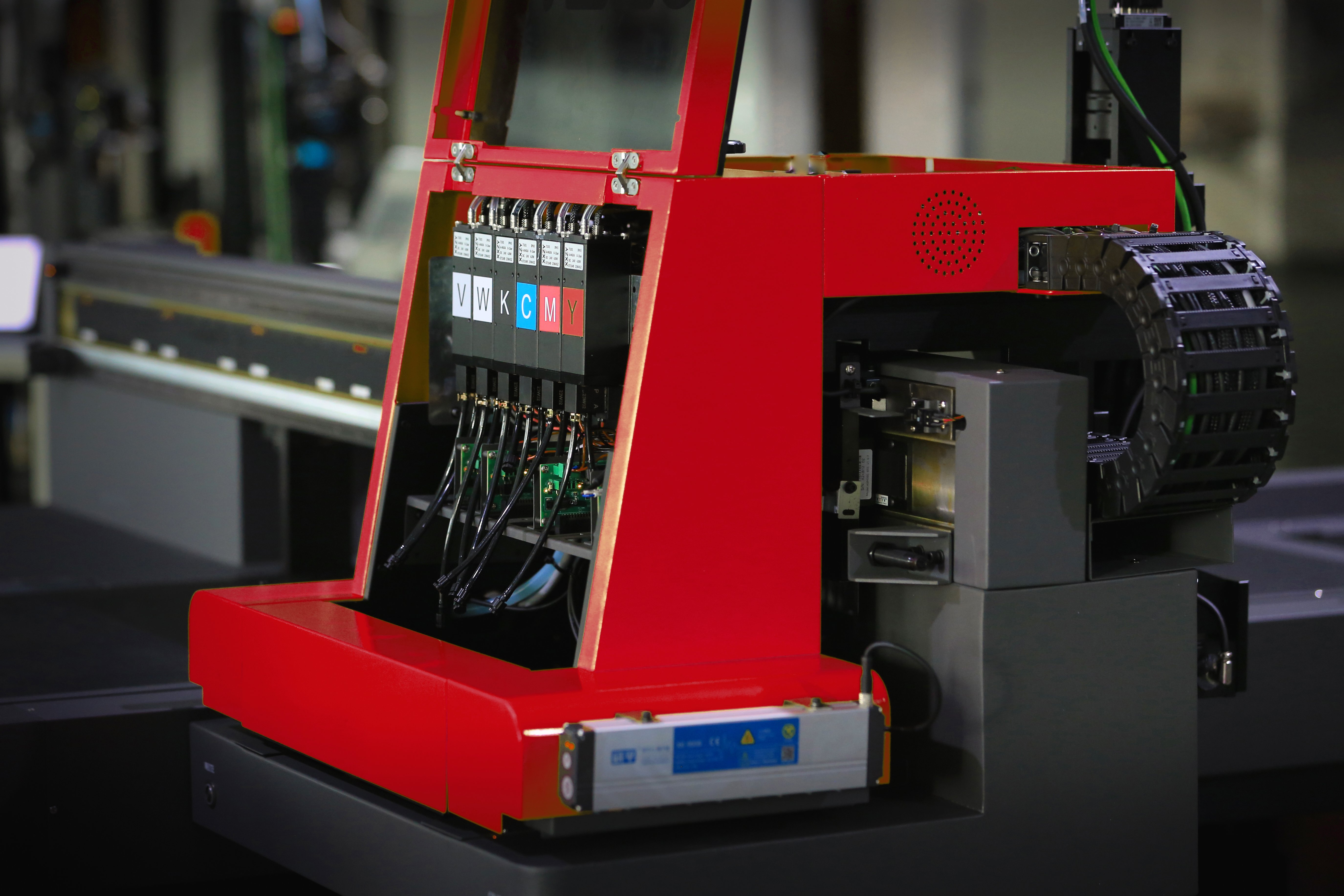
In today's fast-moving manufacturing landscape, brands increasingly demand short production runs with a high degree of design variation. A digital inkjet printing machine is uniquely engineered to answer this challenge, enabling producers to shift between jobs rapidly without incurring the setup costs typically associated with conventional printing methods. Whether the task involves personalized labels, variable barcodes, or multiple SKU designs within a single shift, the digital inkjet printing machine delivers both the speed and the flexibility that modern order fulfillment requires.
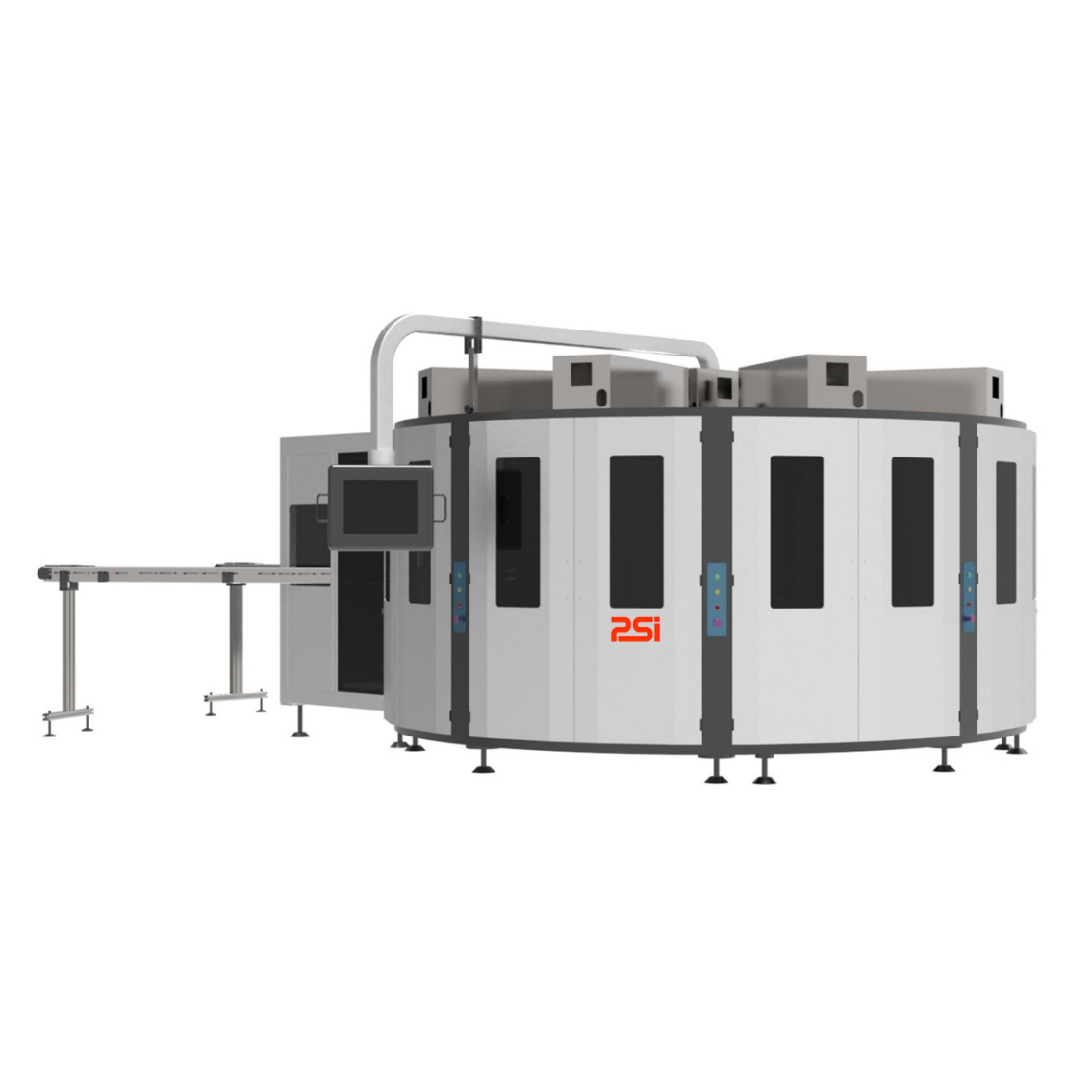
The shift toward low-volume, high-variation production is not a niche trend — it reflects broader changes in consumer expectations, supply chain strategy, and retail customization demands. A digital inkjet printing machine sits at the center of this transformation by removing the physical plates, screens, and dies that constrain conventional systems. Because a digital inkjet printing machine operates from a digital file rather than a fixed template, every print job can differ from the last without adding time or cost penalties. This article explores how these systems are structured, why they perform well in variable environments, and what operational advantages they bring to facilities handling diverse order portfolios.
The most fundamental advantage of a digital inkjet printing machine in a high-variation environment is the elimination of physical printing plates. Traditional offset or flexographic presses require a unique plate for each design, meaning every new job demands plate creation, mounting, and calibration. A digital inkjet printing machine bypasses this entirely by rendering each image directly from a digital source file. The result is that operators can load a new design in seconds rather than hours, making the digital inkjet printing machine an ideal tool when orders arrive with distinct artwork, text, or color requirements.
This plate-free architecture also means that a digital inkjet printing machine can handle sequential jobs where every single unit carries a different image. Variable data printing — including sequential numbering, individualized barcodes, or personalized names — is a native capability of the digital inkjet printing machine rather than an add-on feature. For manufacturers supplying promotional goods, pharmaceutical packaging, or industrial labels, this flexibility directly supports business models that would be economically impossible on fixed-plate equipment.
A digital inkjet printing machine is also designed to work across a range of substrates without requiring mechanical changeovers between materials. Whether printing on paper, film, fabric, or specialty coated surfaces, the digital inkjet printing machine adjusts ink delivery parameters digitally. This substrate flexibility matters greatly when a facility runs multiple clients whose products use different materials. A single digital inkjet printing machine can serve all of them sequentially, reducing the need for dedicated lines per material type.
Conventional printing technology imposes economic minimum order quantities because setup costs must be amortized across enough units to be viable. A digital inkjet printing machine fundamentally changes this cost structure. Because a digital inkjet printing machine carries no plate cost and requires minimal makeready, even an order of fifty units can be produced profitably. This shifts the conversation for brand owners and distributors, allowing them to test new designs, launch regional variants, or fulfill urgent replenishments without the financial exposure of large print runs.
Waste reduction is another measurable benefit. Traditional presses generate significant waste during the setup phase as operators calibrate color and registration. A digital inkjet printing machine reaches production-quality output almost immediately, meaning the number of discarded units per job is dramatically lower. Over a week of high-variation work, these saved materials accumulate into meaningful cost reductions for a facility operating a digital inkjet printing machine at capacity.
Time is a critical factor when clients need rapid design iterations or seasonal updates. A digital inkjet printing machine compresses turnaround time by enabling same-day job preparation. Once a design file is approved, the digital inkjet printing machine can begin production within minutes. This responsiveness allows print service providers and in-house production teams to accept rush orders that would otherwise require outsourcing or deadline extensions. For customers in fast-moving sectors such as food and beverage, cosmetics, or event merchandise, this speed advantage directly translates into competitive positioning.
Additionally, a digital inkjet printing machine integrated with workflow management software can receive and queue multiple jobs automatically. This automation reduces operator intervention between runs, further shortening the time between order receipt and finished output. When a facility processes dozens of unique orders daily, the digital inkjet printing machine workflow becomes a strategic asset rather than just a production tool.
Maintaining consistent color from one job to the next is a persistent challenge in high-variation production. A digital inkjet printing machine addresses this through closed-loop color management systems that calibrate ink output against a reference profile. Each time a new design is loaded, the digital inkjet printing machine applies the same color accuracy standards, ensuring that a brand's specific shade of blue or red is reproduced faithfully regardless of which job came before it. This consistency is crucial for brand owners who distribute products through retail channels where visual uniformity matters.
Modern digital inkjet printing machine platforms also support ICC profile integration, allowing operators to match output to proofed standards without manual adjustment. The result is that a digital inkjet printing machine can transition between completely different design jobs while maintaining a predictable quality baseline. For quality-conscious clients, this reliability removes a common objection to short-run digital production.
High-resolution output is not reserved only for long print runs. A digital inkjet printing machine delivers fine detail, sharp text, and gradient accuracy on the very first unit of a short run, just as reliably as on the thousandth. This is especially relevant for applications such as fine-label wine packaging, pharmaceutical inserts, or high-end cosmetic cartons, where print clarity is a non-negotiable expectation. The digital inkjet printing machine achieves this through precise droplet placement technology that remains consistent across all job types and volumes.
A digital inkjet printing machine requires no physical plates or screens, so each job can carry a completely different design without additional setup time or cost. This makes the digital inkjet printing machine ideal when production involves multiple SKUs, variable data, or frequent design changes within a single shift.
Yes. Because a digital inkjet printing machine has no plate amortization cost and minimal makeready waste, even very small batches can be produced at a competitive cost per unit. Facilities using a digital inkjet printing machine can accept low-minimum orders that would be financially impractical on conventional press equipment.
A digital inkjet printing machine uses integrated color management and ICC profiling to calibrate output for each design file independently. This means the digital inkjet printing machine reproduces brand-accurate colors on every job without requiring manual recalibration between runs, supporting consistent quality across an entire day of varied production.
 EN
EN
 AR
AR FR
FR DE
DE HI
HI IT
IT JA
JA KO
KO PT
PT RU
RU ES
ES IW
IW ID
ID VI
VI TH
TH TR
TR FA
FA
 Hot News