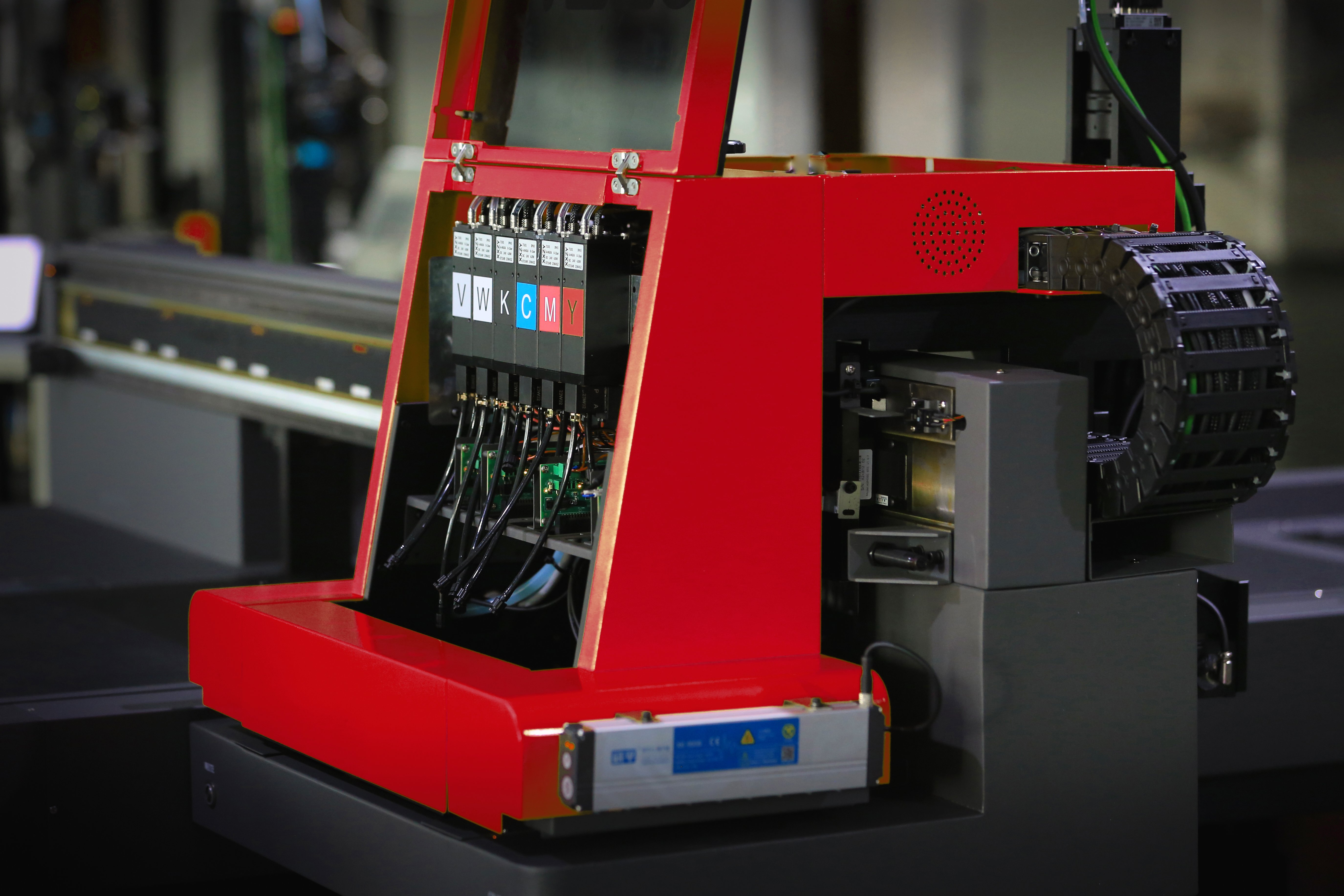
When operators invest in a digital inkjet printing machine, the focus often lands on resolution, speed, and color output. However, one of the most consequential factors that determines long-term success is material compatibility. A digital inkjet printing machine that is not properly matched to the substrate it prints on will deliver inconsistent results, higher waste rates, and accelerated equipment wear. Understanding why material compatibility matters is essential for any production environment relying on a digital inkjet printing machine.
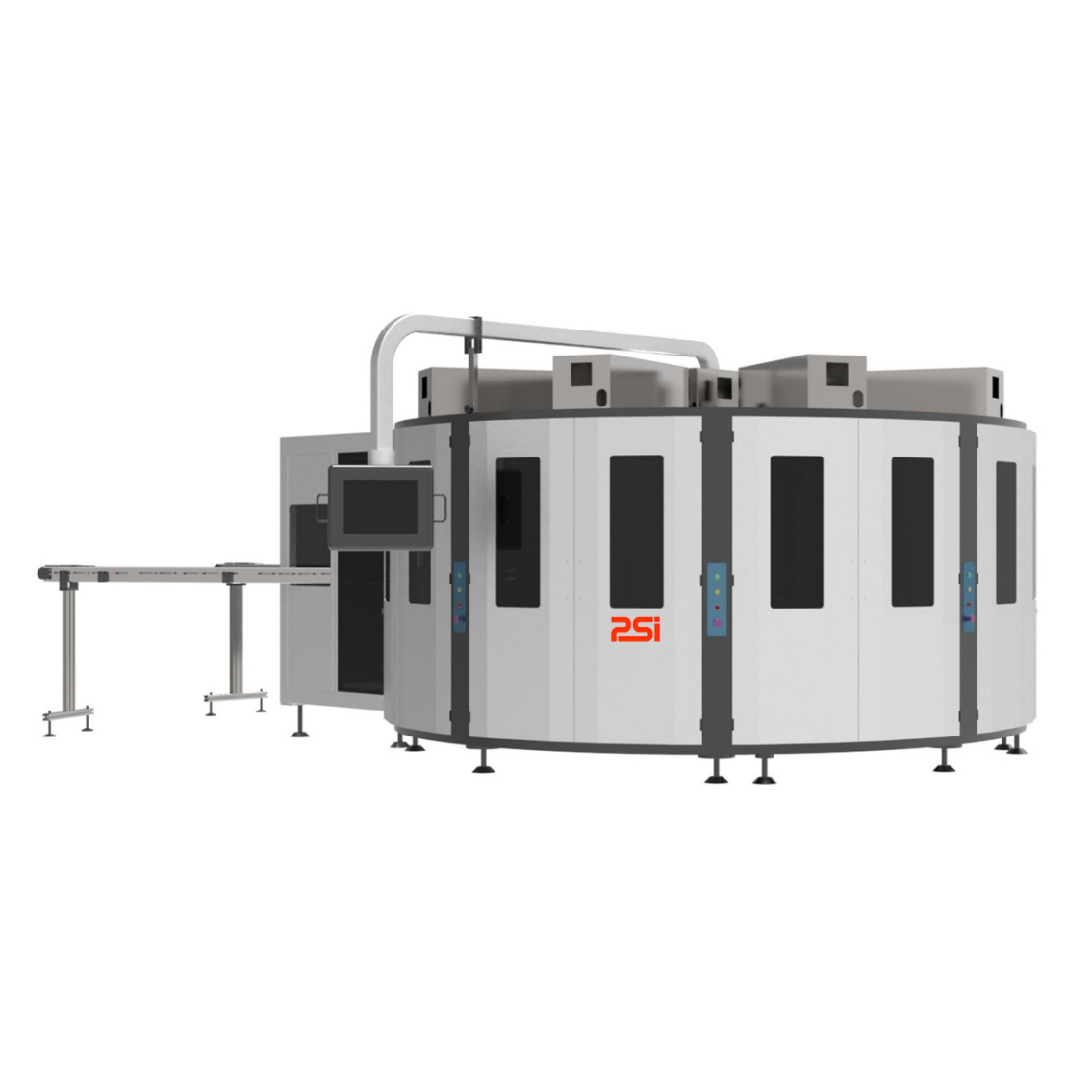
Material compatibility in the context of a digital inkjet printing machine refers to the alignment between the substrate surface, the ink chemistry, and the machine's mechanical and thermal settings. When these elements are well matched, a digital inkjet printing machine produces sharp, durable, and vibrant outputs. When they are mismatched, even the most advanced digital inkjet printing machine will struggle to perform at specification. This article explores why material compatibility is not an optional consideration but a foundational requirement for every digital inkjet printing machine application.
Every substrate has a unique surface energy profile that directly influences how ink from a digital inkjet printing machine bonds to the material. Highly porous substrates such as uncoated paper absorb ink rapidly, which can cause dot gain and color bleeding if the digital inkjet printing machine is not calibrated for that specific surface. Conversely, non-porous materials like glass or certain plastics may cause ink to bead or fail to cure properly unless the digital inkjet printing machine is equipped with appropriate UV curing or surface treatment systems. Understanding surface absorption is one of the first steps in selecting the right digital inkjet printing machine configuration for a given substrate.
A digital inkjet printing machine must also accommodate the physical dimensions of the substrate, particularly its thickness and rigidity. Printhead height settings on a digital inkjet printing machine are critical because even a small deviation can cause inkjet droplets to land off-target, degrading image sharpness. Flexible materials like fabric or thin films may behave differently under the tension systems of a digital inkjet printing machine compared to rigid boards or labels. Operators need to verify that the mechanical tolerances of their digital inkjet printing machine are designed to handle the thickness range and flexibility of their target substrates.
The ink system used in a digital inkjet printing machine is engineered for specific substrate categories. Solvent-based inks used in a digital inkjet printing machine are formulated to penetrate and adhere to vinyl and outdoor banner materials. Water-based inks in a digital inkjet printing machine work well on coated papers and textiles but can cause warping or adhesion failures on moisture-sensitive or non-absorbent surfaces. UV-curable inks in a digital inkjet printing machine offer broad substrate compatibility but require proper curing energy levels tailored to each material type. Selecting the correct ink chemistry for a digital inkjet printing machine is inseparable from understanding the substrate being printed on.
Beyond substrate interaction, the viscosity and surface tension of the ink must align with the printhead specifications of the digital inkjet printing machine. If the ink viscosity is too high, the printhead of the digital inkjet printing machine may produce satellite droplets or clogging events. If viscosity is too low, the digital inkjet printing machine may experience ink dripping, dot spreading, or poor edge definition. Ink formulations must be validated against the specific printhead technology installed in the digital inkjet printing machine to ensure reliable droplet formation and consistent print quality across long production runs.
When material compatibility is overlooked, the digital inkjet printing machine becomes a source of costly production failures. Ink that does not properly adhere to a substrate may smear, peel, or fade prematurely, causing entire print batches to be rejected. Every rejected batch represents direct material waste and lost production time for the digital inkjet printing machine. In high-volume environments, even a small percentage of compatibility-related failures can significantly increase the operational cost per printed unit on a digital inkjet printing machine. Proactive compatibility testing is far more cost-effective than reactive troubleshooting after defective output has already been produced.
Poor material compatibility also accelerates wear on the digital inkjet printing machine itself. Substrates that shed particles or generate static can contaminate the printhead nozzles of a digital inkjet printing machine, leading to costly cleaning cycles or permanent nozzle damage. Inks that are incompatible with the digital inkjet printing machine's ink delivery components may cause swelling, corrosion, or blockages within the fluid pathway. The cumulative effect of running incompatible materials through a digital inkjet printing machine shortens the service life of critical components and increases unplanned downtime. Choosing materials that are validated for use with a specific digital inkjet printing machine protects both print quality and long-term equipment reliability.
Material compatibility directly influences how ink is deposited, absorbed, and cured on the substrate. A digital inkjet printing machine requires alignment between ink chemistry and substrate surface energy to produce consistent dot placement and color accuracy. When the material is incompatible, the digital inkjet printing machine cannot compensate for poor ink adhesion or absorption through settings alone, resulting in visible quality defects.
Many modern digital inkjet printing machine models are designed with multi-substrate capability, but each substrate requires individual profiling and validation. Operators must configure the digital inkjet printing machine with substrate-specific ICC profiles, ink volumes, and curing parameters. Simply loading a different material into a digital inkjet printing machine without reconfiguring its settings will often lead to suboptimal results or print failures.
Operators should run structured test prints on the digital inkjet printing machine using the target substrate before committing to full production. These tests should evaluate ink adhesion, color accuracy, drying or curing performance, and edge definition across a range of print speeds. Documenting successful settings for each substrate creates a reference library that makes future setups on the digital inkjet printing machine faster and more reliable.
 EN
EN
 AR
AR FR
FR DE
DE HI
HI IT
IT JA
JA KO
KO PT
PT RU
RU ES
ES IW
IW ID
ID VI
VI TH
TH TR
TR FA
FA
 Hot News