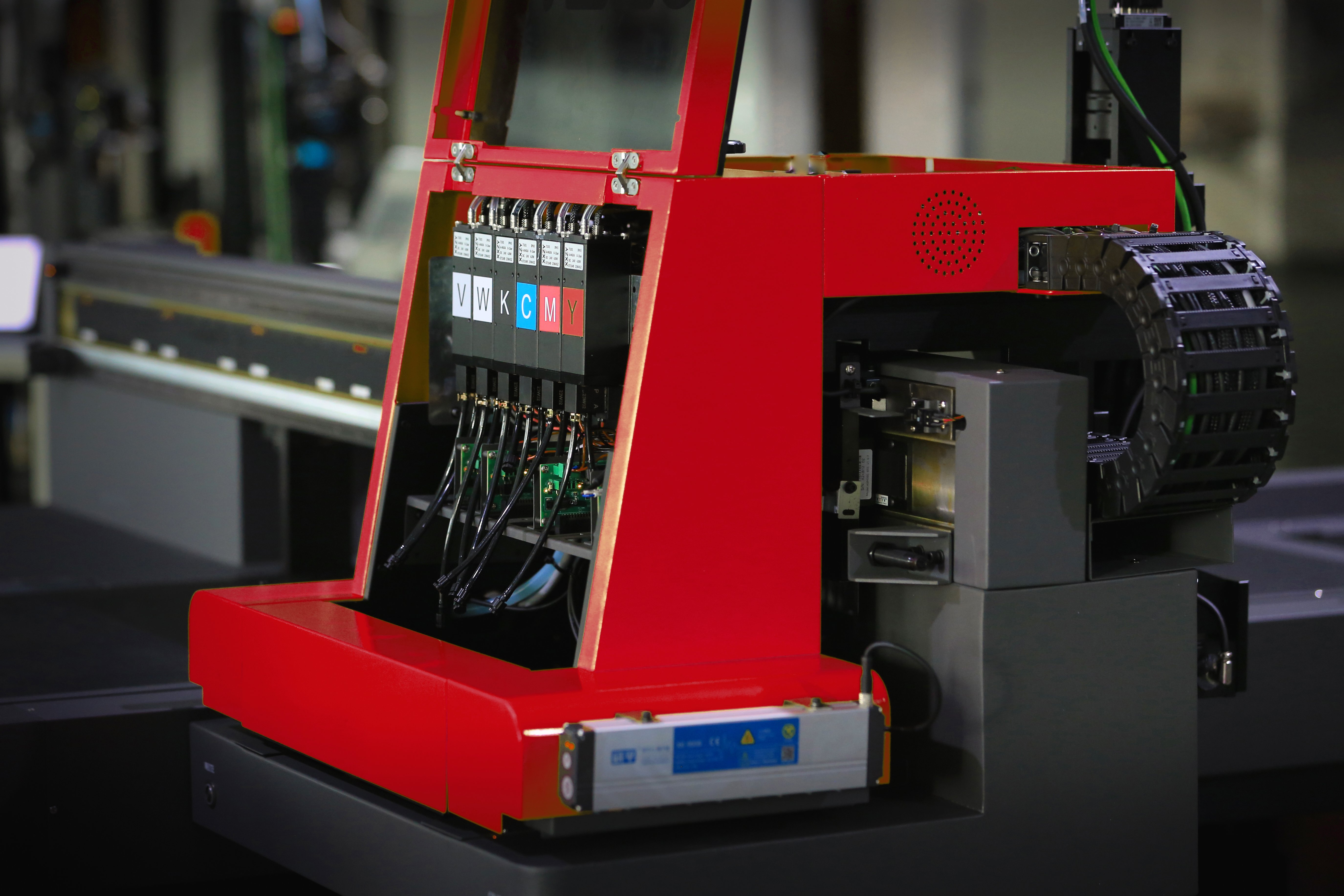
Labor optimization is one of the most pressing priorities for manufacturers operating in competitive markets today. The screen printing machine has evolved far beyond its manual origins, and modern automated versions are now central to how production facilities restructure their workforce strategies. When a business invests in an advanced screen printing machine, the decision is rarely just about print speed — it is fundamentally about how labor is allocated, managed, and optimized across the entire production floor.
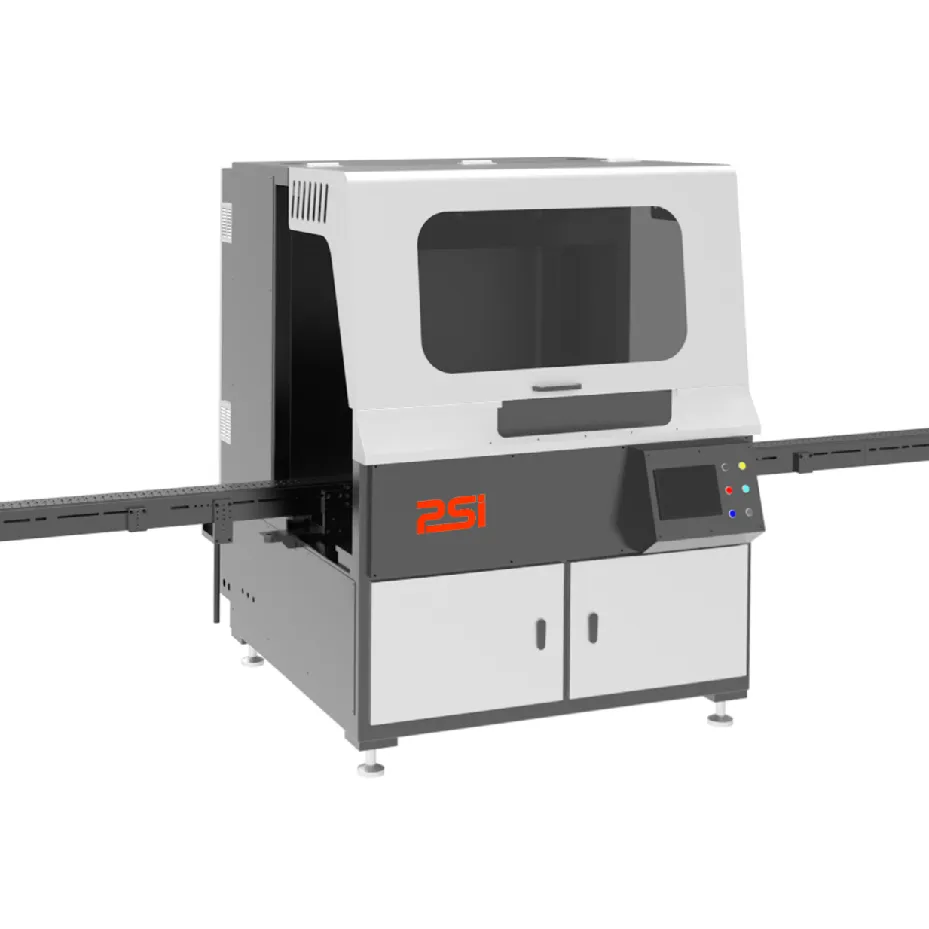
Automation in a screen printing machine does not mean eliminating people from the process. It means shifting human effort toward higher-value tasks while the screen printing machine handles repetitive, precision-dependent operations. This distinction is critical for any production manager or operations director evaluating how automation contributes to smarter staffing decisions. Understanding this relationship allows businesses to design more resilient, scalable, and cost-effective production environments built around the capabilities of a modern screen printing machine.
A traditional screen printing machine required skilled operators to perform nearly every function manually — from ink application and squeegee pressure to substrate alignment and job changeovers. Each of these tasks demanded constant human attention and introduced variability based on operator fatigue or inconsistency. An automated screen printing machine removes the most repetitive of these responsibilities by embedding them into servo-driven or programmable control systems that execute with the same precision on the hundredth cycle as on the first.
When a screen printing machine handles substrate registration, pressure calibration, and print sequencing automatically, operators are freed from monitoring routine steps. This directly reduces the number of workers required per shift to maintain output volume. A facility that previously needed four operators per screen printing machine line may restructure to two operators managing multiple machines simultaneously. That reallocation is the foundation of labor optimization — not reduction for its own sake, but redeployment of human skill where it creates more value.
When a screen printing machine takes over execution-level tasks, operators naturally transition into supervisory and quality control roles. Workers who once applied squeegees now monitor the screen printing machine's output data, manage job queues, and troubleshoot minor mechanical issues. This shift encourages cross-functional training, where one skilled employee can competently oversee an entire screen printing machine cell rather than being confined to a single manual task.
From a labor strategy perspective, this creates a more flexible workforce. Businesses that invest in automation through a screen printing machine are investing in the professional development of their teams at the same time. The result is a leaner, more capable crew that adapts faster to new product requirements and production changes driven by customer demand.
One of the most measurable benefits of an automated screen printing machine is output consistency. In manual operations, print quality can drift across a long production run due to human fatigue, slight variations in technique, or environmental factors. An automated screen printing machine maintains identical pressure, speed, and registration parameters throughout the entire job, ensuring that the first printed piece and the ten-thousandth are indistinguishable in quality.
This consistency directly impacts labor efficiency. When a screen printing machine produces reliable output, quality inspection becomes faster and less labor-intensive. Fewer defects mean less rework, less material waste, and fewer operator hours spent correcting errors. The downstream labor savings from a consistent screen printing machine often rival the direct labor savings on the production line itself.
Job changeover is one of the most labor-intensive and time-consuming aspects of running a screen printing machine in a high-mix production environment. Manual adjustment of registration guides, ink systems, and squeegee settings can take significant time and requires experienced operators. An automated screen printing machine with programmable job memory reduces this changeover time dramatically. Stored job parameters allow operators to switch from one product specification to another in a fraction of the time required by manual processes.
Reduced changeover time means reduced idle labor costs. When a screen printing machine transitions between jobs quickly, operators remain productive rather than standing by during setup. Over a full production week, these accumulated time savings translate into measurable gains in labor utilization and throughput capacity — both of which are key metrics in any serious labor optimization strategy built around a screen printing machine.
A screen printing machine with high automation capability changes how production managers build their staffing models. Rather than hiring based on the number of manual steps in the process, managers can plan staffing around machine supervision ratios, maintenance schedules, and quality oversight requirements. This shift in planning logic allows facilities to scale production volume without proportionally scaling headcount — a core principle of labor optimization driven by a screen printing machine investment.
For example, a facility expanding from one to three screen printing machine lines does not need to triple its operator workforce. With the right automation level in each screen printing machine, the same team can absorb additional capacity by managing broader machine cells. This scalability makes automation a strategic asset, not just a productivity tool, and positions the screen printing machine as the anchor of a long-term workforce efficiency plan.
When production targets are met more reliably through an automated screen printing machine, the reliance on overtime hours and extended shifts decreases. Manual screen printing machine operations often require overtime to compensate for quality issues, downtime, or throughput shortfalls. Automation stabilizes throughput, which stabilizes scheduling. A predictable screen printing machine output rate makes workforce planning more accurate and reduces the cost burden of unplanned overtime — a significant and often underestimated component of total labor cost in any screen printing machine environment.
No. Automating a screen printing machine shifts the role of skilled operators rather than eliminating them. Operators move from performing manual repetitive tasks to overseeing machine performance, managing job parameters, and handling quality control. Skilled workers remain essential to running an automated screen printing machine effectively.
A screen printing machine reduces labor cost primarily by increasing output per operator rather than by reducing headcount. When one screen printing machine handles more volume with fewer errors, the same workforce produces greater results. Labor optimization through a screen printing machine typically involves redeploying workers to higher-value tasks rather than eliminating positions.
High-volume, high-mix production environments benefit most from an automated screen printing machine. Facilities that run frequent job changeovers, require tight registration tolerances, or operate extended production shifts will see the greatest gains. Any operation where manual screen printing machine processes create bottlenecks, quality inconsistencies, or high overtime dependency is a strong candidate for automation.
 EN
EN
 AR
AR FR
FR DE
DE HI
HI IT
IT JA
JA KO
KO PT
PT RU
RU ES
ES IW
IW ID
ID VI
VI TH
TH TR
TR FA
FA
 Hot News