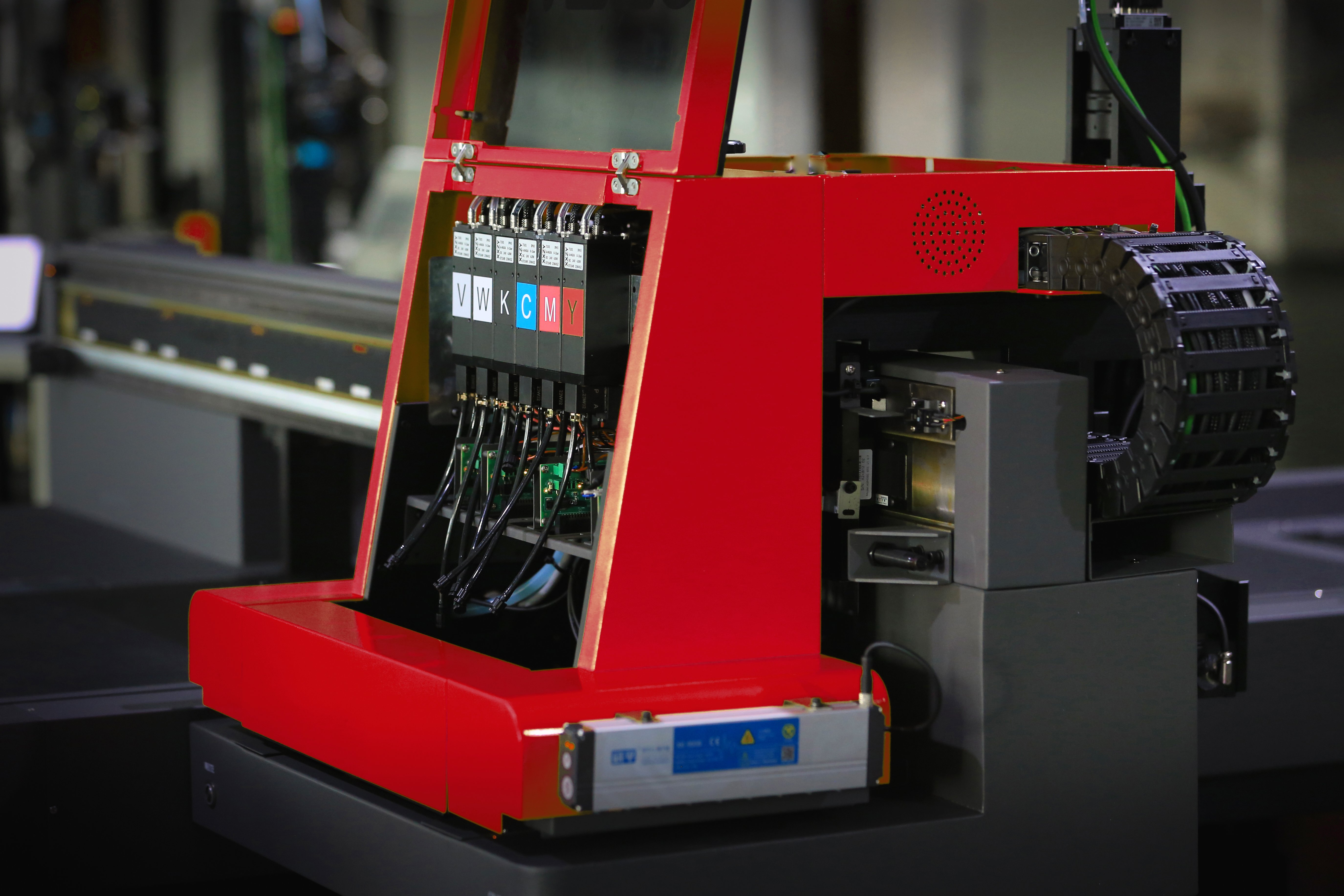
A digital inkjet printing machine is a precision instrument that depends on hundreds of microscopic nozzles firing ink droplets at exact intervals. When those nozzles are clean and properly maintained, the output is sharp, consistent, and repeatable. When they are neglected, print quality degrades quickly, production slows, and costly repairs become inevitable. Understanding why printhead maintenance matters is the first step toward protecting your investment in any digital inkjet printing machine.
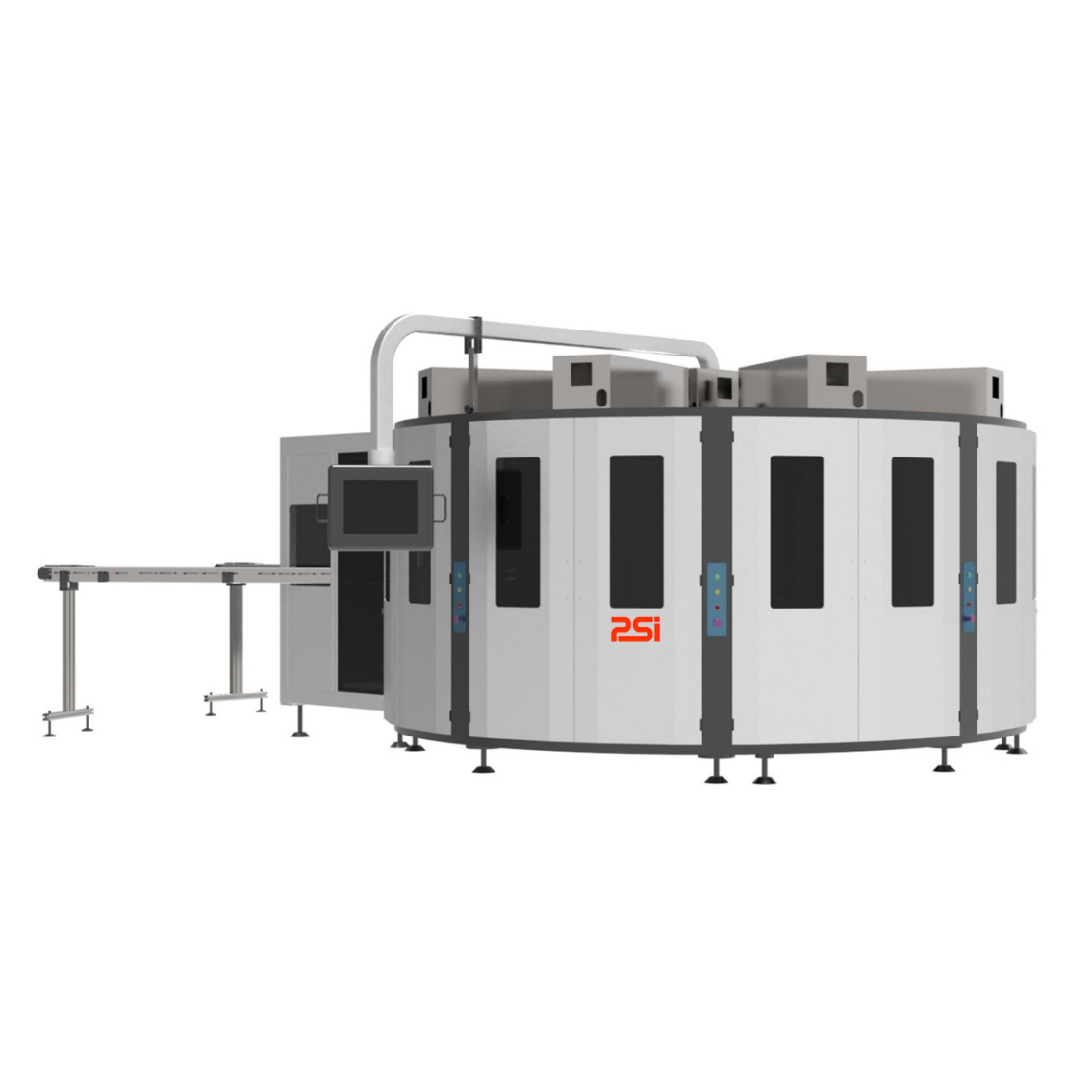
In a production environment, a digital inkjet printing machine operates under continuous mechanical and thermal stress. Ink residue accumulates inside nozzle chambers, pigment particles settle, and dried ink can partially block firing channels. These issues do not resolve themselves. Only a structured, consistent maintenance routine keeps a digital inkjet printing machine performing at the level that modern industrial applications demand. This article explains the core reasons why printhead maintenance is not optional but essential.
Every digital inkjet printing machine relies on its printhead to deposit ink with micrometer-level accuracy. A partially clogged nozzle in a digital inkjet printing machine introduces banding, color inconsistency, and misdirected droplets. These visible defects are immediately apparent in fine-detail graphics, text, and halftone patterns. For commercial printers and industrial decorators, even minor printhead issues in a digital inkjet printing machine translate directly into customer complaints and reprints that erode profit margins.
The printhead in a digital inkjet printing machine must also maintain consistent ink viscosity and temperature during operation. When maintenance is deferred, dried ink residues alter the thermal properties of the firing chamber. This disrupts droplet formation in the digital inkjet printing machine and causes irregular dot placement. Over time, these micro-level inconsistencies compound into systemic quality failures that no software correction can fully compensate for.
Color management in a digital inkjet printing machine depends on every nozzle firing at its specified volume and velocity. When nozzles in a digital inkjet printing machine become partially blocked, the machine attempts to compensate, but the resulting color output drifts from the target profile. For brand-sensitive applications such as packaging, labels, and textiles, color drift in a digital inkjet printing machine is unacceptable. Regular printhead cleaning and nozzle checks are the most reliable way to preserve color accuracy across long production runs.
In high-volume production, a digital inkjet printing machine that experiences an unplanned printhead failure can halt an entire production line for hours. Printhead replacement on a digital inkjet printing machine is expensive, and emergency maintenance disrupts delivery schedules. Preventive maintenance routines eliminate the majority of these failures by catching early warning signs before they escalate. A well-maintained digital inkjet printing machine runs longer between interventions and delivers a far more predictable production schedule.
Scheduled maintenance for a digital inkjet printing machine typically includes nozzle purging, wiper blade inspection, capping station cleaning, and ink system flushing. Each of these tasks takes only a fraction of the time that an unplanned repair would require. Operators who treat maintenance as a built-in production step rather than an interruption find that their digital inkjet printing machine achieves significantly higher overall equipment effectiveness. The return on time invested in preventive care far exceeds the cost of reactive repairs.
A poorly maintained digital inkjet printing machine wastes ink in several ways. Blocked nozzles prompt automatic purge cycles that consume large amounts of ink without producing usable output. Misdirected droplets from a damaged printhead in a digital inkjet printing machine produce substrates that must be discarded. By maintaining the printhead at peak condition, a digital inkjet printing machine minimizes purge frequency, reduces substrate waste, and keeps ink cost per unit at the target level. For high-throughput operations, these savings accumulate into a measurable improvement in profitability.
The printhead is one of the most expensive consumable components in a digital inkjet printing machine. Manufacturer-rated printhead lifespans are calculated under the assumption that proper maintenance protocols are followed consistently. When those protocols are skipped, the actual service life of the printhead in a digital inkjet printing machine drops significantly below the rated specification. Operators who follow daily, weekly, and monthly maintenance schedules consistently report longer printhead life and lower total cost of ownership for their digital inkjet printing machine.
Proper storage procedures also play an important role. When a digital inkjet printing machine is idle for extended periods, the capping station must seal the printhead correctly to prevent ink from drying inside the nozzle array. Failing to cap a digital inkjet printing machine properly is one of the most common causes of premature printhead failure. This single maintenance step costs almost nothing in time but can add months to the working life of the printhead in a digital inkjet printing machine.
The printhead does not function in isolation within a digital inkjet printing machine. It is connected to dampers, ink lines, filters, and pumps that all depend on clean, consistent ink flow. Contamination from a neglected printhead can migrate upstream into the ink delivery system of a digital inkjet printing machine, causing filter blockages and damper failures. Maintaining the printhead as part of the broader ink system care routine protects every connected component and keeps the entire digital inkjet printing machine operating as an integrated, reliable system.
The cleaning frequency depends on usage intensity and ink type used in the digital inkjet printing machine. High-volume operations typically require daily nozzle checks and light cleaning, with deeper purge cycles performed weekly. UV and pigment inks used in a digital inkjet printing machine tend to settle and dry faster, so they demand more frequent attention than dye-based systems.
Visible banding on printed output, missing color channels, irregular dot patterns, and persistent nozzle check failures are the most common warning signs in a digital inkjet printing machine. If the digital inkjet printing machine is triggering automatic purge cycles more frequently than usual, that is also a strong indicator that the printhead requires manual cleaning or inspection before further production continues.
Yes. Using ink formulations that are not compatible with the printhead specifications of a digital inkjet printing machine is a leading cause of premature nozzle corrosion and clogging. Each digital inkjet printing machine is engineered for specific ink chemistries, viscosity ranges, and particle sizes. Operating outside those parameters accelerates wear and can permanently damage the printhead, voiding manufacturer warranties on the digital inkjet printing machine.
 EN
EN
 AR
AR FR
FR DE
DE HI
HI IT
IT JA
JA KO
KO PT
PT RU
RU ES
ES IW
IW ID
ID VI
VI TH
TH TR
TR FA
FA
 Hot News