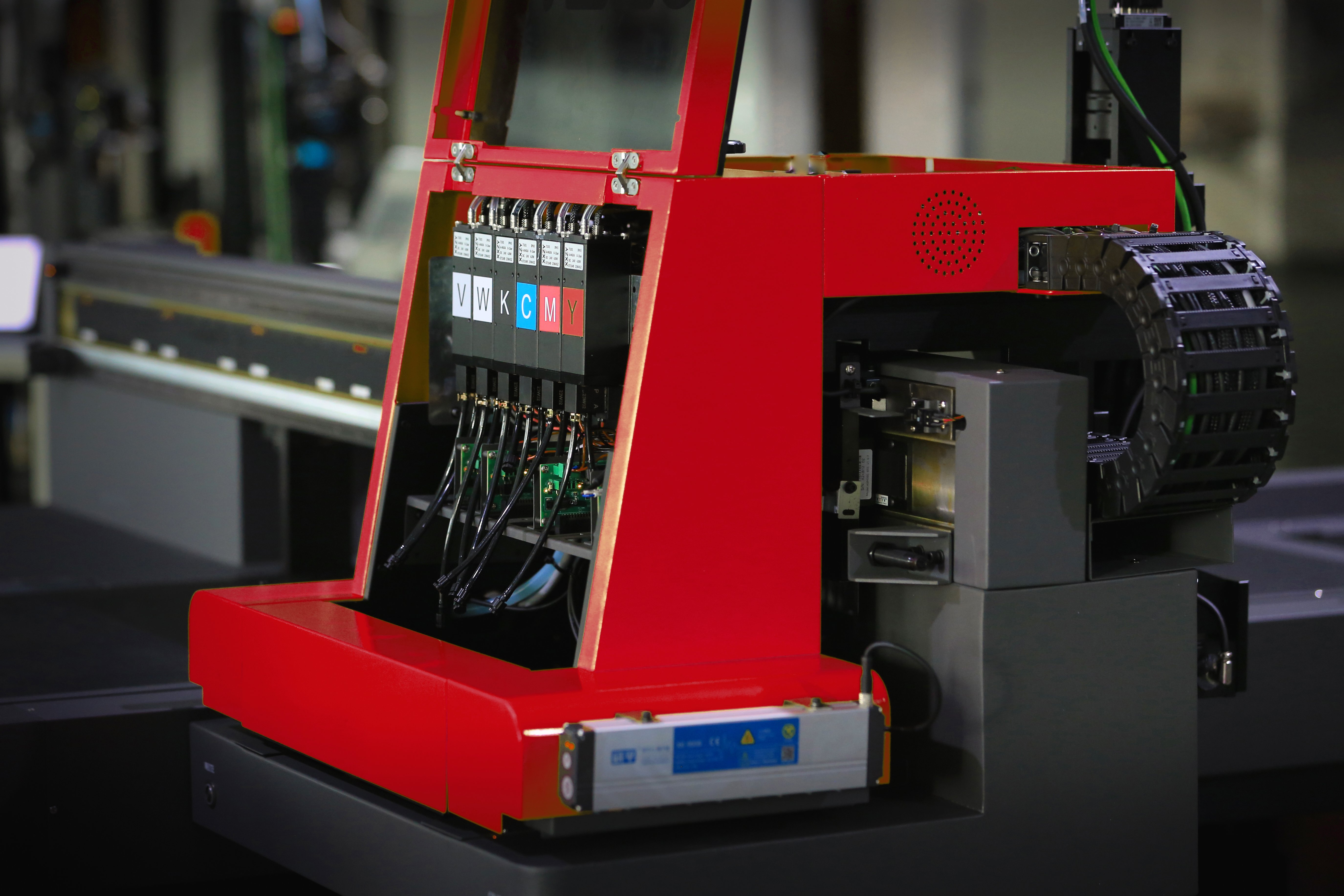
The screen printing machine has undergone a dramatic transformation over the past decade. What was once a manually intensive, operator-dependent process has evolved into a highly automated, data-driven production system. Across industries ranging from electronics and textiles to packaging and medical devices, smart screen printing machine technology is now setting the benchmark for what modern print production should look like.
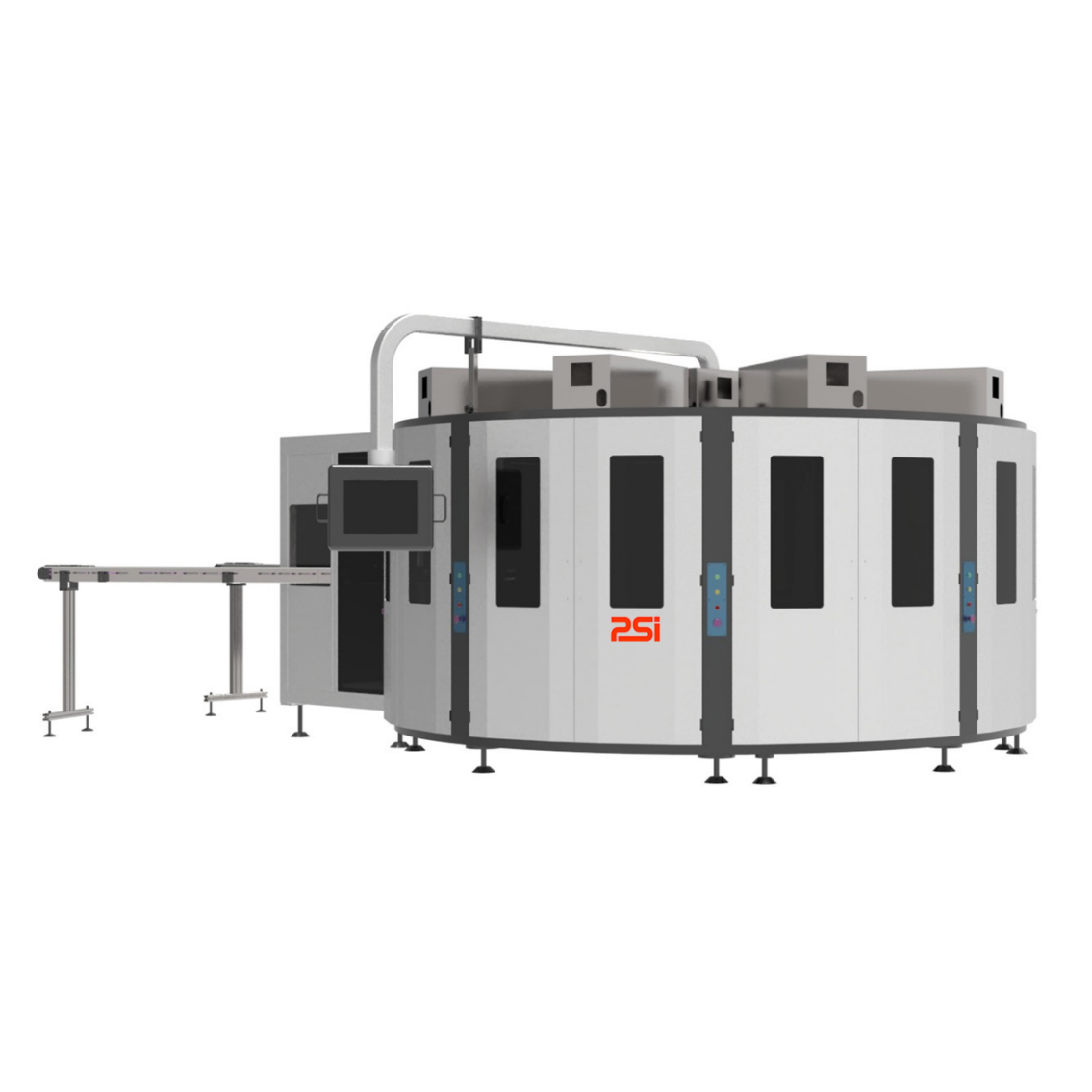
Understanding why the smart screen printing machine has become an industry standard requires looking beyond the technology itself. It demands an examination of the pressures manufacturers face — tighter tolerances, faster cycle times, rising labor costs, and the growing expectation for consistent output quality. Smart screen printing machine systems address all of these challenges in a unified, scalable platform, which is precisely why their adoption continues to accelerate across global production floors.
One of the most compelling reasons the smart screen printing machine has become an industry standard is its ability to deliver precision at high volume without human error. Traditional screen printing machine setups rely heavily on operator skill, which introduces variability into every production run. In contrast, a smart screen printing machine integrates servo-driven mechanics, vision alignment systems, and real-time feedback loops that eliminate guesswork entirely.
When a screen printing machine can self-correct its squeegee pressure, registration alignment, and print speed based on live sensor data, the result is a level of repeatability that manual processes simply cannot match. For manufacturers producing circuit boards, solar cells, or medical substrates, this precision is not a luxury — it is a non-negotiable requirement. The smart screen printing machine fulfills this requirement consistently across thousands of cycles.
Global labor markets have made skilled screen printing machine operators increasingly difficult to source and retain. A smart screen printing machine reduces this dependency by automating the most technically demanding aspects of the print process. Setup routines, parameter adjustments, and even fault detection are handled by the machine itself, allowing a smaller team to manage higher output volumes.
This shift in labor dynamics is a major reason why the screen printing machine market has pivoted toward intelligent automation. Businesses that previously required multiple skilled operators per screen printing machine can now reallocate human resources toward quality oversight and process improvement rather than manual machine intervention.
A modern smart screen printing machine is built around an integrated vision system that performs automatic fiducial recognition, substrate alignment, and print offset correction in milliseconds. This capability ensures that every pass of the screen printing machine is registered with sub-micron accuracy — a critical factor for high-density electronics printing and fine-line graphic applications.
The vision system in a smart screen printing machine also enables automatic inspection after each print cycle. Rather than relying on downstream quality checks, the screen printing machine identifies defects at the point of production. This closed-loop approach dramatically reduces waste and rework costs, and it is one of the core reasons smart screen printing machine platforms are now specified in quality-critical manufacturing environments worldwide.
Modern screen printing machine systems are no longer standalone equipment. A smart screen printing machine connects to factory networks, MES platforms, and cloud-based monitoring tools, enabling full process traceability and remote diagnostics. Every parameter set on the screen printing machine — from ink viscosity compensation to off-contact distance — is logged, analyzable, and retrievable.
This data connectivity transforms the screen printing machine from a passive production tool into an active participant in manufacturing intelligence. Operators and engineers can monitor screen printing machine performance metrics in real time, identify emerging trends before they become defects, and benchmark production runs against historical data. For manufacturers pursuing Industry 4.0 goals, the smart screen printing machine is an essential node in the connected factory ecosystem.
The electronics industry was among the first to standardize on smart screen printing machine systems, driven by the need to print solder paste, conductive inks, and dielectric materials onto increasingly fine-pitch substrates. In SMT assembly lines, the screen printing machine is often the first and most critical process step. A smart screen printing machine ensures that paste volumes, deposit profiles, and registration accuracy meet stringent IPC standards without manual intervention.
As component densities increase and substrate materials diversify, the smart screen printing machine continues to evolve. New generations of screen printing machine systems support thinner stencils, tiered paste printing, and advanced substrate handling, keeping pace with the demanding requirements of next-generation electronics manufacturing.
Beyond electronics, the smart screen printing machine has made significant inroads into textile decoration, flexible packaging, and specialty print markets. In textile production, a smart screen printing machine delivers consistent color registration across multi-color designs at high throughput, reducing fabric waste and setup time. In packaging, the screen printing machine applies functional coatings, tactile finishes, and security inks with the precision required for premium branding applications.
Across these diverse sectors, the common thread is clear: manufacturers choose a smart screen printing machine not just for its output quality, but for its operational reliability, reduced total cost of ownership, and ability to integrate seamlessly into automated production lines. The screen printing machine, in its smart form, has earned its place as a true industry standard.
A smart screen printing machine incorporates servo-driven motion control, vision alignment systems, real-time sensor feedback, and network connectivity. These features allow the screen printing machine to self-adjust, self-inspect, and communicate production data automatically, which is not possible with a conventional manually adjusted screen printing machine.
Yes. While smart screen printing machine systems were initially adopted by high-volume manufacturers, modular designs and scalable configurations now make the screen printing machine accessible for small and mid-sized operations. The productivity gains and quality improvements a smart screen printing machine delivers often justify the investment even at lower production volumes.
A smart screen printing machine connects to factory networks and MES systems, enabling real-time data exchange, remote monitoring, and predictive maintenance. This connectivity makes the screen printing machine a functional component of a fully digitized production environment, supporting the traceability, efficiency, and flexibility goals that define Industry 4.0 manufacturing strategies.
 EN
EN
 AR
AR FR
FR DE
DE HI
HI IT
IT JA
JA KO
KO PT
PT RU
RU ES
ES IW
IW ID
ID VI
VI TH
TH TR
TR FA
FA
 Hot News