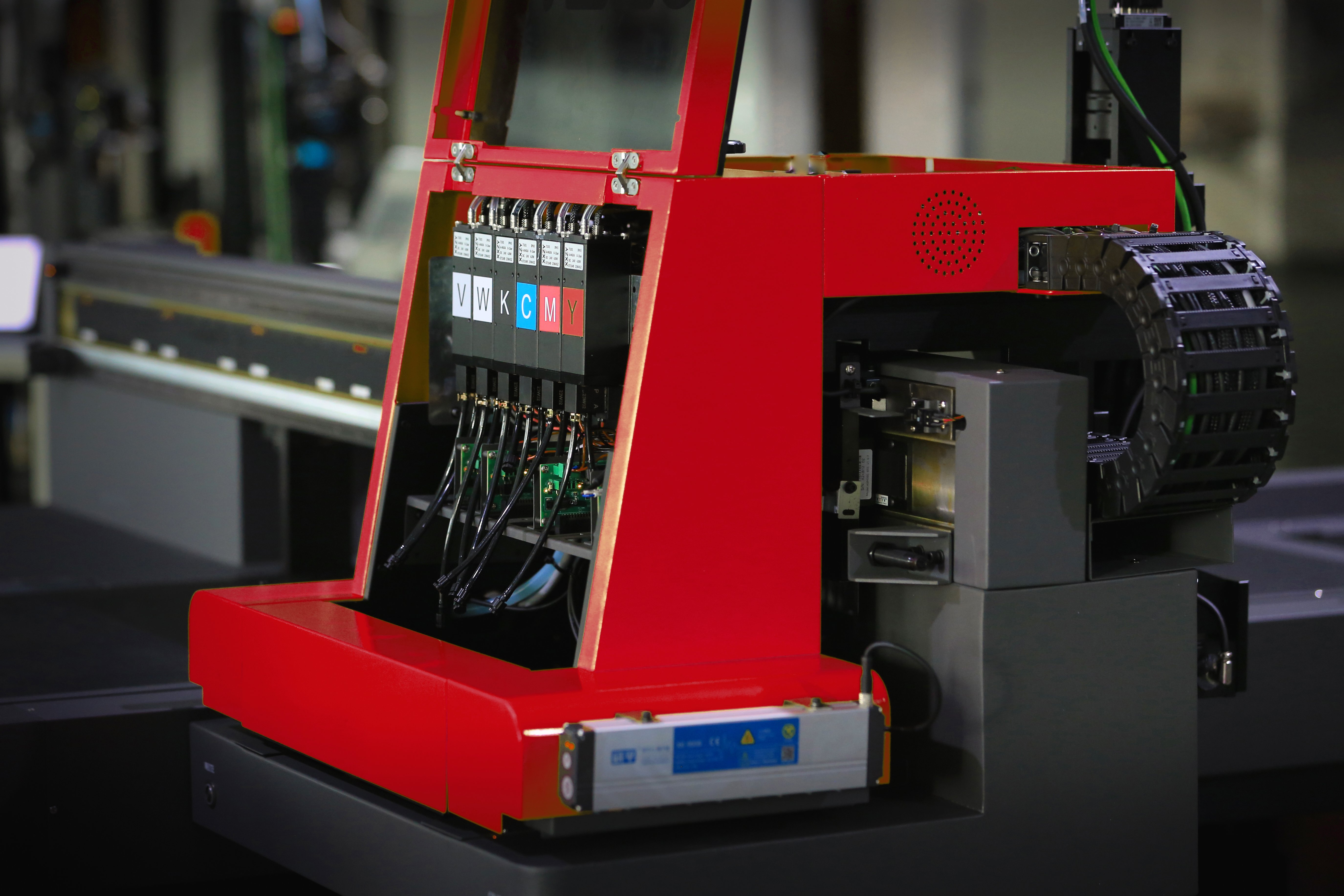
The packaging industry is undergoing a significant transformation, and at the center of that shift is the widespread adoption of the digital inkjet printing machine. Packaging producers across flexible packaging, labels, corrugated board, and folding cartons are increasing their capital investment in this technology at a pace that signals more than a passing trend. Understanding why this investment surge is happening requires examining the structural pressures producers face and the specific capabilities that digital inkjet printing machine technology brings to the table.
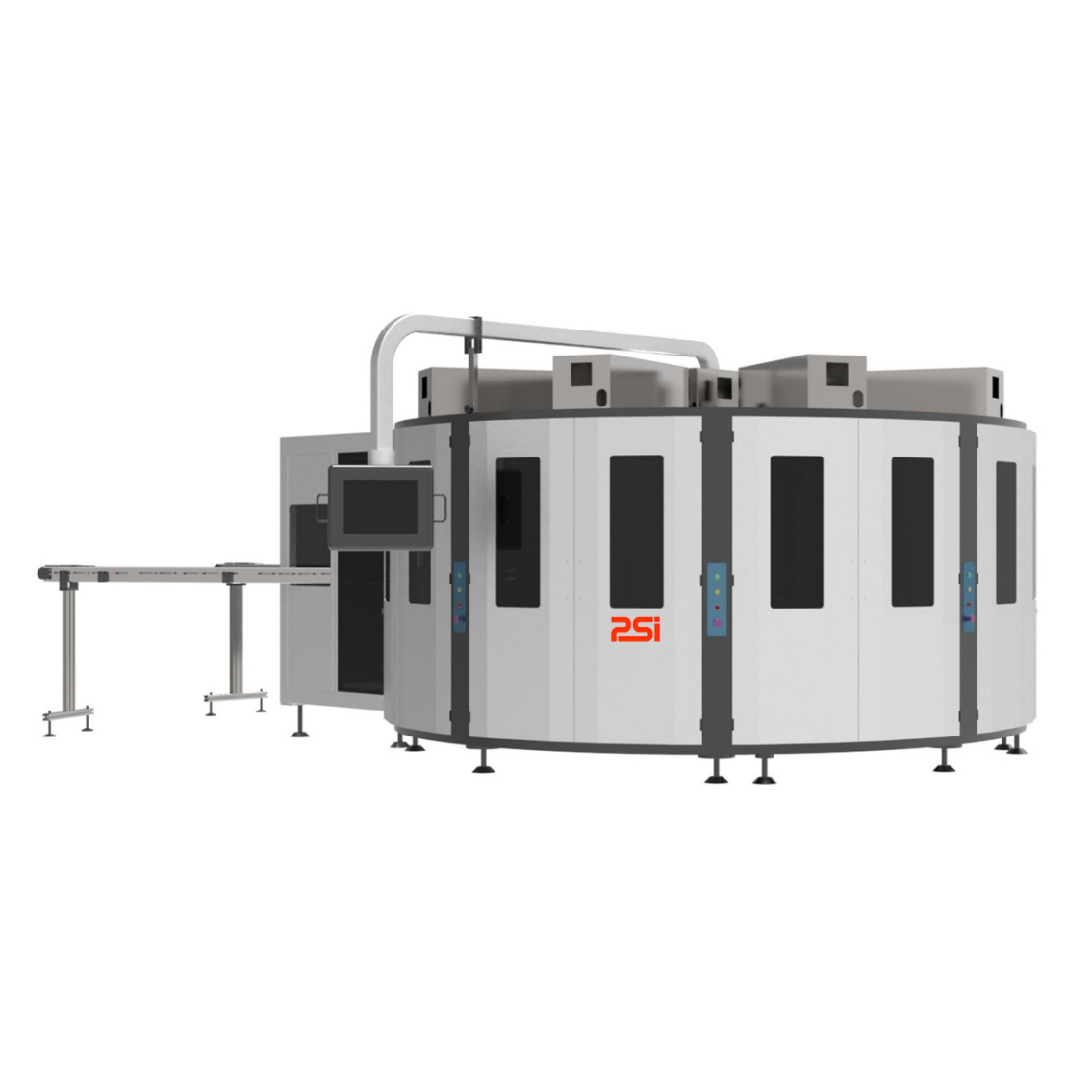
Consumer brands today demand shorter runs, faster turnarounds, and highly customized packaging at volumes that conventional printing simply cannot serve efficiently. A digital inkjet printing machine eliminates the need for printing plates and lengthy setup processes, enabling producers to respond to those demands without absorbing prohibitive costs. As a result, investment in digital inkjet printing machine technology is not just a production upgrade — it is a strategic repositioning that helps packaging producers remain relevant in a market defined by speed and personalization.
One of the most compelling reasons packaging producers are directing capital toward a digital inkjet printing machine is the fundamental shift in cost structure it enables. Traditional offset and flexographic printing carry high fixed costs tied to plate creation, setup labor, and minimum run quantities. A digital inkjet printing machine removes these fixed costs almost entirely, converting them into variable costs that scale directly with actual production volume. This means producers can accept short-run orders profitably — something that was economically impractical before a digital inkjet printing machine became available at production-grade speeds.
For producers serving fast-moving consumer goods brands, beverage companies, or pharmaceutical clients, the ability to run small batches without financial penalty is a direct revenue opportunity. A digital inkjet printing machine allows a single production line to handle dozens of SKUs in one shift, where a conventional press would require hours of changeover. The economics strongly favor investment in a digital inkjet printing machine for any producer whose client base demands variety and responsiveness over raw volume.
Beyond cost, a digital inkjet printing machine provides a measurable competitive advantage in turnaround speed. When a brand needs seasonal packaging, a limited-edition label, or an urgent compliance update, a digital inkjet printing machine can go from artwork approval to finished output in a fraction of the time a conventional press requires. Producers equipped with a digital inkjet printing machine can offer clients guaranteed rapid turnarounds that competitors relying on older technology simply cannot match. This speed advantage translates directly into stronger client retention and the ability to attract premium-margin business.
Early concerns about whether a digital inkjet printing machine could match the print quality of offset or gravure printing have largely been resolved. Modern digital inkjet printing machine systems deliver high-resolution output with accurate color reproduction, fine detail rendering, and consistent results across long production runs. Packaging producers investing in a digital inkjet printing machine today are acquiring technology that meets or exceeds the quality benchmarks their brand clients require. The gap that once existed between digital and conventional print quality is no longer a barrier to investment.
Substrate versatility is another technology driver pushing producers toward a digital inkjet printing machine. Contemporary digital inkjet printing machine platforms handle a wide range of materials including films, foils, papers, and specialty substrates without requiring the reformulation or tooling changes that conventional systems demand. A producer running a digital inkjet printing machine gains the flexibility to serve multiple packaging segments — from food-grade flexible film to pressure-sensitive labels — on a single platform, improving asset utilization and reducing the need for multiple dedicated presses.
A digital inkjet printing machine integrates naturally into digital-first production workflows, connecting directly with design software, MIS systems, and variable data engines. This integration capability is a major investment driver because it allows packaging producers to offer versioning, serialization, and personalized packaging at scale. A digital inkjet printing machine can print unique QR codes, sequential numbering, and regionally tailored content within a single production run without any interruption. As brand owners increasingly request track-and-trace functionality and targeted packaging content, a digital inkjet printing machine becomes an essential infrastructure component rather than an optional upgrade.
Brand owners are demanding more from their packaging supply chain partners, and a digital inkjet printing machine positions producers to meet those expectations directly. Faster time-to-market, reduced inventory waste, and the ability to test new packaging concepts economically are all deliverables that a digital inkjet printing machine makes possible. Producers who cannot offer these capabilities risk losing contracts to competitors who have made the investment. The commercial pressure from brand owners is one of the strongest non-technical forces driving digital inkjet printing machine adoption across the packaging sector.
Sustainability considerations are also reinforcing investment decisions around a digital inkjet printing machine. Conventional printing often results in significant waste from plate preparation, startup spoilage, and overprinting to meet minimum run requirements. A digital inkjet printing machine dramatically reduces startup waste and enables just-in-time production, meaning less material is printed and stored unnecessarily. For producers under pressure from clients and regulators to reduce their environmental footprint, a digital inkjet printing machine offers a credible and measurable improvement over conventional processes. The combination of reduced ink waste, lower energy consumption per job, and the elimination of chemical-intensive plate processing makes a digital inkjet printing machine an attractive choice from a sustainability standpoint as well.
A digital inkjet printing machine is particularly well suited for short-run and medium-run packaging applications including labels, flexible packaging, folding cartons, and corrugated displays. It performs best where variety, personalization, or rapid changeover are required, making it ideal for food, beverage, health, and consumer goods packaging segments.
A digital inkjet printing machine offers significant advantages over flexographic printing for short runs and variable content jobs because it requires no plates and minimal setup time. Flexographic printing remains cost-competitive at very high volumes with repeat designs, but a digital inkjet printing machine outperforms it in flexibility, speed to market, and the ability to handle versioned or personalized output economically.
Yes, for smaller packaging producers serving clients with diverse SKU requirements, a digital inkjet printing machine can be financially justified because it enables profitable short-run production and reduces dependency on minimum order thresholds. The elimination of plate costs and the ability to bill for fast-turnaround premium services allow smaller producers to improve margins and compete effectively against larger conventional printers.
 EN
EN
 AR
AR FR
FR DE
DE HI
HI IT
IT JA
JA KO
KO PT
PT RU
RU ES
ES IW
IW ID
ID VI
VI TH
TH TR
TR FA
FA
 Hot News