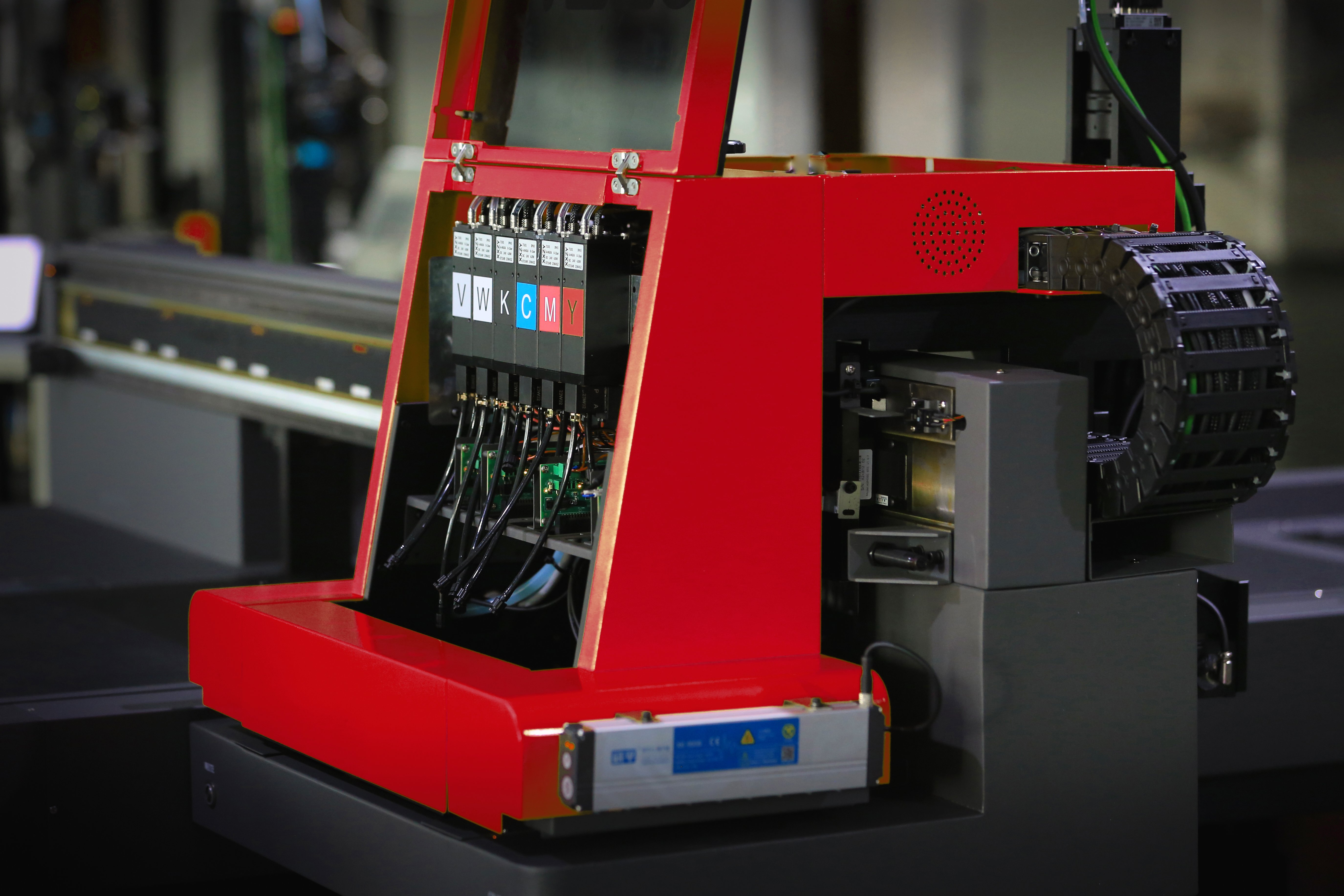
In today's manufacturing landscape, staying competitive means more than cutting costs — it means investing in the right production technology. A digital inkjet printing machine is no longer a luxury reserved for high-volume print houses. It has become a core operational asset that directly influences output quality, turnaround speed, and a manufacturer's ability to meet increasingly complex client demands. Companies that delay upgrading their digital inkjet printing machine risk falling behind competitors who already benefit from modern print precision and workflow efficiency.
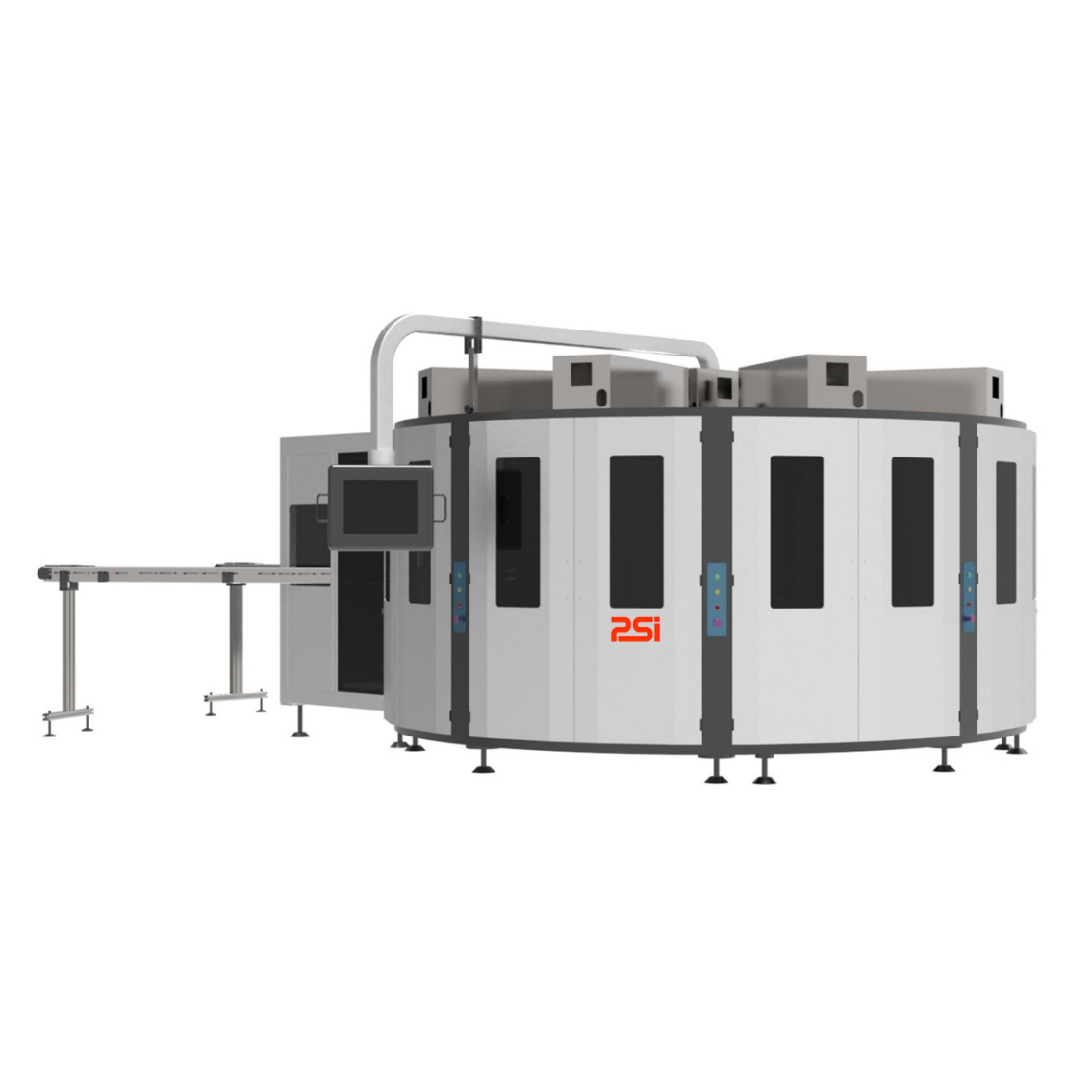
The decision to upgrade a digital inkjet printing machine is not simply about acquiring newer hardware. It reflects a strategic shift in how a manufacturing business positions itself for growth, responsiveness, and consistent quality output. Whether a facility runs textiles, packaging, labels, or industrial substrates, the capabilities embedded in a modern digital inkjet printing machine determine how quickly and accurately a production team can respond to market changes. Understanding why these upgrades matter is essential for any manufacturer serious about maintaining a competitive edge.
Many manufacturers continue operating older print systems because the upfront investment of an upgrade seems significant. However, the hidden costs of running a legacy digital inkjet printing machine often exceed the investment required to replace it. Older systems consume more ink per print cycle, require more frequent maintenance interventions, and produce inconsistent color output that increases material waste. Every hour a digital inkjet printing machine sits idle for repairs is an hour of lost production capacity.
Beyond direct operational costs, outdated digital inkjet printing machine models struggle to meet modern substrate compatibility requirements. As client orders become more diverse — spanning different fabric weights, coatings, and surface textures — older equipment simply cannot adapt. This forces manufacturers to either reject orders or outsource specialty work, both of which reduce profitability and weaken customer relationships. A modern digital inkjet printing machine resolves these limitations by offering broader material compatibility from the outset.
Print quality is a direct reflection of manufacturing reliability. When a digital inkjet printing machine produces color banding, registration errors, or inconsistent saturation, the effects reach far beyond a single rejected batch. Clients associate print defects with systemic quality failures, and in competitive B2B markets, repeated quality issues lead to contract losses. Upgrading to a high-resolution digital inkjet printing machine eliminates many of these defects by delivering more precise droplet placement and tighter ink control.
One of the most measurable benefits of upgrading a digital inkjet printing machine is the significant improvement in print speed. Modern systems are engineered to handle higher print heads per row, enabling faster single-pass printing without sacrificing resolution. For manufacturers operating on tight delivery schedules, a digital inkjet printing machine capable of higher throughput directly translates into more orders fulfilled per shift. This operational advantage compounds over time, allowing facilities to scale production without proportionally increasing labor costs.
Speed gains from a new digital inkjet printing machine also support shorter lead times — a critical differentiator in industries where buyers expect rapid turnaround. When a manufacturer can promise and consistently deliver faster production cycles, that reliability becomes a sales argument in itself. Upgrading the digital inkjet printing machine is therefore not just a production decision but a commercial positioning decision that affects how the business competes for new contracts.
Modern digital inkjet printing machine systems offer substantially improved color management tools, including advanced ICC profile support and real-time ink density calibration. These features allow operators to achieve color accuracy across long print runs, which is essential for brand-sensitive clients in sectors like packaging, fashion, and promotional materials. A well-calibrated digital inkjet printing machine reduces the number of test prints needed before a production run, saving both time and ink.
Substrate flexibility is another critical dimension of modern digital inkjet printing machine design. Upgraded systems can handle a far wider range of materials — from stretch knits and woven fabrics to rigid industrial substrates — without requiring manual setting changes between each job. This adaptability makes a digital inkjet printing machine a more versatile production tool, capable of serving multiple client segments with a single machine configuration. For manufacturers looking to diversify their service offerings, this flexibility is a significant strategic advantage.
A modern digital inkjet printing machine is engineered with more robust component architecture than legacy systems. Upgraded print heads, improved media transport mechanisms, and smarter onboard diagnostics all contribute to higher uptime rates and more predictable maintenance schedules. For manufacturers running continuous or near-continuous production shifts, reducing unplanned downtime on a digital inkjet printing machine directly protects revenue and delivery commitments. Operational reliability is a competitive asset that clients increasingly factor into supplier selection.
Long-term support availability is another strategic consideration. As a digital inkjet printing machine ages beyond its supported lifecycle, sourcing replacement parts and firmware updates becomes increasingly difficult. Upgrading before a system reaches that point ensures that the digital inkjet printing machine remains supported, serviceable, and compatible with evolving ink formulations and software platforms. Manufacturers who plan upgrade cycles proactively avoid the disruption of emergency replacements.
Modern digital inkjet printing machine platforms are designed with lower ink waste, reduced energy consumption, and compatibility with water-based and eco-certified inks. For manufacturers operating under environmental compliance frameworks or serving clients with green supply chain mandates, a current-generation digital inkjet printing machine supports those requirements more effectively than older models. Upgrading is therefore aligned with both regulatory readiness and corporate sustainability positioning.
The ability of a digital inkjet printing machine to use sustainable ink systems also opens access to new market segments where eco-compliance is a purchasing prerequisite. Manufacturers equipped with a compliant digital inkjet printing machine can bid for contracts in sectors like sustainable fashion, organic packaging, and regulated industrial labeling that would otherwise be inaccessible. This strategic market expansion justifies upgrade investment beyond pure production efficiency arguments.
Most manufacturers should evaluate their digital inkjet printing machine every five to seven years, or sooner if the system shows signs of declining output quality, increasing maintenance frequency, or incompatibility with new client substrate requirements. Proactive upgrade planning avoids emergency replacements and allows for budget-managed transitions that minimize production disruption.
Key indicators include rising ink consumption per unit of output, increasing downtime frequency, recurring color inconsistency issues, and growing rejection rates on finished print runs. When a digital inkjet printing machine consistently underperforms on these metrics despite regular maintenance, the cost of continued operation typically exceeds the cost of upgrading to a modern system.
Yes. A modern digital inkjet printing machine enables faster turnaround, broader substrate compatibility, and higher print quality — all of which are factors that B2B clients evaluate when selecting production partners. Manufacturers equipped with upgraded digital inkjet printing machine technology are better positioned to meet client specifications, pass quality audits, and compete for higher-value contracts in demanding sectors.
 EN
EN
 AR
AR FR
FR DE
DE HI
HI IT
IT JA
JA KO
KO PT
PT RU
RU ES
ES IW
IW ID
ID VI
VI TH
TH TR
TR FA
FA
 Hot News