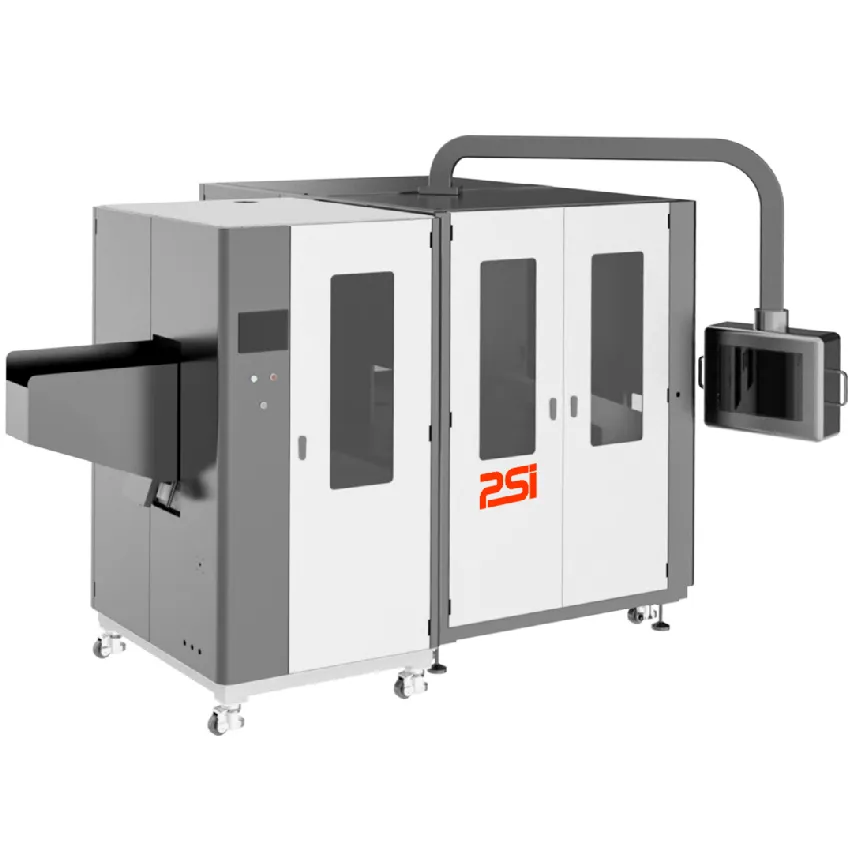
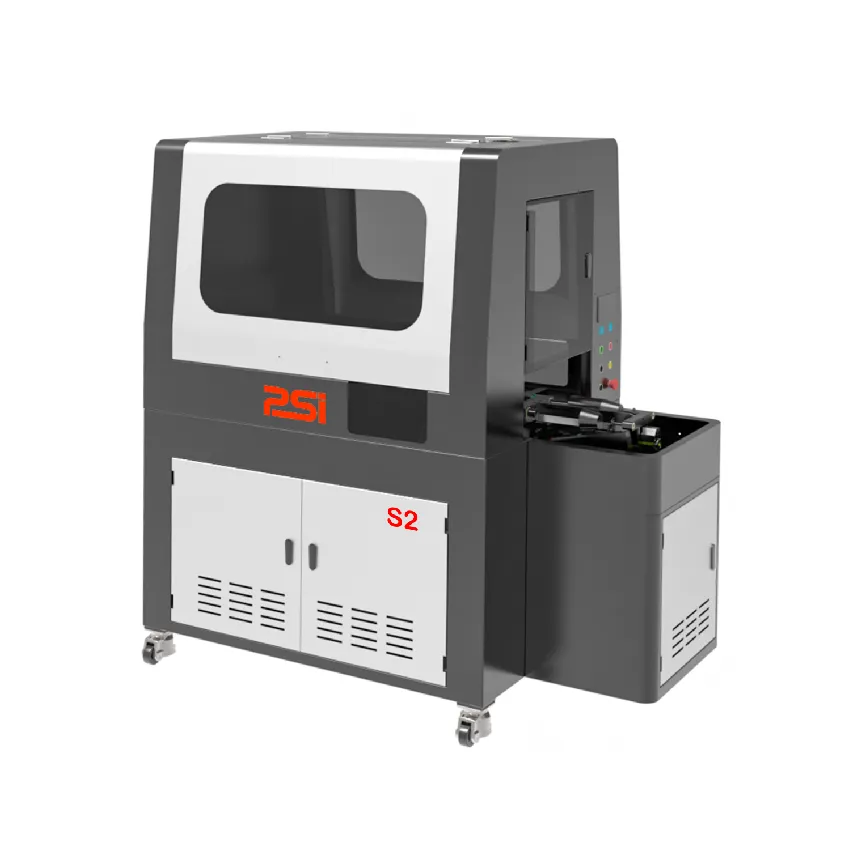
Advanced Substrate Versatility and Precision Control
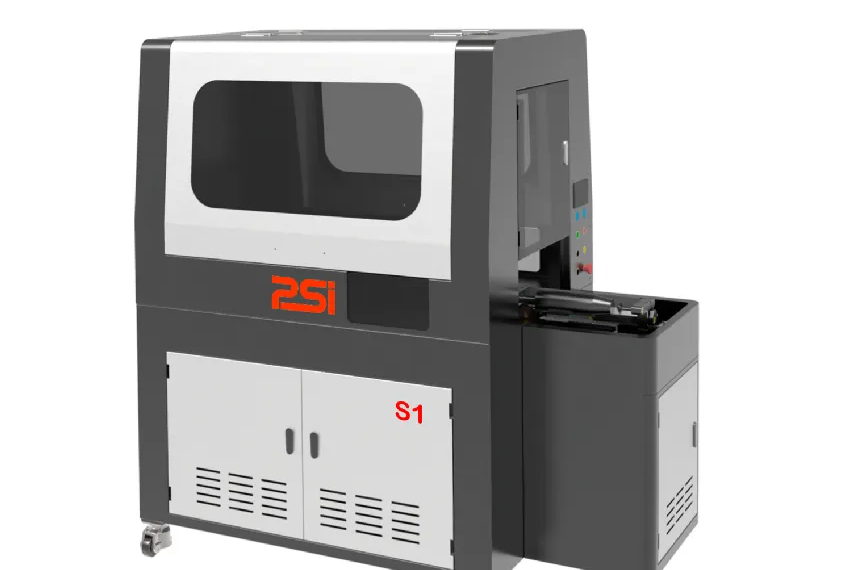
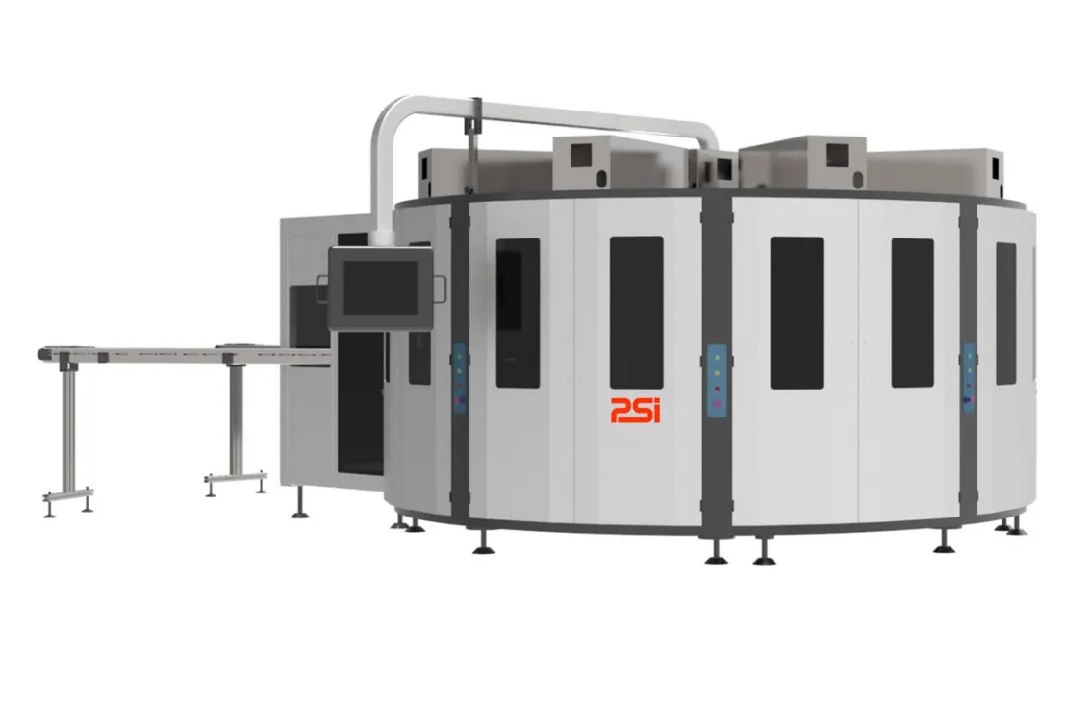
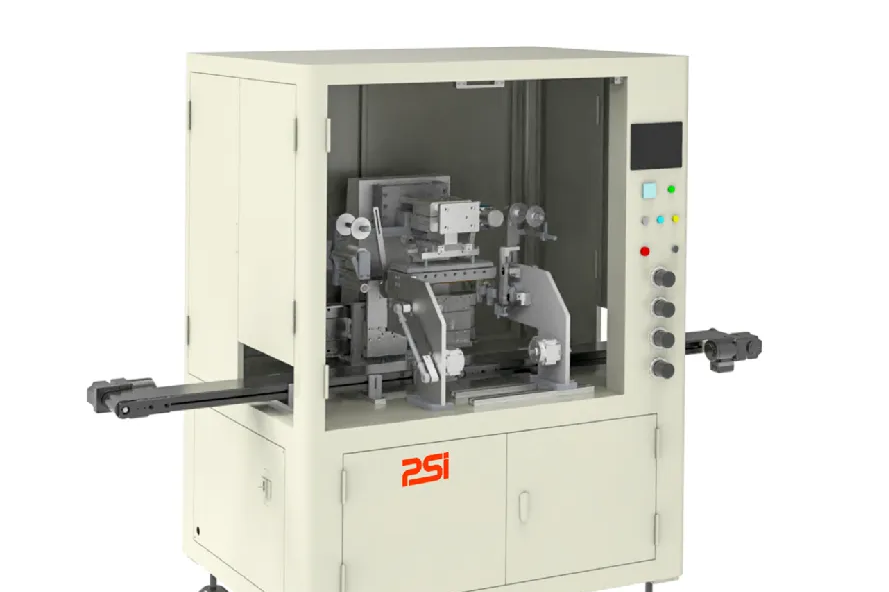
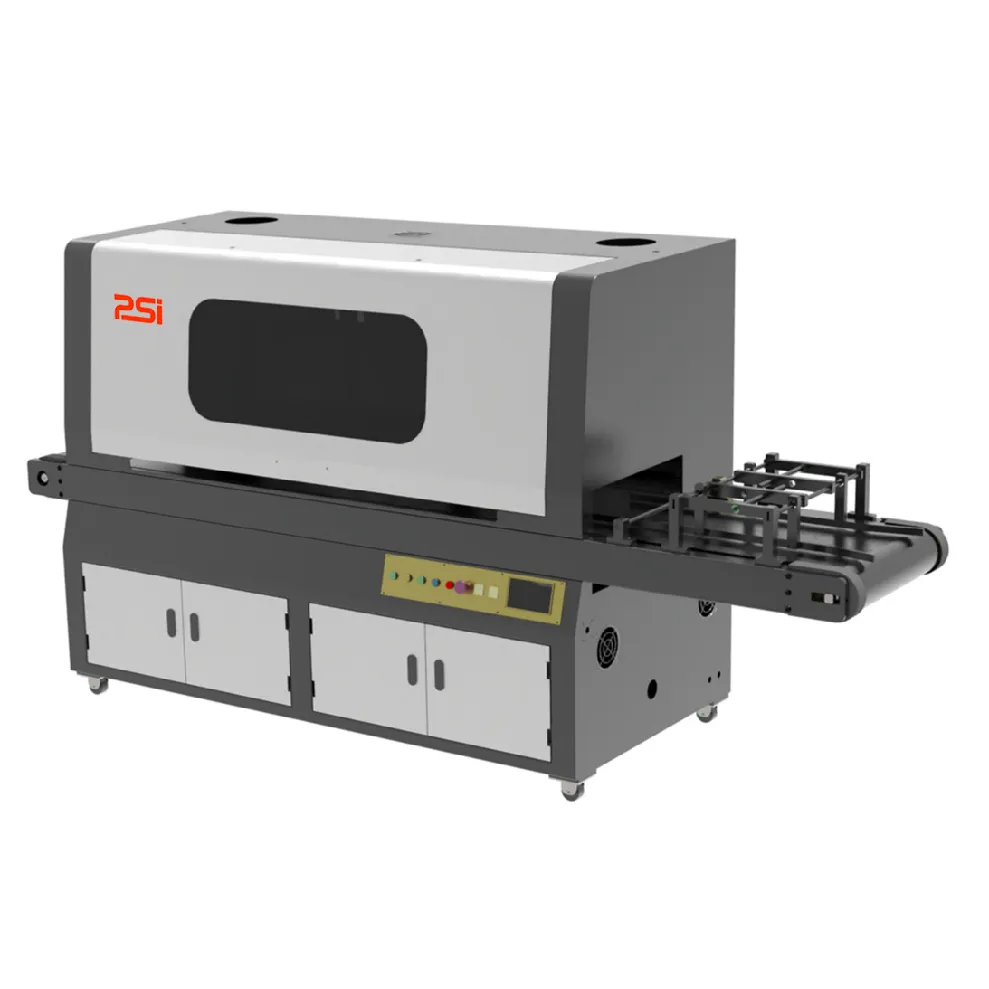
The exceptional substrate versatility of the 2 color pad printer establishes it as an indispensable tool for manufacturers working with diverse materials and complex geometric shapes that challenge conventional printing technologies. This advanced printing system demonstrates remarkable adaptability across an extensive range of substrate materials, including metals, plastics, ceramics, glass, rubber, and composite materials, making it invaluable for industries spanning automotive, electronics, medical devices, and consumer products. The precision control mechanisms integrated into the 2 color pad printer ensure consistent print quality regardless of substrate characteristics, surface textures, or geometric complexity. The silicone pad technology at the heart of the 2 color pad printer provides exceptional conformability, allowing the printing medium to adapt seamlessly to curved surfaces, recessed areas, and irregular contours while maintaining uniform ink transfer across the entire printed area. This flexibility proves particularly valuable for manufacturers producing three-dimensional objects, components with complex geometries, or products featuring textured surfaces that would be impossible to print using traditional flat-bed printing methods. The 2 color pad printer incorporates sophisticated pressure control systems that automatically adjust printing force based on substrate characteristics, ensuring optimal ink adhesion without damaging delicate materials or compromising surface finishes. Temperature control features enable successful printing on heat-sensitive materials while maintaining ink flow characteristics and curing properties essential for durable, long-lasting prints. The positioning accuracy of the 2 color pad printer reaches tolerances measured in hundredths of millimeters, enabling precise placement of logos, text, and decorative elements on small components and intricate assemblies. This precision capability proves essential for applications requiring exact registration between multiple colors or precise alignment with existing product features. The 2 color pad printer technology accommodates substrates ranging from microscopic electronic components to large automotive panels, providing manufacturers with unprecedented flexibility in their production capabilities while maintaining consistent quality standards across all applications and material types.
 EN
EN
 AR
AR FR
FR DE
DE HI
HI IT
IT JA
JA KO
KO PT
PT RU
RU ES
ES IW
IW ID
ID VI
VI TH
TH TR
TR FA
FA