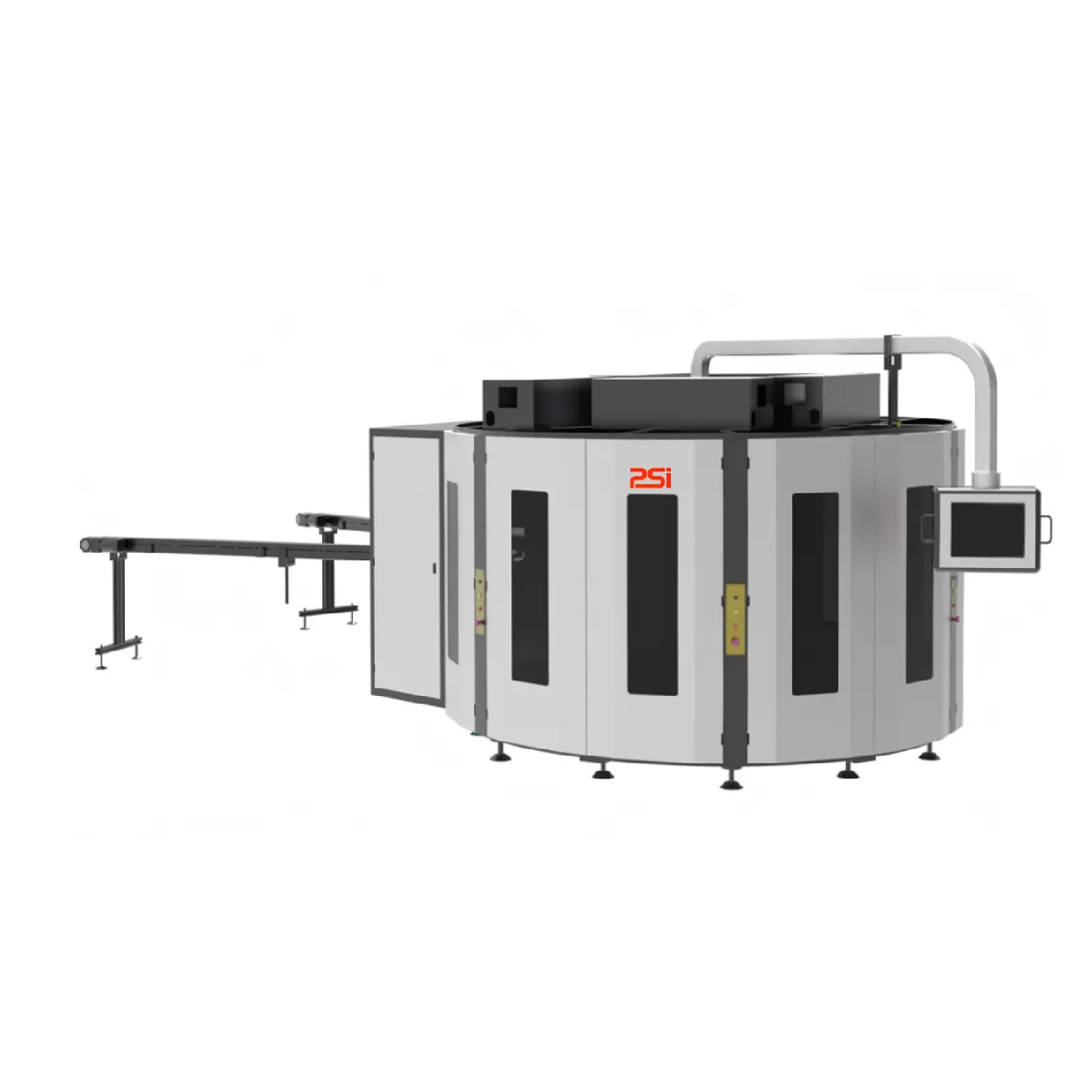
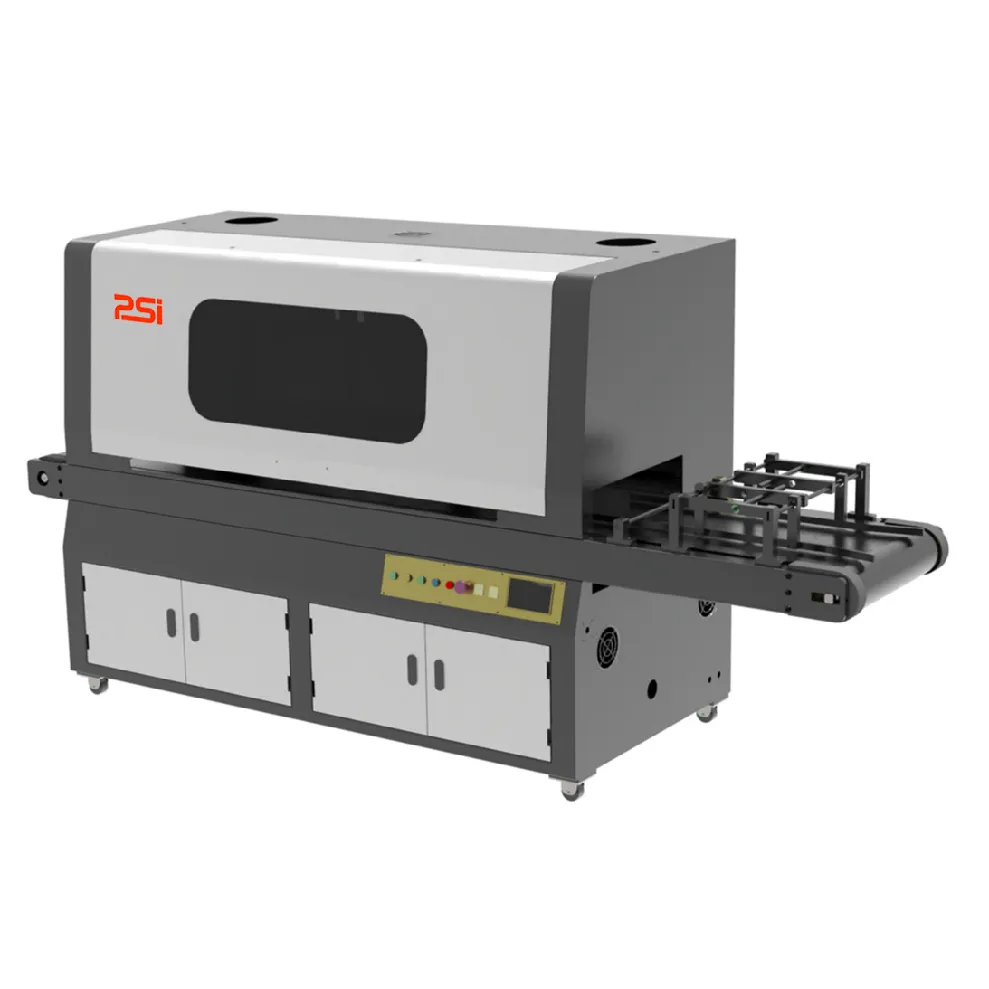
pad printing equipment
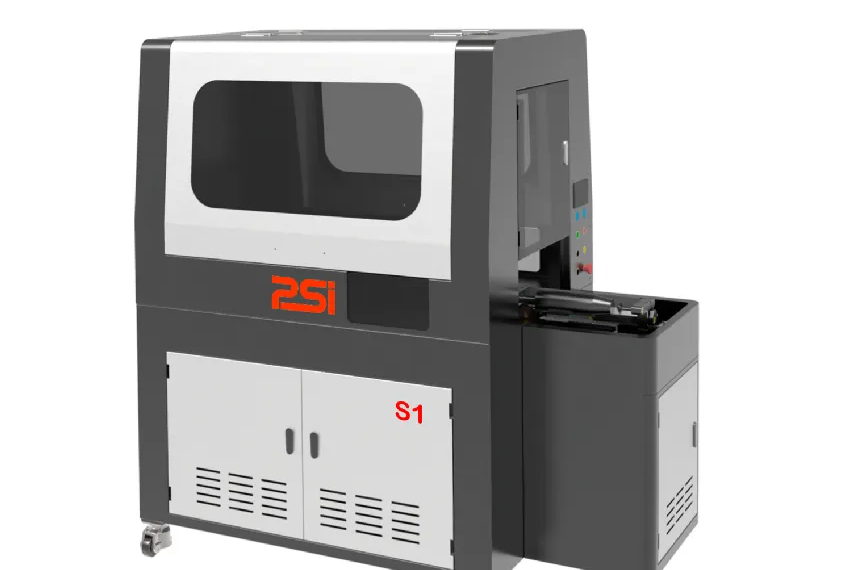
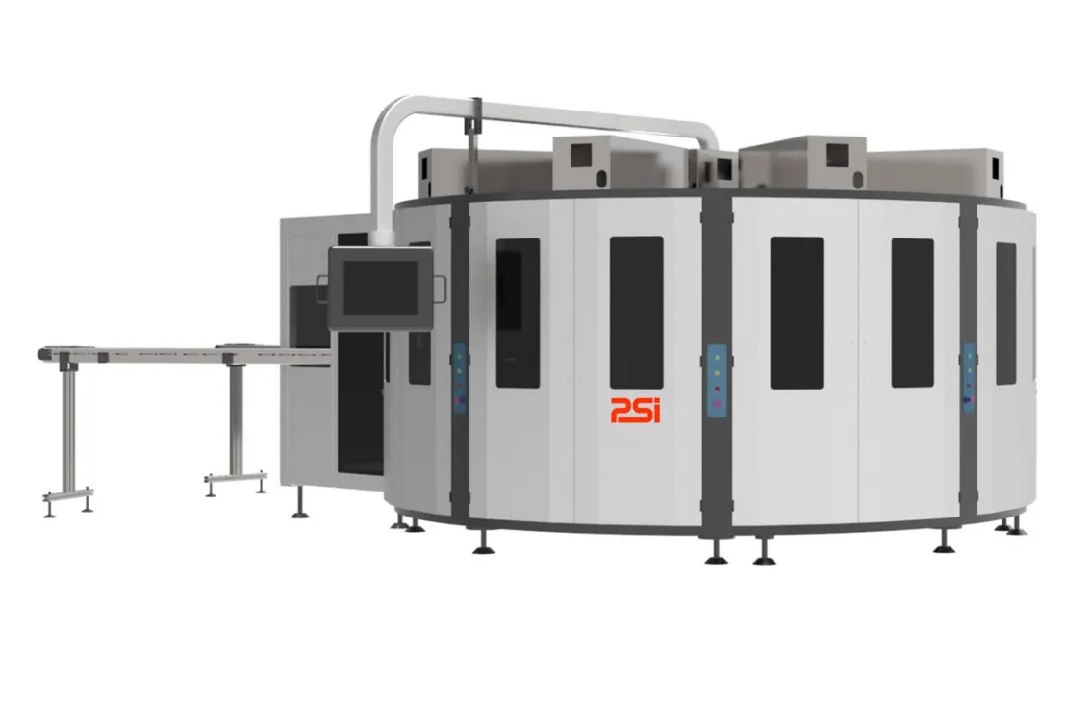
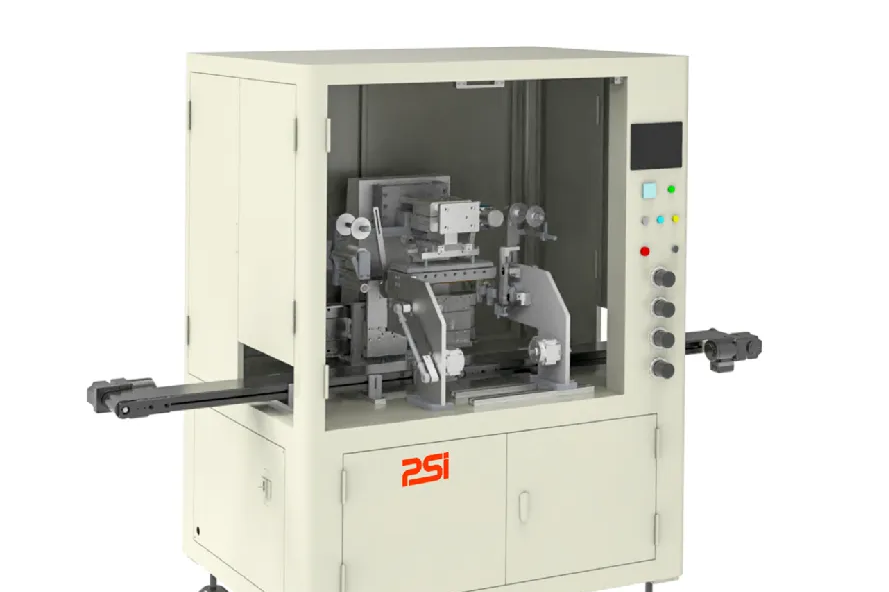
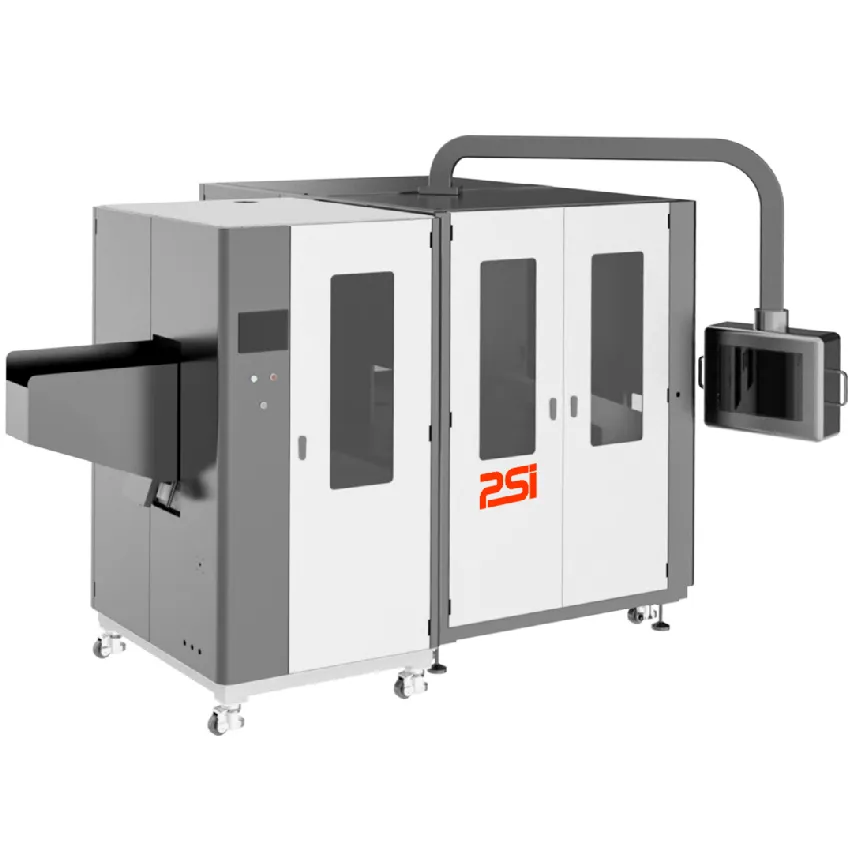
Pad printing equipment represents a versatile and sophisticated printing technology that excels in transferring ink patterns onto irregular, curved, textured, or delicate surfaces with exceptional precision. This innovative printing system utilizes a unique indirect printing process involving a silicone pad that acts as a flexible transfer medium between the etched printing plate and the target substrate. The pad printing equipment consists of several critical components including an etched cliché plate, an ink cup or open ink trough system, a precisely engineered silicone printing pad, and automated positioning mechanisms that ensure consistent placement and pressure during the printing operation. The technological foundation of pad printing equipment relies on the remarkable properties of silicone rubber pads, which demonstrate exceptional flexibility and surface tension characteristics that enable them to conform to complex three-dimensional surfaces while maintaining sharp image definition. Modern pad printing equipment incorporates advanced servo motor systems for precise pad positioning, pneumatic or electric ink cup movements, and sophisticated control panels that allow operators to adjust printing parameters including pad pressure, printing speed, ink volume, and cycle timing. The versatility of pad printing equipment extends across numerous industries, making it indispensable for decorating products such as automotive components, electronic devices, medical instruments, promotional items, toys, and industrial parts that require permanent marking or decorative graphics. The equipment handles various ink formulations including solvent-based, water-based, UV-curable, and specialty inks designed for specific substrate materials like plastics, metals, glass, ceramics, and rubber compounds. Advanced pad printing equipment models feature multiple color stations that enable multi-color printing in a single pass, automated loading and unloading systems for high-volume production, and integrated quality control systems with vision inspection capabilities that detect printing defects and ensure consistent output quality throughout extended production runs.
 EN
EN
 AR
AR FR
FR DE
DE HI
HI IT
IT JA
JA KO
KO PT
PT RU
RU ES
ES IW
IW ID
ID VI
VI TH
TH TR
TR FA
FA