cnc screen printing
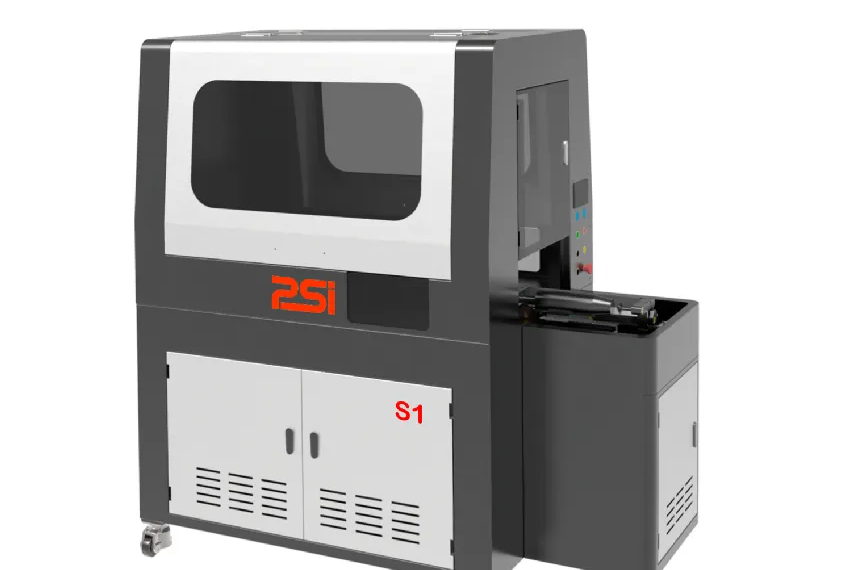
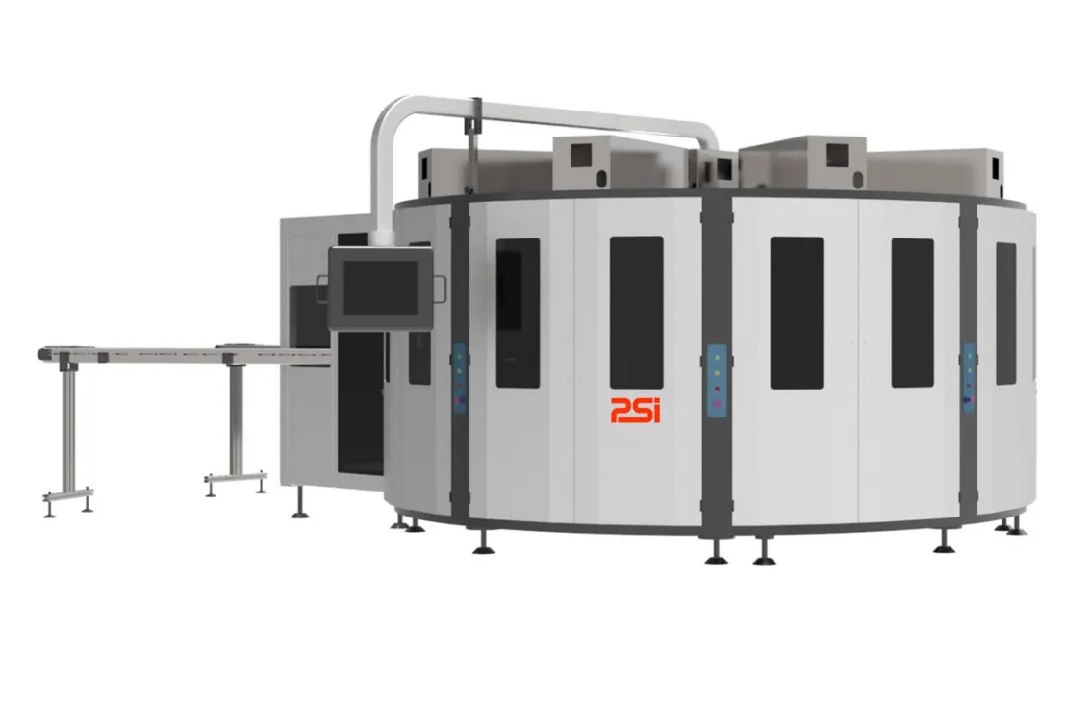
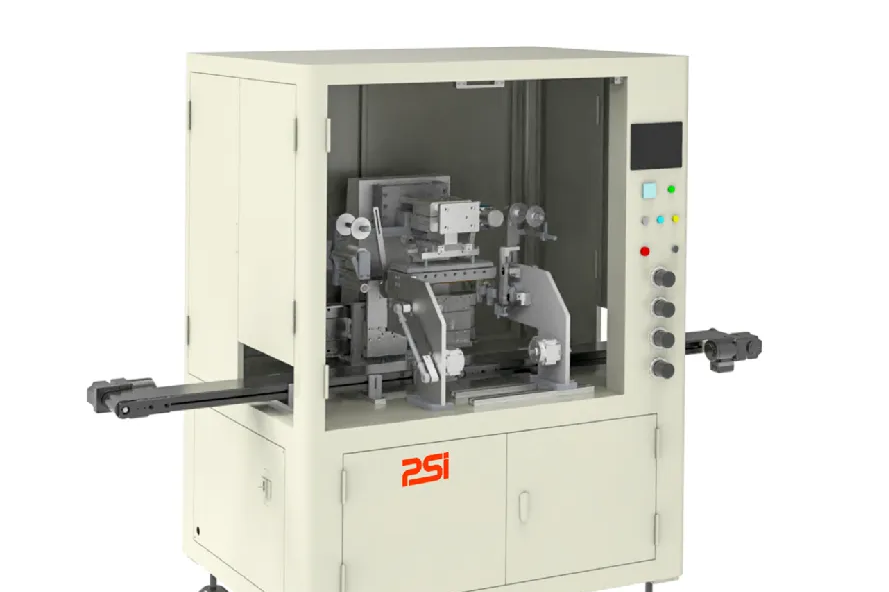
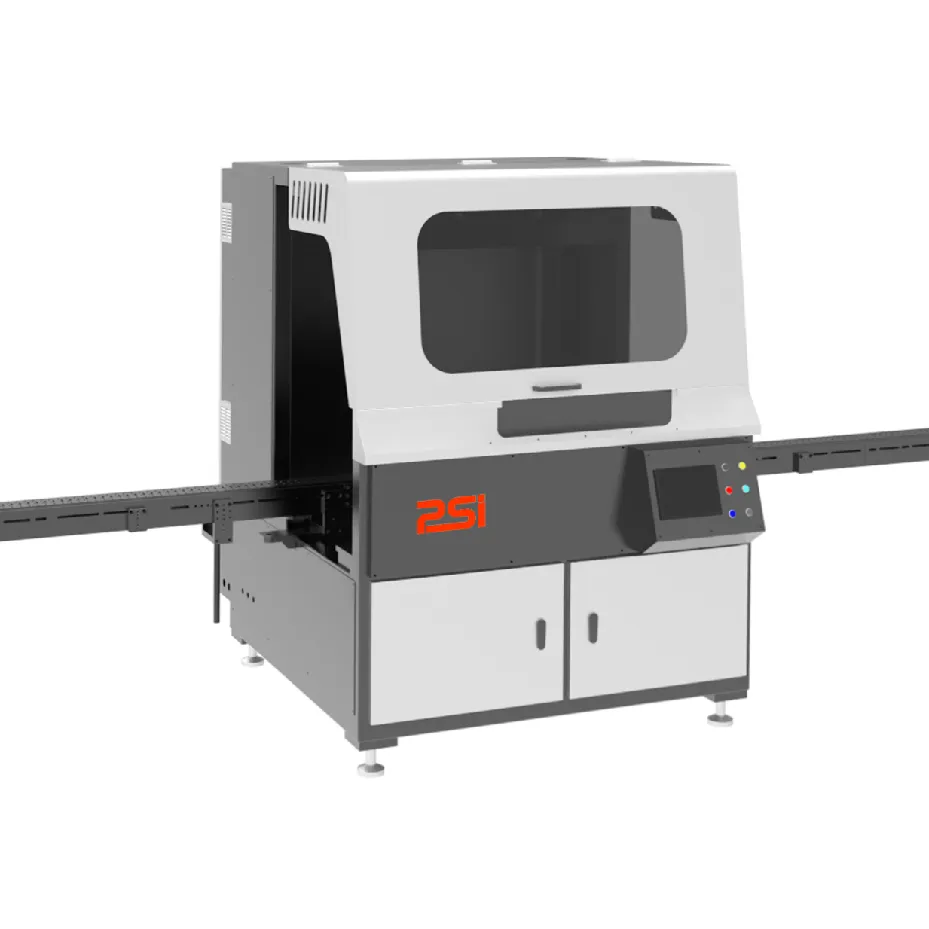
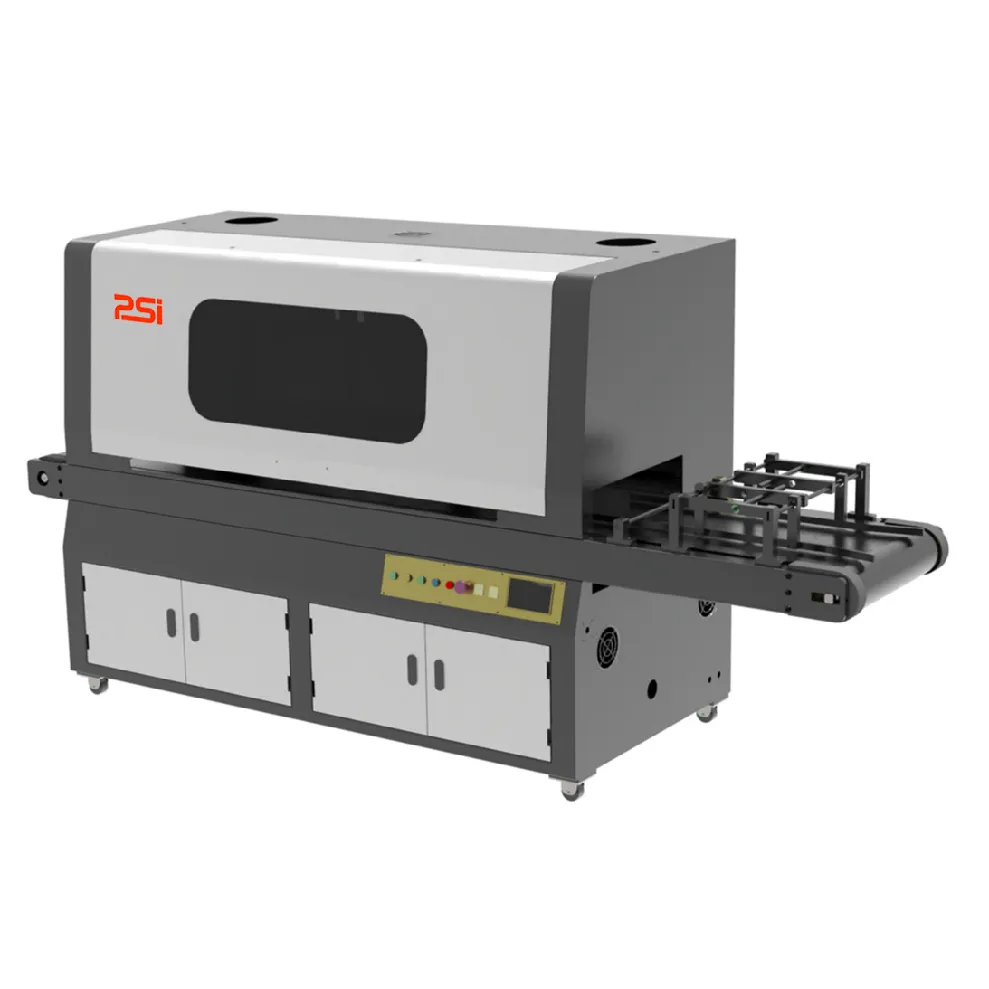
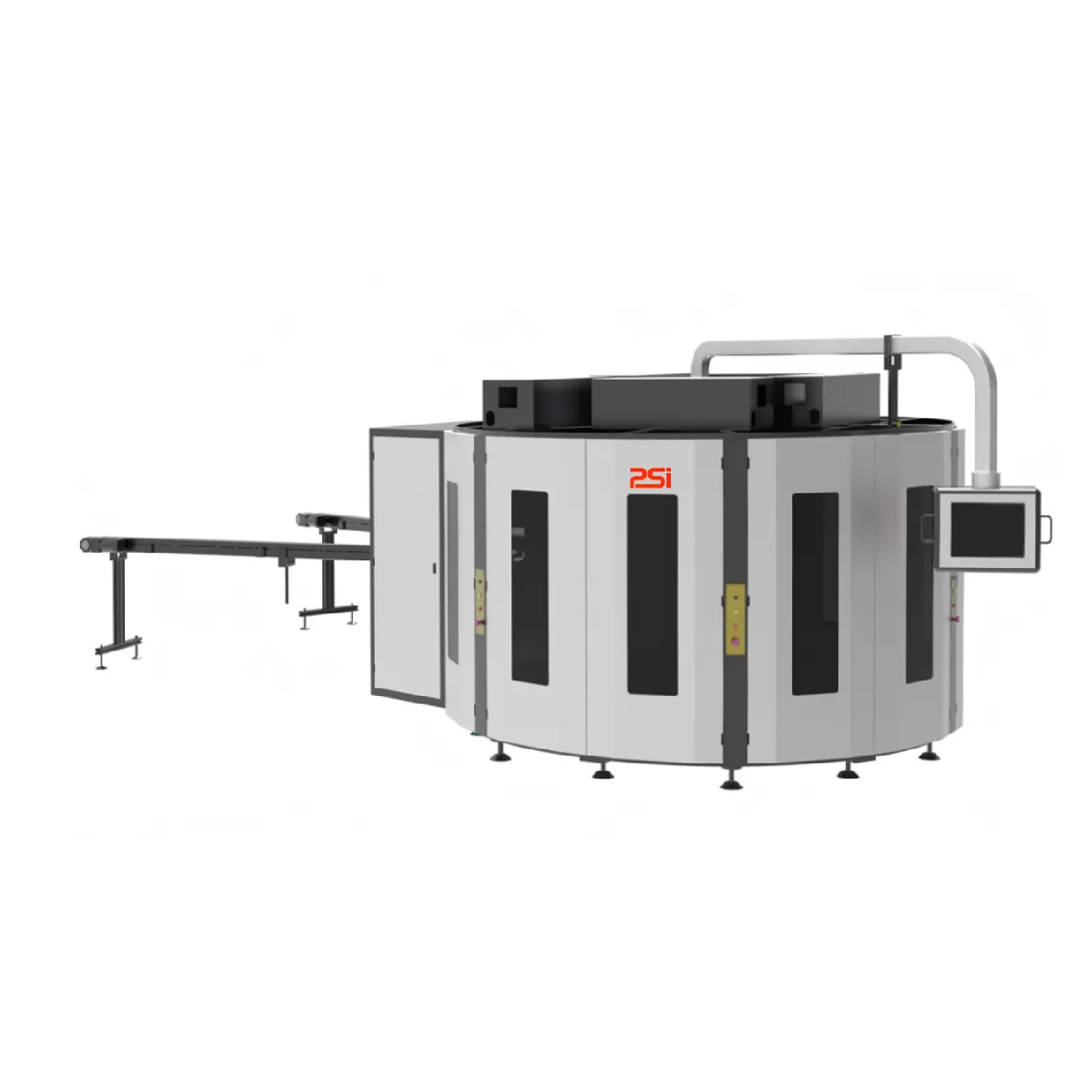
CNC screen printing represents a revolutionary advancement in modern printing technology, combining computer numerical control precision with traditional screen printing methods. This sophisticated system utilizes automated machinery controlled by computer programs to deliver exceptional accuracy and consistency in printing operations. The cnc screen printing process involves digitally controlled movements that position substrates, apply ink through mesh screens, and manage curing cycles with remarkable precision. The main functions of cnc screen printing encompass automated substrate handling, precise ink application, programmable printing parameters, and quality control monitoring. These systems can accommodate various substrate materials including textiles, plastics, metals, ceramics, and electronic components. The technological features of cnc screen printing include servo-driven positioning systems, programmable logic controllers, touchscreen interfaces, automatic registration systems, and integrated quality inspection cameras. Advanced sensors monitor printing pressure, ink viscosity, and substrate alignment throughout the production process. The applications for cnc screen printing span multiple industries, from electronics manufacturing where circuit boards require precise conductor patterns, to textile production demanding consistent color application across large fabric runs. Automotive parts, signage, packaging materials, and promotional products all benefit from the capabilities of cnc screen printing systems. Medical device manufacturing relies on this technology for creating sterile, precise markings on instruments and implants. The aerospace industry utilizes cnc screen printing for component identification and functional coatings that must meet stringent quality standards. Solar panel production incorporates these systems for applying conductive pastes with microscopic precision. The technology enables manufacturers to achieve repeatable results while reducing material waste and labor costs, making it an essential tool for modern production environments where consistency and efficiency drive profitability.

 EN
EN
 AR
AR FR
FR DE
DE HI
HI IT
IT JA
JA KO
KO PT
PT RU
RU ES
ES IW
IW ID
ID VI
VI TH
TH TR
TR FA
FA