Best Automatic Screen Printing Machine: Advanced Technology for Professional Results

Contact me immediately if you encounter problems!

All Categories

best automatic screen printing machine

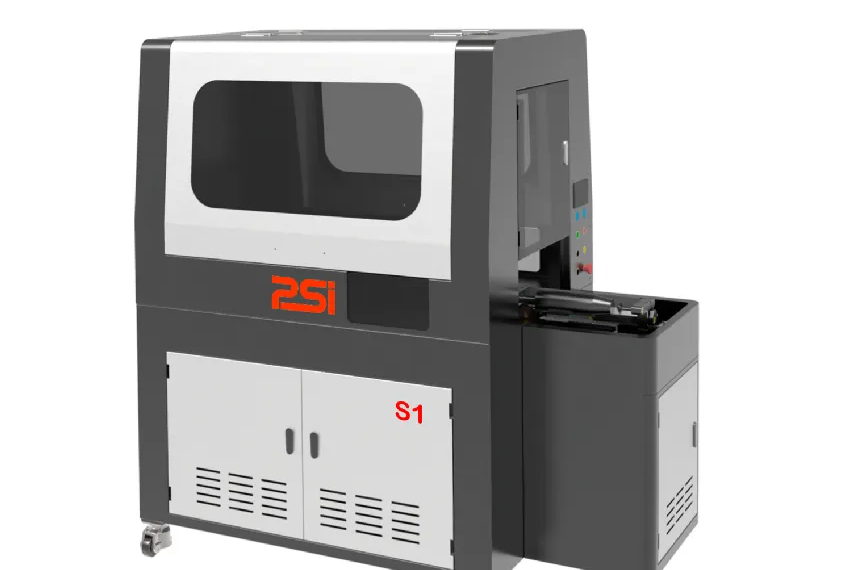
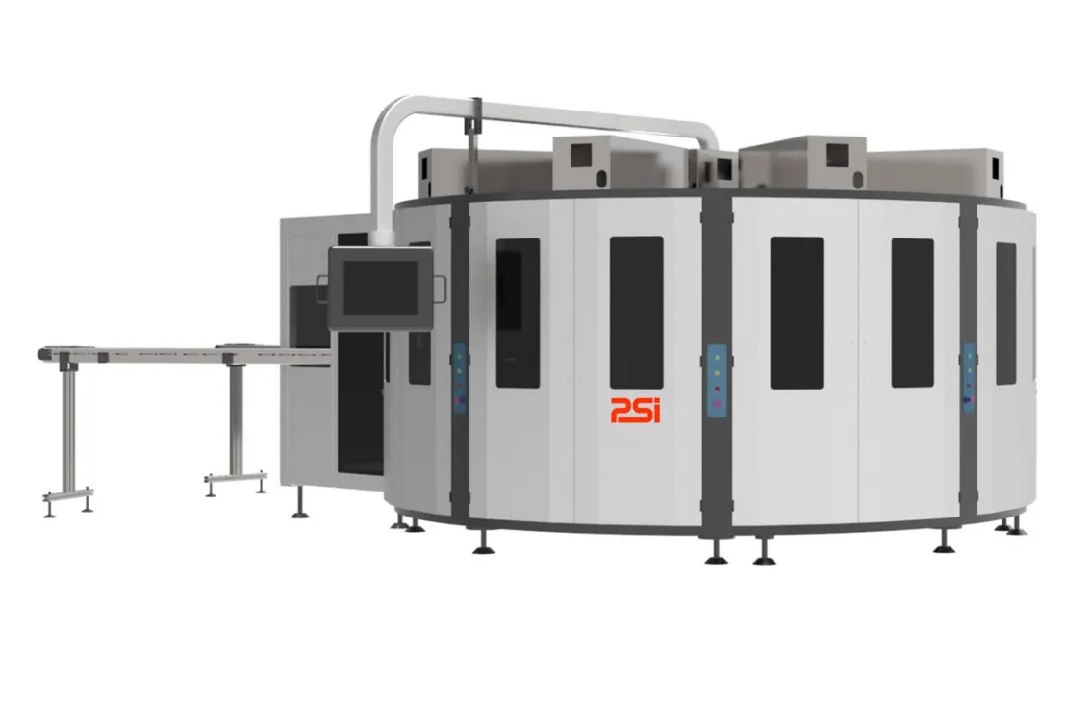
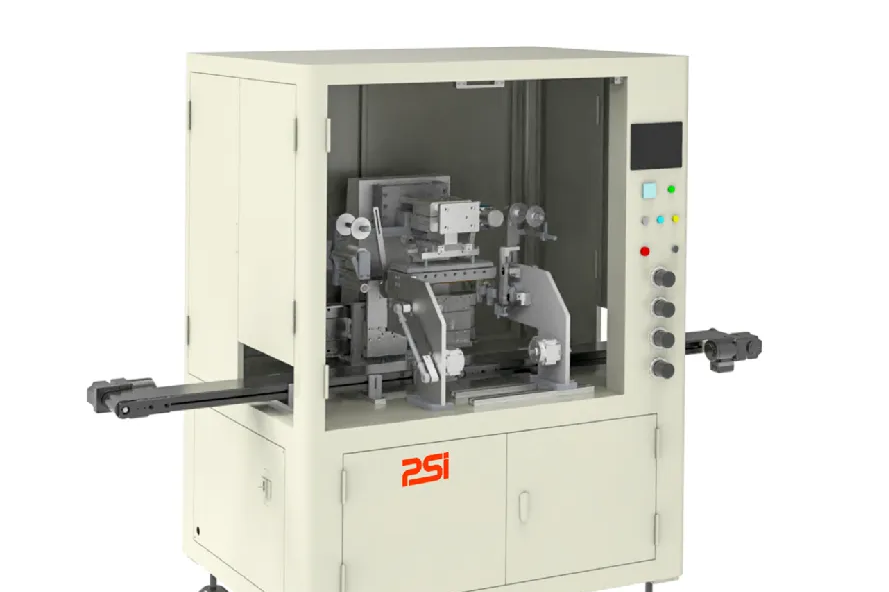
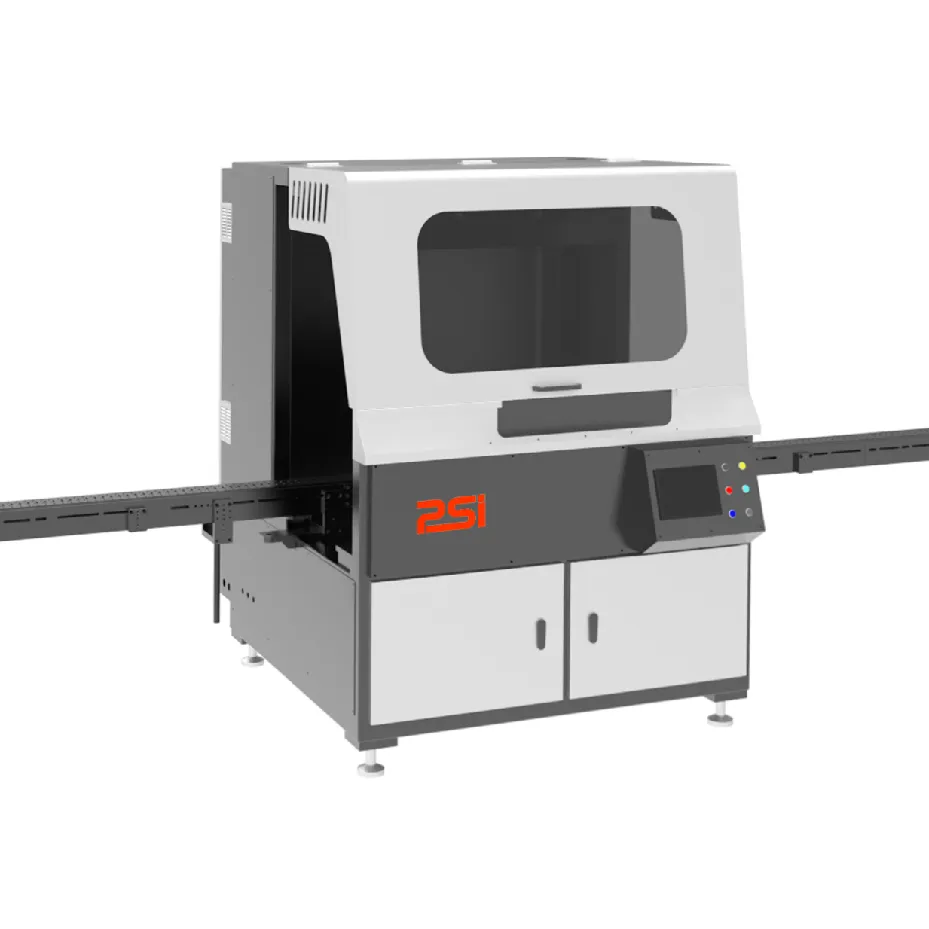
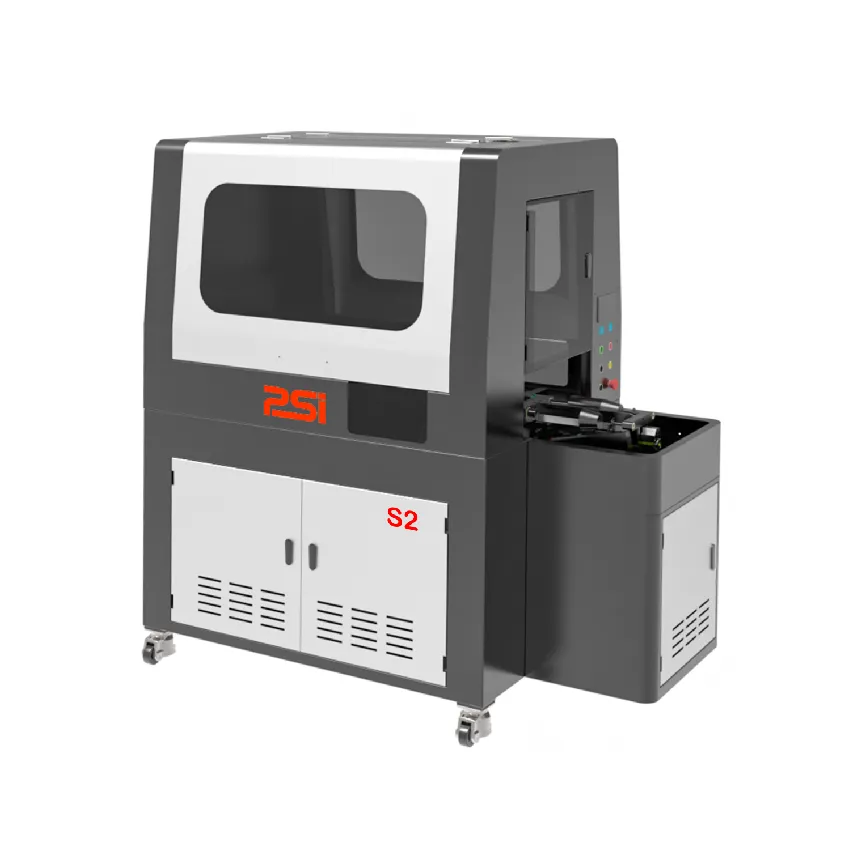
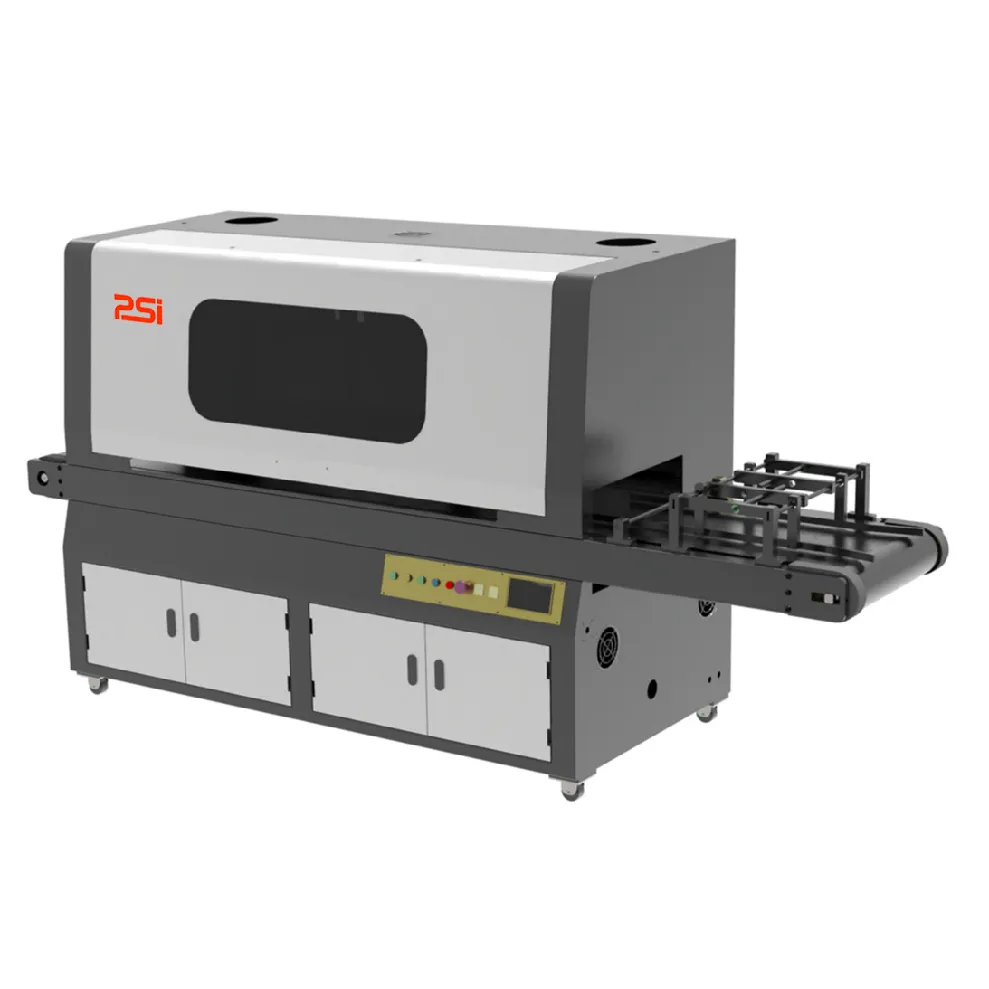
The best automatic screen printing machine represents the pinnacle of modern printing technology, combining precision engineering with user-friendly operation to deliver exceptional results across diverse applications. These sophisticated machines incorporate advanced automation systems that streamline the entire printing process, from setup to finished product delivery. The core functionality revolves around automated squeegee movement, precise registration systems, and programmable cycle controls that ensure consistent print quality while maximizing production efficiency. Modern automatic screen printing machines feature multi-color capabilities, allowing operators to produce complex designs with up to twelve or more colors in a single pass. The registration system utilizes micro-registration technology that maintains alignment accuracy within thousandths of an inch, ensuring perfect color registration even on the most intricate designs. Temperature control systems monitor and regulate curing processes, while pneumatic pressure controls deliver consistent squeegee pressure across the entire print area. Digital touch-screen interfaces provide intuitive operation, allowing operators to store job parameters, adjust settings in real-time, and monitor production statistics. The best automatic screen printing machine incorporates servo-driven mechanisms that provide smooth, precise movements while reducing mechanical wear and maintenance requirements. Advanced flood bar systems ensure even ink distribution, while programmable off-contact distances optimize print quality for various substrate thicknesses. These machines excel in textile printing, electronics manufacturing, signage production, and packaging applications. Quality control features include automatic substrate detection, misprint rejection systems, and real-time monitoring capabilities that identify potential issues before they affect production quality. Safety systems protect operators through emergency stops, light curtains, and enclosed printing areas that contain fumes and reduce noise levels.
New Products

Investing in the best automatic screen printing machine delivers immediate and long-term benefits that transform production capabilities and business profitability. Production speed increases dramatically, with modern machines capable of printing 1,200 to 3,600 pieces per hour depending on design complexity and substrate type. This represents a five to ten-fold improvement over manual printing methods, allowing businesses to fulfill larger orders within shorter timeframes and accept rush jobs that would otherwise be impossible. Labor costs decrease significantly as one operator can manage multiple machines simultaneously, reducing staffing requirements while maintaining higher output levels. The automated process eliminates human error factors that commonly occur in manual printing, such as inconsistent pressure application, misalignment, and timing variations. Quality consistency improves dramatically because the machine maintains identical parameters for every print cycle, ensuring uniform ink coverage, precise registration, and consistent color reproduction across entire production runs. Setup time reduces from hours to minutes through programmable job memory systems that store and recall all printing parameters instantly. Material waste decreases substantially because the precise control systems minimize test prints, setup waste, and rejected pieces due to quality issues. Energy efficiency gains result from optimized heating systems and reduced production time requirements, lowering overall operational costs. Versatility expands as these machines handle diverse substrates including textiles, plastics, metals, ceramics, and composites without requiring significant adjustments or additional equipment. Scalability becomes achievable as businesses can increase production capacity by adding more machines rather than hiring and training additional manual operators. Maintenance requirements decrease through advanced monitoring systems that predict service needs and prevent unexpected breakdowns. Return on investment typically occurs within twelve to eighteen months through increased productivity, reduced labor costs, and improved quality consistency. Customer satisfaction improves because deliveries become more reliable and product quality remains consistently high across all orders.

Latest News

Enhancing Your Brand's Impact with PSI's Cutting-Edge Inkjet Digital Printing Machines

27

Sep

Enhancing Your Brand's Impact with PSI's Cutting-Edge Inkjet Digital Printing Machines

In the domain of industrial digital printing, under the commonly used terminology of the PSI Company, high-quality inkjet digital printing machines have been successfully produced and introduced to a wide range of industries. The performance of the c...
View More
PSI Cutting-Edge Digital Inkjet and Screen Printing Machines

27

Sep

PSI Cutting-Edge Digital Inkjet and Screen Printing Machines

In today's fast-paced business environment, the impact of visual communication cannot be overstated. Brands are constantly seeking ways to stand out and connect with their audience through eye-catching designs and high-quality prints. PSI, a leading ...
View More
PSI Heat Transfer Machines:  in Customized Branding Solutions

27

Sep

PSI Heat Transfer Machines: in Customized Branding Solutions

In the realm of printing and branding, PSI  stands out as a beacon of innovation and excellence. Specializing in heat transfer machines, PSI  offers a range of products that cater to various industries, from textiles to plastics, ensuring t...
View More

Get a Free Quote

Our representative will contact you soon.
Email
Name
Company Name
Message
0/1000

best automatic screen printing machine

Advanced Multi-Color Registration System

Advanced Multi-Color Registration System

The best automatic screen printing machine features a revolutionary multi-color registration system that represents the most significant technological advancement in screen printing accuracy and efficiency. This sophisticated system utilizes precision servo motors and micro-adjustment capabilities that maintain color registration within plus or minus 0.001 inches throughout entire production runs, regardless of substrate variations or environmental conditions. The registration system operates through a combination of mechanical precision and digital feedback loops that continuously monitor and adjust print head positioning in real-time. Each print station incorporates independent micro-registration controls that allow operators to fine-tune individual color placements without affecting other stations, enabling complex multi-color designs with photographic-quality results. The system automatically compensates for substrate stretch, temperature expansion, and humidity effects that traditionally cause registration problems in high-volume production environments. Pre-registration features allow operators to set up jobs using reference marks or digital templates, reducing setup time from hours to minutes while ensuring perfect alignment from the first production print. The registration system maintains its accuracy even during high-speed production cycles, with some machines maintaining perfect registration while printing over 2,000 pieces per hour. Advanced vision systems can be integrated to provide real-time registration monitoring and automatic corrections during production runs, eliminating the need for operators to constantly check and adjust registration manually. This technology proves especially valuable in electronics printing, where component placement requires extremely tight tolerances, and in fashion printing, where multiple colors must align perfectly to create professional-quality garments. The registration system supports both wet-on-wet and wet-on-dry printing processes, automatically adjusting timing and pressure parameters to optimize print quality for each application. Memory storage capabilities allow the system to recall exact registration settings for repeat jobs, ensuring identical results across multiple production runs separated by weeks or months.
Intelligent Production Control and Monitoring

Intelligent Production Control and Monitoring

The best automatic screen printing machine incorporates an intelligent production control and monitoring system that revolutionizes how operators manage printing operations and maintain quality standards throughout production cycles. This comprehensive system features a centralized digital interface that displays real-time production data, including print count, cycle time, temperature readings, pressure measurements, and quality metrics on a large color touchscreen display. The monitoring system continuously tracks every aspect of the printing process, automatically alerting operators to potential issues before they affect product quality or cause machine downtime. Predictive maintenance algorithms analyze machine performance data to schedule maintenance activities based on actual usage patterns rather than arbitrary time intervals, reducing unexpected breakdowns and extending equipment life significantly. Production scheduling features allow operators to queue multiple jobs, set priority levels, and optimize machine utilization throughout shifts while maintaining detailed records of all production activities. Quality control integration includes automatic substrate detection systems that verify proper loading before each print cycle, preventing waste from missed prints or double-strikes. The system maintains comprehensive production records that include job specifications, actual production counts, quality metrics, and operator notes for complete traceability and quality assurance documentation. Remote monitoring capabilities enable supervisors to track multiple machines from a central location, while mobile apps allow managers to monitor production status and receive alerts even when away from the facility. Energy management features optimize power consumption by automatically adjusting heating elements, lighting, and auxiliary systems based on production schedules and environmental conditions. The system supports integration with enterprise resource planning software, automatically updating inventory levels, production schedules, and cost accounting systems as jobs complete. Statistical process control features track quality trends over time, identifying gradual changes in print quality that might indicate maintenance needs or process improvements. Operator training modules are built into the system, providing interactive tutorials and safety reminders that help maintain consistent operation standards across all shifts and personnel changes.
Versatile Multi-Substrate Printing Capabilities

Versatile Multi-Substrate Printing Capabilities

The best automatic screen printing machine demonstrates exceptional versatility through its advanced multi-substrate printing capabilities that enable businesses to serve diverse markets and applications with a single piece of equipment. This versatility stems from sophisticated substrate handling systems that automatically adjust to accommodate materials ranging from thin flexible films to rigid boards up to several inches thick, without requiring manual reconfiguration or lengthy setup procedures. The machine incorporates adjustable vacuum systems that provide appropriate hold-down force for different material types, from delicate fabrics that require minimal suction to heavy substrates that need maximum holding power to prevent movement during printing. Temperature control systems feature multiple zones with independent settings that optimize curing for various ink types and substrate materials, ensuring proper adhesion and durability across all applications. The printing system automatically adjusts off-contact distances, squeegee pressures, and flood stroke parameters based on substrate characteristics and ink requirements, maintaining optimal print quality regardless of material changes. Substrate feeding systems accommodate roll-to-roll processing for continuous materials, individual sheet feeding for rigid substrates, and pallet systems for three-dimensional objects or unusually shaped items. The machine handles textiles including cotton, polyester, blends, and technical fabrics, as well as rigid materials such as plastics, metals, ceramics, glass, and composite materials commonly used in electronics and industrial applications. Specialized fixtures and tooling options extend capabilities to cylindrical objects, curved surfaces, and irregularly shaped products that traditional printing methods cannot accommodate effectively. The system maintains consistent print quality across substrate thickness variations through automatic height detection and adjustment systems that ensure proper squeegee contact and ink transfer. Quick-change substrate handling components allow operators to switch between material types in minutes rather than hours, maximizing machine utilization and enabling efficient production of small batch specialty items alongside high-volume standard products. This versatility proves especially valuable for job shops and contract manufacturers who must serve multiple industries with varying substrate requirements, allowing them to accept diverse projects without investing in multiple specialized machines.