Versatile Substrate Compatibility
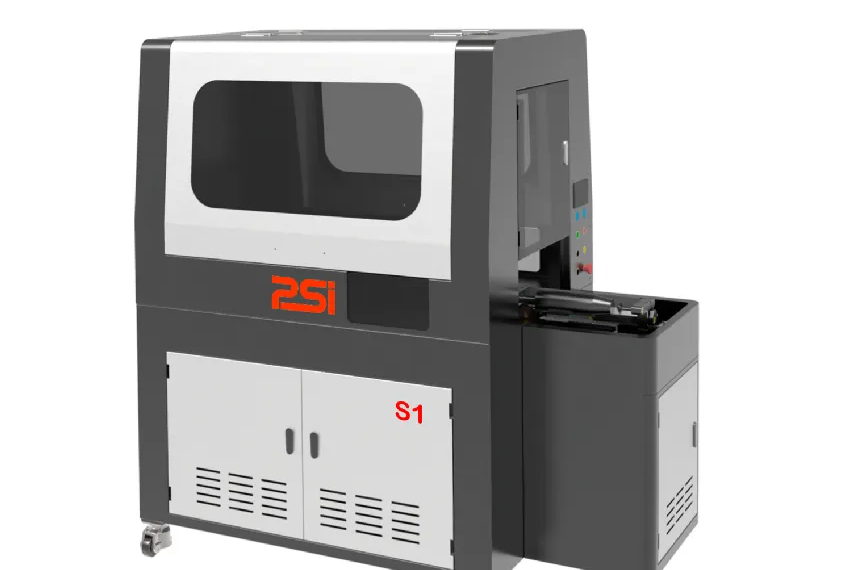
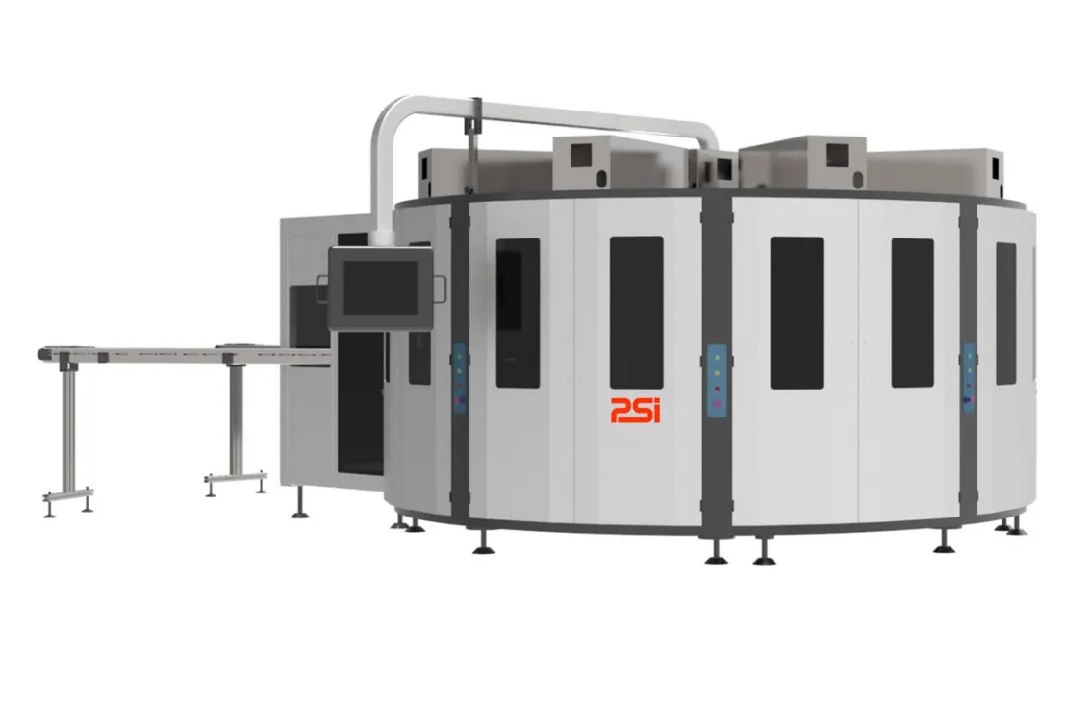
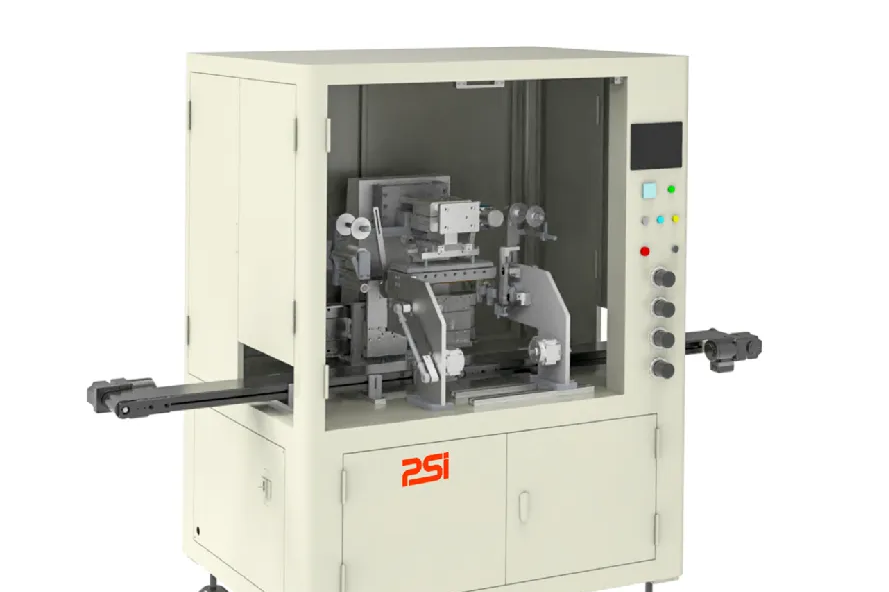
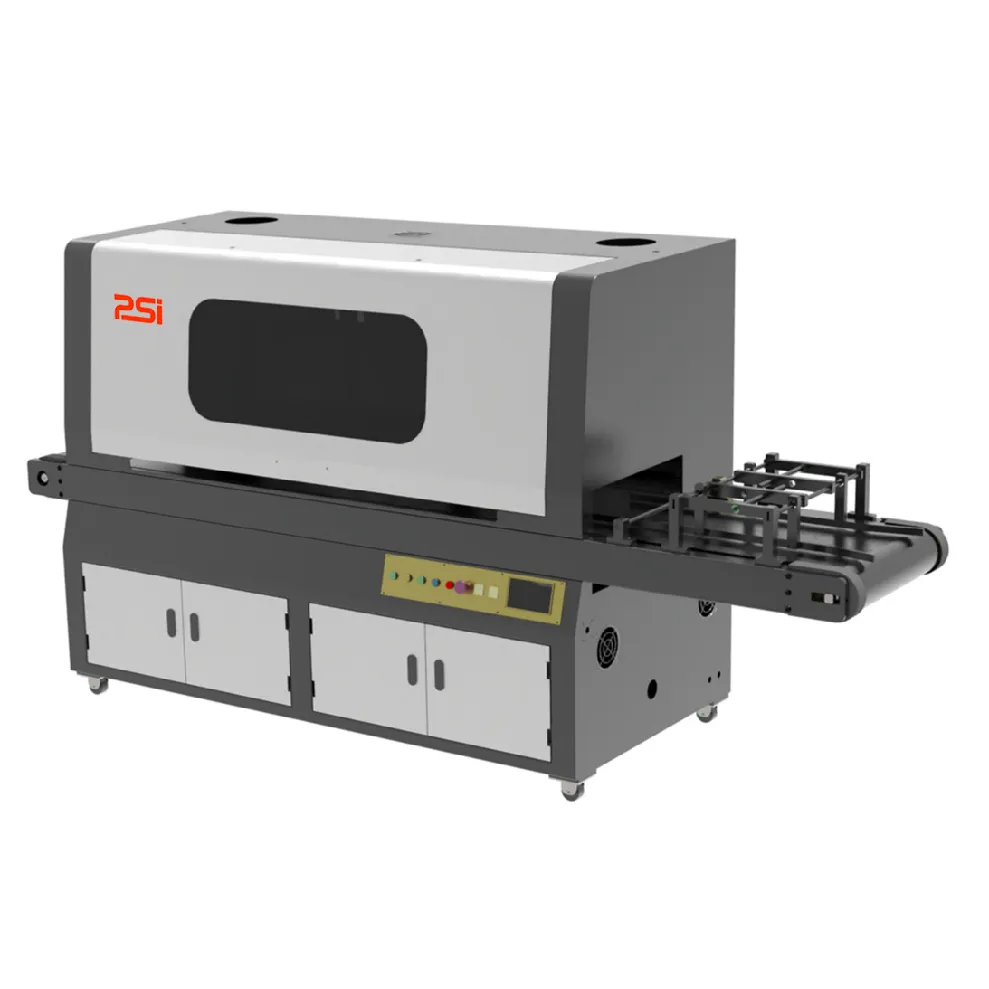
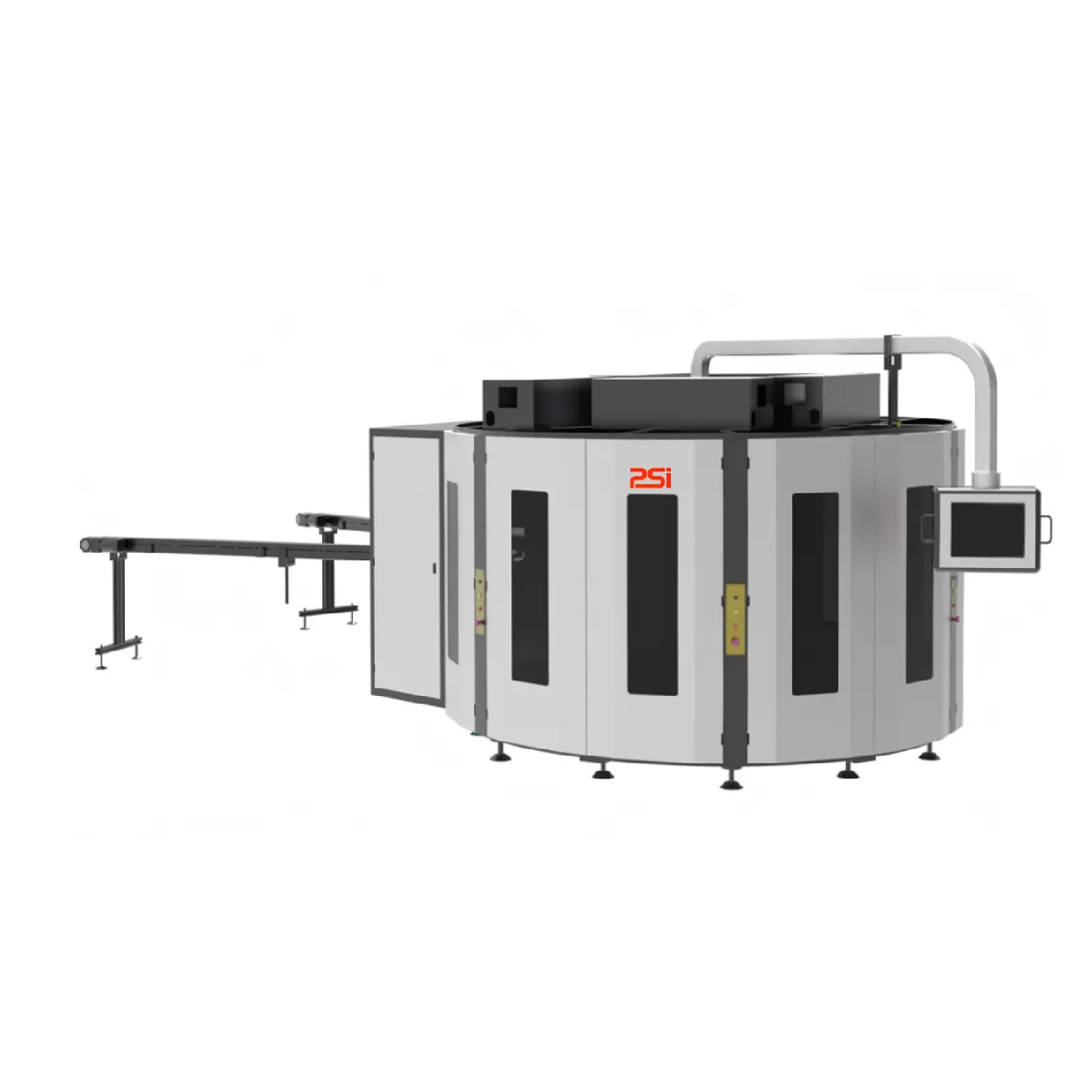
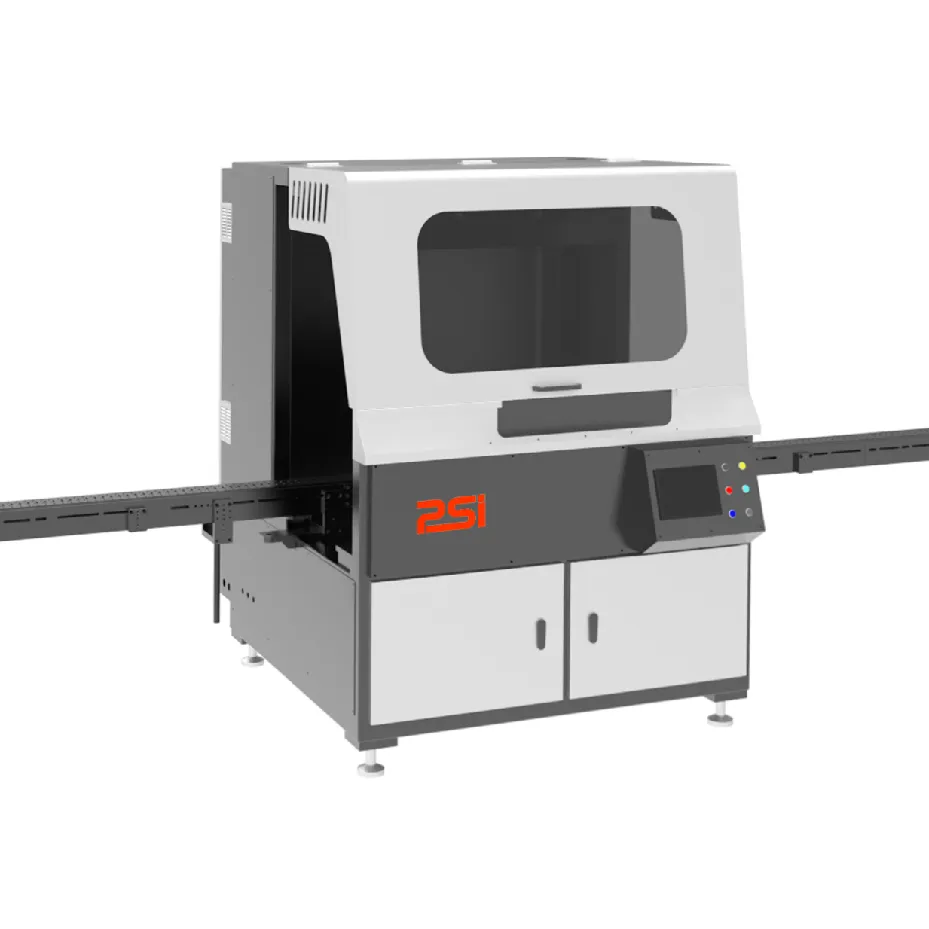
The versatile substrate compatibility of commercial screen printing equipment represents a crucial competitive advantage that enables businesses to serve diverse markets and applications without requiring multiple specialized machines. This comprehensive compatibility extends across an extensive range of materials including natural and synthetic textiles, rigid and flexible plastics, metals, glass, ceramics, wood, and composite materials, each requiring specific handling and processing parameters. Advanced substrate handling systems accommodate varying thicknesses from paper-thin films to materials several inches thick, utilizing adjustable print tables, vacuum systems, and specialized fixtures to secure different material types during the printing process. The equipment's ability to handle both flat and cylindrical substrates opens opportunities in packaging, promotional products, and industrial marking applications that require curved surface printing. Temperature control systems maintain optimal conditions for different substrate materials, preventing heat-sensitive materials from distorting while ensuring proper ink curing on heat-resistant substrates. The versatility extends to substrate sizes, with adjustable printing areas accommodating everything from small electronic components to large format displays, maximizing the range of projects a single machine can handle. Specialized ink delivery systems work effectively with various ink chemistries formulated for specific substrate types, including water-based inks for textiles, UV-curable inks for plastics, and conductive inks for electronic applications. The equipment's precision control allows for optimization of print parameters including squeegee pressure, print speed, and off-contact distance for each substrate type, ensuring optimal ink transfer and adhesion characteristics. Quick-change fixture systems enable rapid conversion between different substrate types without extensive reconfiguration, reducing changeover time and increasing machine utilization rates. This versatility allows businesses to diversify their service offerings and reduce dependency on single market segments, providing stability during economic fluctuations that may affect specific industries. The ability to work with emerging substrate materials positions businesses to capitalize on new market opportunities as they develop, ensuring long-term equipment relevance and return on investment. Quality assurance systems verify print adhesion and appearance across different substrate types, maintaining consistent output standards regardless of material variations.
 EN
EN
 AR
AR FR
FR DE
DE HI
HI IT
IT JA
JA KO
KO PT
PT RU
RU ES
ES IW
IW ID
ID VI
VI TH
TH TR
TR FA
FA