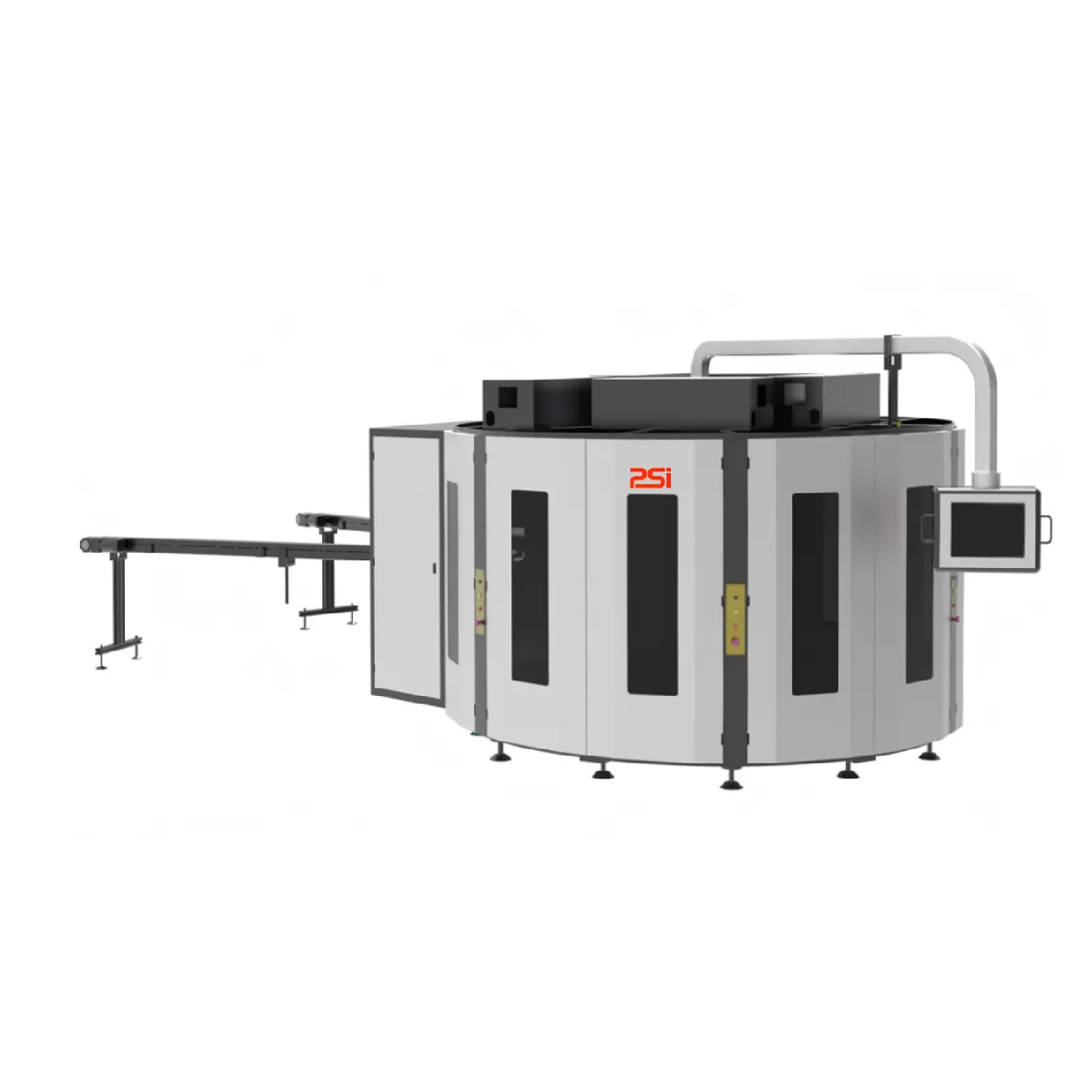
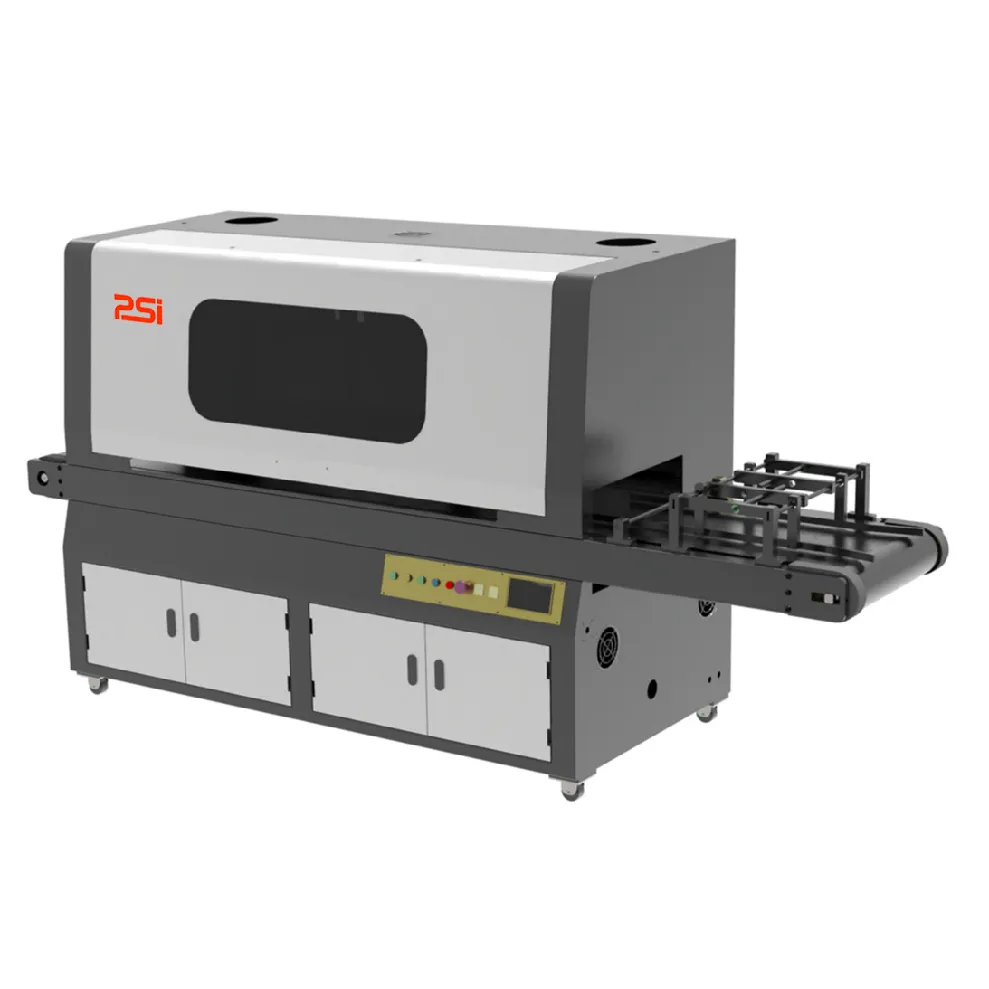
Multi-Substrate Compatibility
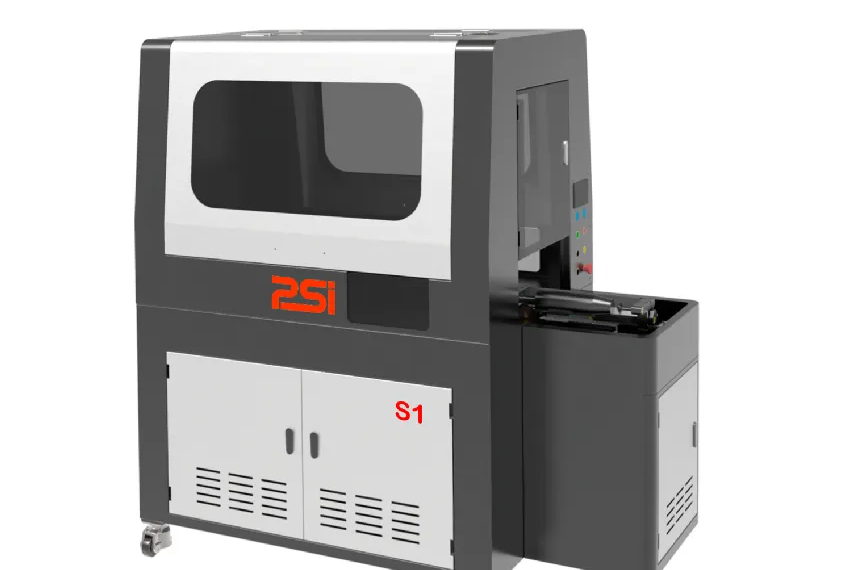
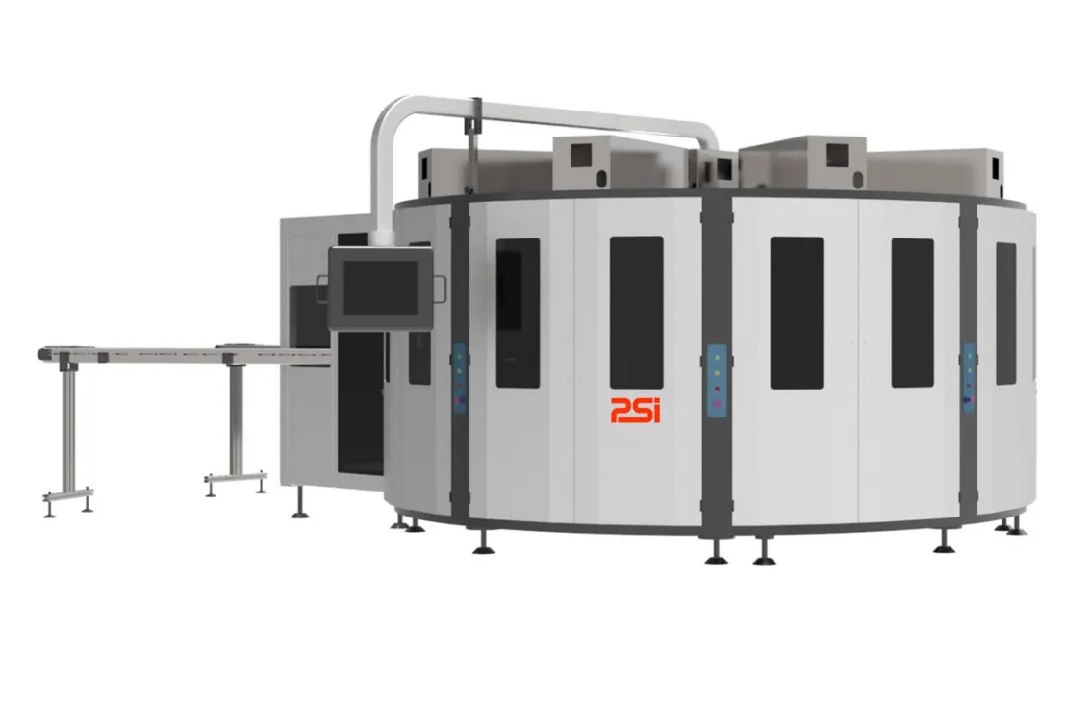
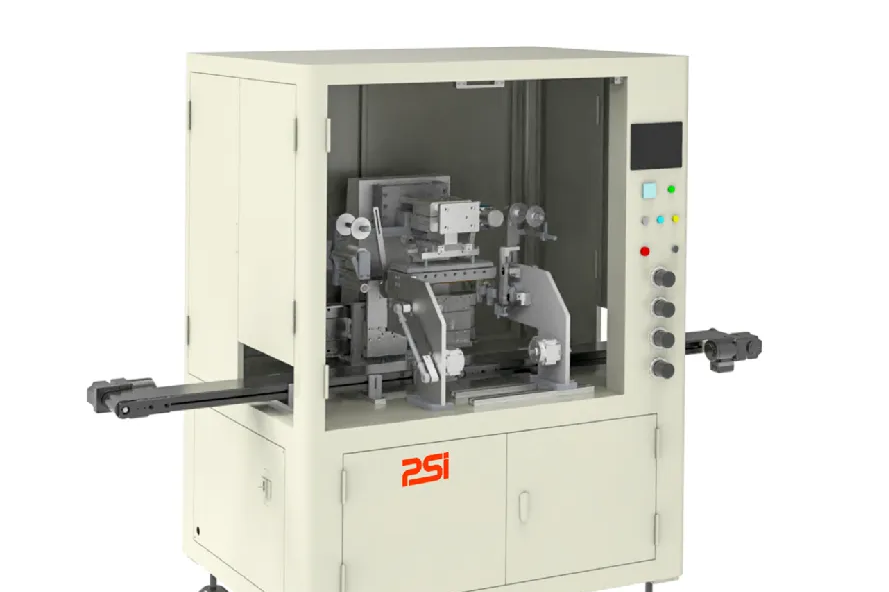
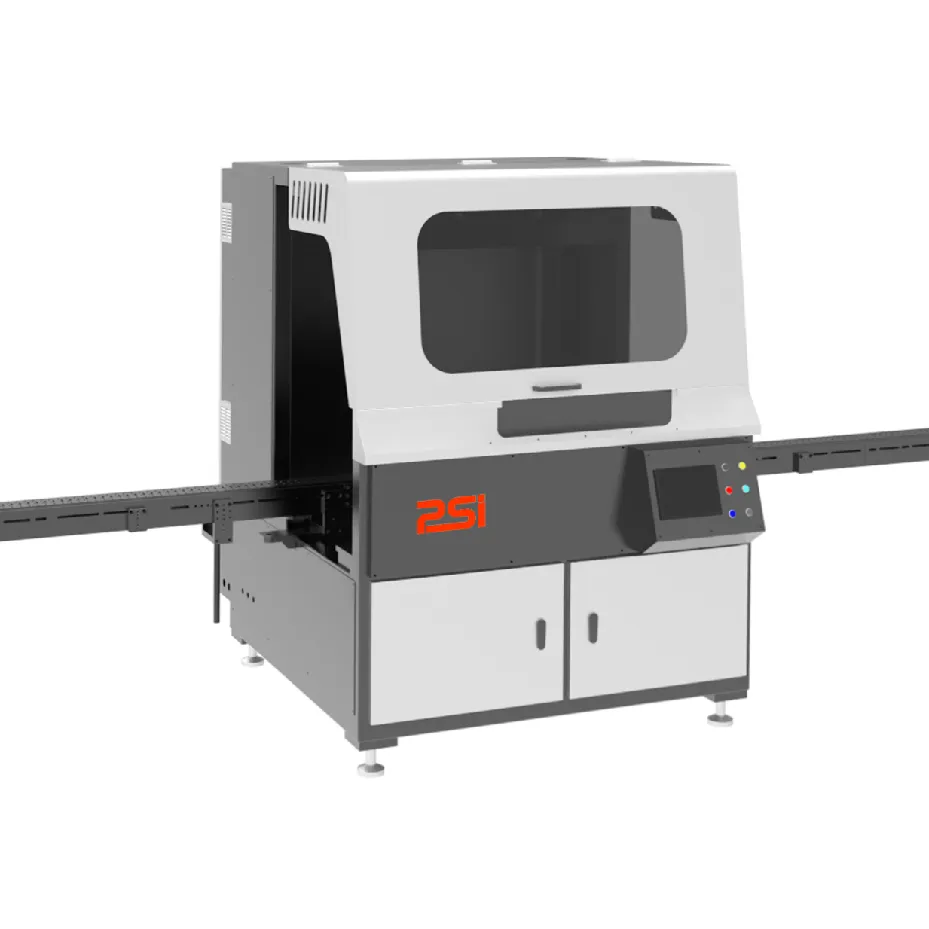
Screen printing printers demonstrate exceptional versatility through their multi-substrate compatibility, enabling businesses to diversify their services and tap into numerous market segments with a single equipment investment. This compatibility extends far beyond traditional paper printing, encompassing an extensive range of materials that opens unlimited creative and commercial possibilities. Textile applications include cotton, polyester, blends, canvas, and specialty fabrics, allowing production of custom apparel, promotional items, and decorative textiles with vibrant, long-lasting colors that withstand repeated washing and wear. Plastic substrates including acrylic, polycarbonate, vinyl, and various polymers accept screen printed graphics beautifully, enabling production of signage, displays, packaging, and promotional materials with professional-grade durability. Metal surfaces such as aluminum, steel, and specialty alloys accommodate screen printing for industrial applications, creating durable labels, control panels, and decorative elements that resist corrosion and maintain appearance under harsh conditions. Glass printing capabilities enable creation of decorative panels, bottles, mirrors, and architectural elements with precise graphics that permanently bond to surfaces through specialized inks and curing processes. Paper and cardboard applications extend to packaging, posters, labels, and specialty publications, delivering superior ink coverage and color saturation compared to many alternative printing methods. Ceramic and tile printing creates personalized decorative elements, architectural features, and artistic pieces with graphics that withstand extreme temperatures and weather exposure. Leather and synthetic leather materials accept screen printing for fashion accessories, automotive components, and specialty products, creating unique textures and appearances that enhance product value. Wood printing enables creation of signage, decorative panels, and artistic pieces with graphics that penetrate surface fibers for permanent integration. Electronic substrates including circuit boards and membrane switches receive precise graphics and functional elements through specialized screen printing processes. This remarkable compatibility eliminates the need for multiple specialized printing systems, reducing equipment costs, training requirements, and facility space while maximizing production flexibility and market opportunities for forward-thinking businesses.
 EN
EN
 AR
AR FR
FR DE
DE HI
HI IT
IT JA
JA KO
KO PT
PT RU
RU ES
ES IW
IW ID
ID VI
VI TH
TH TR
TR FA
FA