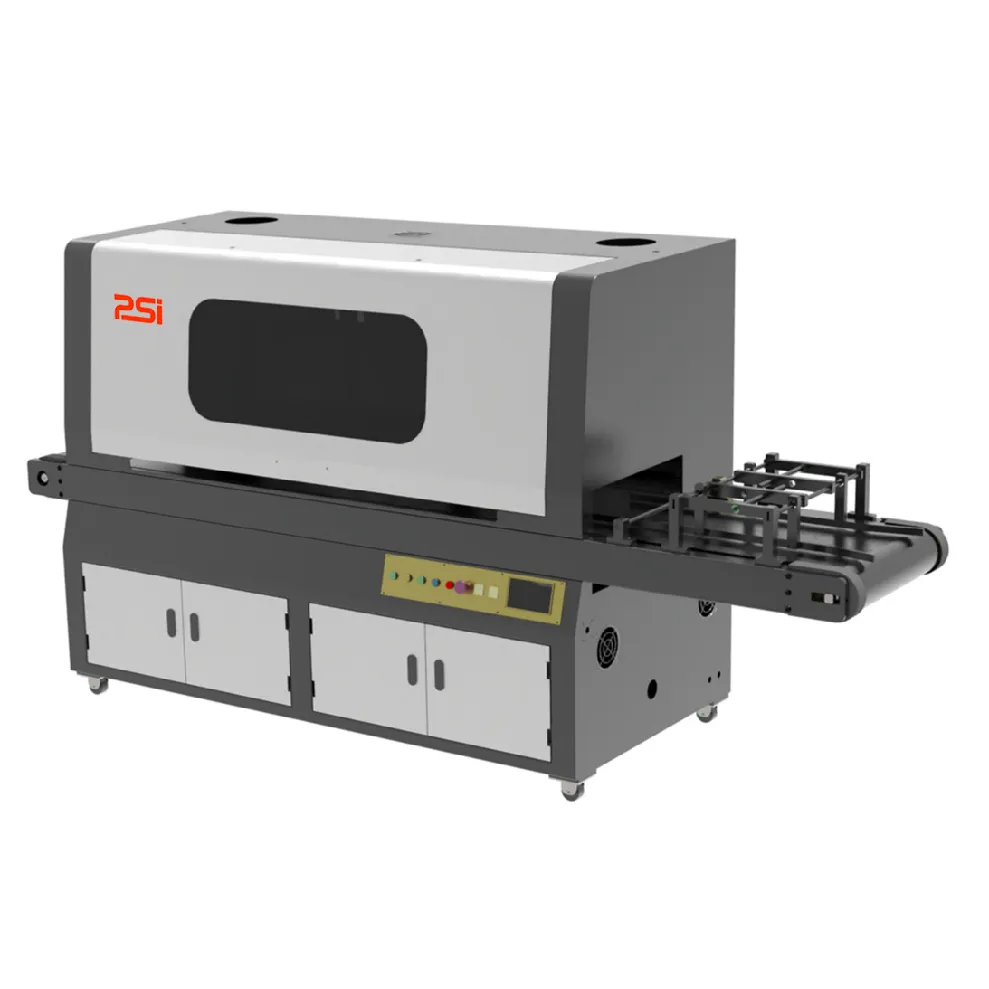
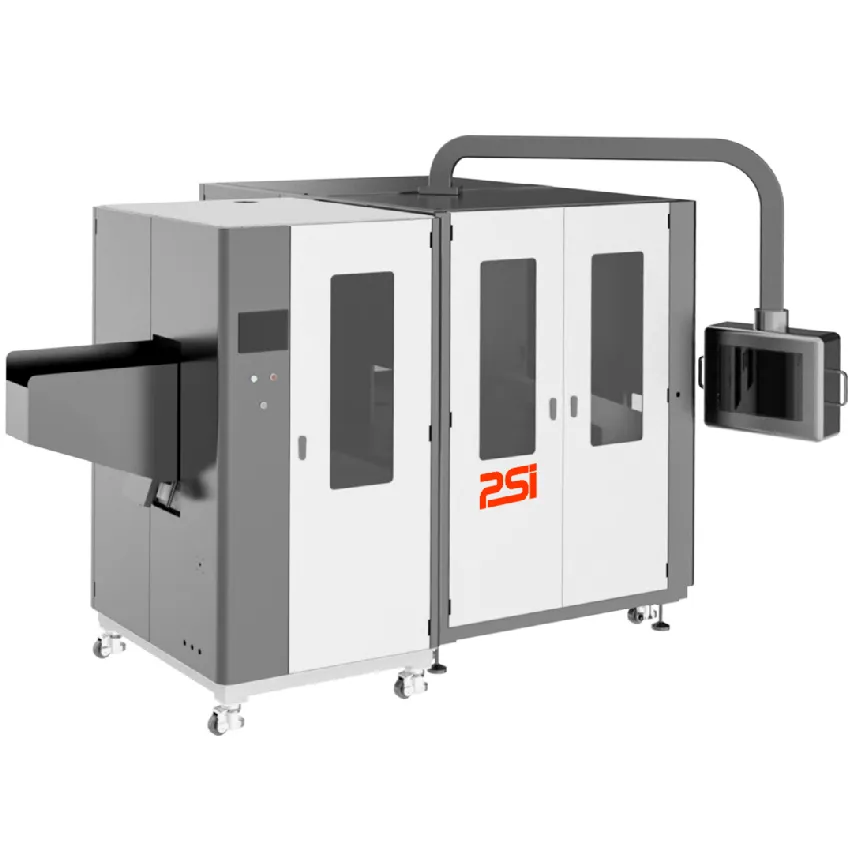
Unmatched Versatility and Substrate Compatibility
Digital inkjet printing equipment stands out for its extraordinary versatility and ability to print on an extensive range of substrates, making it an invaluable asset for businesses seeking to diversify their offerings and explore new market opportunities. This remarkable flexibility stems from advanced ink formulations and sophisticated printhead technologies that can accommodate vastly different material properties and surface characteristics. The equipment successfully handles traditional printing substrates like coated and uncoated papers, cardboard, and specialty papers, while also excelling on non-traditional materials including textiles, plastics, metals, ceramics, glass, and composite materials. Advanced UV-curable ink systems in digital inkjet printing equipment enable printing on virtually any substrate by providing superior adhesion and durability on both porous and non-porous surfaces. The ability to print on rigid materials opens up applications in industrial manufacturing, architectural signage, and decorative applications that were previously impossible with conventional printing methods. Textile printing capabilities of modern digital inkjet printing equipment have revolutionized the fashion and home decor industries, enabling direct printing on cotton, polyester, silk, and blended fabrics with excellent color fastness and wash durability. The equipment's ability to handle varying substrate thicknesses, from thin films to thick boards, provides unprecedented flexibility in product development and manufacturing processes. Advanced media handling systems accommodate roll-to-roll printing for high-volume applications and sheet-fed printing for specialized projects, allowing businesses to optimize their production methods based on specific requirements. The compatibility with specialty inks, including metallic, fluorescent, and tactile inks, expands creative possibilities and enables unique product differentiation in competitive markets. Digital inkjet printing equipment can seamlessly integrate with finishing processes such as cutting, laminating, and binding, creating complete production workflows that enhance efficiency and reduce handling costs. The substrate versatility also extends to challenging applications like printing on curved surfaces, textured materials, and heat-sensitive substrates that require specialized handling and curing processes.
 EN
EN
 AR
AR FR
FR DE
DE HI
HI IT
IT JA
JA KO
KO PT
PT RU
RU ES
ES IW
IW ID
ID VI
VI TH
TH TR
TR FA
FA