Intelligent Automation and Quality Control Systems
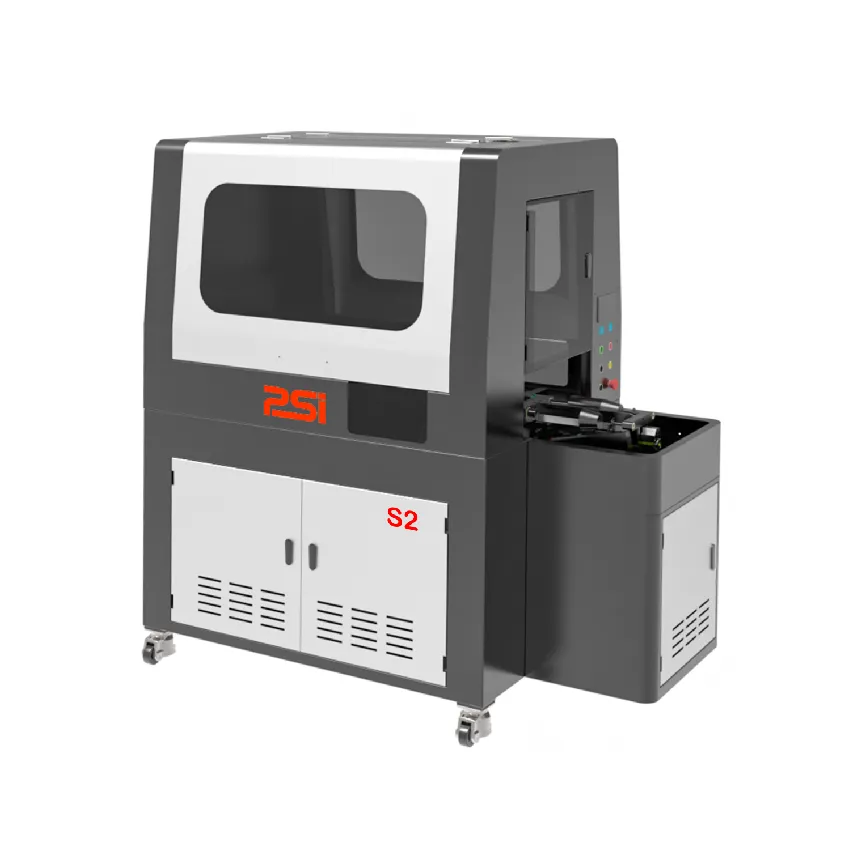
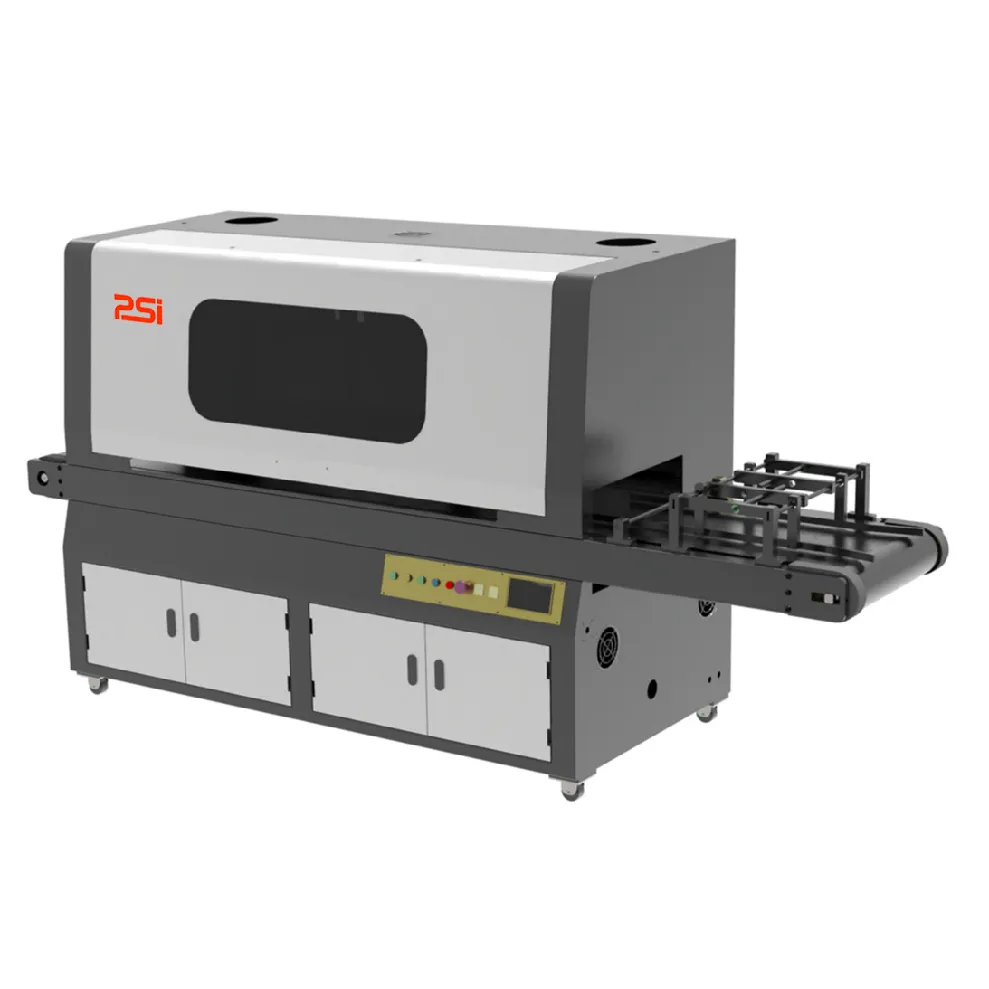
The efficient digital inkjet printing machine incorporates cutting-edge automation and quality control systems that revolutionize printing operations through intelligent monitoring, predictive maintenance, and real-time quality assurance. These sophisticated systems work seamlessly together to minimize human intervention while maximizing print quality and operational efficiency. The automated quality control system continuously monitors print quality through high-resolution cameras and sensors positioned strategically along the printing path. These systems detect color variations, registration errors, streaking, and other print defects in real-time, automatically adjusting printing parameters or alerting operators to potential issues before they compromise the final product. Color management systems within the efficient digital inkjet printing machine utilize spectrophotometric sensors to measure color accuracy continuously, comparing printed colors against predetermined standards and making instant corrections to maintain color consistency throughout the entire print run. The intelligent automation extends to ink management systems that monitor ink levels, viscosity, and temperature, automatically adjusting these parameters to maintain optimal printing conditions. Predictive maintenance algorithms analyze machine performance data, identifying patterns that indicate potential component failures before they occur, scheduling maintenance during optimal downtime periods to minimize production interruptions. The efficient digital inkjet printing machine features automated print head maintenance routines that include cleaning cycles, nozzle checks, and alignment procedures, all performed without operator intervention. These systems significantly reduce maintenance time and ensure consistent print head performance. Workflow automation capabilities allow the machine to process multiple job queues automatically, switching between different print jobs without manual intervention once initial parameters are set. This feature maximizes machine utilization and reduces labor costs while ensuring consistent quality across all print jobs. Advanced software integration enables the efficient digital inkjet printing machine to communicate with external systems, including inventory management, customer databases, and shipping systems, creating a seamless production workflow from order receipt to finished product delivery. Real-time production monitoring provides detailed analytics on machine performance, print quality metrics, and production efficiency, enabling data-driven decisions for process optimization. Error detection and correction systems identify and compensate for various printing anomalies, including substrate variations, environmental changes, and mechanical wear, ensuring consistent output quality. The machine's learning algorithms improve performance over time, adapting to specific printing conditions and operator preferences to optimize results automatically. Remote monitoring capabilities allow technicians to diagnose issues and provide support without on-site visits, reducing downtime and maintenance costs while ensuring optimal machine performance throughout its operational life.
 EN
EN
 AR
AR FR
FR DE
DE HI
HI IT
IT JA
JA KO
KO PT
PT RU
RU ES
ES IW
IW ID
ID VI
VI TH
TH TR
TR FA
FA