Unmatched Substrate Versatility and Material Compatibility
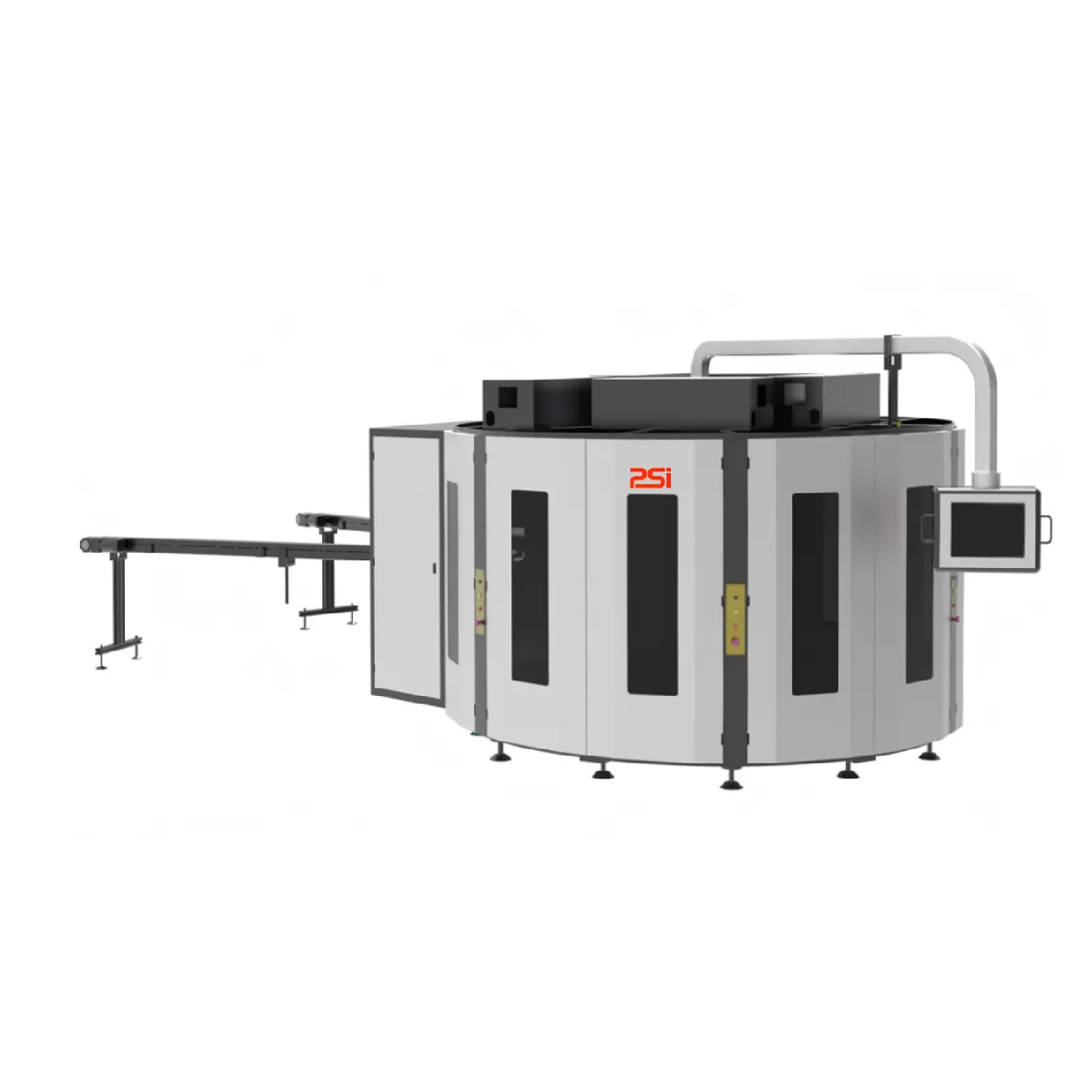
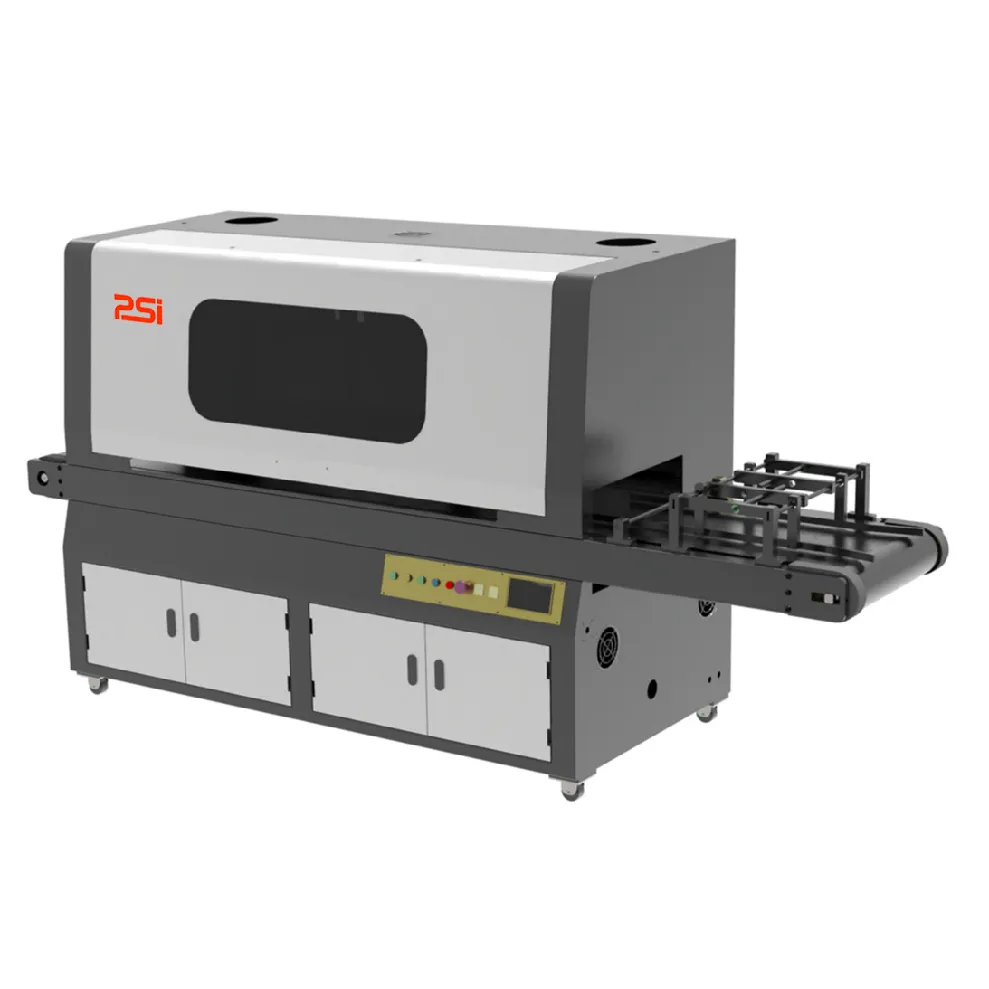
The exceptional substrate versatility of the uv digital inkjet printer opens unprecedented opportunities for creative applications and business expansion across diverse markets and industries. This remarkable capability stems from the unique properties of UV-curable inks, which adhere effectively to virtually any surface without requiring primers, coatings, or chemical pre-treatments that traditional printing methods demand. The uv digital inkjet printer successfully processes rigid substrates including metals, glass, ceramics, wood, plastics, and composites, as well as flexible materials such as textiles, films, banners, and synthetic fabrics. This versatility eliminates the need for multiple specialized printing systems, consolidating production capabilities into a single, efficient platform that reduces equipment costs and facility requirements. The ability to print directly onto three-dimensional objects and textured surfaces expands creative possibilities for product decoration, industrial marking, and architectural applications. Thickness accommodation ranges from ultra-thin films to substantial rigid boards, with automated substrate detection systems that adjust print height and ink delivery parameters for optimal results across varying material characteristics. The uv digital inkjet printer maintains consistent print quality regardless of substrate color, texture, or composition, enabling high-contrast printing on dark materials and transparent substrates where traditional methods often fail. This capability proves invaluable for packaging applications, where printing directly onto containers, bottles, and promotional items eliminates labeling costs and improves production efficiency. Industrial applications benefit from the ability to mark or decorate metal components, electronic devices, and medical equipment with permanent, tamper-evident graphics that withstand harsh operating environments. The substrate independence also enables rapid prototyping and sample production, allowing designers and manufacturers to evaluate concepts on actual materials before committing to large-scale production runs, ultimately reducing development costs and time-to-market for new products.
 EN
EN
 AR
AR FR
FR DE
DE HI
HI IT
IT JA
JA KO
KO PT
PT RU
RU ES
ES IW
IW ID
ID VI
VI TH
TH TR
TR FA
FA