Industrial Heat Transfer Equipment Solutions - Energy Efficient Thermal Management Systems

Contact me immediately if you encounter problems!

All Categories

heat transfer equipment

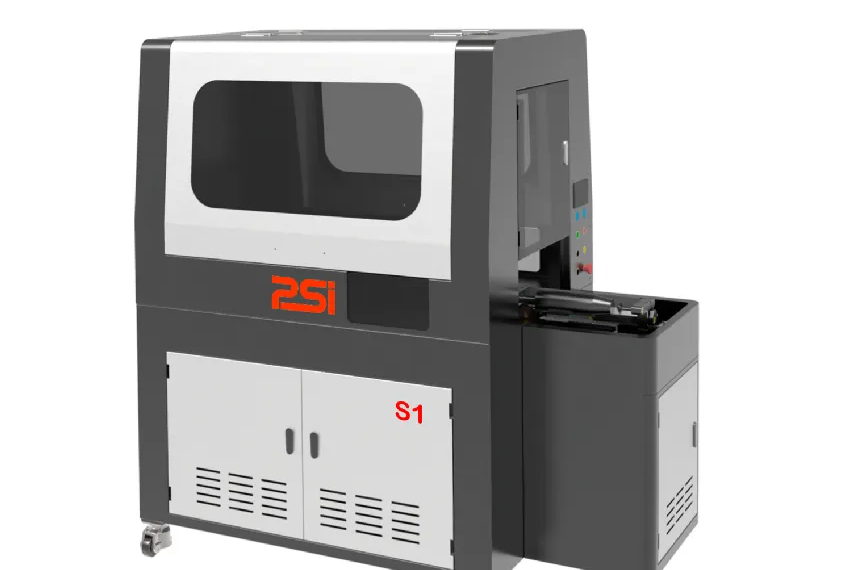
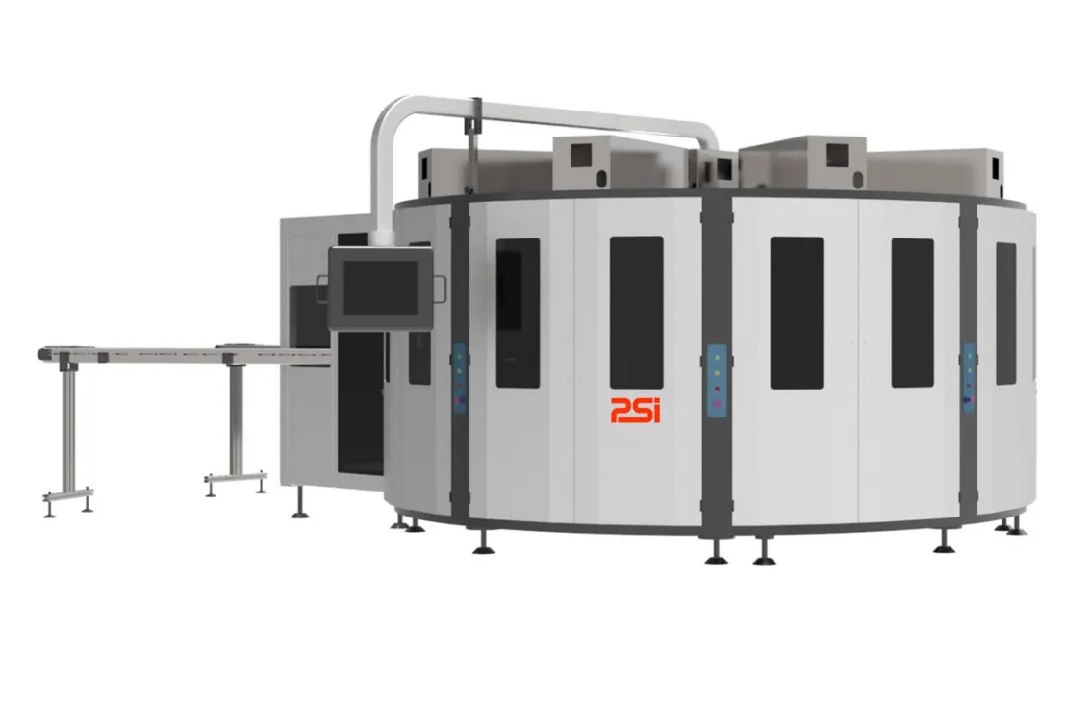
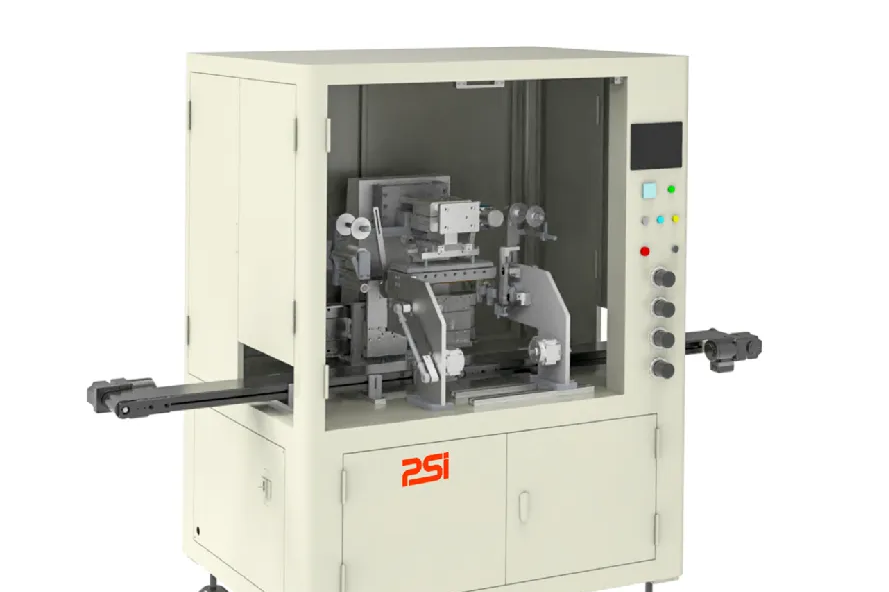
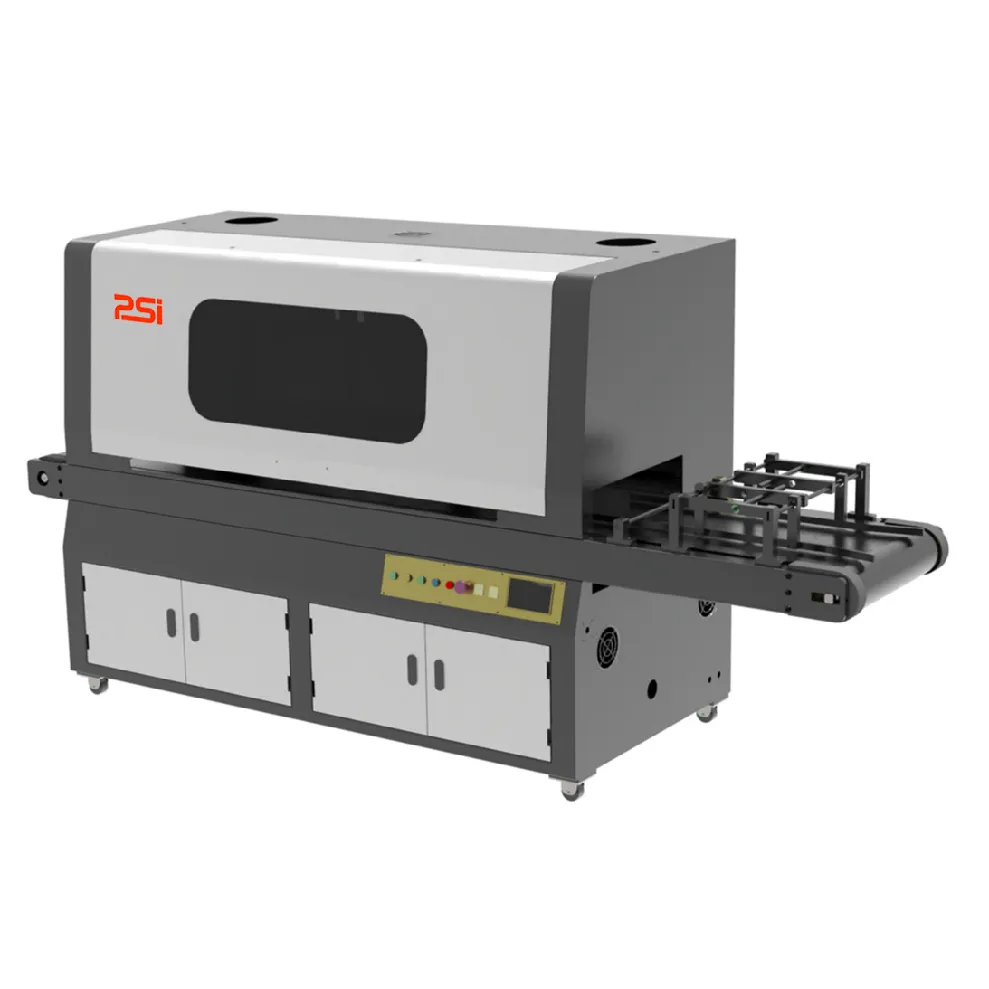
Heat transfer equipment represents a cornerstone of modern industrial operations, serving as specialized machinery designed to efficiently move thermal energy between different mediums, substances, or environments. These sophisticated systems operate on fundamental principles of thermodynamics, facilitating the controlled exchange of heat through conduction, convection, and radiation processes. The primary function of heat transfer equipment involves managing temperature variations across diverse industrial applications, ensuring optimal thermal conditions for manufacturing processes, energy generation, and environmental control systems. Modern heat transfer equipment incorporates advanced engineering technologies that maximize thermal efficiency while minimizing energy consumption and operational costs. These systems feature precision-engineered components including specialized heat exchangers, thermal control valves, circulation pumps, and monitoring sensors that work harmoniously to achieve desired temperature parameters. The technological sophistication of contemporary heat transfer equipment enables precise temperature regulation, rapid thermal response times, and consistent performance across varying operational conditions. Industrial applications span numerous sectors including chemical processing, pharmaceutical manufacturing, food production, power generation, HVAC systems, and petrochemical refineries. Manufacturing facilities rely on heat transfer equipment to maintain critical temperature requirements during production cycles, ensuring product quality and process reliability. Energy-intensive industries particularly benefit from advanced thermal management solutions that optimize heat recovery and reduce waste energy. The versatility of heat transfer equipment allows customization for specific operational requirements, accommodating different fluid types, pressure ranges, temperature specifications, and capacity demands. Environmental considerations drive innovation in heat transfer equipment design, promoting sustainable thermal management practices that reduce carbon footprint and improve overall system efficiency. Quality heat transfer equipment delivers consistent thermal performance while maintaining operational reliability across extended service periods.
New Product Recommendations

Heat transfer equipment delivers substantial operational benefits that directly impact business profitability and efficiency across industrial applications. Energy savings represent the most significant advantage, as modern heat transfer equipment reduces power consumption through optimized thermal exchange processes, resulting in lower utility costs and improved return on investment. Advanced thermal management capabilities ensure consistent temperature control, eliminating costly production delays and quality issues associated with temperature fluctuations. The reliability of professional-grade heat transfer equipment minimizes unplanned downtime, protecting businesses from expensive production interruptions and maintenance emergencies. Scalable design features allow companies to expand thermal capacity as operational demands grow, providing long-term flexibility without requiring complete system replacements. Automated control systems integrated into modern heat transfer equipment reduce labor requirements while improving operational precision, allowing skilled personnel to focus on higher-value activities. Environmental compliance becomes manageable through efficient heat transfer equipment that meets stringent regulatory standards while reducing emissions and waste generation. Cost-effective maintenance schedules extend equipment lifespan and preserve optimal performance levels, protecting capital investments over extended operational periods. Enhanced safety features built into contemporary heat transfer equipment protect personnel and facilities from thermal hazards, reducing insurance costs and liability exposure. Improved product quality results from precise temperature control capabilities, reducing waste materials and increasing customer satisfaction rates. Faster processing times achieved through efficient thermal management accelerate production cycles and improve throughput capacity. Reduced chemical consumption occurs when heat transfer equipment maintains optimal reaction temperatures, lowering raw material costs and minimizing environmental impact. Space-efficient designs maximize facility utilization while accommodating necessary thermal management requirements. Remote monitoring capabilities enable predictive maintenance strategies that prevent costly failures and optimize operational scheduling. Versatile installation options accommodate diverse facility layouts and retrofit requirements without extensive infrastructure modifications. Enhanced thermal recovery systems capture waste heat for productive reuse, further improving overall energy efficiency and reducing operational expenses.

Tips And Tricks

Enhancing Your Brand's Impact with PSI's Cutting-Edge Inkjet Digital Printing Machines

27

Sep

Enhancing Your Brand's Impact with PSI's Cutting-Edge Inkjet Digital Printing Machines

In the domain of industrial digital printing, under the commonly used terminology of the PSI Company, high-quality inkjet digital printing machines have been successfully produced and introduced to a wide range of industries. The performance of the c...
View More
PSI Cutting-Edge Digital Inkjet and Screen Printing Machines

27

Sep

PSI Cutting-Edge Digital Inkjet and Screen Printing Machines

In today's fast-paced business environment, the impact of visual communication cannot be overstated. Brands are constantly seeking ways to stand out and connect with their audience through eye-catching designs and high-quality prints. PSI, a leading ...
View More
PSI Heat Transfer Machines:  in Customized Branding Solutions

27

Sep

PSI Heat Transfer Machines: in Customized Branding Solutions

In the realm of printing and branding, PSI  stands out as a beacon of innovation and excellence. Specializing in heat transfer machines, PSI  offers a range of products that cater to various industries, from textiles to plastics, ensuring t...
View More

Get a Free Quote

Our representative will contact you soon.
Email
Name
Company Name
Message
0/1000

heat transfer equipment

Advanced Thermal Efficiency Technology

Advanced Thermal Efficiency Technology

Revolutionary thermal efficiency technology sets modern heat transfer equipment apart from conventional heating and cooling systems, delivering unprecedented energy savings and operational performance. This cutting-edge technology incorporates multi-stage heat exchange processes that capture and redistribute thermal energy with remarkable precision, achieving efficiency ratings that exceed traditional equipment by substantial margins. The sophisticated engineering behind advanced thermal efficiency technology utilizes optimized flow patterns, enhanced surface area designs, and precision-controlled heat exchange rates that minimize energy waste while maximizing thermal transfer effectiveness. Specialized materials and coatings enhance thermal conductivity properties, enabling faster heat exchange rates and reduced energy requirements across diverse operational conditions. Intelligent thermal management algorithms continuously monitor and adjust system parameters to maintain peak efficiency levels, automatically optimizing performance based on real-time operational demands and environmental conditions. The economic impact of advanced thermal efficiency technology extends beyond immediate energy savings, contributing to reduced carbon footprint and enhanced environmental sustainability credentials that benefit corporate responsibility initiatives. Manufacturing facilities implementing this technology report significant reductions in utility costs, often achieving payback periods within months of installation through decreased energy consumption and improved operational efficiency. The technology adapts seamlessly to varying load conditions, maintaining optimal efficiency levels whether operating at full capacity or reduced demand scenarios. Enhanced heat recovery capabilities capture previously wasted thermal energy for productive reuse, creating additional value streams and further improving overall system efficiency. Quality assurance benefits emerge from consistent temperature control that eliminates thermal fluctuations responsible for product defects and quality variations. Long-term reliability characteristics ensure sustained efficiency performance over extended operational periods, protecting initial investments while delivering continuous operational benefits. Installation flexibility accommodates existing infrastructure requirements without extensive modifications, enabling straightforward upgrades that immediately improve thermal management capabilities.
Intelligent Control and Monitoring Systems

Intelligent Control and Monitoring Systems

Sophisticated intelligent control and monitoring systems transform heat transfer equipment into smart thermal management solutions that deliver unprecedented operational visibility and automated performance optimization. These advanced systems integrate cutting-edge sensors, real-time data processing capabilities, and predictive analytics algorithms that continuously monitor thermal performance parameters and automatically adjust operational settings to maintain optimal efficiency levels. The comprehensive monitoring capabilities track critical variables including temperature differentials, flow rates, pressure variations, energy consumption patterns, and system performance indicators that provide complete operational transparency. User-friendly interface designs enable operators to access detailed performance data, historical trends, and diagnostic information through intuitive dashboards that simplify complex thermal management decisions. Remote monitoring capabilities allow facility managers to oversee heat transfer equipment performance from any location, receiving instant notifications about operational changes, maintenance requirements, or performance anomalies that require attention. Predictive maintenance algorithms analyze operational data patterns to identify potential issues before they develop into costly failures, enabling proactive maintenance scheduling that minimizes downtime and extends equipment lifespan. Automated optimization routines continuously fine-tune system parameters to maintain peak efficiency levels regardless of changing operational conditions or external environmental factors. Integration capabilities enable seamless connectivity with existing facility management systems, creating unified operational control that enhances overall facility efficiency and coordination. Data logging functions maintain comprehensive operational records that support compliance documentation, energy auditing requirements, and performance analysis initiatives. Customizable alert systems notify operators about specific conditions or thresholds, ensuring prompt response to situations requiring immediate attention. Advanced diagnostic capabilities identify performance degradation trends and component wear patterns, supporting informed maintenance decisions and replacement planning. Energy management features track consumption patterns and identify optimization opportunities that reduce operational costs while maintaining required thermal performance levels. The intelligent systems adapt to facility-specific requirements through configurable parameters and operational profiles that accommodate unique thermal management needs.
Durable Construction and Long-Term Reliability

Durable Construction and Long-Term Reliability

Exceptional durability and long-term reliability distinguish premium heat transfer equipment through robust construction methodologies, high-grade materials, and rigorous quality assurance processes that ensure sustained performance across demanding industrial environments. The foundation of this reliability begins with precision-engineered components manufactured from corrosion-resistant alloys, specialized coatings, and advanced materials specifically selected for thermal cycling resistance and chemical compatibility. Welded joints utilize certified procedures and undergo comprehensive inspection protocols that guarantee structural integrity under extreme temperature variations and pressure fluctuations common in industrial thermal applications. Redundant safety systems protect critical components from operational stresses that could compromise performance or longevity, incorporating multiple layers of protection that ensure continued operation even under challenging conditions. Comprehensive testing procedures validate equipment performance across simulated operational scenarios that exceed normal service requirements, confirming reliability standards before deployment in production environments. Quality control processes implement rigorous inspection protocols at every manufacturing stage, ensuring consistent build quality and adherence to exacting engineering specifications. The modular design philosophy enables selective component replacement and upgrade capabilities that extend overall system lifespan while accommodating evolving operational requirements. Preventive maintenance programs support long-term reliability through systematic inspection schedules, component monitoring, and replacement protocols that maintain peak performance levels throughout the equipment lifecycle. Warranty coverage demonstrates manufacturer confidence in durability standards while protecting customer investments against unexpected failures or performance issues. Field service support provides ongoing technical assistance and maintenance guidance that helps facilities maximize equipment lifespan and operational efficiency. Standardized replacement parts ensure long-term serviceability and reduce maintenance complexity while controlling ongoing operational costs. Environmental protection features shield sensitive components from contamination, moisture, and other external factors that could compromise reliability or performance. The proven track record of reliable operation across diverse industries validates durability claims through documented performance histories and customer testimonials that confirm sustained operational excellence.