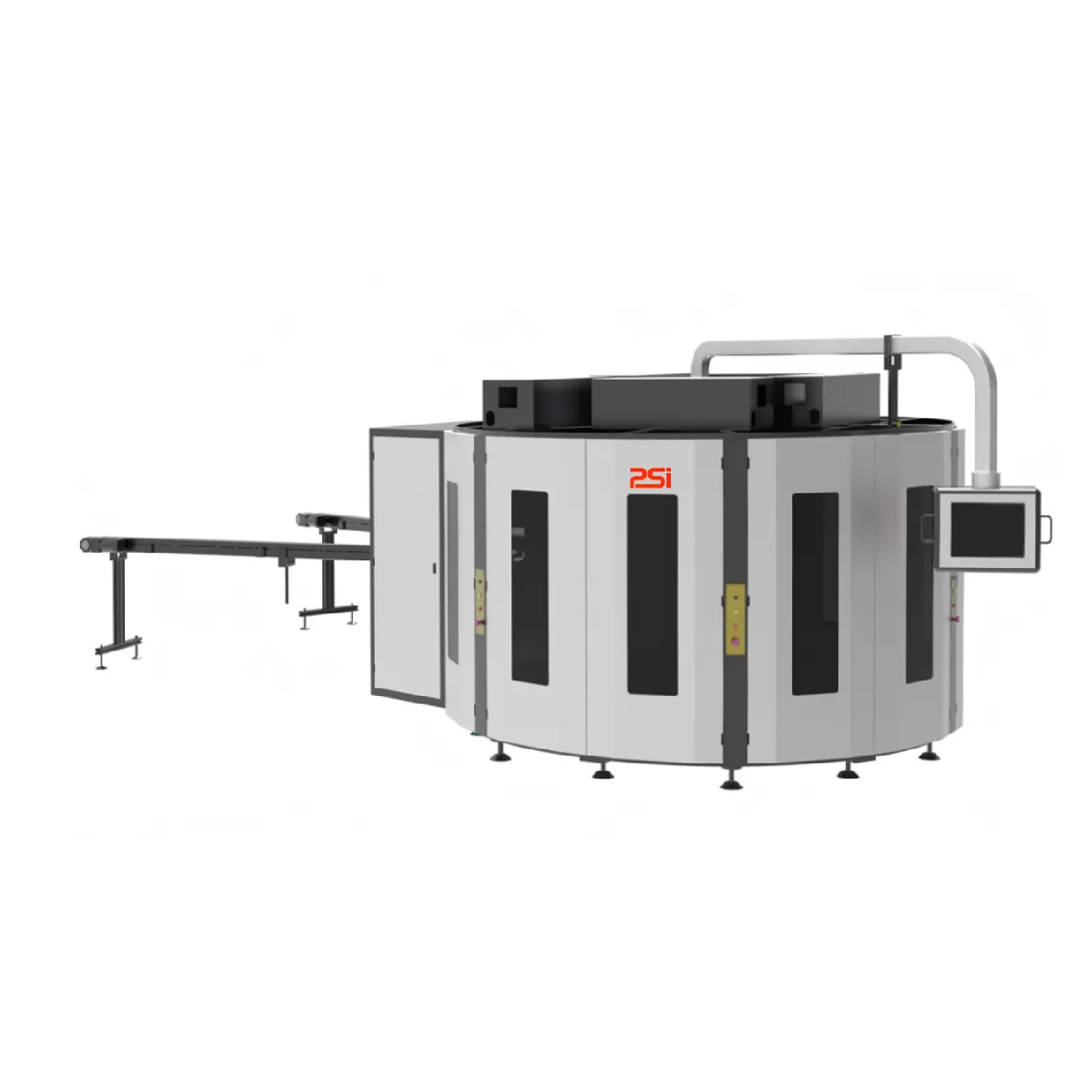
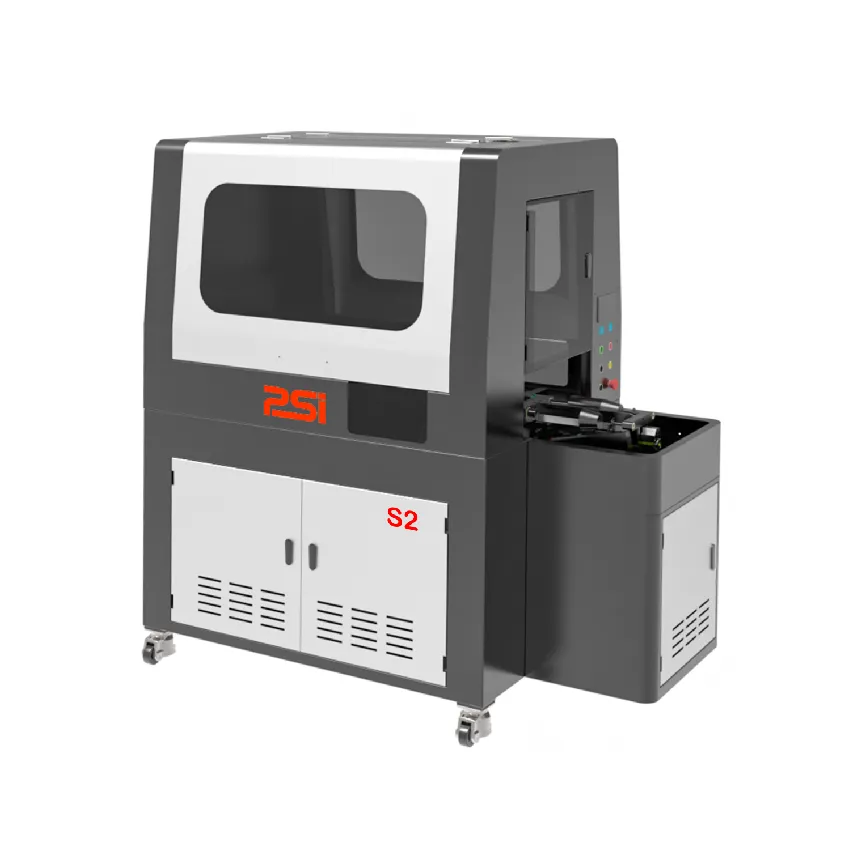
Exceptional Versatility Across Multiple Materials and Applications
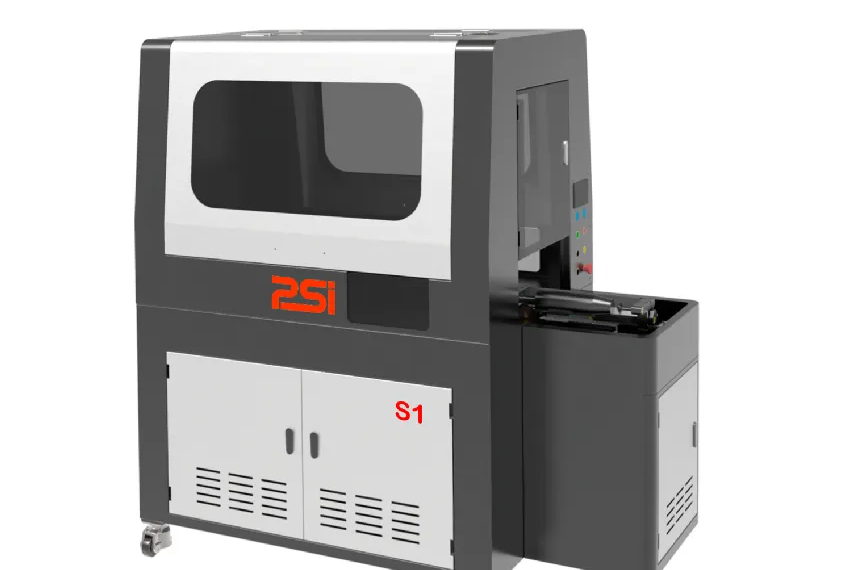
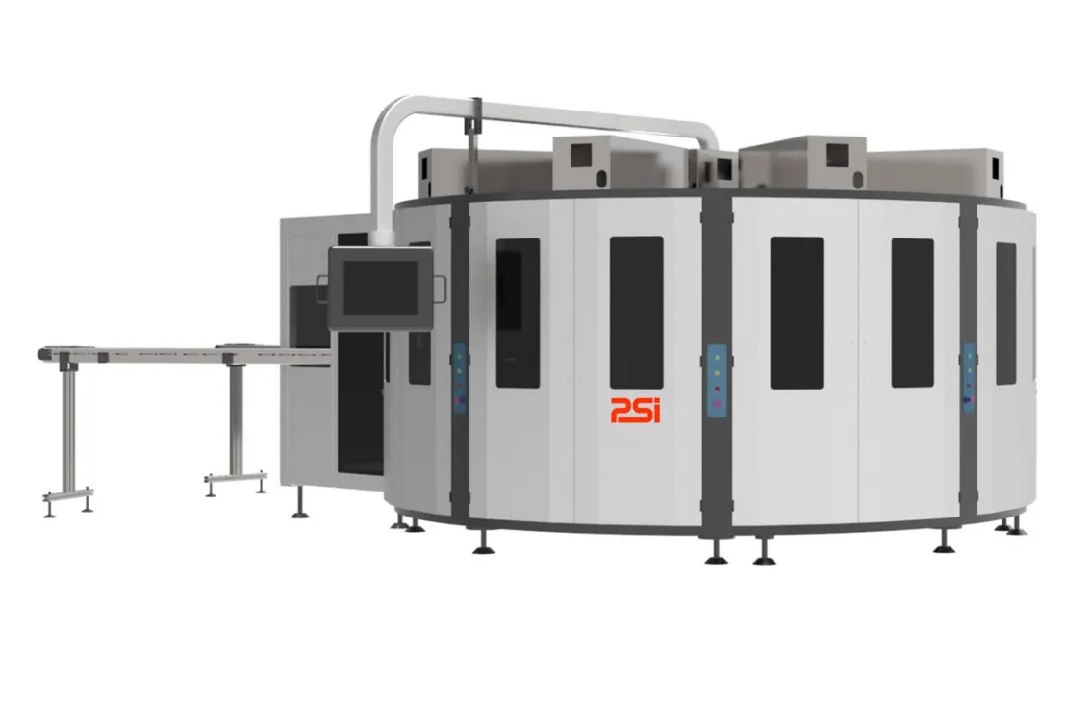
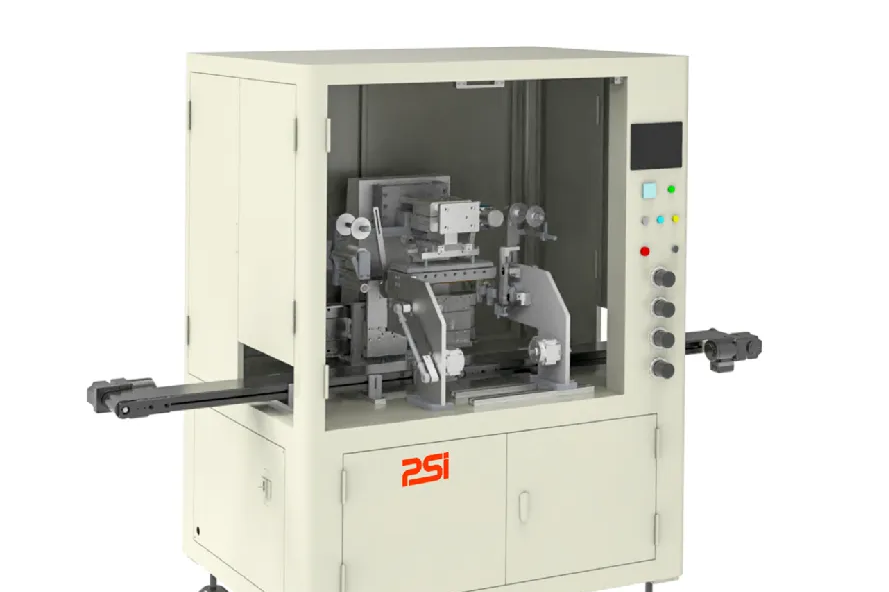
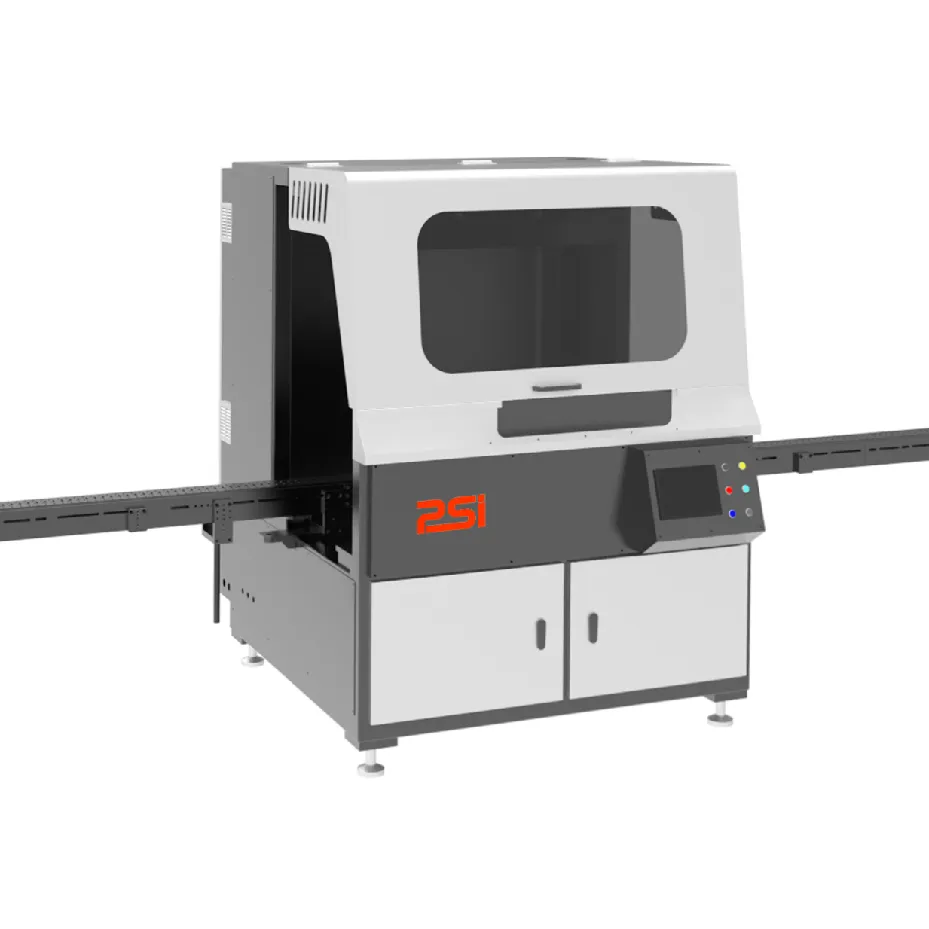
Heat transfer roller machines demonstrate remarkable versatility by successfully processing an extensive range of materials and applications across diverse industries. This adaptability stems from adjustable pressure settings, variable roller gap configurations, and programmable temperature profiles that accommodate everything from delicate fabrics to rigid plastic sheets. Textile applications include garment decoration, label application, and fabric lamination, where the machine handles cotton, polyester, blends, and technical fabrics with equal proficiency. Packaging industries utilize these machines for applying security labels, decorative films, and protective coatings to various packaging materials including papers, cardboards, and plastic films. Automotive applications encompass dashboard lamination, trim decoration, and protective film application where precise temperature control prevents warping or melting of temperature-sensitive components. Electronics manufacturing benefits from the machine's ability to apply conductive films, EMI shielding, and protective coatings to circuit boards and electronic components. Signage production utilizes heat transfer roller machines for applying vinyl graphics, reflective materials, and protective laminates to create durable outdoor displays. Medical device manufacturing employs these machines for sterile packaging applications and biocompatible material lamination. The machine accommodates substrate widths ranging from narrow ribbons to wide fabric rolls, making it suitable for both small-scale custom work and high-volume production. Material thickness variations from thin films to thick composites are handled through precise gap adjustments and pressure controls. The web handling system includes tension controls and edge guiding mechanisms that ensure proper material alignment throughout the transfer process. Quick-change tooling allows rapid conversion between different material types without extensive setup procedures. The modular design enables optional accessories such as cooling stations, material feeders, and quality inspection systems to be integrated based on specific application requirements. This versatility eliminates the need for multiple specialized machines, reducing capital investment and facility space requirements while providing comprehensive processing capabilities for manufacturers serving diverse markets.
 EN
EN
 AR
AR FR
FR DE
DE HI
HI IT
IT JA
JA KO
KO PT
PT RU
RU ES
ES IW
IW ID
ID VI
VI TH
TH TR
TR FA
FA