Professional Heat Transfer Machine Supplier - Quality Equipment & Expert Support Solutions

Contact me immediately if you encounter problems!

All Categories

heat transfer machine supplier

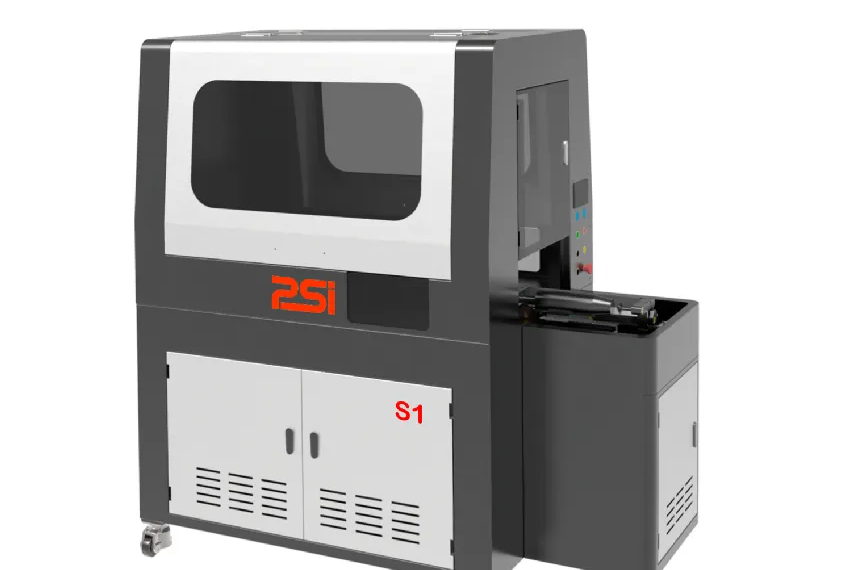
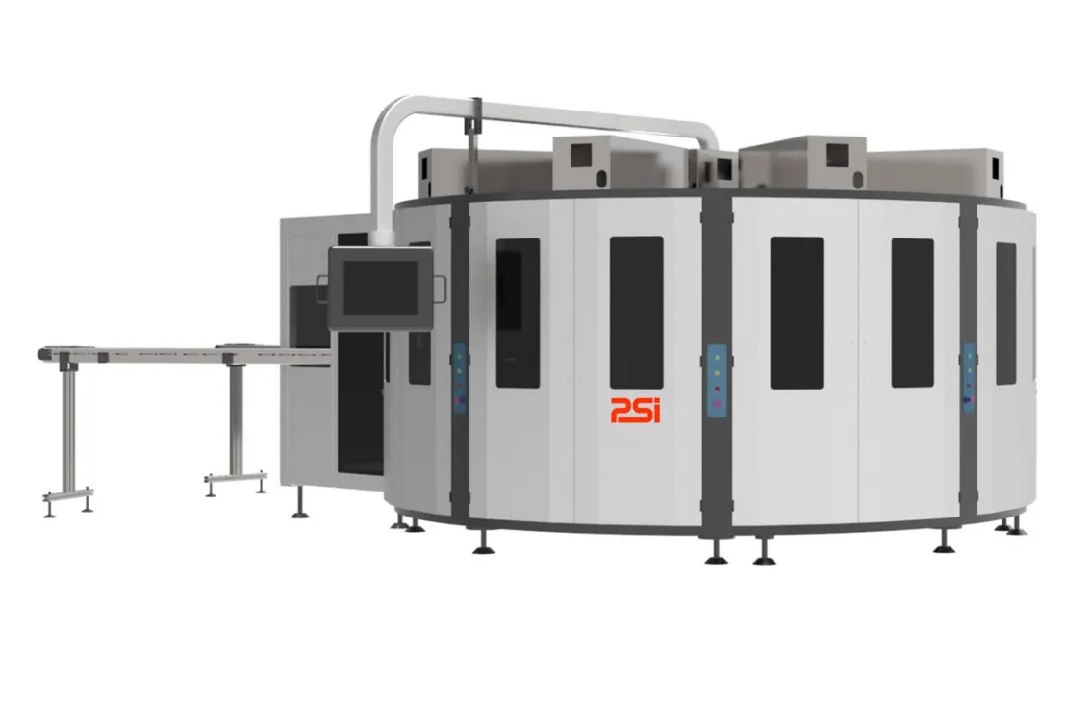
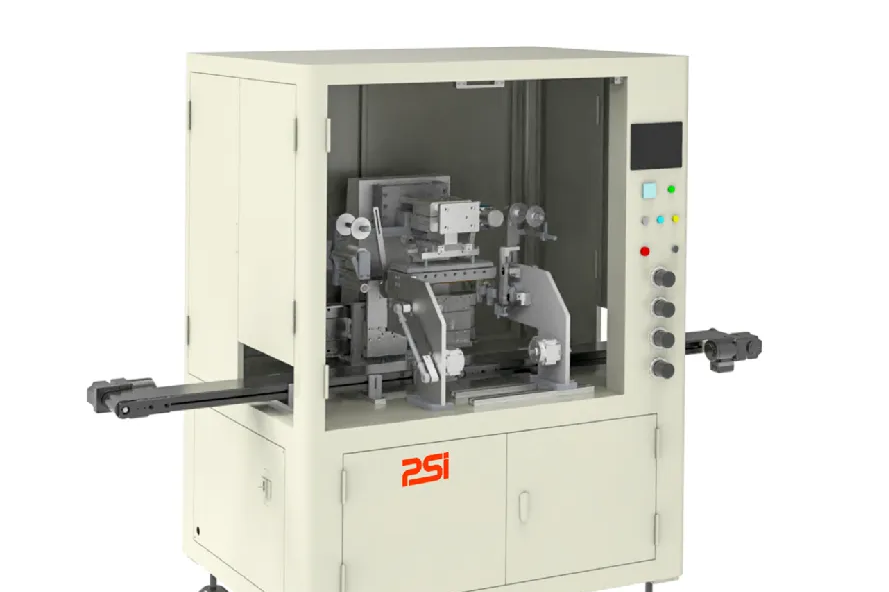
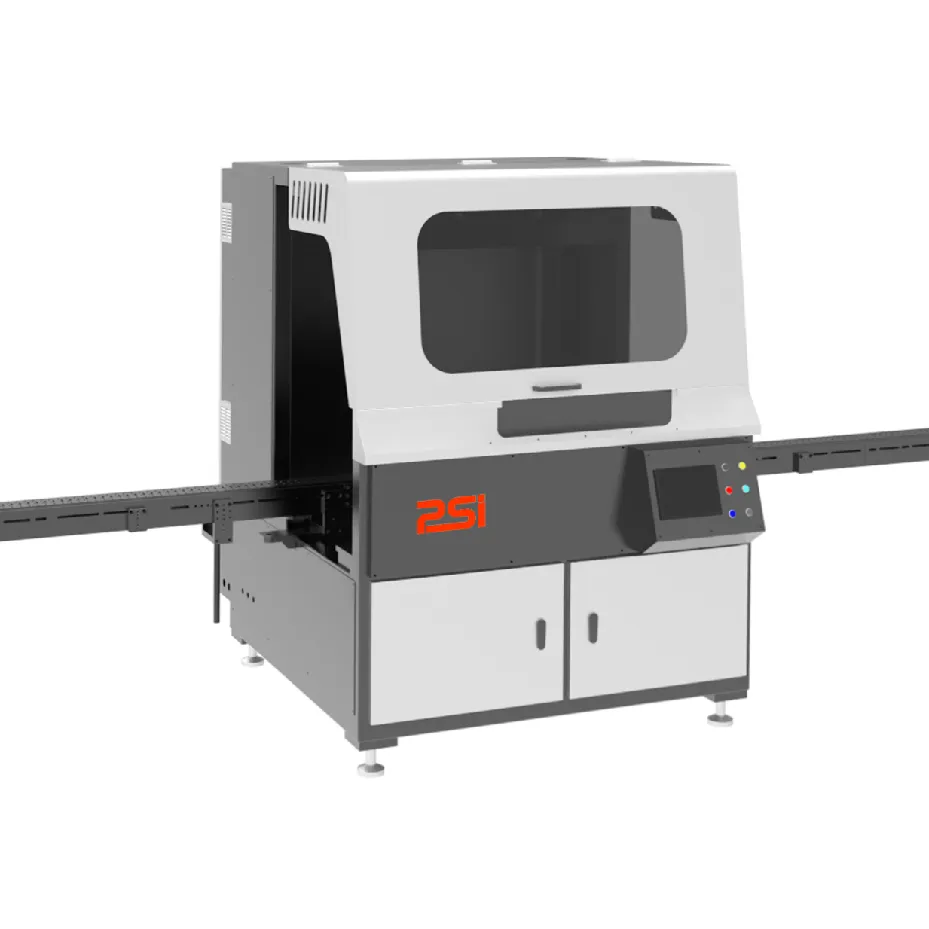
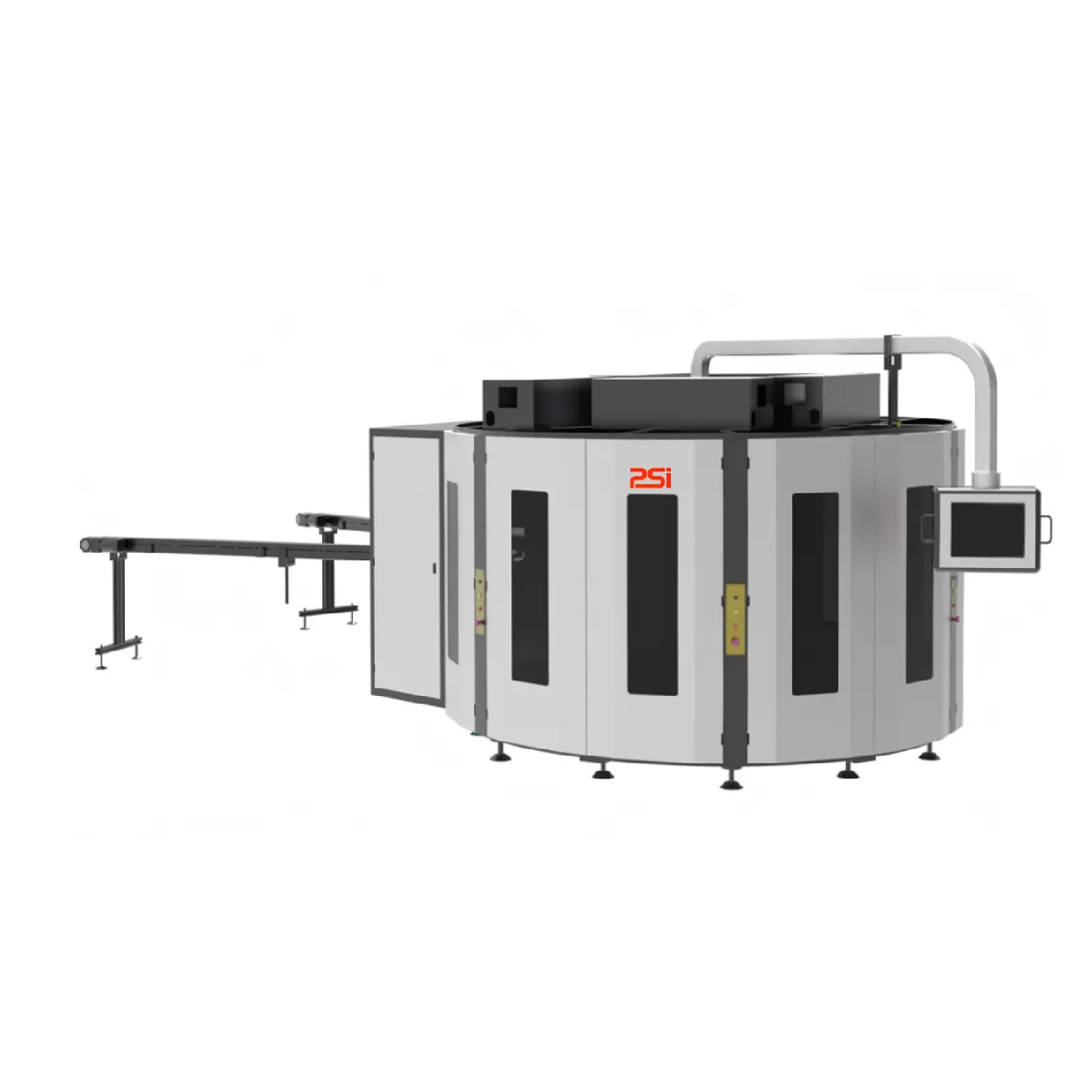
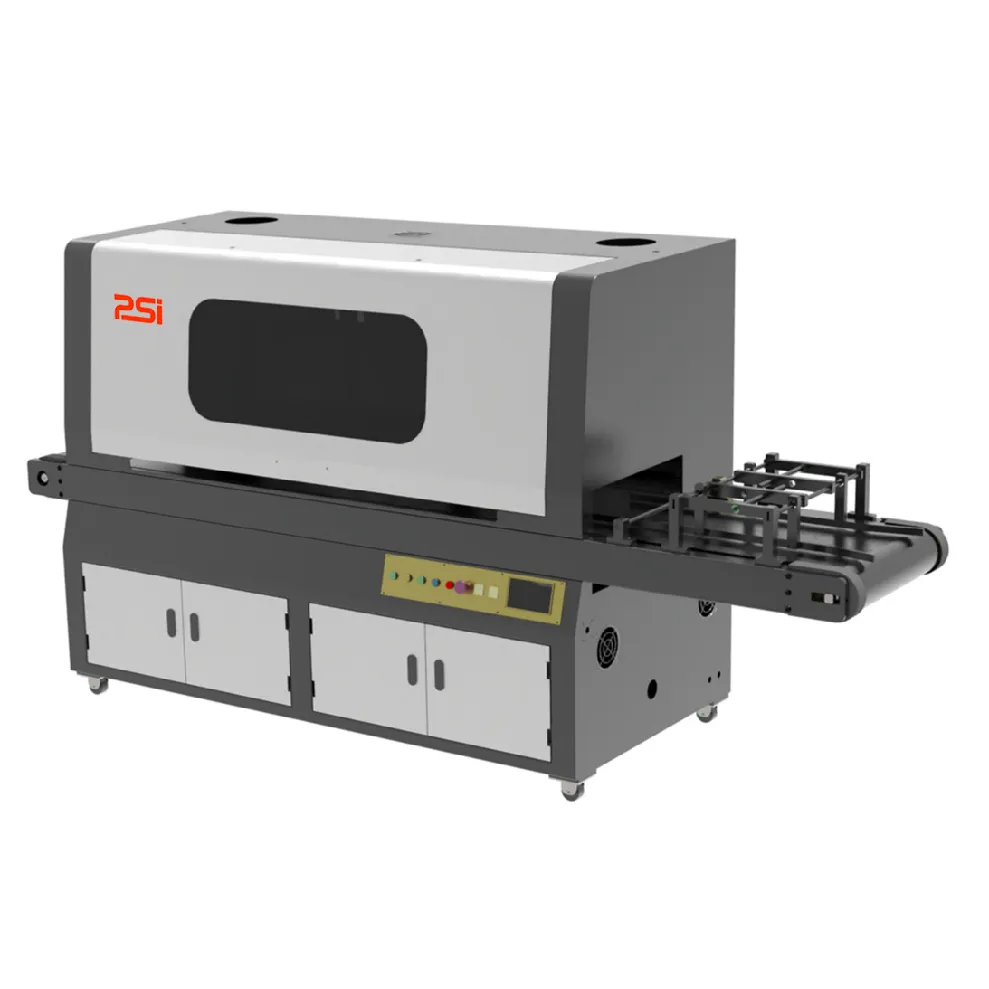
A heat transfer machine supplier serves as a crucial partner for businesses across multiple industries, providing specialized equipment designed to apply graphics, logos, and designs onto various materials through controlled heat and pressure processes. These suppliers offer comprehensive solutions that encompass both the machinery and technical support necessary for successful heat transfer operations. The primary function of a heat transfer machine supplier involves delivering equipment that can efficiently transfer vinyl, sublimation prints, rhinestones, and other decorative elements onto textiles, ceramics, metals, and synthetic materials. Modern heat transfer machines incorporate advanced digital temperature controls, ensuring precise heat distribution across the entire pressing surface. The technological features of contemporary equipment include programmable time and temperature settings, allowing operators to create custom profiles for different material types and transfer methods. Many suppliers now offer machines with dual heating elements, providing consistent results even during extended production runs. The versatility of heat transfer equipment enables applications ranging from small-scale custom apparel decoration to large-volume industrial production. Sports teams utilize these machines for jersey customization, while promotional product companies rely on them for corporate branding applications. The fashion industry benefits from heat transfer technology for creating intricate designs on garments without traditional embroidery limitations. Educational institutions and small businesses find heat transfer machines particularly valuable for creating personalized items, fundraising merchandise, and prototype development. A reliable heat transfer machine supplier typically provides ongoing technical support, training resources, and replacement parts availability. The supplier relationship extends beyond initial equipment purchase, encompassing maintenance guidance, troubleshooting assistance, and upgrade recommendations. Quality suppliers maintain extensive inventories of compatible transfer materials, ensuring customers can source all necessary components from a single vendor. The technological evolution of heat transfer equipment continues advancing, with suppliers now offering eco-friendly options, energy-efficient models, and smart connectivity features that enable remote monitoring and operation optimization.
New Product Releases

Working with a professional heat transfer machine supplier delivers numerous practical benefits that directly impact business operations and profitability. Cost efficiency represents a primary advantage, as suppliers offer competitive pricing structures that reduce initial investment requirements while maintaining equipment quality standards. Bulk purchasing power enables suppliers to negotiate better component prices, savings they frequently pass to customers through attractive equipment packages. Technical expertise stands as another significant benefit, with experienced suppliers providing comprehensive training programs that accelerate operator competency and reduce learning curves. This expertise extends to material selection guidance, helping customers choose appropriate transfer films, papers, and substrates for specific applications. Reliable suppliers maintain extensive technical documentation, including troubleshooting guides, maintenance schedules, and best practice recommendations that maximize equipment performance and longevity. Quality assurance programs ensure customers receive thoroughly tested equipment that meets industry standards and performance expectations. Reputable suppliers conduct rigorous quality control procedures, including calibration verification, component inspection, and functional testing before shipment. This attention to detail minimizes equipment downtime and reduces warranty claims, protecting customer investments and maintaining production schedules. Comprehensive warranty coverage provides additional peace of mind, with suppliers typically offering parts and labor protection that extends beyond standard manufacturer warranties. After-sales support services distinguish professional suppliers from basic equipment vendors, providing ongoing assistance that includes technical consultation, software updates, and performance optimization recommendations. Many suppliers offer flexible financing options that accommodate various budget constraints and cash flow requirements. Lease programs, rental arrangements, and installment payment plans enable businesses to acquire necessary equipment without significant upfront capital expenditure. Product variety ensures customers can select equipment configurations that precisely match their production requirements and growth projections. Suppliers typically maintain relationships with multiple manufacturers, providing access to diverse equipment options and competitive alternatives. This variety extends to accessories, replacement parts, and consumable materials, creating one-stop shopping convenience that streamlines procurement processes and reduces vendor management overhead. Geographic coverage through regional representatives or service centers ensures prompt support availability regardless of customer location. Emergency service capabilities minimize production disruptions by providing rapid response to equipment failures or technical challenges.

Latest News

Enhancing Your Brand's Impact with PSI's Cutting-Edge Inkjet Digital Printing Machines

27

Sep

Enhancing Your Brand's Impact with PSI's Cutting-Edge Inkjet Digital Printing Machines

In the domain of industrial digital printing, under the commonly used terminology of the PSI Company, high-quality inkjet digital printing machines have been successfully produced and introduced to a wide range of industries. The performance of the c...
View More
PSI Cutting-Edge Digital Inkjet and Screen Printing Machines

27

Sep

PSI Cutting-Edge Digital Inkjet and Screen Printing Machines

In today's fast-paced business environment, the impact of visual communication cannot be overstated. Brands are constantly seeking ways to stand out and connect with their audience through eye-catching designs and high-quality prints. PSI, a leading ...
View More
PSI Heat Transfer Machines:  in Customized Branding Solutions

27

Sep

PSI Heat Transfer Machines: in Customized Branding Solutions

In the realm of printing and branding, PSI  stands out as a beacon of innovation and excellence. Specializing in heat transfer machines, PSI  offers a range of products that cater to various industries, from textiles to plastics, ensuring t...
View More

Get a Free Quote

Our representative will contact you soon.
Email
Name
Company Name
Message
0/1000

heat transfer machine supplier

Advanced Temperature Control Technology

Advanced Temperature Control Technology

Modern heat transfer machine suppliers prioritize precision engineering through sophisticated temperature control systems that deliver consistent, professional results across diverse applications. These advanced control mechanisms utilize digital displays with accuracy levels reaching plus or minus one degree Fahrenheit, ensuring optimal transfer conditions for various material combinations. The technology incorporates dual-zone heating elements that maintain uniform temperature distribution across the entire pressing surface, eliminating hot spots that could damage delicate materials or create uneven transfer results. Programmable temperature profiles enable operators to store specific settings for different material types, transfer films, and production requirements, streamlining workflow processes and reducing setup time between jobs. The control systems feature automatic temperature regulation that compensates for ambient temperature fluctuations and extended operation periods, maintaining consistent performance throughout production runs. Safety features integrated into these control systems include automatic shut-off mechanisms that activate after predetermined idle periods, reducing energy consumption and preventing overheating incidents. Temperature monitoring displays provide real-time feedback, allowing operators to verify optimal conditions before initiating transfer processes. Many suppliers now offer equipment with smart connectivity features that enable remote temperature monitoring and adjustment capabilities through mobile applications or computer interfaces. This technology proves particularly valuable for multi-machine operations where centralized monitoring improves efficiency and quality control measures. The precision temperature control extends equipment lifespan by preventing thermal stress on heating elements and electronic components, reducing maintenance requirements and replacement costs. Professional heat transfer machine suppliers provide comprehensive training on temperature optimization for various applications, helping customers achieve consistent results while minimizing material waste. The technology accommodates specialty applications requiring precise temperature control, including heat-sensitive materials, multi-layer transfers, and time-critical production schedules. Advanced temperature control systems also feature rapid heat-up capabilities that reduce waiting times and increase productivity, particularly important for high-volume production environments. Quality suppliers ensure their temperature control technology meets international safety standards and provides certification documentation for regulatory compliance requirements.
Comprehensive Training and Support Programs

Comprehensive Training and Support Programs

Professional heat transfer machine suppliers distinguish themselves through extensive training and support programs that ensure customer success and equipment optimization. These comprehensive programs begin with initial equipment installation and setup assistance, where trained technicians provide on-site guidance for proper machine positioning, electrical connections, and safety protocol implementation. The training curriculum covers fundamental operating procedures, including material preparation techniques, transfer application methods, and quality control measures that prevent common production errors. Hands-on instruction sessions allow operators to practice with various material types and transfer methods under expert supervision, building confidence and competency before independent operation. Advanced training modules address troubleshooting procedures, routine maintenance requirements, and performance optimization techniques that maximize equipment efficiency and longevity. Suppliers typically provide detailed operation manuals, video tutorials, and reference guides that serve as ongoing resources for operators and management personnel. Online training platforms offer flexible learning options that accommodate busy schedules and remote locations, ensuring all team members receive adequate instruction regardless of geographic constraints. Certification programs validate operator competency and provide documentation for quality assurance requirements or customer confidence initiatives. Technical support services extend beyond initial training, offering ongoing consultation for production challenges, material compatibility questions, and process improvement opportunities. Many suppliers maintain dedicated support hotlines staffed by experienced technicians who can provide immediate assistance for operational questions or equipment issues. Remote diagnostic capabilities enable suppliers to assess equipment performance and identify potential problems without requiring on-site visits, reducing downtime and service costs. Regular follow-up communications ensure customers remain informed about software updates, maintenance recommendations, and new application techniques that could benefit their operations. Training programs often include business development components that address market opportunities, pricing strategies, and customer service techniques relevant to heat transfer applications. Suppliers frequently organize user conferences, workshops, and demonstration events that provide networking opportunities and exposure to industry best practices. Documentation and training materials receive regular updates to reflect technological advances, new material options, and evolving industry standards, ensuring customers maintain current knowledge and competitive advantages.
Versatile Equipment Solutions for Multiple Applications

Versatile Equipment Solutions for Multiple Applications

Leading heat transfer machine suppliers offer versatile equipment solutions that accommodate diverse application requirements across numerous industries and production scales. This versatility stems from modular design approaches that allow customers to configure equipment specifications according to specific production needs and budget constraints. Multi-functional machines capable of handling various transfer types, including vinyl graphics, sublimation prints, rhinestone applications, and direct-to-garment transfers, provide exceptional value for businesses serving diverse customer bases. The equipment accommodates multiple material types, from traditional cotton textiles to synthetic fabrics, leather goods, ceramic tiles, and metal surfaces, expanding market opportunities for heat transfer operators. Size variations ranging from compact desktop units suitable for small-scale operations to large industrial presses capable of handling oversized items ensure appropriate solutions for every production requirement. Interchangeable pressing plates and specialized accessories enable quick changeovers between different application types, maximizing equipment utilization and production flexibility. Automated features available in advanced models include pneumatic opening and closing mechanisms, programmable cycle times, and automatic pressure adjustment systems that improve consistency while reducing operator fatigue. The versatility extends to production volume capabilities, with equipment options suitable for prototype development, small batch customization, and high-volume manufacturing operations. Suppliers often provide equipment packages that include complementary tools such as vinyl cutters, weeding tools, and alignment guides, creating complete production solutions from single vendors. Mobile and portable equipment options serve businesses requiring on-site services or limited workspace environments, maintaining professional results despite space constraints. Energy-efficient designs reduce operational costs while meeting environmental responsibility requirements, appealing to sustainability-conscious customers and regulatory compliance needs. The equipment versatility supports business growth by accommodating expanding product lines and increasing production volumes without requiring complete equipment replacement. Suppliers typically offer upgrade paths and retrofitting options that extend equipment capabilities as customer needs evolve, protecting initial investments and maintaining competitive positioning. Compatibility with various software platforms and design programs ensures seamless integration with existing workflow systems and creative processes. Quality suppliers provide application guides and sample libraries that demonstrate equipment capabilities across different materials and techniques, helping customers identify new business opportunities and revenue streams.