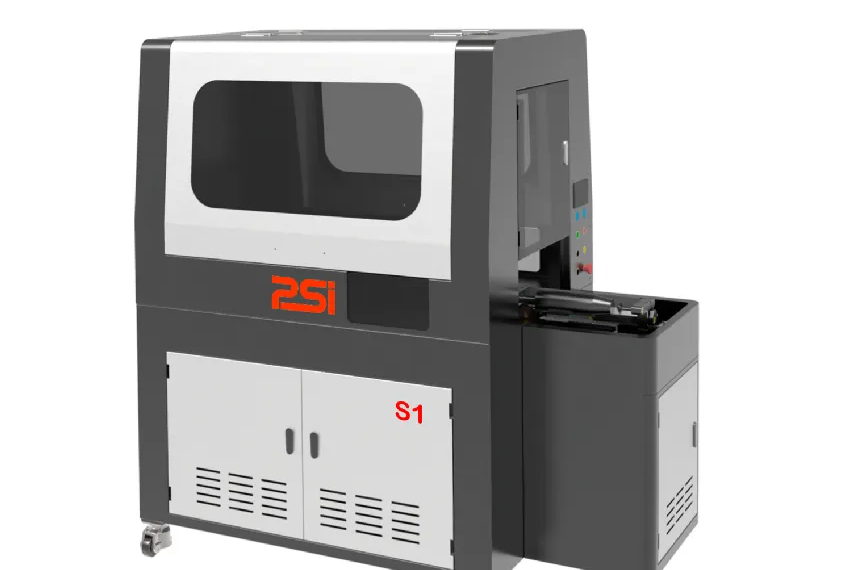
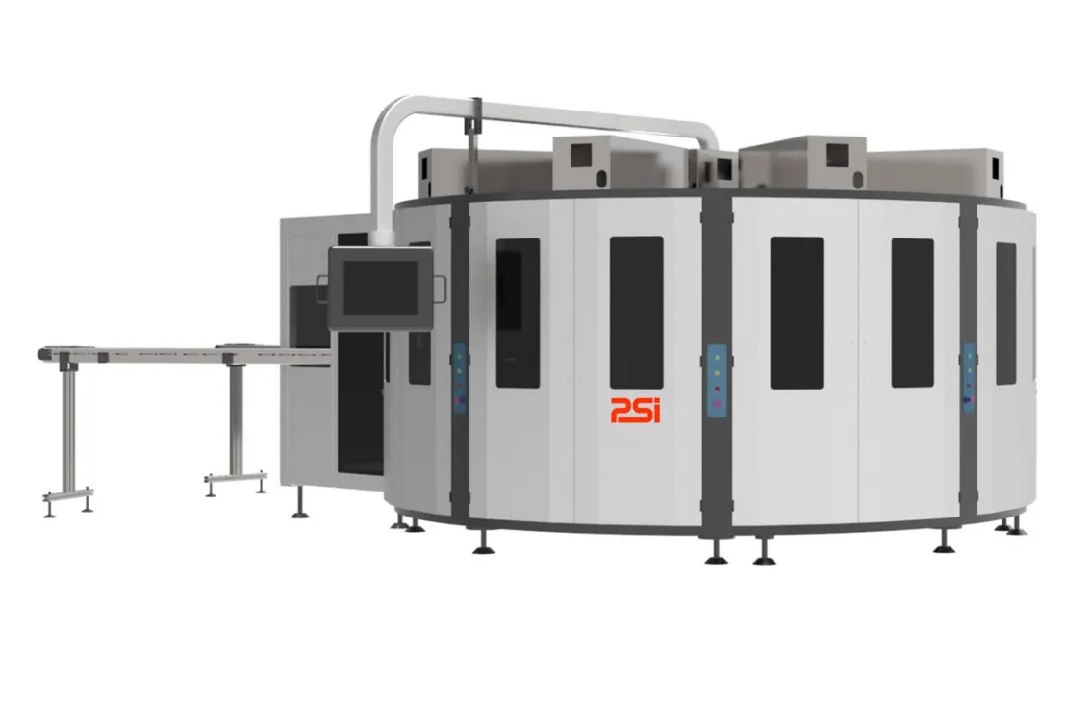
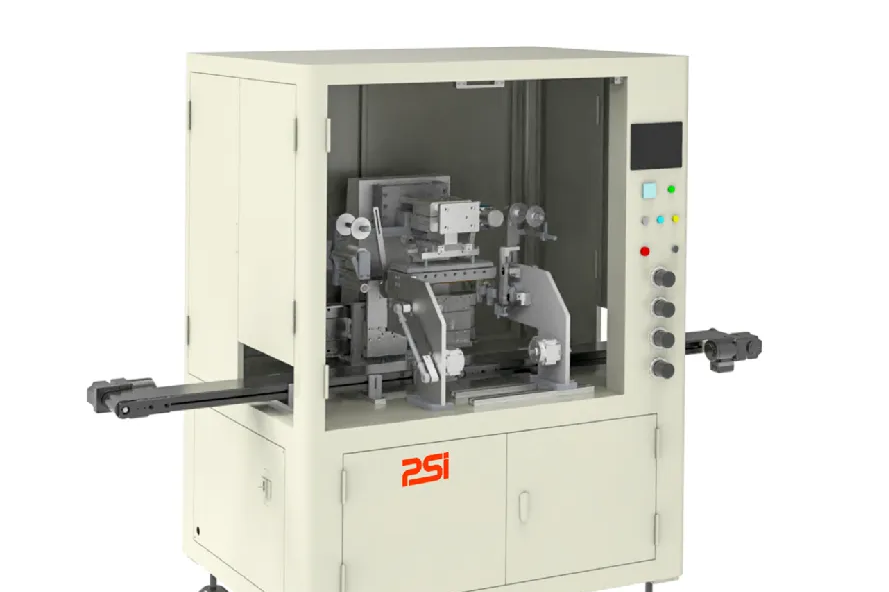
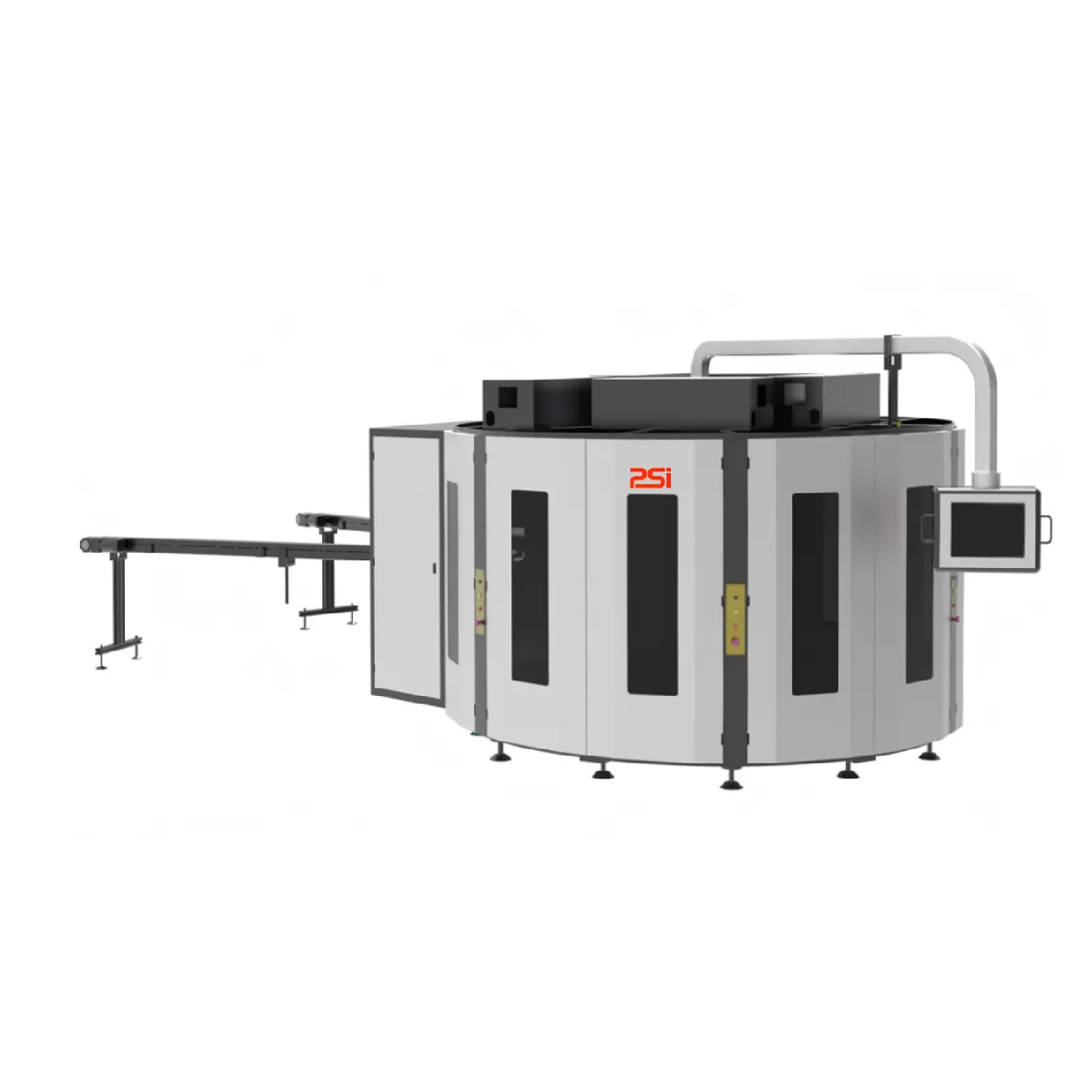
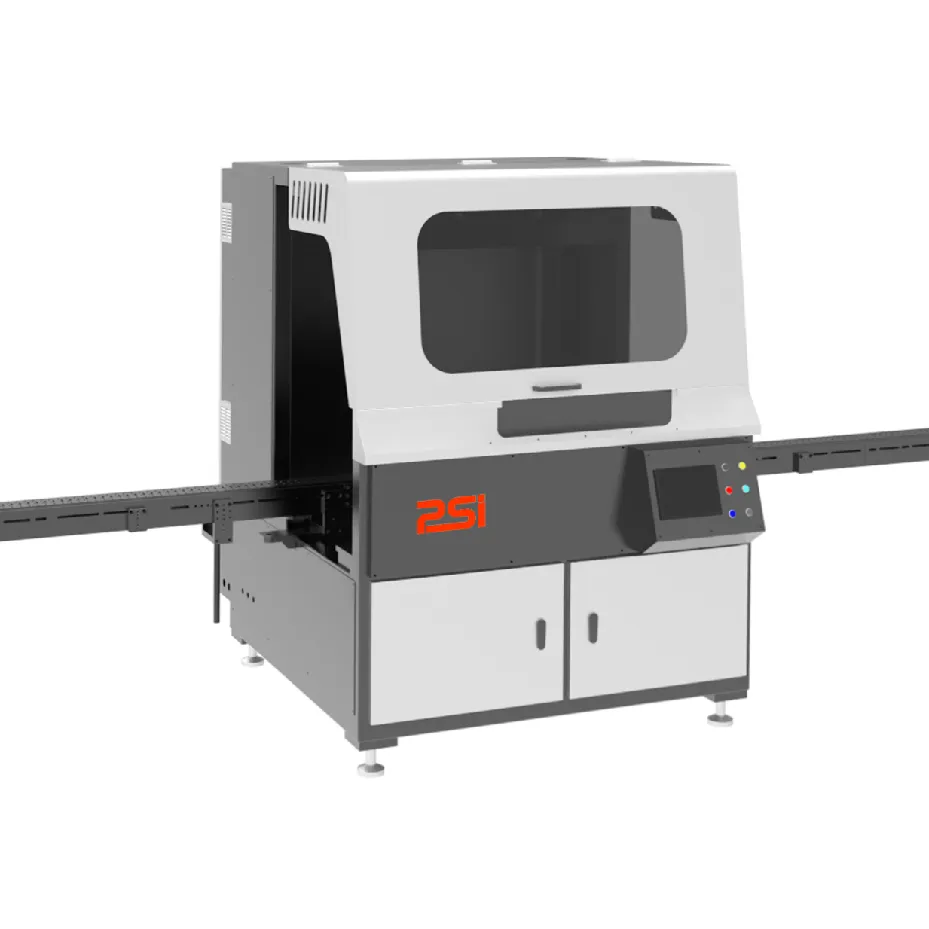
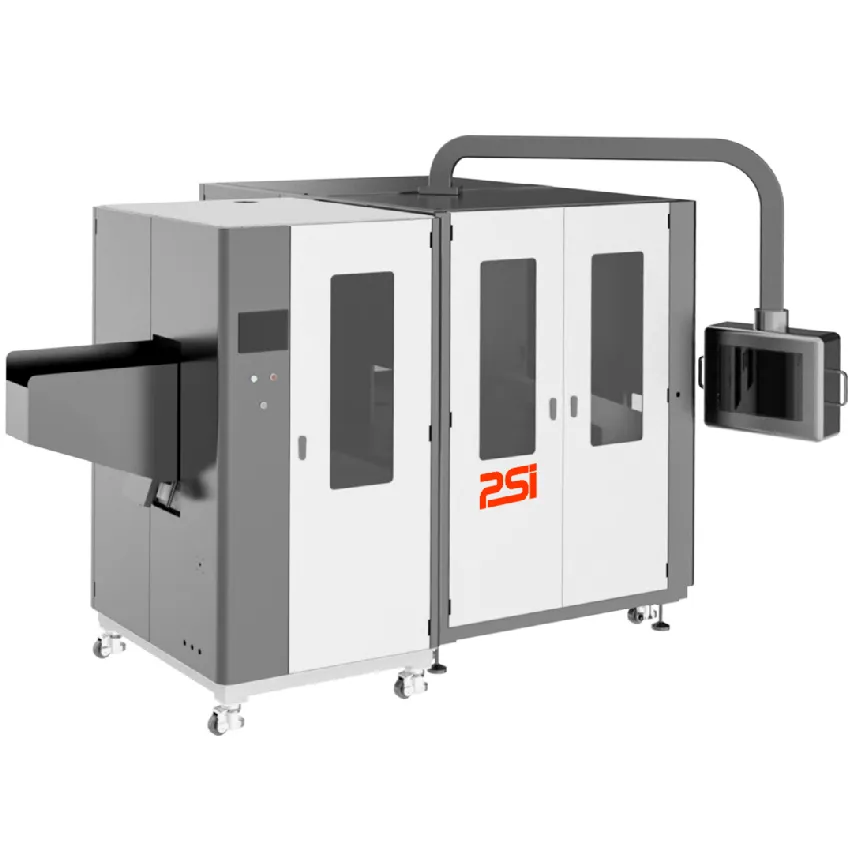
Premium High Quality Heat Transfer Machine - Advanced Thermal Processing Solutions

Contact me immediately if you encounter problems!

All Categories

high quality heat transfer machine

A high quality heat transfer machine represents cutting-edge technology designed to facilitate efficient thermal energy exchange between different mediums or surfaces. These sophisticated devices operate through advanced mechanisms that enable precise temperature control and consistent heat distribution across various materials and applications. The primary function of a high quality heat transfer machine centers on transferring thermal energy from one location to another while maintaining optimal efficiency and minimal energy loss. Modern heat transfer machines incorporate state-of-the-art components including precision-engineered heat exchangers, advanced control systems, and intelligent monitoring capabilities that ensure reliable performance across diverse operating conditions. The technological features of these machines encompass automated temperature regulation, variable speed controls, enhanced safety protocols, and user-friendly interfaces that simplify operation and maintenance procedures. Industrial applications for high quality heat transfer machines span numerous sectors including manufacturing, food processing, pharmaceutical production, chemical processing, and HVAC systems. These machines excel in processes requiring controlled heating, cooling, or thermal conditioning of materials, products, or environments. The versatility of heat transfer machines makes them indispensable for applications ranging from simple heating tasks to complex thermal management systems. Advanced models feature digital displays, programmable settings, and remote monitoring capabilities that enable operators to maintain precise control over thermal processes. The robust construction of quality heat transfer machines ensures durability and longevity even under demanding operational conditions, making them valuable investments for businesses requiring reliable thermal processing equipment.
Popular Products

The primary advantage of investing in a high quality heat transfer machine lies in its exceptional energy efficiency, which translates directly into reduced operational costs and environmental impact. These machines utilize advanced thermal dynamics to maximize heat transfer while minimizing energy consumption, often achieving efficiency ratings that exceed traditional heating and cooling systems by significant margins. This efficiency stems from precision-engineered components that optimize thermal conductivity and reduce energy waste through superior insulation and advanced control mechanisms. Another significant benefit involves the precise temperature control capabilities that ensure consistent results across all applications. Unlike conventional heating systems that experience temperature fluctuations, a high quality heat transfer machine maintains steady thermal output through sophisticated feedback systems and automated adjustments. This consistency proves crucial for applications requiring exact temperature specifications, eliminating product defects and reducing material waste. The durability and reliability of quality heat transfer machines provide long-term value through reduced maintenance requirements and extended operational lifespans. These machines incorporate premium materials and components designed to withstand continuous operation under demanding conditions, resulting in fewer breakdowns and lower repair costs. The advanced monitoring systems built into modern heat transfer machines enable predictive maintenance, allowing operators to address potential issues before they cause expensive downtime. Versatility represents another key advantage, as quality heat transfer machines can be adapted for multiple applications within a single facility. This flexibility allows businesses to maximize their equipment investment by utilizing the same machine for various thermal processing needs. The user-friendly controls and automated features reduce training requirements and minimize operator error, leading to improved productivity and safety. Additionally, many high quality heat transfer machines offer rapid heating and cooling cycles, significantly reducing processing times compared to traditional methods. This speed advantage enables higher throughput and improved production efficiency, particularly valuable in time-sensitive manufacturing environments where quick turnaround times directly impact profitability.

Practical Tips

Enhancing Your Brand's Impact with PSI's Cutting-Edge Inkjet Digital Printing Machines

27

Sep

Enhancing Your Brand's Impact with PSI's Cutting-Edge Inkjet Digital Printing Machines

In the domain of industrial digital printing, under the commonly used terminology of the PSI Company, high-quality inkjet digital printing machines have been successfully produced and introduced to a wide range of industries. The performance of the c...
View More
PSI Cutting-Edge Digital Inkjet and Screen Printing Machines

27

Sep

PSI Cutting-Edge Digital Inkjet and Screen Printing Machines

In today's fast-paced business environment, the impact of visual communication cannot be overstated. Brands are constantly seeking ways to stand out and connect with their audience through eye-catching designs and high-quality prints. PSI, a leading ...
View More
PSI Heat Transfer Machines:  in Customized Branding Solutions

27

Sep

PSI Heat Transfer Machines: in Customized Branding Solutions

In the realm of printing and branding, PSI  stands out as a beacon of innovation and excellence. Specializing in heat transfer machines, PSI  offers a range of products that cater to various industries, from textiles to plastics, ensuring t...
View More

Get a Free Quote

Our representative will contact you soon.
Email
Name
Company Name
Message
0/1000

high quality heat transfer machine

Advanced Precision Control Technology

Advanced Precision Control Technology

The cornerstone of any high quality heat transfer machine lies in its advanced precision control technology, which revolutionizes thermal management through sophisticated automation and monitoring systems. This cutting-edge technology incorporates multiple sensors and feedback loops that continuously monitor temperature variations across different zones, ensuring optimal thermal distribution and preventing hot spots or cold zones that could compromise product quality. The precision control system utilizes advanced algorithms that can detect minute temperature changes and automatically adjust heating or cooling output within seconds, maintaining consistent thermal conditions regardless of external factors or load variations. This level of precision proves invaluable in applications where temperature deviations can result in product defects, material waste, or compromised safety standards. The intelligent control interface allows operators to program complex thermal profiles with multiple heating and cooling stages, enabling sophisticated processes that require precise timing and temperature transitions. These systems store multiple preset configurations, allowing quick changeovers between different production requirements without lengthy setup procedures. The real-time monitoring capabilities provide comprehensive data logging and trend analysis, helping operators optimize processes and identify potential improvements. Remote monitoring and control features enable facility managers to oversee multiple machines from centralized locations, improving operational efficiency and reducing staffing requirements. The precision control technology also incorporates safety interlocks and emergency shutdown protocols that protect both equipment and personnel from potentially dangerous situations. Advanced diagnostic capabilities provide early warning of component wear or system irregularities, enabling proactive maintenance scheduling that prevents costly unexpected failures.
Superior Energy Efficiency and Cost Reduction

Superior Energy Efficiency and Cost Reduction

Superior energy efficiency stands as a defining characteristic of high quality heat transfer machines, delivering substantial cost savings and environmental benefits that justify the initial investment through rapid return on investment. These machines achieve remarkable efficiency through innovative heat recovery systems that capture and reuse thermal energy that would otherwise be lost to the environment, often improving overall system efficiency by twenty to thirty percent compared to conventional heating methods. The advanced insulation technologies and precision-sealed construction minimize thermal losses, ensuring that energy input translates directly into useful heating or cooling output rather than wasteful heat dissipation. Variable frequency drives and smart load management systems automatically adjust power consumption based on actual demand, preventing energy waste during periods of reduced thermal requirements. This intelligent power management can reduce electrical consumption by up to forty percent in typical industrial applications, resulting in significant monthly utility savings that accumulate into substantial annual cost reductions. The efficiency gains become even more pronounced in facilities with high thermal processing volumes, where the cumulative savings from reduced energy consumption quickly offset equipment costs. Additionally, the improved efficiency contributes to reduced carbon footprint and compliance with increasingly stringent environmental regulations, positioning businesses as responsible corporate citizens while potentially qualifying for energy efficiency rebates and tax incentives. The consistent thermal output achieved through efficient operation also reduces material waste and rework costs, as products receive uniform heating or cooling treatment that meets quality specifications on the first pass. Maintenance costs remain lower due to reduced component stress from efficient operation, extending equipment lifespan and reducing replacement part requirements over the machine's operational lifetime.
Robust Construction and Reliability

Robust Construction and Reliability

The robust construction and exceptional reliability of high quality heat transfer machines provide long-term operational security and minimize unexpected downtime that can severely impact production schedules and profitability. These machines feature heavy-duty construction using premium materials specifically selected for their thermal properties, corrosion resistance, and mechanical durability under continuous high-temperature operation. The structural integrity incorporates reinforced frames, precision-machined components, and industrial-grade fasteners that maintain alignment and functionality even under thermal expansion and contraction cycles that would compromise lesser equipment. Advanced metallurgy in heat exchanger construction ensures optimal thermal conductivity while resisting degradation from temperature extremes, chemical exposure, and mechanical stress over extended operational periods. The reliability stems from comprehensive quality control processes during manufacturing, including extensive testing protocols that verify performance under simulated real-world conditions before shipment. These machines undergo rigorous burn-in testing that identifies potential weak points and ensures consistent performance from initial startup through years of continuous operation. The modular design philosophy enables easy access to critical components for routine maintenance and inspection, reducing service time and associated labor costs. Preventive maintenance schedules become more predictable due to the consistent wear patterns of quality components, allowing facility managers to plan maintenance activities during scheduled downtime rather than responding to emergency failures. The robust construction includes redundant safety systems and fail-safe mechanisms that protect the equipment from damage even during operator error or unexpected system anomalies. This reliability translates into consistent production output, meeting delivery commitments and maintaining customer satisfaction. The proven track record of reliable operation also supports better maintenance planning and budgeting, as replacement parts and service intervals become predictable expenses rather than unpredictable emergency costs.