Versatile Material Compatibility and Application Range
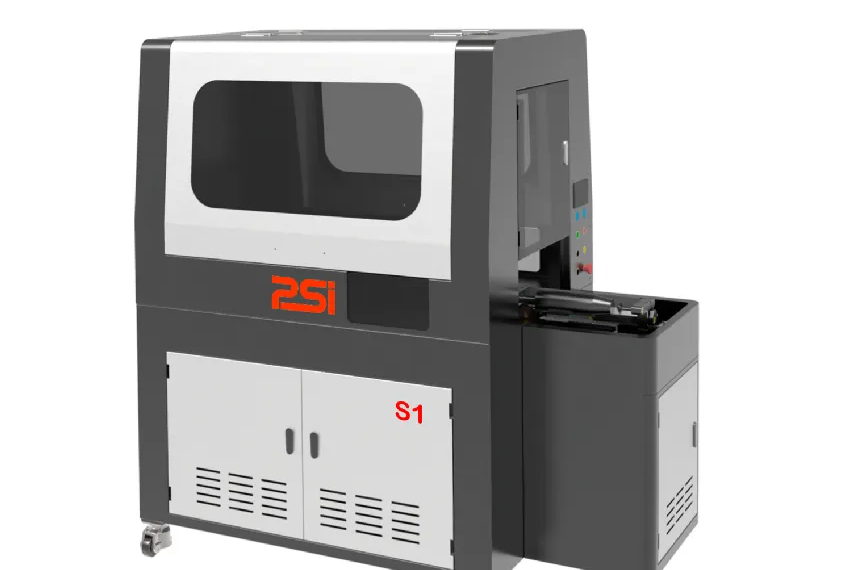
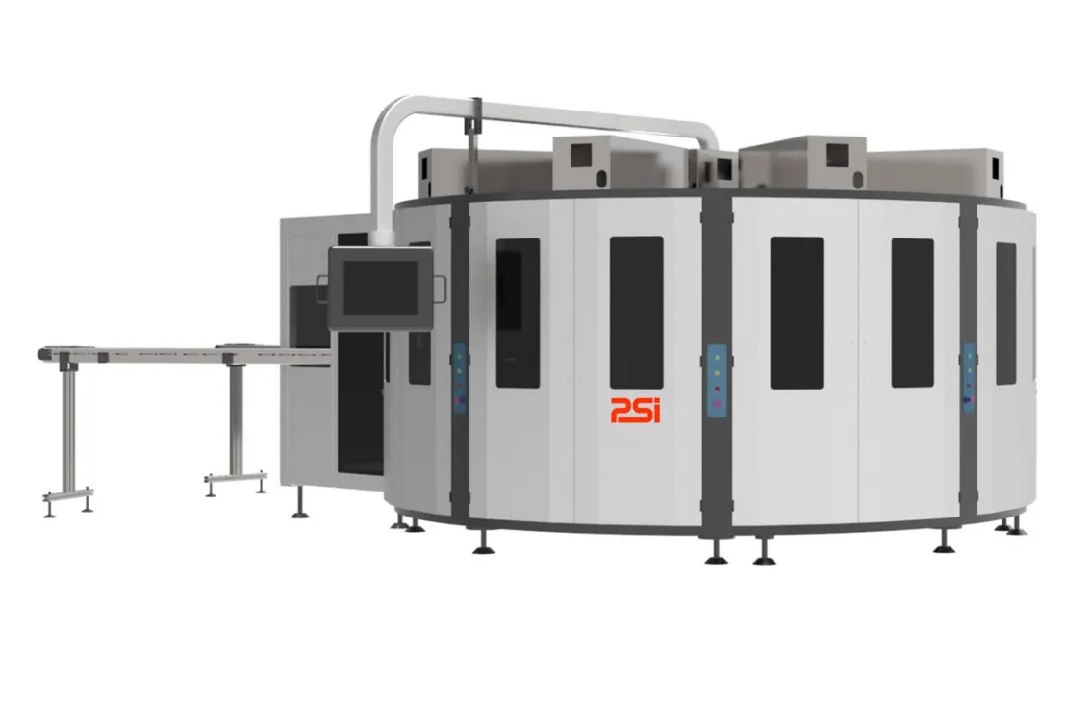
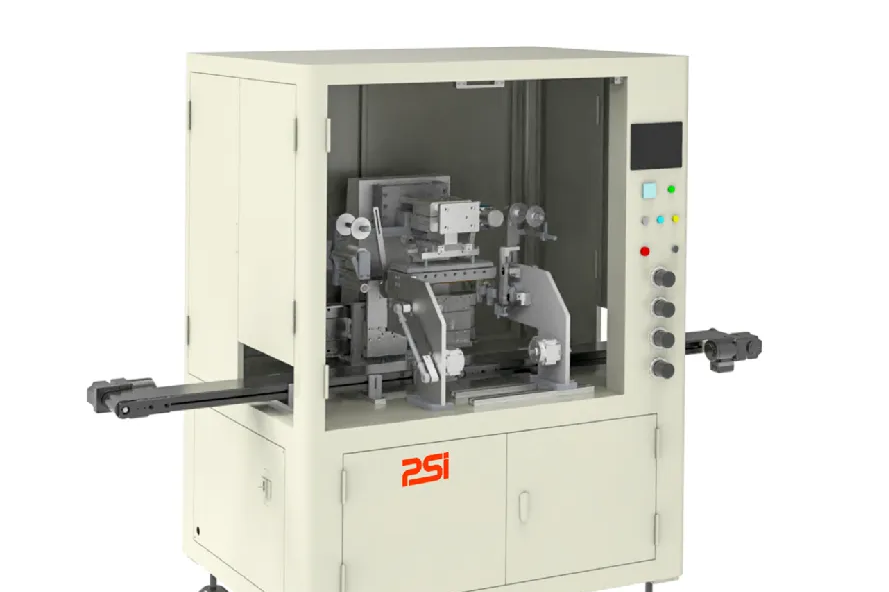
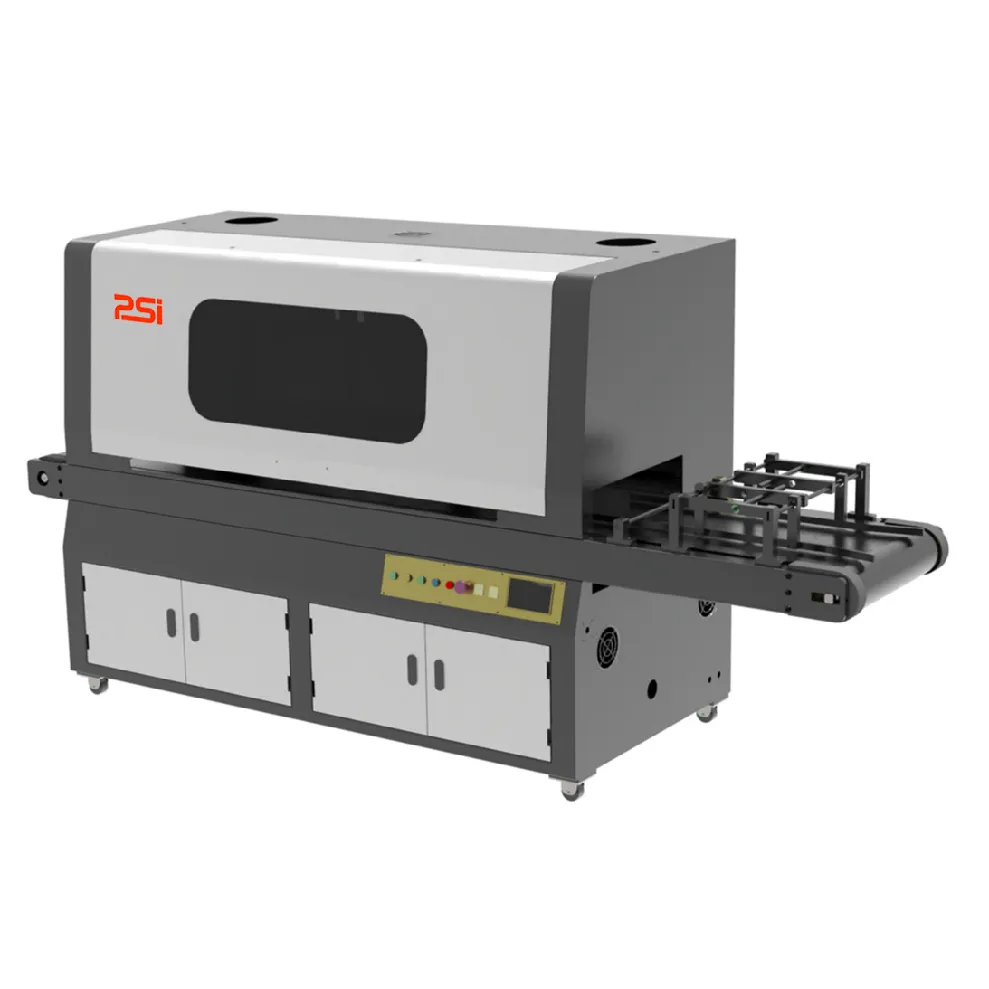
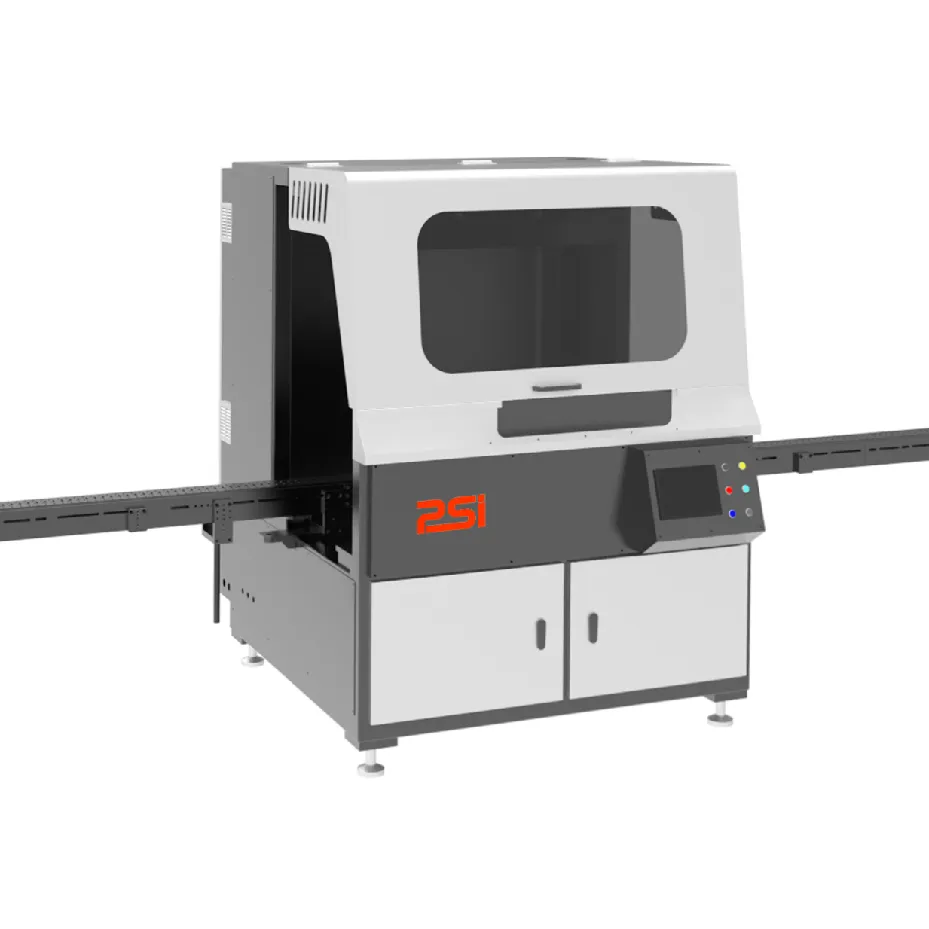
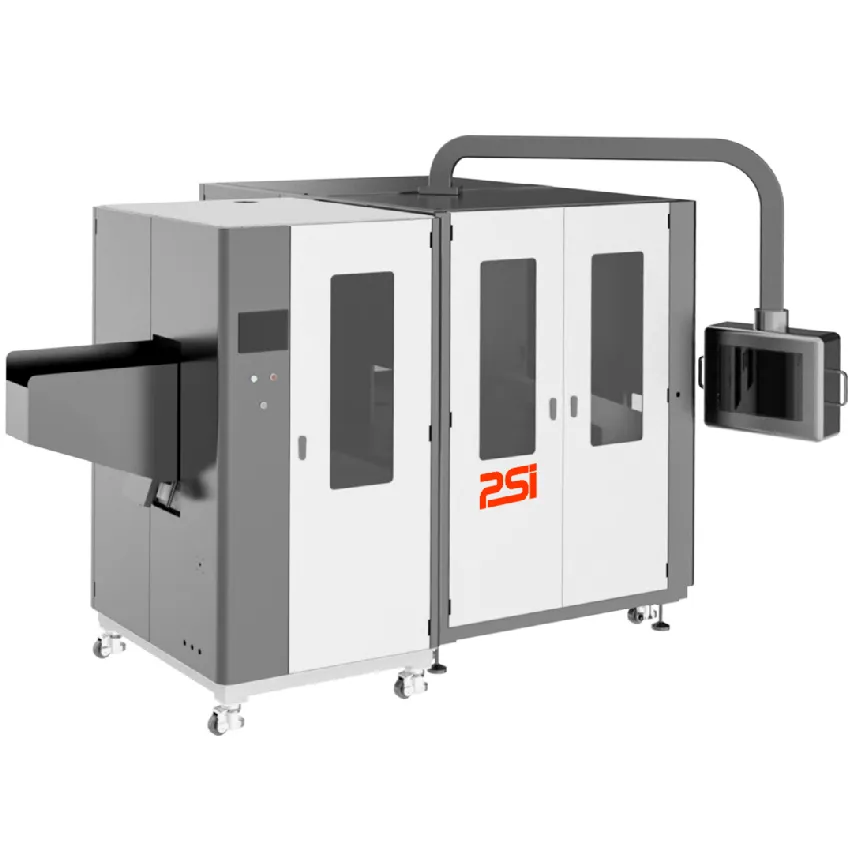
The exceptional material compatibility of the hot foil pencil stamping machine opens unlimited possibilities for diverse industrial applications across multiple sectors. This equipment successfully processes an extensive range of substrates including various plastics, metals, leather, paper, cardboard, and composite materials without requiring significant configuration changes. The machine accommodates different material thicknesses from thin films to substantial sheets, providing flexibility for manufacturers working with diverse product lines. Advanced pressure control systems automatically adjust to material properties, ensuring optimal foil transfer regardless of substrate hardness or surface texture. The hot foil pencil stamping machine supports numerous foil types, including metallic finishes, colored films, holographic materials, and specialized industrial marking foils that meet specific regulatory requirements. This versatility eliminates the need for multiple specialized machines, reducing capital investment and floor space requirements. The equipment handles complex geometries and curved surfaces through adjustable stamping heads that conform to product contours. Temperature profiles can be customized for each material combination, optimizing adhesion while preventing substrate damage. The hot foil pencil stamping machine excels in automotive applications, creating durable part markings that withstand harsh environmental conditions. Electronics manufacturing benefits from precise component identification that survives assembly processes and field service requirements. Packaging applications range from luxury product decoration to mandatory compliance marking, supporting both aesthetic and functional needs. The machine processes medical device components with biocompatible foils that meet strict regulatory standards. Promotional product manufacturing leverages the decorative capabilities to create eye-catching items that enhance brand recognition. The versatility extends to prototype development, allowing manufacturers to test marking solutions before committing to high-volume production. Quality validation procedures ensure consistent results across all supported materials, maintaining professional standards regardless of application complexity. The broad compatibility reduces inventory requirements by standardizing on a single marking solution that handles multiple product lines efficiently.
 EN
EN
 AR
AR FR
FR DE
DE HI
HI IT
IT JA
JA KO
KO PT
PT RU
RU ES
ES IW
IW ID
ID VI
VI TH
TH TR
TR FA
FA