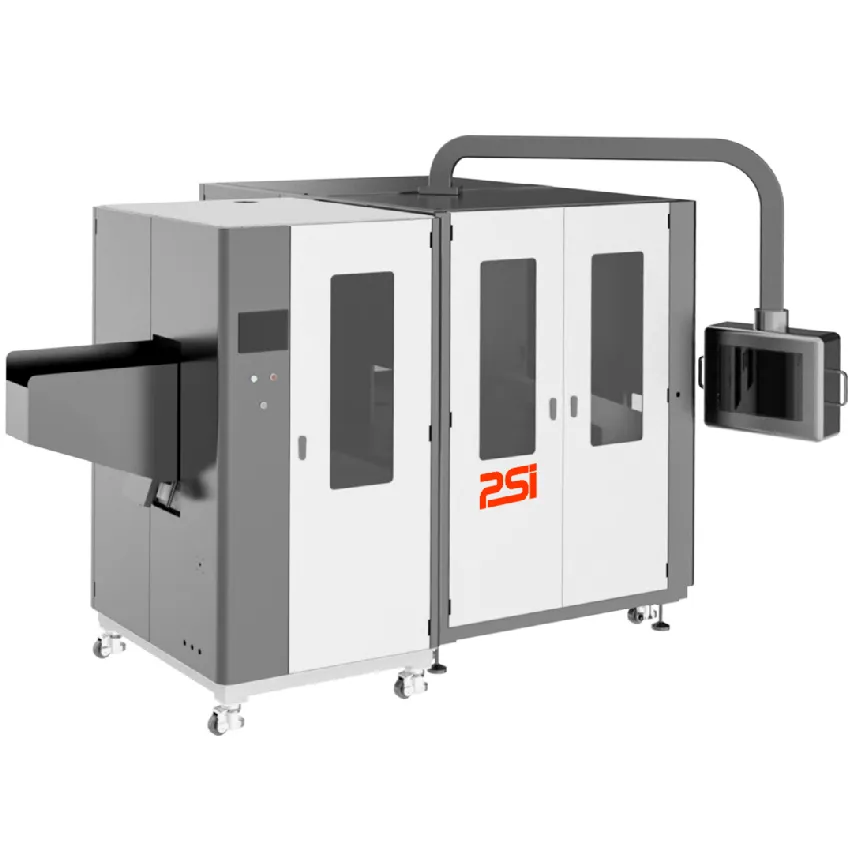
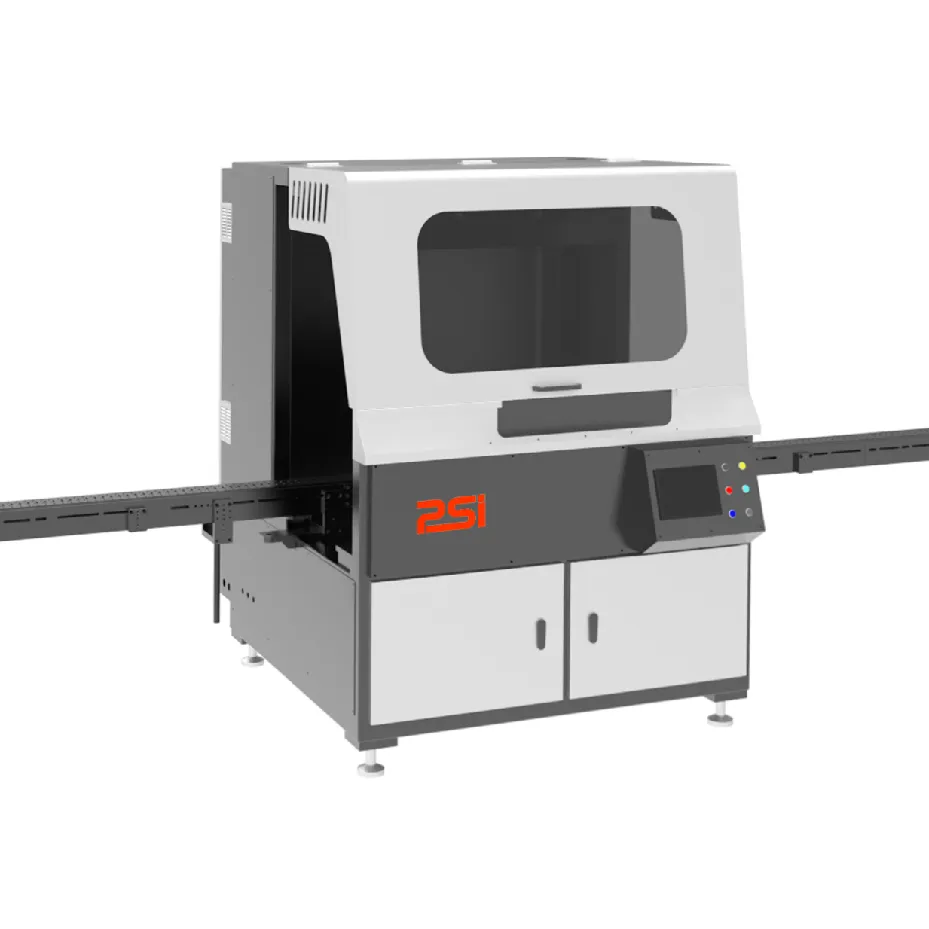
Professional Hot Stamping Machine - Advanced Industrial Foil Transfer Equipment

Contact me immediately if you encounter problems!

All Categories

professional hot stamping machine

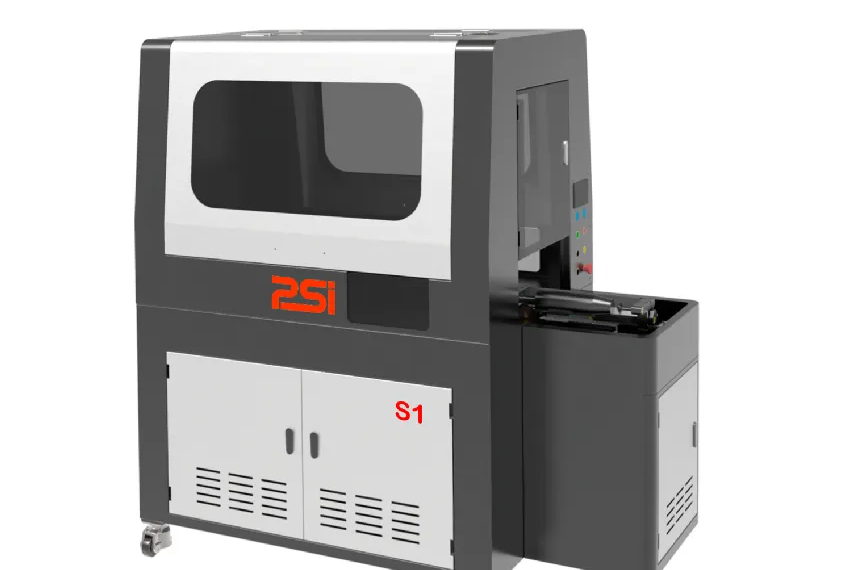
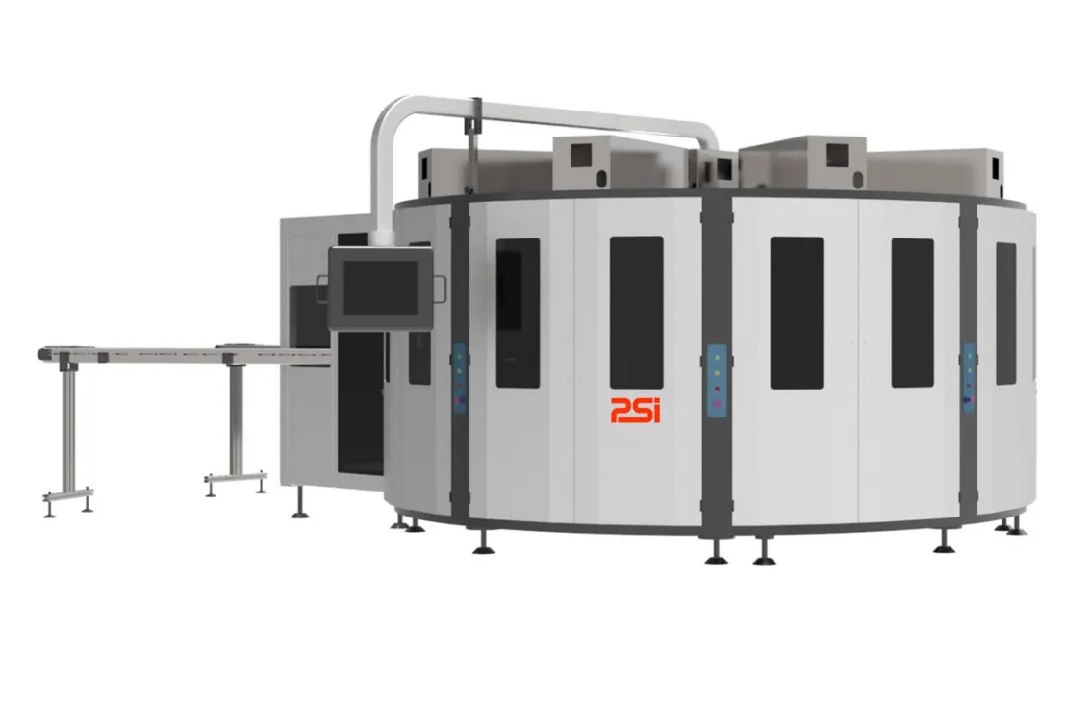
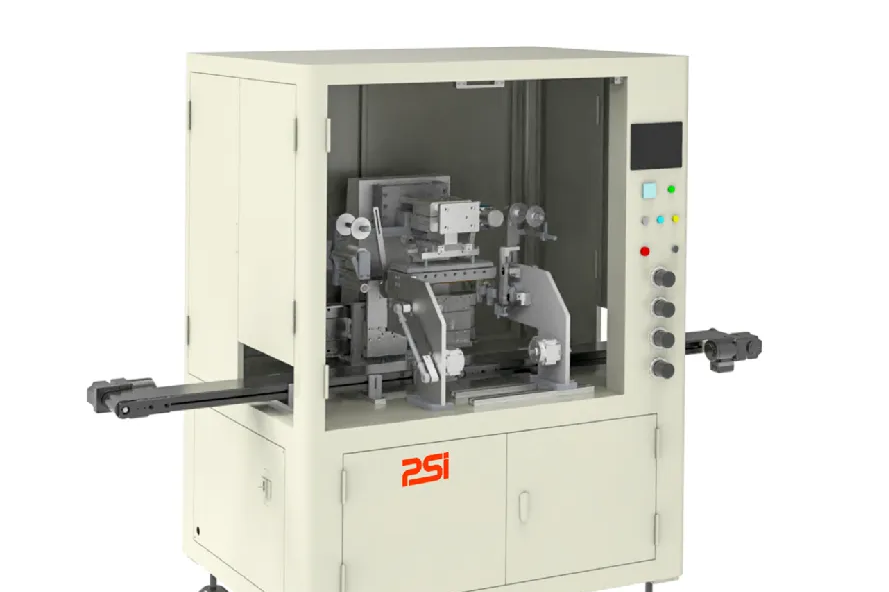
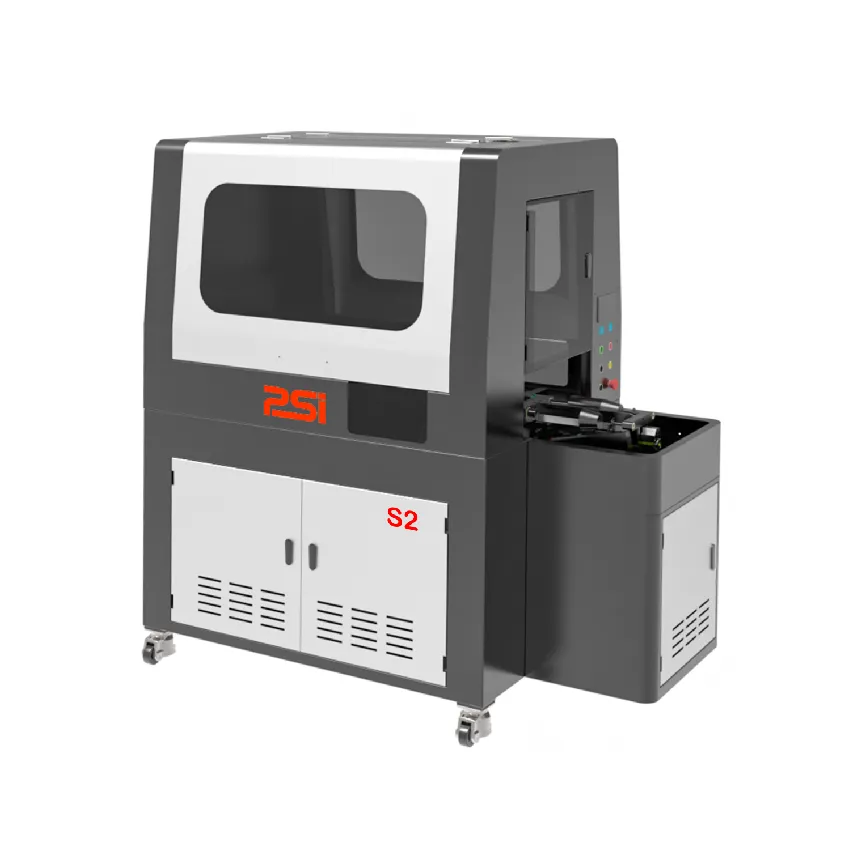
A professional hot stamping machine represents a sophisticated piece of industrial equipment designed to apply metallic or colored foils onto various substrate materials through controlled heat and pressure. This advanced manufacturing tool utilizes precision-engineered heating elements, pneumatic or hydraulic pressure systems, and digital temperature controls to create high-quality decorative finishes on products ranging from packaging materials to electronic components. The professional hot stamping machine operates by heating a metallic die or plate to optimal temperatures, typically between 120-200 degrees Celsius, which activates the adhesive layer of specialized stamping foils. When the heated die presses against the foil and substrate combination, it creates a permanent bond that transfers the decorative material onto the target surface. Modern professional hot stamping machines incorporate advanced features such as programmable logic controllers, servo-driven positioning systems, and multi-zone temperature management capabilities. These technological innovations enable operators to achieve consistent results across large production runs while maintaining precise control over stamping parameters. The machines are engineered with robust steel frames and precision-machined components to withstand continuous operation in demanding industrial environments. Professional hot stamping machines find extensive applications across multiple industries including automotive manufacturing, electronics production, cosmetics packaging, book binding, and luxury goods decoration. In the automotive sector, these machines apply decorative trim elements and branding logos to interior components. Electronics manufacturers utilize professional hot stamping machines to create conductive pathways on circuit boards and apply product identification labels. The packaging industry relies heavily on these machines to enhance product appeal through metallic accents and brand identification elements. Professional hot stamping machines offer remarkable versatility in terms of compatible materials, working effectively with paper, cardboard, plastic films, leather, fabric, and even certain metal surfaces, making them indispensable tools for diverse manufacturing operations.
New Product Releases

Professional hot stamping machines deliver exceptional cost-effectiveness compared to alternative decorating methods, significantly reducing per-unit production costs when handling medium to large volume orders. These machines eliminate the need for expensive inks, solvents, or chemical treatments, relying instead on dry foil transfer processes that minimize waste and environmental impact. The operational efficiency of a professional hot stamping machine translates into faster production cycles, with modern units capable of completing stamping operations in seconds rather than minutes required by traditional printing methods. Quality consistency represents another major advantage, as professional hot stamping machines maintain uniform pressure distribution and temperature control throughout extended production runs. This consistency ensures that every stamped item meets identical quality standards, reducing rejection rates and improving overall product reliability. Professional hot stamping machines require minimal maintenance compared to complex printing equipment, featuring fewer moving parts and simpler operational mechanisms that reduce downtime and service costs. The durability of foil-stamped finishes exceeds that of many printed alternatives, providing superior resistance to fading, scratching, and wear under normal handling conditions. This longevity makes professional hot stamping machines particularly valuable for products requiring long-term aesthetic appeal. Flexibility in design changes represents a significant operational advantage, as professional hot stamping machines accommodate new patterns or logos simply by changing the stamping die, eliminating lengthy setup procedures associated with plate-making or screen preparation. The machines operate with minimal energy consumption compared to high-temperature processes like screen printing or pad printing, contributing to reduced operational costs and environmental sustainability. Professional hot stamping machines produce virtually no hazardous emissions during operation, creating safer working environments and eliminating the need for extensive ventilation systems. The precision achievable with professional hot stamping machines enables intricate detail reproduction, including fine text, complex graphics, and multi-color registration that would be challenging with other decorating methods. Setup time for professional hot stamping machines remains minimal, allowing manufacturers to switch between different products or designs quickly, enhancing overall production flexibility and responsiveness to market demands while maintaining consistent quality output.

Practical Tips

Enhancing Your Brand's Impact with PSI's Cutting-Edge Inkjet Digital Printing Machines

27

Sep

Enhancing Your Brand's Impact with PSI's Cutting-Edge Inkjet Digital Printing Machines

In the domain of industrial digital printing, under the commonly used terminology of the PSI Company, high-quality inkjet digital printing machines have been successfully produced and introduced to a wide range of industries. The performance of the c...
View More
PSI Cutting-Edge Digital Inkjet and Screen Printing Machines

27

Sep

PSI Cutting-Edge Digital Inkjet and Screen Printing Machines

In today's fast-paced business environment, the impact of visual communication cannot be overstated. Brands are constantly seeking ways to stand out and connect with their audience through eye-catching designs and high-quality prints. PSI, a leading ...
View More
PSI Heat Transfer Machines:  in Customized Branding Solutions

27

Sep

PSI Heat Transfer Machines: in Customized Branding Solutions

In the realm of printing and branding, PSI  stands out as a beacon of innovation and excellence. Specializing in heat transfer machines, PSI  offers a range of products that cater to various industries, from textiles to plastics, ensuring t...
View More

Get a Free Quote

Our representative will contact you soon.
Email
Name
Company Name
Message
0/1000

professional hot stamping machine

Advanced Temperature Control Technology

Advanced Temperature Control Technology

Professional hot stamping machines incorporate state-of-the-art temperature control systems that represent the pinnacle of thermal management technology in industrial decorating equipment. These sophisticated control systems utilize precision thermocouples and digital PID controllers to maintain stamping temperatures within extremely tight tolerances, typically within plus or minus two degrees Celsius of the target setting. This level of thermal precision ensures optimal foil adhesion characteristics while preventing overheating that could damage delicate substrate materials or cause foil degradation. The advanced temperature control technology featured in professional hot stamping machines includes multiple heating zones that can be independently regulated, allowing operators to create custom temperature profiles across the stamping surface. This capability proves particularly valuable when working with complex shapes or varying material thicknesses that require different thermal conditions for optimal results. The temperature control systems incorporate rapid heating elements that achieve operational temperatures quickly, reducing warm-up times and improving overall production efficiency. Professional hot stamping machines also feature automatic temperature compensation algorithms that adjust heating parameters based on ambient conditions, production speed, and material characteristics, ensuring consistent results regardless of environmental variations. The digital interfaces associated with these temperature control systems provide real-time monitoring capabilities, displaying current temperatures, heating status, and trend data that enables operators to optimize processes and predict maintenance requirements. Advanced professional hot stamping machines include temperature logging functions that record thermal data throughout production runs, supporting quality assurance protocols and process validation requirements. The thermal control technology also incorporates safety features such as over-temperature protection, heating element monitoring, and emergency shutdown capabilities that protect both equipment and operators from potential hazards. Energy-efficient heating designs minimize power consumption while delivering rapid temperature response, contributing to reduced operational costs and environmental sustainability. These temperature control advancements enable professional hot stamping machines to work effectively with an expanded range of foil types and substrate materials, increasing versatility and application possibilities for manufacturers seeking comprehensive decorating solutions.
Precision Pressure Distribution System

Precision Pressure Distribution System

The precision pressure distribution system integrated into professional hot stamping machines represents a revolutionary advancement in mechanical force application technology, ensuring uniform pressure across the entire stamping surface regardless of substrate variations or die complexity. This sophisticated system utilizes hydraulic or pneumatic actuators combined with precision-engineered pressure plates and force distribution mechanisms to deliver consistent stamping pressure that eliminates common quality issues such as incomplete foil transfer or uneven adhesion patterns. Professional hot stamping machines incorporate pressure monitoring sensors that continuously measure applied force levels, providing real-time feedback to control systems that automatically adjust pressure parameters to maintain optimal stamping conditions throughout production runs. The pressure distribution technology features multiple pressure zones that can be independently controlled, enabling operators to customize force application for complex shapes, varying material thicknesses, or multi-level stamping operations. This capability proves invaluable when processing substrates with embossed surfaces, irregular contours, or materials with different compression characteristics that require tailored pressure profiles for successful foil transfer. Advanced professional hot stamping machines include programmable pressure sequences that allow for gradual force application, dwell time control, and controlled release cycles that optimize foil adhesion while preventing substrate damage or deformation. The precision pressure systems incorporate force feedback mechanisms that compensate for die wear, material variations, and equipment settling, maintaining consistent stamping quality over extended production periods. Professional hot stamping machines feature pressure calibration systems that ensure accurate force measurement and application, supporting quality control protocols and regulatory compliance requirements in industries with strict manufacturing standards. The mechanical design of these pressure distribution systems includes vibration dampening components and rigid mounting structures that eliminate pressure variations caused by machine dynamics or external disturbances. Safety interlocks integrated into the pressure systems prevent operation under unsafe conditions, protecting operators from injury and preventing equipment damage from excessive force application. The pressure distribution technology enables professional hot stamping machines to work effectively with delicate materials such as thin films, fragile substrates, or heat-sensitive components that require careful force control to prevent damage while achieving complete foil transfer.
Multi-Material Substrate Compatibility

Multi-Material Substrate Compatibility

Professional hot stamping machines demonstrate exceptional versatility through their comprehensive multi-material substrate compatibility, engineered to accommodate an extensive range of materials including thermoplastics, thermosets, paper products, cardboard, leather, fabric, metal films, and composite materials. This remarkable adaptability stems from sophisticated material handling systems and adjustable process parameters that enable operators to optimize stamping conditions for each specific substrate type without requiring equipment modifications or specialized tooling. The multi-material compatibility of professional hot stamping machines extends beyond basic material types to include varying thicknesses, surface textures, and physical properties, making these machines invaluable for manufacturers working with diverse product lines or custom applications. Advanced professional hot stamping machines incorporate material recognition systems that automatically adjust temperature, pressure, and timing parameters based on substrate characteristics, eliminating guesswork and reducing setup time while ensuring optimal results across different material types. The substrate handling mechanisms featured in professional hot stamping machines include adjustable feeding systems, customizable fixture designs, and flexible positioning capabilities that accommodate materials ranging from rigid sheets to flexible films without compromising stamping quality or production efficiency. Professional hot stamping machines excel in processing challenging substrates such as textured surfaces, curved components, and materials with varying densities through specialized die designs and adaptive pressure control systems. The compatibility extends to environmentally sensitive materials that require specific temperature and pressure conditions to prevent degradation or dimensional changes during the stamping process. Professional hot stamping machines support simultaneous multi-material processing capabilities, enabling manufacturers to stamp different substrate types within the same production run while maintaining consistent quality standards across all materials. The versatility of professional hot stamping machines includes compatibility with various foil types optimized for specific substrate categories, ensuring optimal adhesion and durability regardless of the base material characteristics. Quality assurance features integrated into professional hot stamping machines include material-specific testing protocols and validation procedures that verify stamping quality across different substrate types. The multi-material compatibility reduces the need for multiple specialized machines, providing significant cost savings and space efficiency for manufacturers while expanding their capability to serve diverse market segments and customer requirements with a single professional hot stamping machine investment.