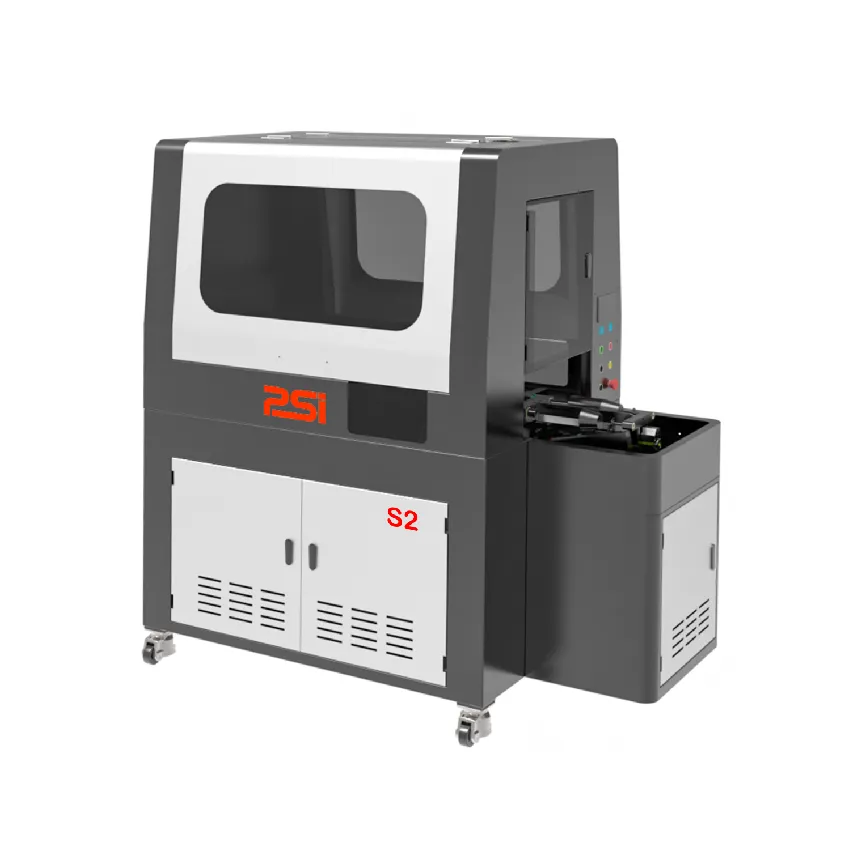
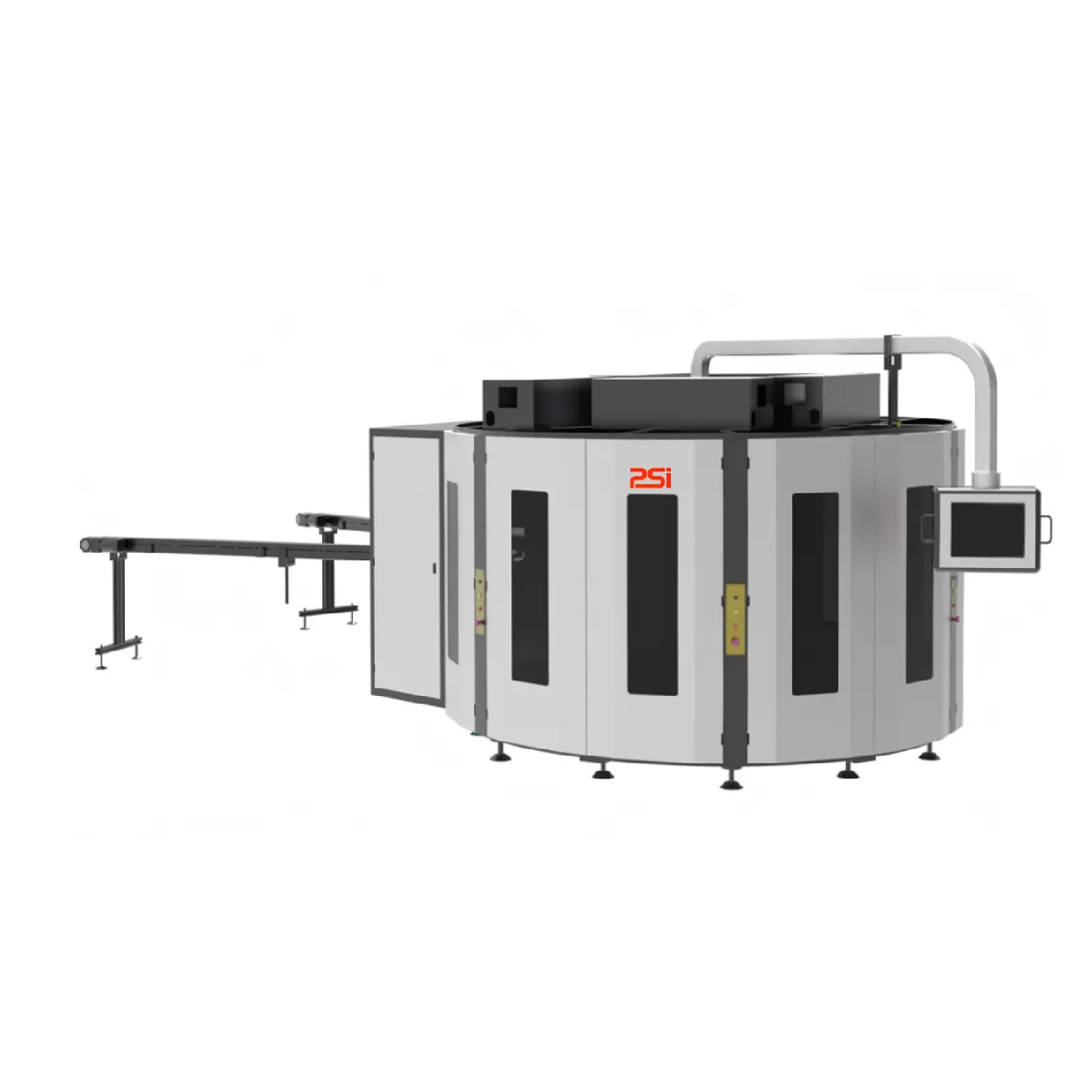
hot foil stamping machine industrial
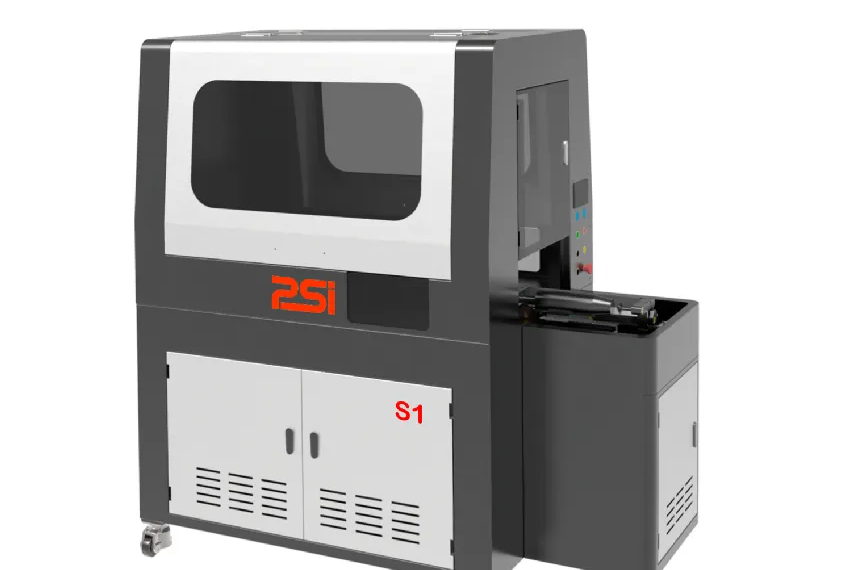
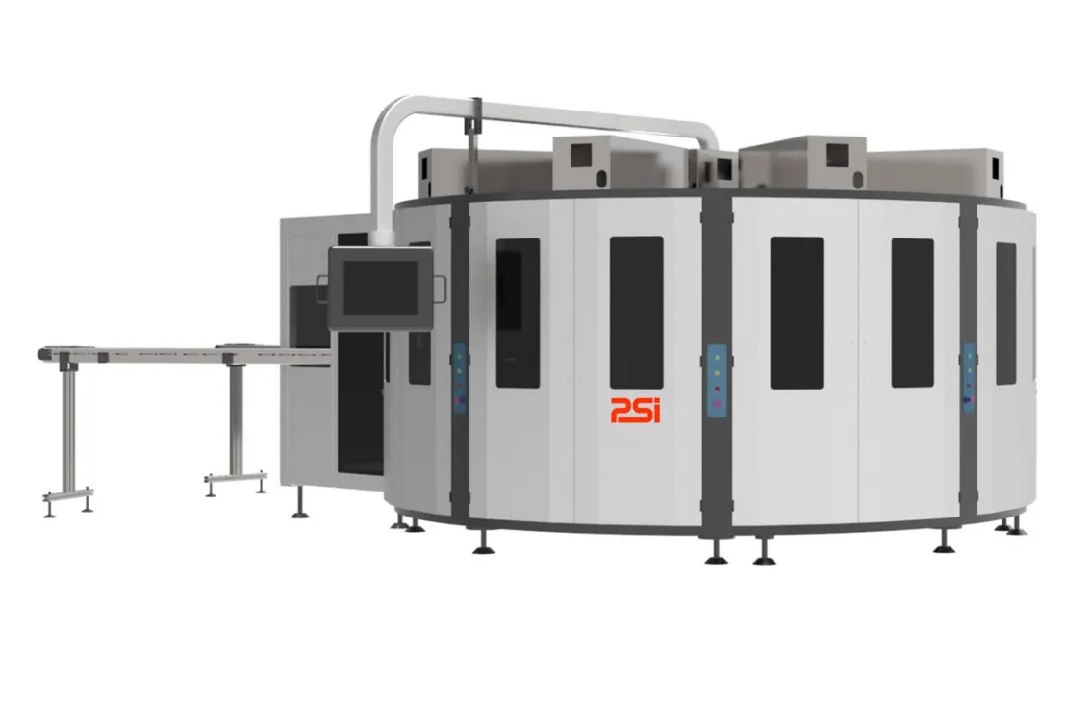
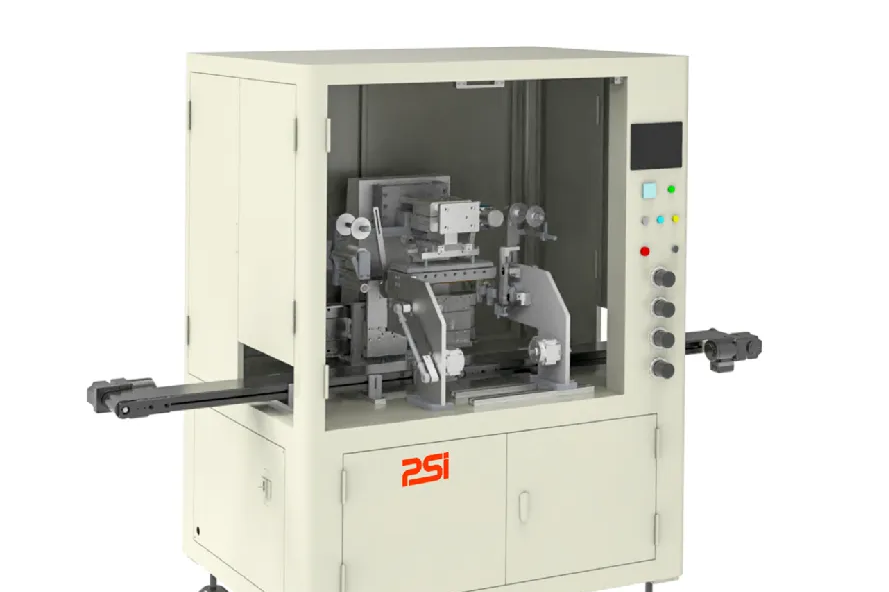
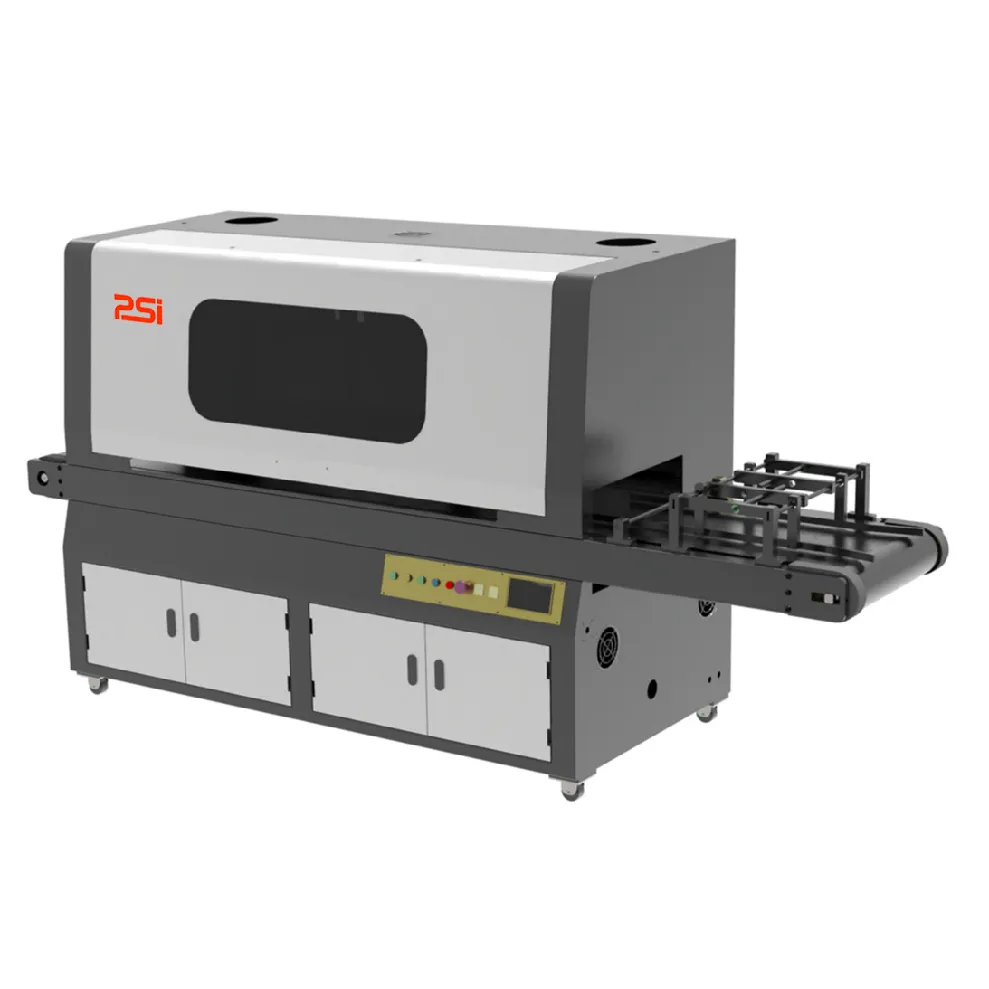
The hot foil stamping machine industrial represents a cornerstone technology in modern manufacturing and finishing processes, delivering exceptional decorative and functional solutions across diverse sectors. This sophisticated equipment operates through a precise heat transfer process, where metallic or pigmented foils are applied to substrates using controlled temperature, pressure, and timing mechanisms. The hot foil stamping machine industrial transforms ordinary materials into premium-quality products with lustrous metallic finishes, vibrant colors, and enhanced durability. The core functionality revolves around heated dies or plates that activate adhesive layers on specialized foils, creating permanent bonds with target surfaces. These machines accommodate various substrate materials including paper, cardboard, leather, plastics, textiles, and metals, making them versatile solutions for multiple industries. Advanced servo motor systems ensure precise positioning and consistent application pressure, while programmable logic controllers enable operators to store and recall specific parameters for different projects. Temperature control systems maintain optimal heat distribution across the stamping surface, preventing uneven application or material damage. Modern hot foil stamping machine industrial units incorporate digital interfaces that display real-time operational data, including temperature readings, pressure measurements, and cycle counts. Safety features include emergency stop mechanisms, protective guards, and automatic shutdown protocols to protect operators and equipment. The technological architecture encompasses pneumatic or hydraulic actuators for consistent pressure application, precision-engineered heating elements for uniform temperature distribution, and robust mechanical frameworks designed for continuous operation. Applications span packaging industries for luxury product enhancement, automotive sectors for dashboard and trim decoration, electronics manufacturing for component marking, textile production for fabric embellishment, and publishing for book cover finishing. Quality control mechanisms ensure consistent foil adhesion and appearance standards throughout production runs, while maintenance protocols extend equipment lifespan and optimize performance reliability.
 EN
EN
 AR
AR FR
FR DE
DE HI
HI IT
IT JA
JA KO
KO PT
PT RU
RU ES
ES IW
IW ID
ID VI
VI TH
TH TR
TR FA
FA