Professional Hot Stamping Foil Printing Machine - Advanced Thermal Transfer Technology for Premium Finishing

Contact me immediately if you encounter problems!

All Categories

hot stamping foil printing machine

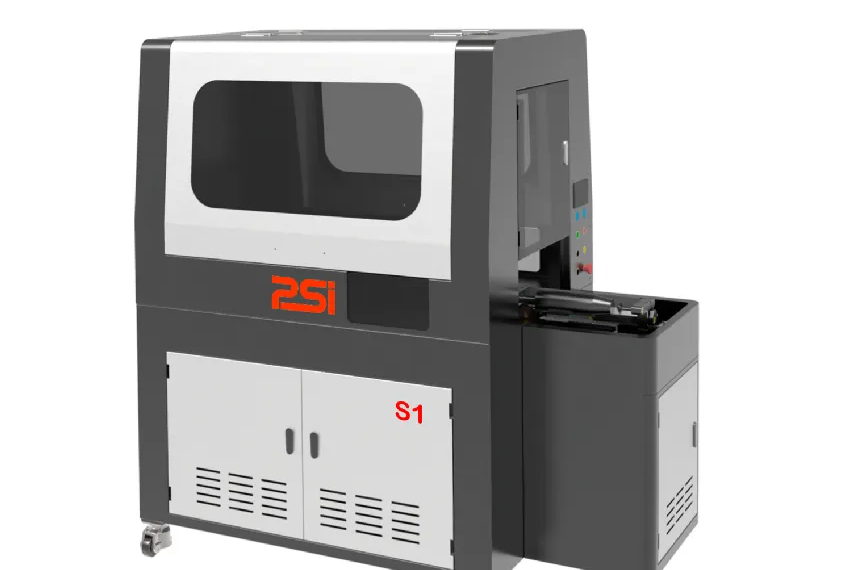
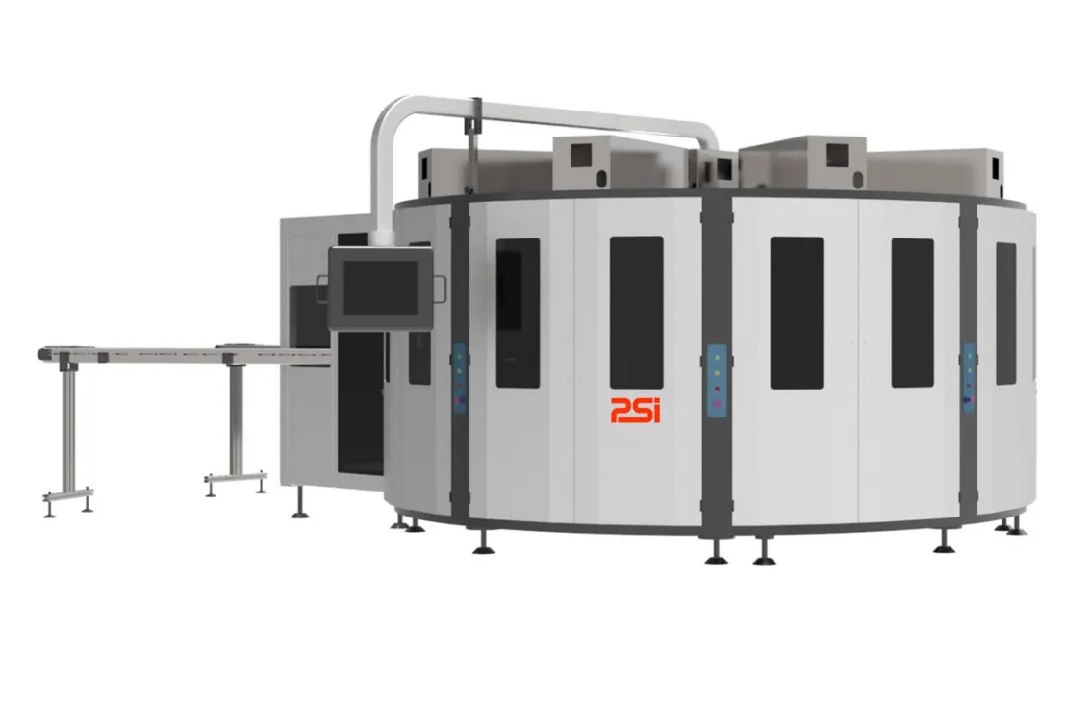
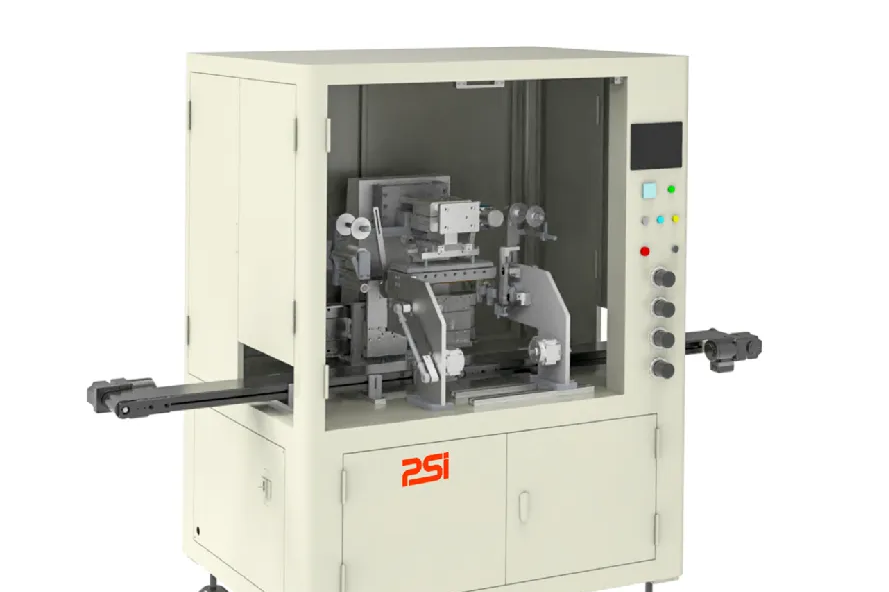
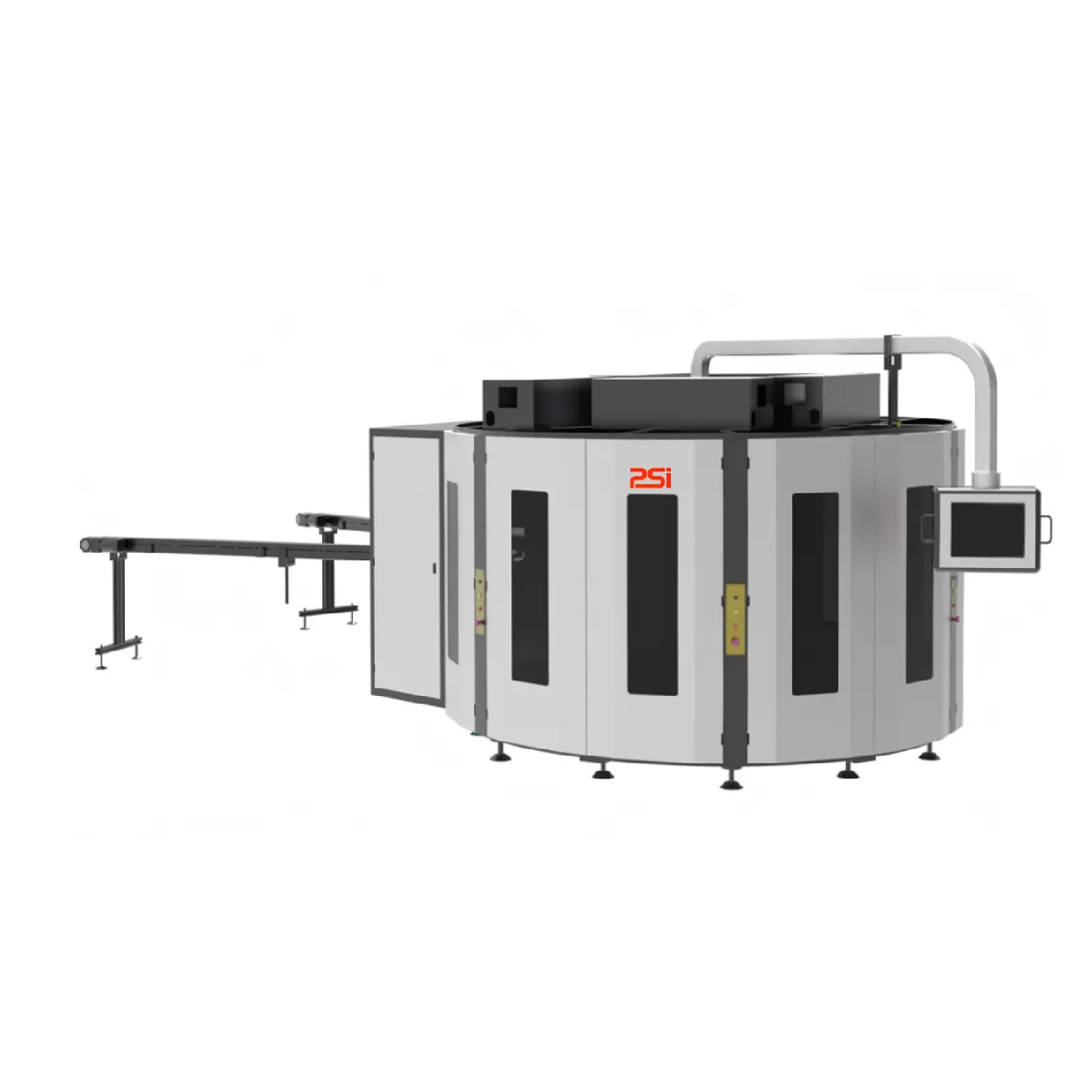
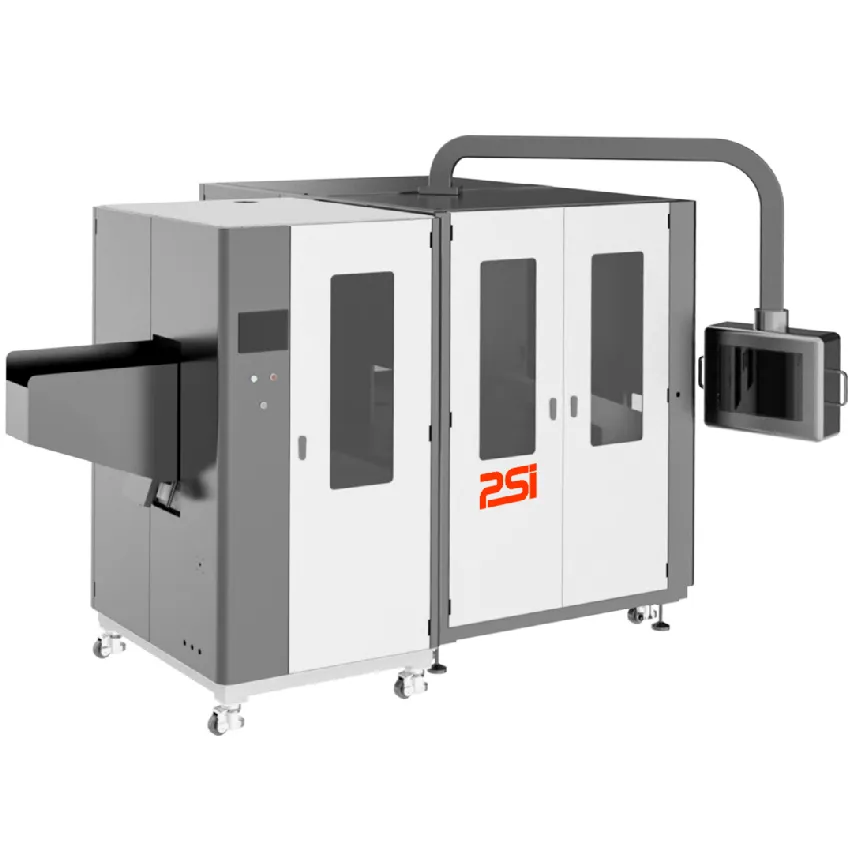
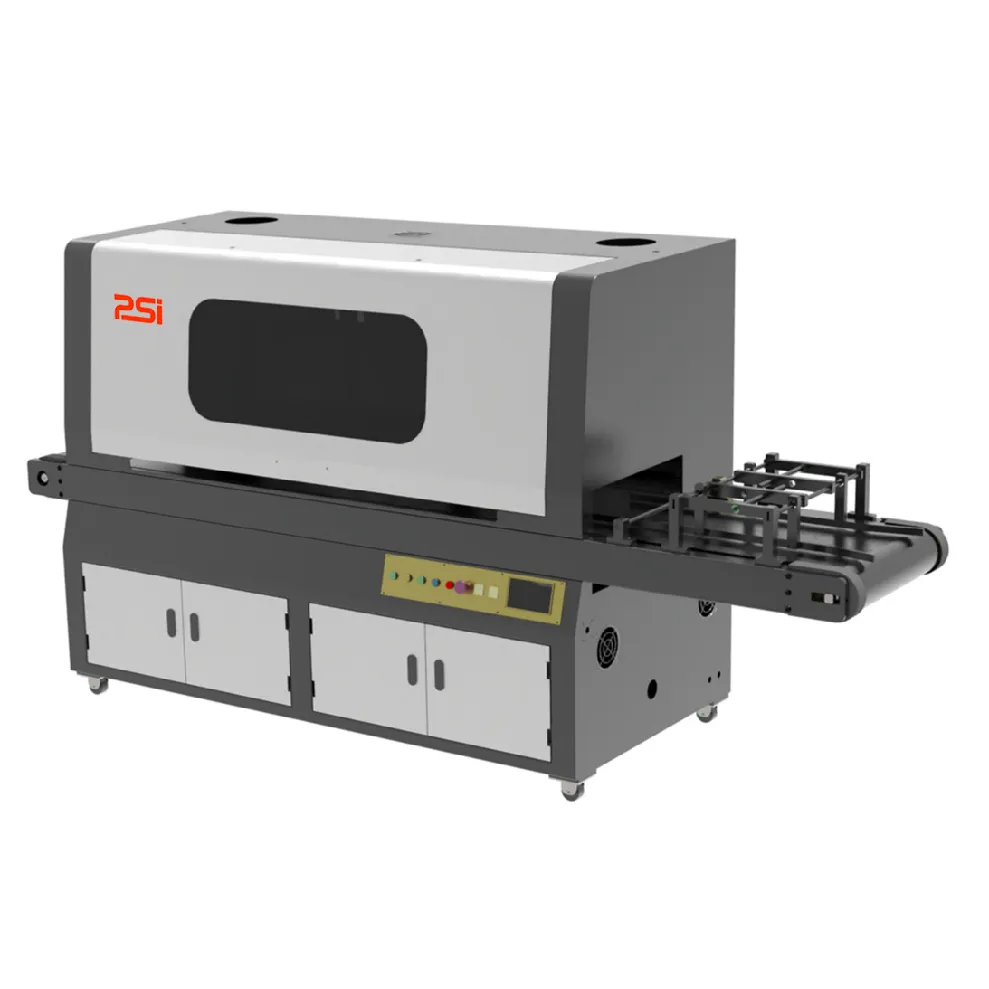
A hot stamping foil printing machine represents a sophisticated piece of equipment designed to apply metallic or colored foil onto various surfaces through heat and pressure application. This advanced printing technology utilizes thermal transfer processes to create stunning visual effects on materials ranging from paper and cardboard to leather, plastic, and fabric substrates. The hot stamping foil printing machine operates by heating a stamping die to precise temperatures, typically between 90 to 200 degrees Celsius, which activates the adhesive layer of specialized foil materials. When pressure is applied through the heated die, the foil transfers permanently onto the substrate surface, creating brilliant metallic finishes, vibrant colors, or unique textures that enhance product appeal and perceived value. Modern hot stamping foil printing machines incorporate advanced control systems that regulate temperature, pressure, and timing parameters with exceptional precision. These machines feature digital temperature controllers, pressure adjustment mechanisms, and programmable timing sequences that ensure consistent results across production runs. The technological architecture includes servo-driven positioning systems, pneumatic or hydraulic pressure systems, and sophisticated heating elements that maintain uniform temperature distribution across the stamping surface. Contemporary models offer automated feeding systems, registration controls, and quality monitoring sensors that detect misalignment or defects during the stamping process. Applications for hot stamping foil printing machines span numerous industries, including packaging, publishing, cosmetics, automotive, electronics, and luxury goods manufacturing. These versatile machines excel in producing high-end business cards, book covers, product labels, automotive trim pieces, electronic device housings, and premium packaging materials. The technology proves particularly valuable for creating security features on documents, adding decorative elements to consumer products, and producing custom branding elements that differentiate products in competitive markets.
Popular Products

Hot stamping foil printing machines deliver exceptional value through superior print quality that surpasses conventional printing methods. These machines produce mirror-like metallic finishes and vibrant colors that remain consistent throughout extended production runs. The precision control systems ensure every impression meets exact specifications, eliminating variations that compromise product quality. Unlike traditional printing processes that may fade or deteriorate over time, hot stamping creates permanent bonds between foil and substrate materials, resulting in durable finishes that withstand handling, environmental conditions, and normal wear patterns. The cost-effectiveness of hot stamping foil printing machines becomes apparent through reduced material waste and increased production efficiency. These machines utilize foil materials more economically than alternative decorative processes, as the transfer mechanism applies foil only where needed, minimizing excess consumption. The automated features reduce labor requirements while maintaining high throughput rates, allowing businesses to meet demanding production schedules without compromising quality standards. Maintenance costs remain low due to robust construction and reliable component designs that operate continuously with minimal intervention. Versatility stands as another significant advantage, as these machines accommodate diverse material types and thicknesses without requiring extensive setup modifications. Operators can quickly switch between different foil colors, textures, and substrate materials, enabling flexible production schedules that respond to changing market demands. The hot stamping foil printing machine adapts to various product dimensions and shapes, from small labels to large format applications, providing manufacturing flexibility that supports diverse product portfolios. Environmental benefits emerge from the clean transfer process that generates minimal waste compared to traditional printing methods. The hot stamping foil printing machine operates without solvents, inks, or chemical additives that require disposal or create harmful emissions. This eco-friendly approach aligns with sustainable manufacturing practices while reducing regulatory compliance burdens. The precise application process eliminates overspray or excess material application, contributing to cleaner work environments and reduced environmental impact. Operational simplicity ensures rapid operator training and consistent results regardless of skill levels. Modern hot stamping foil printing machines feature intuitive control interfaces that simplify parameter adjustments and reduce setup complexity. Automated functions minimize human error while providing reliable repeatability across production batches. The straightforward maintenance procedures enable in-house servicing without requiring specialized technicians, reducing operational disruptions and maintenance expenses.

Tips And Tricks

Enhancing Your Brand's Impact with PSI's Cutting-Edge Inkjet Digital Printing Machines

27

Sep

Enhancing Your Brand's Impact with PSI's Cutting-Edge Inkjet Digital Printing Machines

In the domain of industrial digital printing, under the commonly used terminology of the PSI Company, high-quality inkjet digital printing machines have been successfully produced and introduced to a wide range of industries. The performance of the c...
View More
PSI Cutting-Edge Digital Inkjet and Screen Printing Machines

27

Sep

PSI Cutting-Edge Digital Inkjet and Screen Printing Machines

In today's fast-paced business environment, the impact of visual communication cannot be overstated. Brands are constantly seeking ways to stand out and connect with their audience through eye-catching designs and high-quality prints. PSI, a leading ...
View More
PSI Heat Transfer Machines:  in Customized Branding Solutions

27

Sep

PSI Heat Transfer Machines: in Customized Branding Solutions

In the realm of printing and branding, PSI  stands out as a beacon of innovation and excellence. Specializing in heat transfer machines, PSI  offers a range of products that cater to various industries, from textiles to plastics, ensuring t...
View More

Get a Free Quote

Our representative will contact you soon.
Email
Name
Company Name
Message
0/1000

hot stamping foil printing machine

Advanced Temperature and Pressure Control Technology

Advanced Temperature and Pressure Control Technology

The sophisticated control technology integrated into modern hot stamping foil printing machines represents a breakthrough in precision manufacturing capabilities. These advanced systems incorporate digital temperature controllers with PID (Proportional-Integral-Derivative) algorithms that maintain heating elements within extremely tight tolerance ranges, typically plus or minus 2 degrees Celsius. This level of precision ensures optimal foil adhesion and prevents common issues such as incomplete transfer, foil burning, or substrate damage that can occur with less sophisticated equipment. The temperature control system features multiple heating zones that can be independently regulated, allowing operators to optimize conditions for different areas of complex stamping patterns or varying substrate thicknesses across a single application. The pressure control mechanisms utilize servo-driven systems or precision pneumatic cylinders that deliver consistent force distribution across the entire stamping surface. This technology eliminates pressure variations that traditionally caused uneven foil application or incomplete coverage in critical areas. The pressure monitoring systems provide real-time feedback, automatically adjusting force levels to compensate for material variations or die wear patterns. Advanced models incorporate pressure mapping capabilities that analyze force distribution patterns and provide diagnostic information for optimizing stamping parameters. The integration of these control technologies with programmable logic controllers enables operators to store multiple parameter sets for different jobs, facilitating rapid changeovers between production runs. The hot stamping foil printing machine control systems also feature predictive maintenance capabilities that monitor component performance and alert operators to potential issues before they impact production quality. This proactive approach minimizes unexpected downtime while ensuring consistent output quality throughout equipment lifecycles. The user-friendly interface design simplifies parameter adjustments and provides visual feedback on system status, enabling operators to make informed decisions about process optimization. These technological advances translate directly into improved product quality, reduced waste, and enhanced production efficiency that delivers measurable returns on investment.
Exceptional Material Compatibility and Application Versatility

Exceptional Material Compatibility and Application Versatility

The remarkable material compatibility of hot stamping foil printing machines sets them apart as truly versatile production tools capable of handling an extensive range of substrates and foil types. This adaptability stems from sophisticated engineering that accommodates varying material properties, thicknesses, and surface characteristics without requiring extensive modifications or specialized tooling. The machine design incorporates adjustable pressure systems and flexible die mounting configurations that adapt to materials ranging from delicate thin films to robust thick boards. Paper substrates of all weights and coatings respond excellently to the hot stamping process, from lightweight tissue papers to heavy cardboard packaging materials. The controlled heat application penetrates various paper coatings and surface treatments, creating strong adhesive bonds that resist delamination under normal handling conditions. Plastic materials, including polyethylene, polypropylene, PVC, and engineering plastics, benefit from the precise temperature control that prevents thermal damage while ensuring proper foil adhesion. The hot stamping foil printing machine technology adapts to different plastic formulations and surface energies through parameter optimization that accounts for material-specific thermal properties. Leather and synthetic leather materials represent another significant application area where hot stamping foil printing machines excel in creating luxury finishes and decorative elements. The controlled pressure application conforms to natural leather grain patterns while transferring foil into textured surfaces, creating sophisticated effects that enhance product value and aesthetic appeal. Fabric substrates, including natural and synthetic textiles, respond well to the heat and pressure combination, enabling decorative applications in fashion, upholstery, and technical textile industries. The versatility extends to foil selection, with machines accommodating metallic foils in gold, silver, copper, and specialty alloys, pigmented foils in virtually unlimited color options, holographic foils that create dynamic visual effects, and specialty foils with unique properties such as scratch resistance or anti-counterfeiting features. This comprehensive material compatibility enables manufacturers to consolidate multiple decorative processes into a single hot stamping foil printing machine operation, reducing equipment investments, floor space requirements, and operational complexity while expanding creative possibilities for product differentiation.
Superior Production Efficiency and Quality Consistency

Superior Production Efficiency and Quality Consistency

Production efficiency and quality consistency represent fundamental strengths of hot stamping foil printing machines that directly impact manufacturing profitability and customer satisfaction. These machines achieve remarkable throughput rates while maintaining exacting quality standards that exceed conventional printing and decorating methods. The automated operation cycles minimize human intervention requirements, enabling continuous production runs that maximize equipment utilization and reduce labor costs per unit produced. Modern hot stamping foil printing machines incorporate servo-driven feeding systems that position substrates with micron-level accuracy, ensuring precise registration between successive stamping operations and eliminating waste from misaligned applications. The automated foil advance mechanisms optimize material consumption by precisely controlling foil movement, reducing waste while ensuring complete coverage of designated areas. Quality monitoring systems integrated into advanced hot stamping foil printing machines provide real-time assessment of critical parameters including temperature stability, pressure consistency, registration accuracy, and foil transfer quality. These systems utilize optical sensors, thermal imaging, and force measurement devices to continuously evaluate output quality and alert operators to potential issues before defective products are produced. The quality feedback enables immediate parameter adjustments that maintain optimal conditions throughout extended production runs, eliminating the quality variations that plague manual or less sophisticated automated processes. The consistency advantages extend beyond individual stamping operations to encompass batch-to-batch repeatability that ensures uniform appearance across entire product lines. The digital parameter storage and recall capabilities enable operators to reproduce exact conditions for repeat orders, guaranteeing color matching and finish consistency that meets demanding customer specifications. The hot stamping foil printing machine precision eliminates the trial-and-error setup procedures typically required with manual equipment, reducing setup waste and accelerating job changeovers. Predictive maintenance features monitor component wear patterns and system performance trends, scheduling maintenance activities during planned downtime to prevent unexpected failures that disrupt production schedules. The combination of high-speed operation, consistent quality output, and minimal maintenance requirements creates a compelling value proposition for manufacturers seeking to optimize their decorative finishing operations while meeting increasingly demanding quality expectations from customers and end users.