Industrial Screen Printer Solutions: Advanced Automation & Precision Printing Technology

Contact me immediately if you encounter problems!

All Categories

industrial screen printer

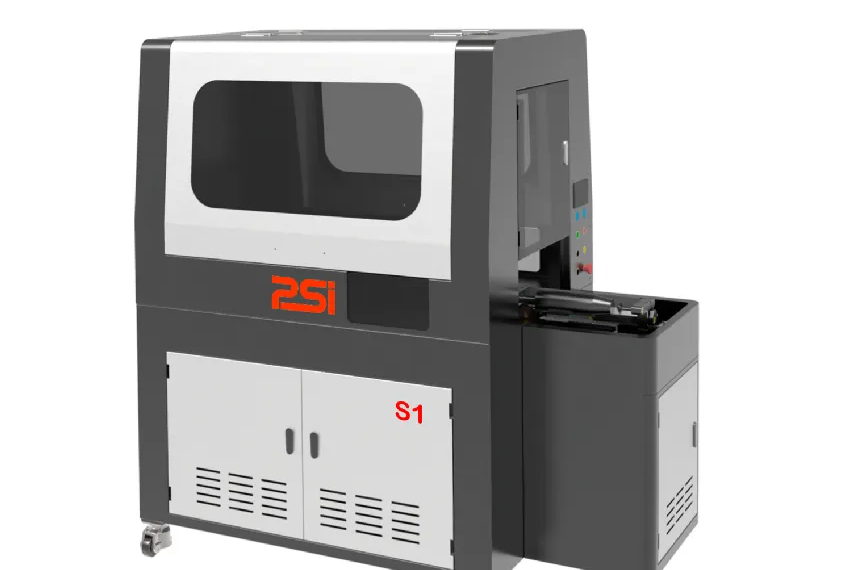
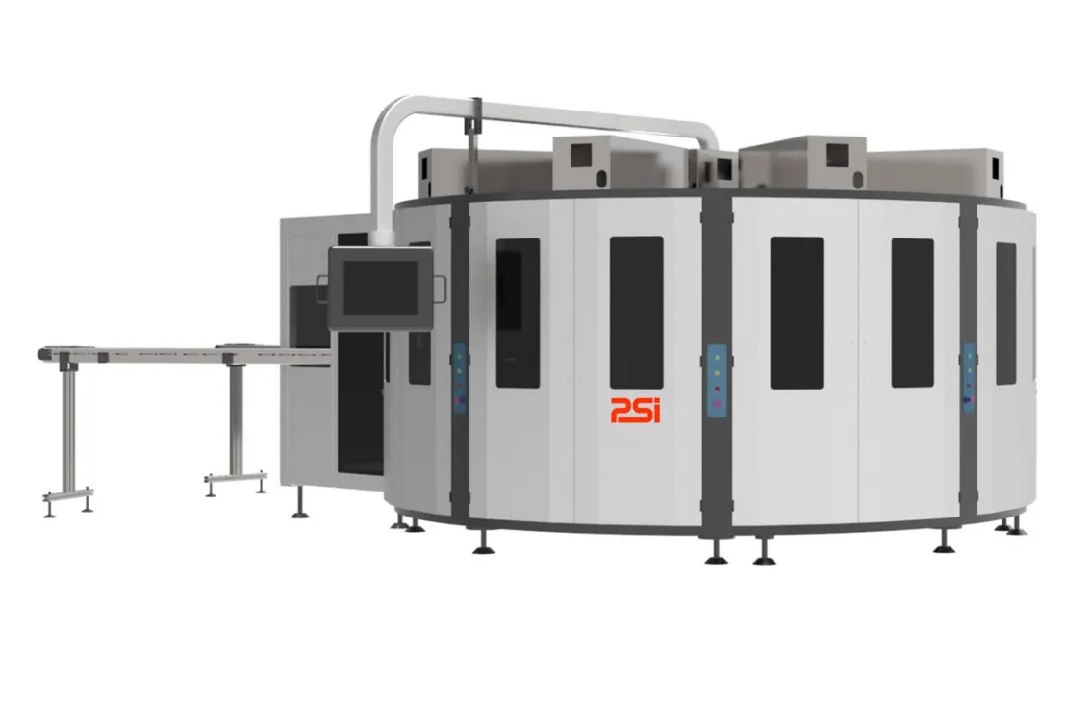
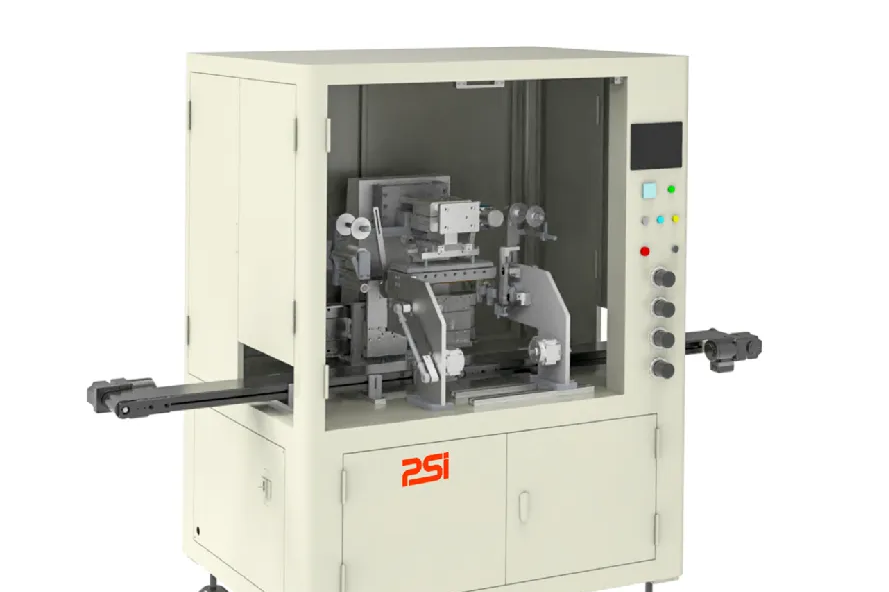
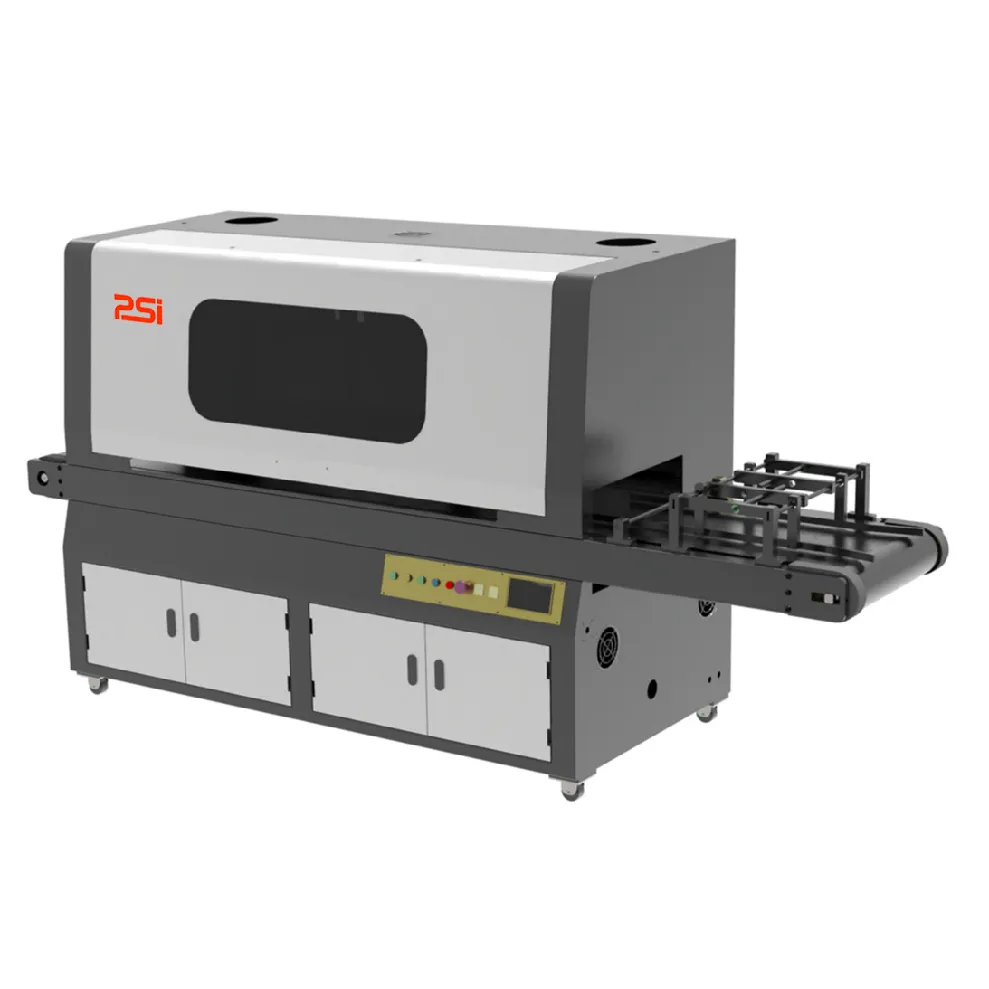
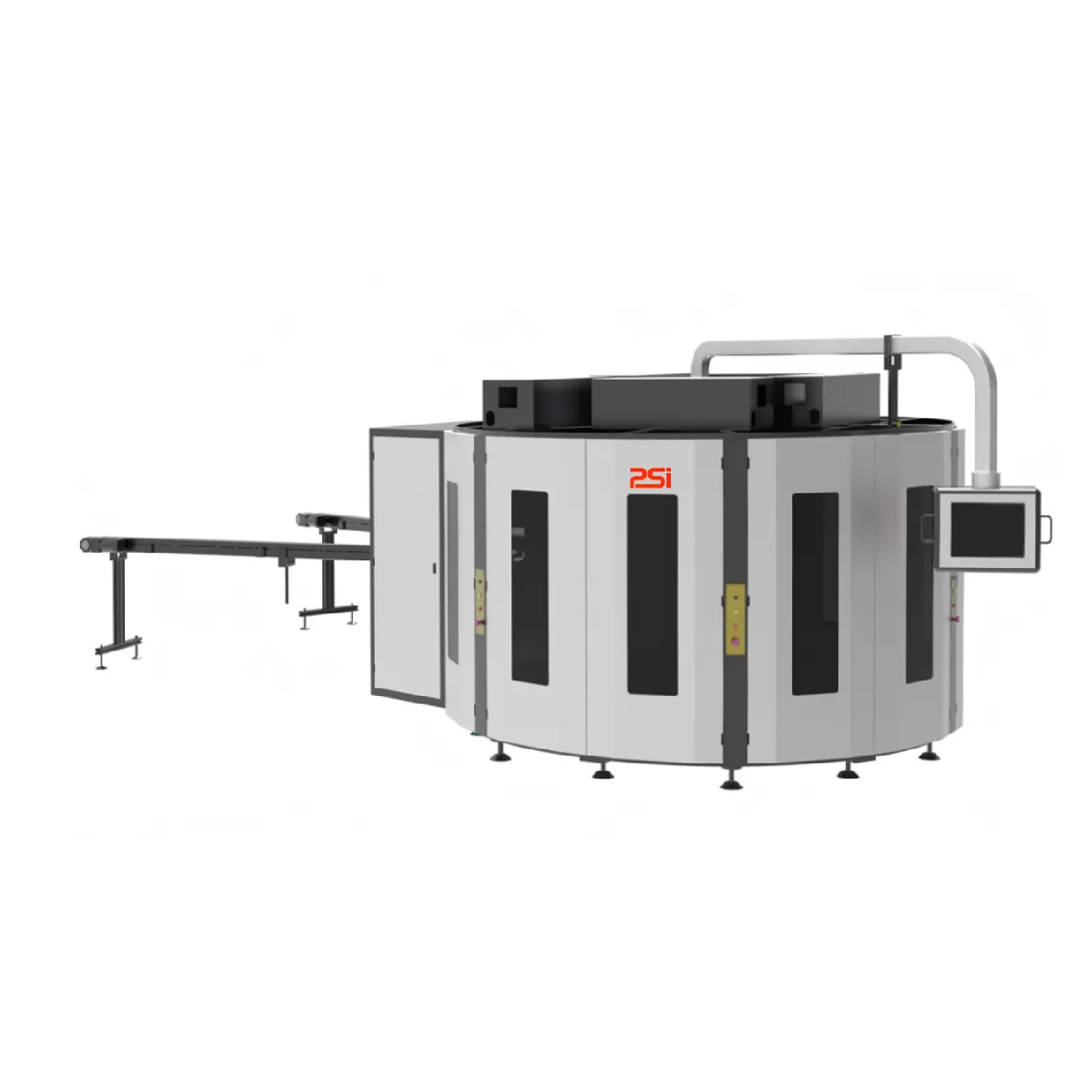
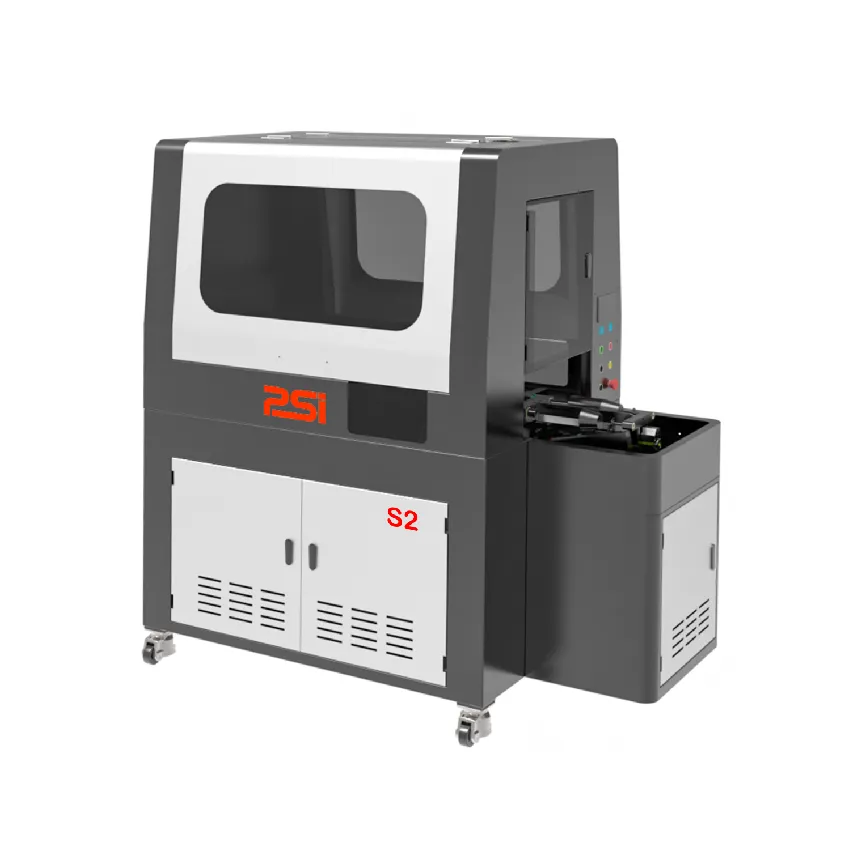
An industrial screen printer represents a sophisticated manufacturing solution designed to apply precise ink deposits onto various substrate materials through a mesh-based stencil system. This advanced printing technology utilizes a fine mesh screen stretched across a rigid frame, with designated areas blocked to create specific patterns or designs. During operation, the industrial screen printer forces ink through the open mesh areas using a squeegee blade, transferring exact replications onto target surfaces below. Modern industrial screen printer systems incorporate computer-controlled mechanisms that ensure consistent pressure application, optimal ink flow rates, and precise registration alignment across multiple production runs. These machines accommodate diverse substrate materials including metals, plastics, ceramics, glass, textiles, and electronic components. The industrial screen printer excels in producing vibrant colors, sharp detail resolution, and durable finished products that withstand harsh environmental conditions. Contemporary models feature automated loading systems, multi-color capabilities, and integrated quality control sensors that monitor print consistency throughout extended production cycles. The versatility of an industrial screen printer extends beyond traditional graphic applications to include functional printing such as conductive pathways, protective coatings, and textured surfaces. Advanced industrial screen printer configurations support variable data printing, allowing customization within batch production runs. Temperature control systems maintain optimal printing conditions while UV curing capabilities enable rapid processing of specialty inks. The robust construction of industrial screen printer equipment ensures reliable operation in demanding manufacturing environments, supporting continuous production schedules with minimal maintenance requirements. Integration capabilities allow seamless connection with existing production lines, material handling systems, and quality assurance protocols.

Popular Products

The industrial screen printer delivers exceptional value through multiple operational advantages that directly impact manufacturing efficiency and product quality. Cost-effectiveness stands as a primary benefit, as the industrial screen printer requires minimal setup expenses compared to alternative printing methods, particularly for medium to high-volume production runs. Operating costs remain consistently low due to efficient ink consumption, reduced waste generation, and minimal energy requirements during standard operation cycles. The durability advantage of an industrial screen printer becomes evident through its ability to produce long-lasting prints that resist fading, scratching, and chemical exposure, eliminating the need for frequent reprinting or protective treatments. Versatility represents another significant advantage, as the industrial screen printer accommodates an extensive range of substrate thicknesses, surface textures, and material compositions without requiring expensive tooling changes or extensive recalibration procedures. Production speed capabilities of modern industrial screen printer systems enable rapid throughput while maintaining consistent quality standards, allowing manufacturers to meet tight delivery schedules and respond quickly to market demands. The precision control offered by an industrial screen printer ensures accurate color reproduction, sharp edge definition, and consistent ink deposit thickness across entire production batches. This level of control reduces material waste, minimizes quality control rejections, and enhances overall manufacturing efficiency. Environmental benefits emerge from the industrial screen printer through reduced chemical waste, lower energy consumption compared to heat-intensive printing methods, and the ability to use eco-friendly ink formulations. Maintenance requirements for an industrial screen printer remain minimal due to robust mechanical components and straightforward cleaning procedures, reducing downtime and service costs. The scalability advantage allows businesses to expand production capacity by adding additional industrial screen printer units without significant infrastructure modifications. Training requirements for operating an industrial screen printer are straightforward, enabling quick workforce adaptation and reducing labor costs associated with specialized technical skills.

Tips And Tricks

Enhancing Your Brand's Impact with PSI's Cutting-Edge Inkjet Digital Printing Machines

27

Sep

Enhancing Your Brand's Impact with PSI's Cutting-Edge Inkjet Digital Printing Machines

In the domain of industrial digital printing, under the commonly used terminology of the PSI Company, high-quality inkjet digital printing machines have been successfully produced and introduced to a wide range of industries. The performance of the c...
View More
PSI Cutting-Edge Digital Inkjet and Screen Printing Machines

27

Sep

PSI Cutting-Edge Digital Inkjet and Screen Printing Machines

In today's fast-paced business environment, the impact of visual communication cannot be overstated. Brands are constantly seeking ways to stand out and connect with their audience through eye-catching designs and high-quality prints. PSI, a leading ...
View More
PSI Heat Transfer Machines:  in Customized Branding Solutions

27

Sep

PSI Heat Transfer Machines: in Customized Branding Solutions

In the realm of printing and branding, PSI  stands out as a beacon of innovation and excellence. Specializing in heat transfer machines, PSI  offers a range of products that cater to various industries, from textiles to plastics, ensuring t...
View More

Get a Free Quote

Our representative will contact you soon.
Email
Name
Company Name
Message
0/1000

industrial screen printer

Advanced Automation Technology for Maximum Productivity

Advanced Automation Technology for Maximum Productivity

The industrial screen printer incorporates cutting-edge automation technology that revolutionizes traditional printing processes and delivers unprecedented productivity levels for modern manufacturing operations. This sophisticated automation system encompasses programmable logic controllers that manage every aspect of the printing cycle, from substrate loading and positioning to ink application and finished product removal. The industrial screen printer features servo-driven mechanisms that provide precise control over squeegee pressure, printing speed, and off-contact distance, ensuring optimal print quality across diverse substrate materials and thicknesses. Vision systems integrated within the industrial screen printer perform real-time quality inspection, automatically detecting print defects, registration errors, and color variations before products advance to subsequent manufacturing stages. These intelligent monitoring capabilities reduce waste, eliminate defective products from reaching customers, and maintain consistent quality standards throughout extended production runs. The automation technology within an industrial screen printer includes adaptive algorithms that automatically adjust printing parameters based on environmental conditions, substrate variations, and ink characteristics, optimizing performance without requiring constant operator intervention. Touch-screen interfaces provide intuitive control over all industrial screen printer functions, enabling operators to modify settings, monitor production statistics, and troubleshoot issues efficiently. Remote connectivity features allow production managers to monitor multiple industrial screen printer units from centralized locations, receiving real-time alerts about maintenance requirements, production targets, and equipment performance metrics. The automation system supports predictive maintenance protocols that analyze operational data to identify potential issues before they cause production disruptions, maximizing uptime and extending equipment lifespan. Integration capabilities enable the industrial screen printer to communicate seamlessly with enterprise resource planning systems, automatically updating inventory levels, production schedules, and quality control records.
Exceptional Print Quality and Precision Control

Exceptional Print Quality and Precision Control

The industrial screen printer delivers superior print quality through advanced precision control systems that ensure consistent, professional results across all production applications. High-resolution mesh screens utilized in the industrial screen printer enable fine detail reproduction with line widths as narrow as 25 microns, making it ideal for intricate circuit patterns, detailed graphics, and complex text elements. The precision registration system within an industrial screen printer maintains alignment accuracy within ±10 microns, ensuring perfect layer-to-layer registration in multi-color applications and complex electronic component manufacturing. Temperature control systems integrated into the industrial screen printer maintain optimal ink viscosity and substrate conditions, preventing print defects caused by environmental variations and ensuring consistent color reproduction throughout production cycles. The squeegee system of an industrial screen printer utilizes advanced materials and geometric designs that provide uniform pressure distribution across the entire print area, eliminating streaking, incomplete coverage, and edge effects that compromise print quality. Programmable print parameters allow operators to optimize the industrial screen printer for specific substrate materials, ink types, and application requirements, achieving optimal adhesion, coverage, and durability characteristics. The industrial screen printer incorporates vacuum hold-down systems that secure substrates during printing, preventing movement that could cause registration errors or smearing. Automatic screen cleaning mechanisms maintain mesh cleanliness between production runs, ensuring consistent ink flow and preventing contamination that could affect print quality. The industrial screen printer features multiple printing modes including flood stroke, print stroke, and lift-off sequences that can be customized for different applications, optimizing ink transfer efficiency and surface finish quality. Quality control sensors continuously monitor ink deposit thickness, ensuring uniform coverage and identifying variations that require adjustment. The precision timing control of an industrial screen printer coordinates all mechanical movements with millisecond accuracy, eliminating vibration-induced defects and maintaining stable printing conditions even at high production speeds.
Versatile Multi-Application Manufacturing Solution

Versatile Multi-Application Manufacturing Solution

The industrial screen printer stands out as an exceptionally versatile manufacturing solution capable of handling diverse applications across multiple industries, making it an invaluable asset for businesses seeking flexible production capabilities. This adaptability stems from the industrial screen printer design that accommodates substrates ranging from ultra-thin films measuring 25 microns to rigid panels exceeding 25 millimeters in thickness, enabling manufacturers to serve varied market segments with a single equipment investment. The industrial screen printer excels in electronics manufacturing, producing printed circuit boards, membrane switches, touch panels, and solar cell components with the precision and reliability required for electronic applications. Automotive industry applications benefit from the industrial screen printer ability to apply protective coatings, decorative graphics, and functional elements onto dashboard components, exterior panels, and interior trim pieces using specialized inks that withstand extreme temperatures and chemical exposure. In the packaging industry, an industrial screen printer produces eye-catching graphics, security features, and functional coatings on containers, labels, and flexible packaging materials, supporting both aesthetic and protective requirements. Medical device manufacturing relies on the industrial screen printer for biocompatible coatings, diagnostic test strips, and precise marking applications that meet stringent regulatory standards. The textile industry utilizes industrial screen printer technology for applying durable graphics, protective treatments, and functional properties to fabrics, garments, and technical textiles. Glass and ceramic applications showcase the industrial screen printer versatility through decorative patterns, conductive traces, and protective coatings that enhance both functionality and appearance. The industrial screen printer supports specialty applications including security printing with anti-counterfeiting features, architectural glass decoration, and industrial component marking. Ink compatibility extends across water-based, solvent-based, UV-curable, and specialty formulations, allowing the industrial screen printer to meet specific performance requirements for each application. The modular design of modern industrial screen printer systems enables configuration customization, allowing manufacturers to add capabilities such as multiple print stations, automated handling systems, and specialized curing equipment as production requirements evolve.