Screen Printing Machine Cost Guide: Investment Analysis and ROI Benefits 2024

Contact me immediately if you encounter problems!

All Categories

screen printing machine cost

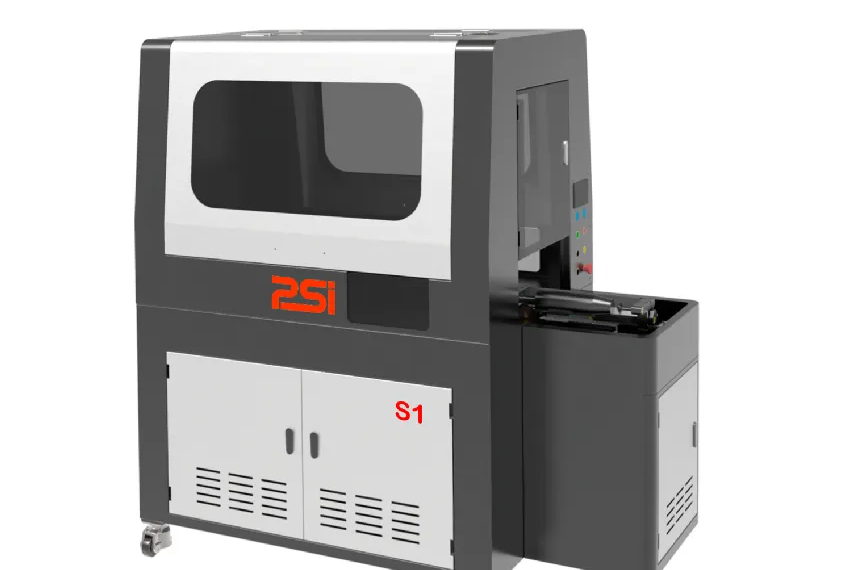
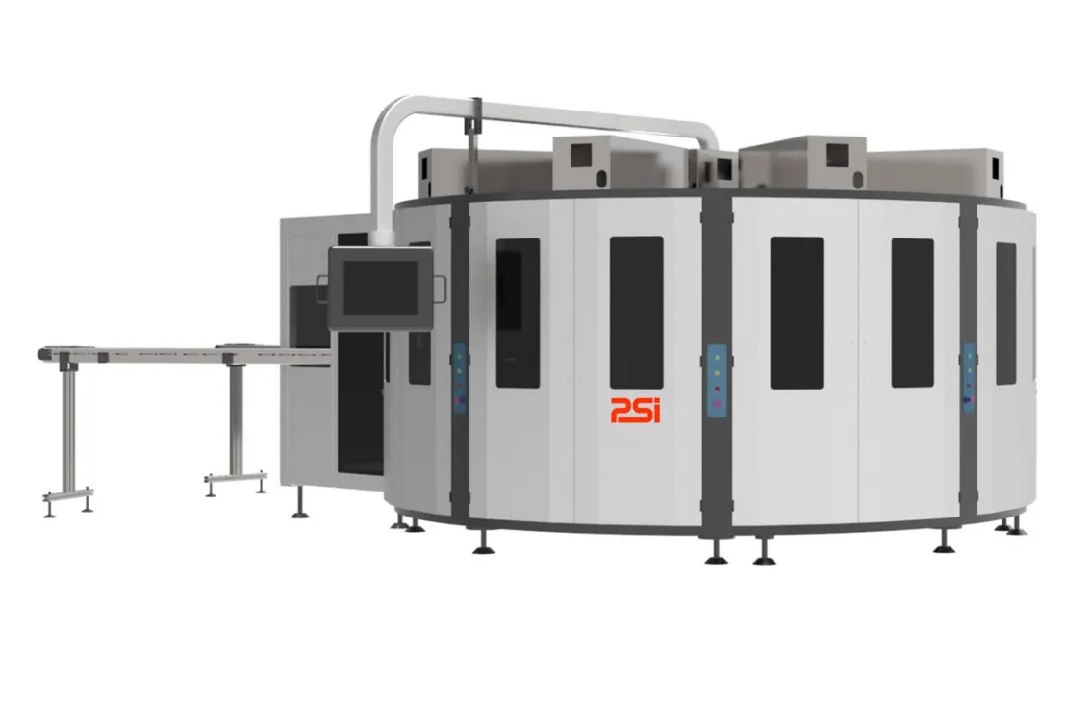
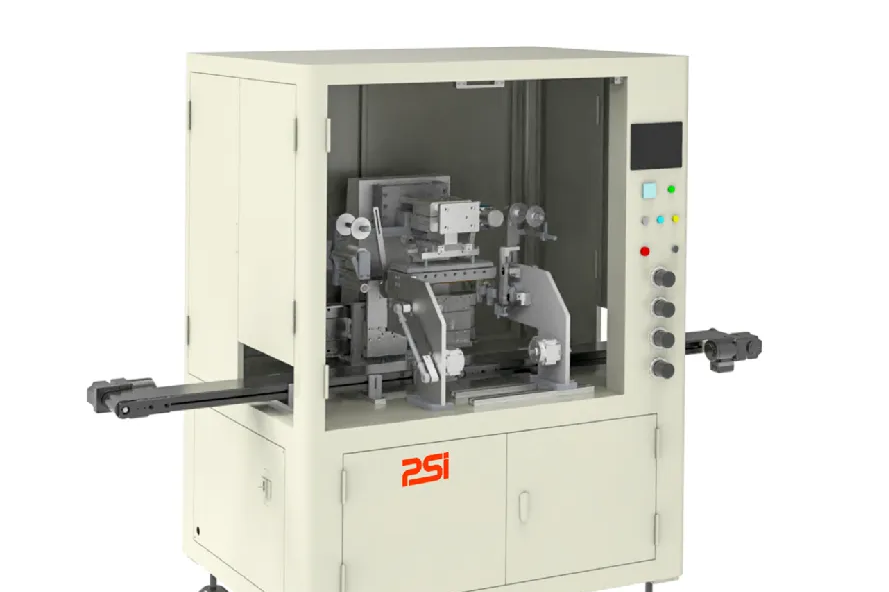
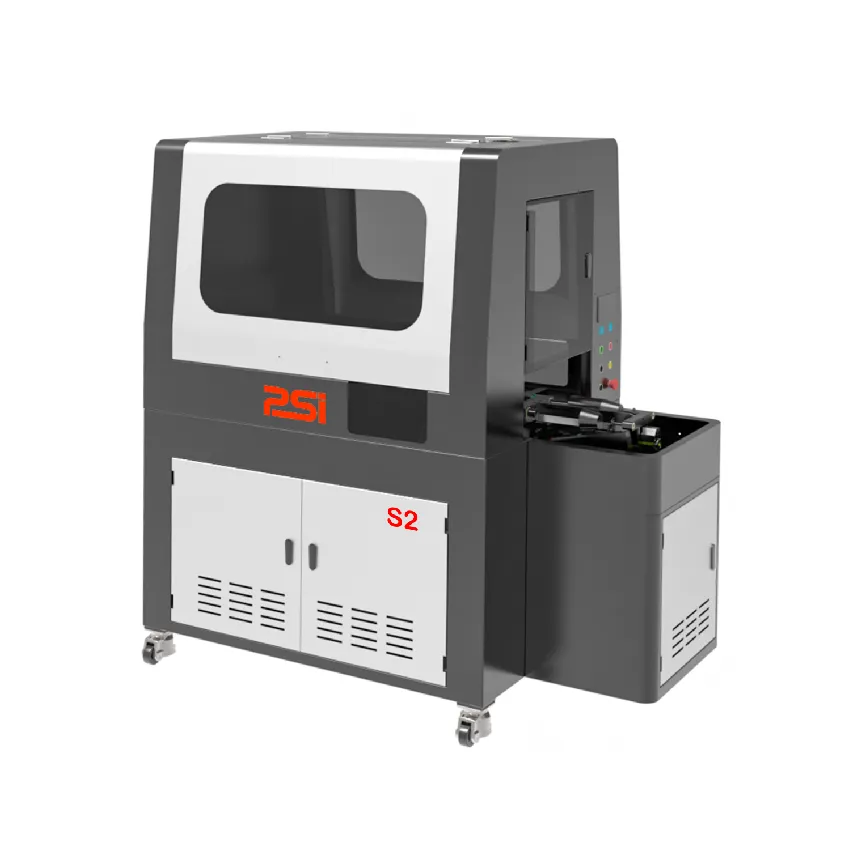
Screen printing machine cost represents a crucial investment consideration for businesses entering or expanding within the printing industry. These sophisticated devices serve as the backbone of textile decoration, promotional product manufacturing, and industrial printing applications. The primary functions of screen printing machines encompass automated squeegee movement, precise registration systems, and controlled ink deposition across various substrates. Modern screen printing equipment incorporates advanced servo motor technology, programmable logic controllers, and touchscreen interfaces that streamline production workflows. The screen printing machine cost varies significantly based on automation levels, production capacity, and specialized features. Entry-level manual machines start around three thousand dollars, while fully automated industrial systems can exceed one hundred thousand dollars. Mid-range semi-automatic units typically range between fifteen thousand to fifty thousand dollars, offering balanced functionality for growing businesses. Technological features directly impact screen printing machine cost, including multi-color capability, substrate size compatibility, and production speed specifications. Advanced models feature automatic screen loading, computerized color matching systems, and integrated curing units that justify higher initial investments. Applications span numerous industries including apparel decoration, signage production, electronics manufacturing, and automotive component marking. The versatility of screen printing technology enables businesses to serve diverse market segments from custom t-shirt printing to industrial circuit board manufacturing. Quality construction materials, precision engineering, and reliable component selection contribute to long-term operational efficiency and reduced maintenance expenses. Understanding screen printing machine cost factors helps buyers make informed decisions that align with production requirements, budget constraints, and growth projections. Proper evaluation of total ownership costs including installation, training, maintenance, and consumable supplies ensures optimal return on investment for printing businesses.
New Products

Screen printing machine cost delivers exceptional value through multiple practical benefits that directly impact business profitability and operational efficiency. These machines generate consistent revenue streams by enabling high-volume production with minimal labor requirements compared to manual printing methods. The automated nature of modern screen printing equipment reduces dependency on skilled operators while maintaining superior print quality across large production runs. Businesses experience immediate productivity gains as automated systems can process hundreds of pieces per hour versus dozens with manual techniques. The screen printing machine cost investment pays dividends through reduced labor expenses, as single operators can manage multiple printing stations simultaneously. Energy efficiency represents another significant advantage, with modern machines incorporating LED curing systems and optimized heating elements that lower utility costs substantially. Maintenance requirements remain minimal due to robust construction and reliable component selection, reducing unexpected downtime and repair expenses. The versatility of screen printing technology allows businesses to diversify revenue sources by accepting orders for textiles, promotional products, industrial components, and specialty applications using the same equipment investment. Quick changeover capabilities enable efficient small-batch production alongside high-volume orders, maximizing machine utilization rates throughout operational periods. Advanced registration systems ensure precise color alignment, reducing waste materials and improving overall production yields. Digital controls provide consistent results regardless of operator experience levels, minimizing training costs and quality variations. The durability of professional screen printing machines ensures decades of reliable service with proper maintenance, spreading the initial screen printing machine cost across extended operational periods. Businesses benefit from increased production capacity without proportional facility expansion, as modern machines maximize output within existing floor space constraints. Integration capabilities with existing workflow management systems streamline order processing and inventory tracking. The technology supports various ink formulations including water-based, plastisol, and specialty chemicals, expanding market opportunities without additional equipment purchases. Quality printing results enhance customer satisfaction and repeat business, contributing to long-term revenue growth that justifies the initial screen printing machine cost investment.

Tips And Tricks

Enhancing Your Brand's Impact with PSI's Cutting-Edge Inkjet Digital Printing Machines

27

Sep

Enhancing Your Brand's Impact with PSI's Cutting-Edge Inkjet Digital Printing Machines

In the domain of industrial digital printing, under the commonly used terminology of the PSI Company, high-quality inkjet digital printing machines have been successfully produced and introduced to a wide range of industries. The performance of the c...
View More
PSI Cutting-Edge Digital Inkjet and Screen Printing Machines

27

Sep

PSI Cutting-Edge Digital Inkjet and Screen Printing Machines

In today's fast-paced business environment, the impact of visual communication cannot be overstated. Brands are constantly seeking ways to stand out and connect with their audience through eye-catching designs and high-quality prints. PSI, a leading ...
View More
PSI Heat Transfer Machines:  in Customized Branding Solutions

27

Sep

PSI Heat Transfer Machines: in Customized Branding Solutions

In the realm of printing and branding, PSI  stands out as a beacon of innovation and excellence. Specializing in heat transfer machines, PSI  offers a range of products that cater to various industries, from textiles to plastics, ensuring t...
View More

Get a Free Quote

Our representative will contact you soon.
Email
Name
Company Name
Message
0/1000

screen printing machine cost

Exceptional Production Efficiency and Speed

Exceptional Production Efficiency and Speed

The screen printing machine cost investment delivers unmatched production efficiency that transforms business operations and profitability potential. Modern automated systems achieve printing speeds exceeding 800 pieces per hour, dramatically outperforming manual methods that typically produce 50-100 pieces hourly with experienced operators. This remarkable speed advantage directly translates to increased revenue generation and faster order fulfillment capabilities. Advanced servo motor systems provide precise squeegee control and consistent pressure application across the entire print area, ensuring uniform ink distribution and superior image quality regardless of production volume. The efficiency gains extend beyond raw speed, encompassing reduced setup times through programmable job memory functions that store optimal printing parameters for repeat orders. Operators simply recall saved settings, eliminating time-consuming manual adjustments and reducing the potential for human error. Multi-color printing capabilities allow simultaneous application of multiple ink colors in single passes, further accelerating production timelines for complex designs. The screen printing machine cost justification becomes evident when comparing labor requirements, as automated systems enable single operators to manage multiple printing stations simultaneously, maximizing workforce productivity. Integrated conveyor systems maintain consistent substrate feeding and removal, eliminating bottlenecks that commonly occur with manual handling processes. Advanced registration systems ensure precise color alignment through computerized positioning controls, reducing waste from misregistered prints and maintaining consistent quality standards throughout extended production runs. The reliability of automated components minimizes unexpected downtime, ensuring consistent production schedules and deadline compliance. Energy-efficient heating systems and LED curing technology reduce operational costs while maintaining optimal cure temperatures for various ink formulations. These efficiency improvements compound over time, making the initial screen printing machine cost investment increasingly valuable as production volumes grow and operational expertise develops.
Versatile Multi-Substrate Printing Capabilities

Versatile Multi-Substrate Printing Capabilities

The comprehensive versatility included in screen printing machine cost provides businesses with unprecedented flexibility to serve diverse market segments and application requirements. These sophisticated systems accommodate an extensive range of substrate materials including cotton textiles, synthetic fabrics, rigid plastics, metal components, glass surfaces, and specialty materials like reflective films or conductive substrates. This multi-substrate capability eliminates the need for separate equipment investments, maximizing the value derived from the initial screen printing machine cost expenditure. Adjustable printing parameters allow operators to optimize settings for different material thicknesses and surface textures, ensuring consistent quality across varied applications. The ability to print on items ranging from thin fabric sheets to rigid industrial components opens numerous revenue opportunities that traditional single-purpose printing methods cannot address. Specialized vacuum hold-down systems secure lightweight materials during printing while adjustable pressure controls prevent damage to delicate substrates. The screen printing machine cost investment includes adaptable tooling systems that accommodate various substrate sizes from small promotional items to large industrial panels. Quick-change fixtures enable rapid transitions between different product types, minimizing setup time and maximizing productive capacity. Temperature control systems with precise heating zones ensure proper ink curing across different material types that require specific thermal profiles. Variable speed controls allow operators to adjust printing rates based on substrate characteristics and ink formulations, optimizing quality for each application. The versatility extends to ink compatibility, supporting water-based, solvent-based, UV-curable, and specialty formulations including conductive inks for electronic applications. This comprehensive material compatibility justifies the screen printing machine cost by enabling businesses to pursue opportunities in textile decoration, industrial marking, electronics manufacturing, and promotional product sectors using single equipment investments. Advanced registration systems maintain precision across different substrate thicknesses and surface irregularities, ensuring consistent print placement regardless of material variations. The ability to process both flat sheets and three-dimensional objects expands application possibilities beyond traditional printing limitations.
Advanced Quality Control and Consistency Systems

Advanced Quality Control and Consistency Systems

The sophisticated quality control systems integrated into modern screen printing machine cost investments ensure consistent, professional results that build customer confidence and reduce waste expenses. Computerized monitoring systems continuously track printing parameters including squeegee pressure, speed, ink coverage, and registration accuracy throughout production runs. Real-time feedback mechanisms automatically adjust settings to maintain optimal print quality, eliminating variations that commonly occur with manual printing processes. Vision inspection systems equipped with high-resolution cameras detect defects immediately, allowing operators to address issues before producing large quantities of rejected materials. The screen printing machine cost includes precision registration systems with microscopic accuracy, ensuring perfect color alignment across multi-color designs that would be impossible to achieve consistently through manual methods. Automated ink coverage monitoring prevents under-inking or over-inking situations that compromise print durability and appearance. Temperature control systems maintain precise heating profiles essential for proper ink curing, preventing issues like incomplete crosslinking or thermal damage to substrates. Digital pressure controls ensure consistent squeegee contact across the entire print area, eliminating variations in ink deposit that create uneven coverage or color density differences. The quality assurance capabilities extend to substrate handling, with vacuum systems and positioning guides ensuring consistent placement for every printed piece. Statistical process control features track production metrics and identify trends that might indicate emerging quality issues before they affect customer orders. Calibration systems maintain equipment accuracy over time, with automatic adjustments that compensate for normal wear and environmental changes. The screen printing machine cost investment includes comprehensive quality documentation capabilities that generate detailed reports for quality certifications and customer requirements. Barcode integration enables complete traceability from raw materials through finished products, supporting quality management systems and recall procedures if necessary. Color matching systems with spectrophotometric measurement ensure consistent color reproduction across production batches and reorders. These advanced quality control features reduce material waste, minimize customer returns, and build reputation for reliability that justifies the initial screen printing machine cost through increased business opportunities and customer loyalty.