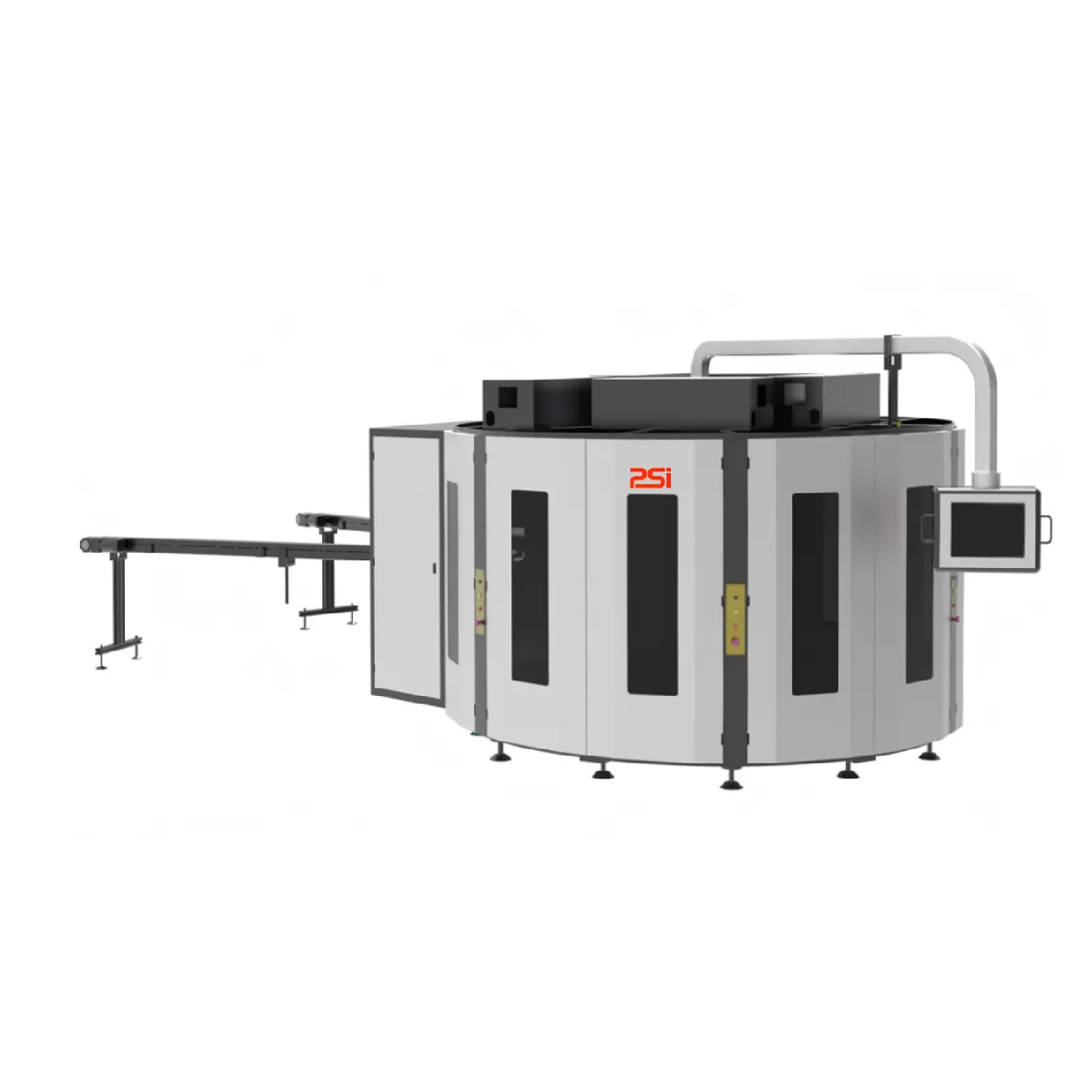
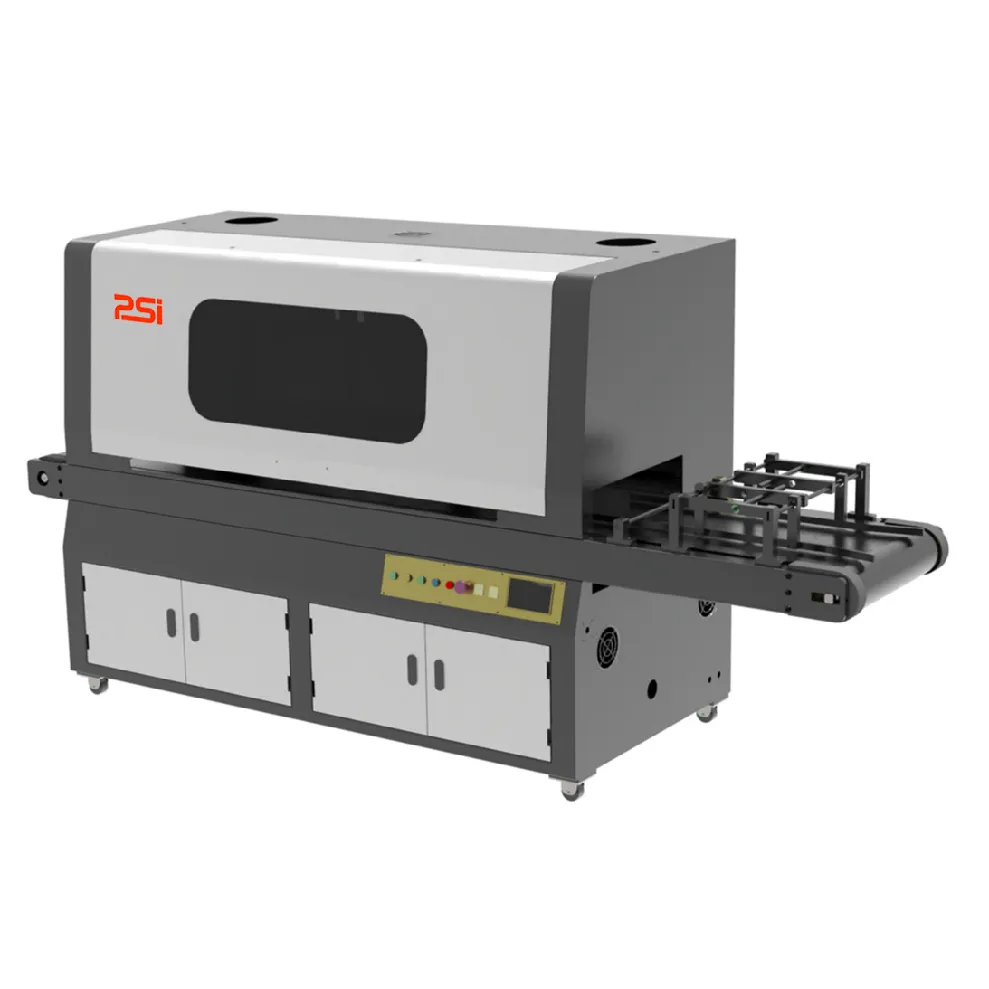
Industrial Screen Printing Machine: Advanced Automated Solutions for High-Volume Production

Contact me immediately if you encounter problems!

All Categories

industrial screen printing machine

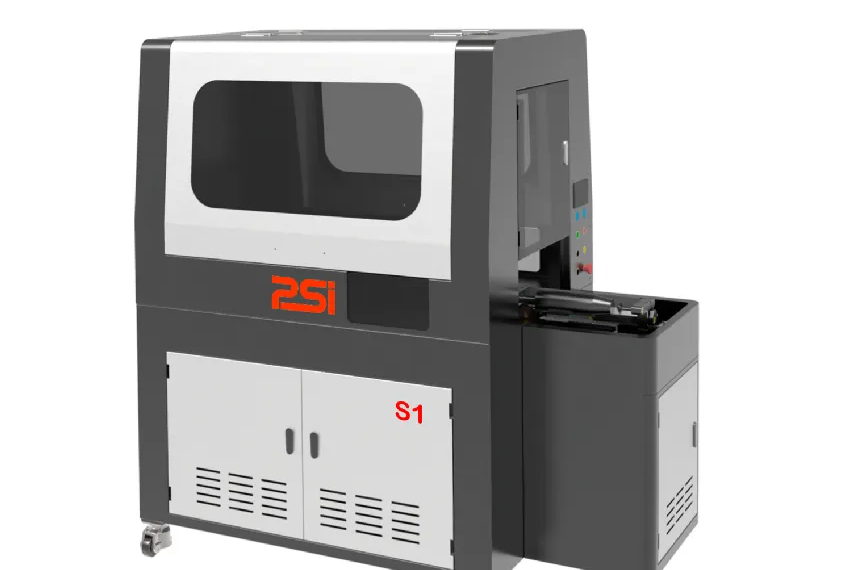
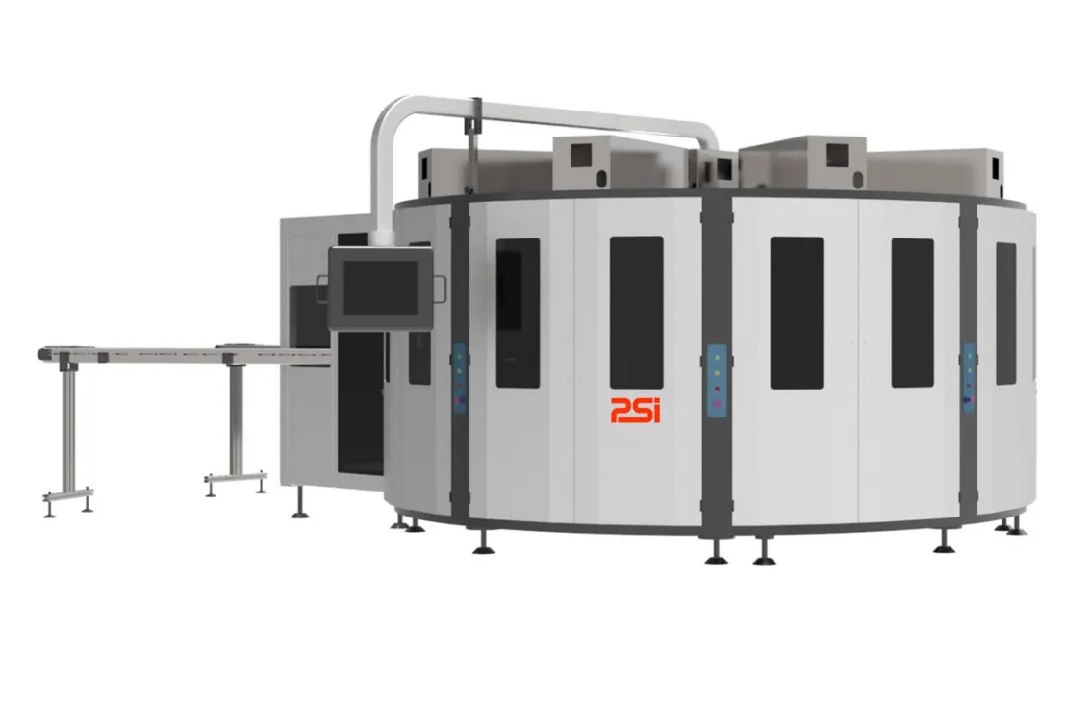
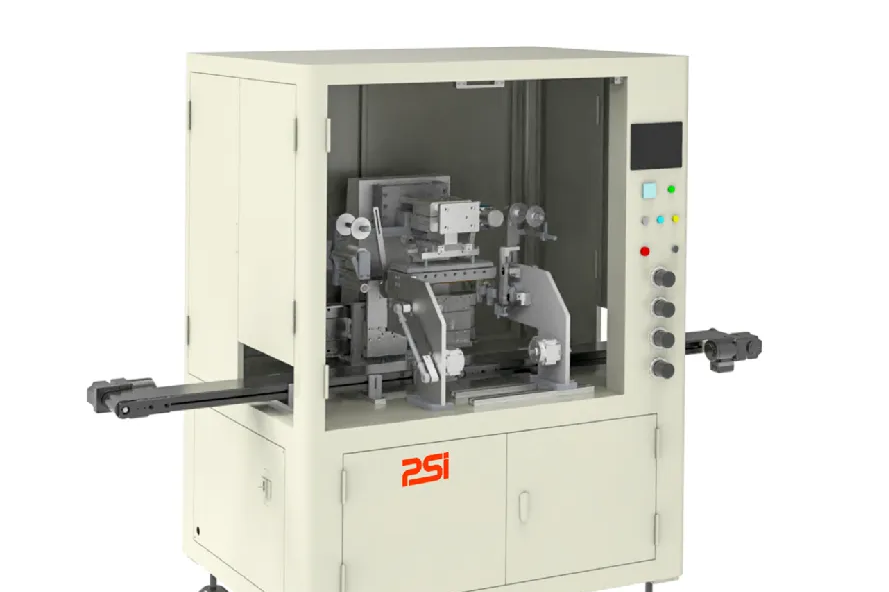
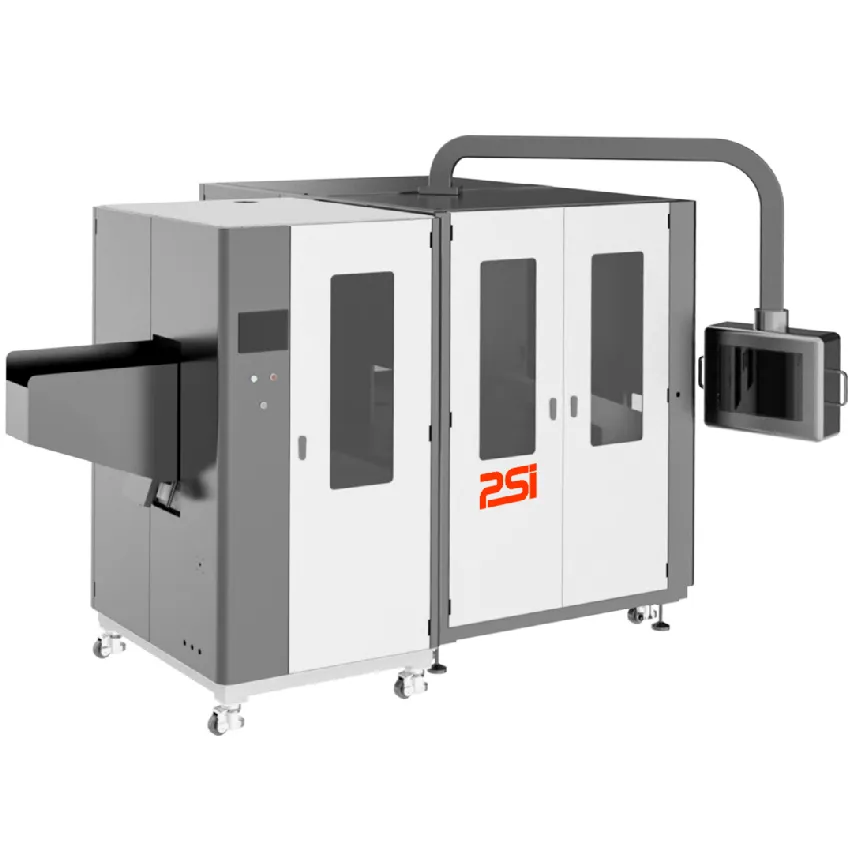
An industrial screen printing machine represents a sophisticated piece of manufacturing equipment designed to deliver high-volume, precision printing across diverse substrates and materials. This automated printing system utilizes the fundamental screen printing process, where ink passes through a mesh screen onto the target surface, creating consistent and durable printed outputs. The industrial screen printing machine incorporates advanced mechanical systems, computerized controls, and precision alignment mechanisms to ensure optimal print quality and production efficiency. Modern industrial screen printing machines feature multiple printing stations, allowing simultaneous processing of different colors or designs within a single production cycle. These machines accommodate various substrate sizes, from small electronic components to large signage panels, making them versatile solutions for numerous manufacturing applications. The core functionality revolves around automated squeegee movement, precise screen positioning, and controlled ink deposition, all managed through sophisticated software interfaces. Temperature control systems maintain optimal printing conditions, while vacuum tables ensure substrate stability during the printing process. Registration systems guarantee accurate color alignment across multi-color applications, essential for professional-grade output. The industrial screen printing machine typically includes features such as programmable print parameters, automatic screen lifting mechanisms, and integrated drying systems. Quality control sensors monitor print consistency and detect potential issues before they affect production quality. These machines support various ink types, including UV-curable, solvent-based, and water-based formulations, providing flexibility for different application requirements. Modular design concepts allow manufacturers to customize configurations based on specific production needs, from basic single-color setups to complex multi-station systems. The integration of Industry 4.0 technologies enables remote monitoring, predictive maintenance, and real-time production analytics, enhancing overall operational efficiency and reducing downtime.
New Product Recommendations

The industrial screen printing machine delivers exceptional production efficiency that transforms manufacturing operations across multiple industries. These machines operate continuously at high speeds, producing thousands of printed pieces per hour while maintaining consistent quality standards. Unlike manual screen printing methods, automated systems eliminate human error and variability, ensuring every printed item meets exact specifications. The precision control systems built into modern industrial screen printing machines provide repeatable results that manual processes simply cannot achieve. Cost-effectiveness emerges as a primary advantage when evaluating long-term operational expenses. While the initial investment may seem substantial, the rapid return on investment becomes apparent through reduced labor costs, minimized waste, and increased production capacity. These machines require fewer operators compared to manual setups, allowing businesses to reallocate human resources to other valuable tasks. The reduced ink consumption through precise application methods further contributes to cost savings over extended production runs. Versatility stands out as another compelling benefit of industrial screen printing machines. These systems accommodate an impressive range of materials, including textiles, plastics, metals, ceramics, glass, and electronic components. The ability to switch between different substrates quickly makes these machines ideal for businesses serving diverse markets or producing varied product lines. Print quality consistency represents a significant advantage that directly impacts customer satisfaction and brand reputation. Industrial screen printing machines maintain uniform ink density, color accuracy, and registration precision throughout entire production runs. This consistency eliminates the quality variations common in manual processes, reducing reject rates and customer complaints. The automated nature of these systems means production can continue around the clock with minimal supervision, maximizing facility utilization and meeting tight delivery schedules. Advanced monitoring systems alert operators to potential issues before they affect production quality, preventing costly delays and material waste. Scalability becomes effortless with industrial screen printing machines, as businesses can easily increase production capacity by adding additional stations or upgrading to faster models. This flexibility supports business growth without requiring complete equipment overhauls. The integration capabilities with existing production lines streamline workflow management and improve overall manufacturing efficiency. Environmental benefits also favor industrial screen printing machines, as precise ink application reduces waste and many systems accommodate eco-friendly ink formulations. The controlled printing environment minimizes emissions and allows for better waste management practices compared to traditional methods.

Tips And Tricks

Enhancing Your Brand's Impact with PSI's Cutting-Edge Inkjet Digital Printing Machines

27

Sep

Enhancing Your Brand's Impact with PSI's Cutting-Edge Inkjet Digital Printing Machines

In the domain of industrial digital printing, under the commonly used terminology of the PSI Company, high-quality inkjet digital printing machines have been successfully produced and introduced to a wide range of industries. The performance of the c...
View More
PSI Cutting-Edge Digital Inkjet and Screen Printing Machines

27

Sep

PSI Cutting-Edge Digital Inkjet and Screen Printing Machines

In today's fast-paced business environment, the impact of visual communication cannot be overstated. Brands are constantly seeking ways to stand out and connect with their audience through eye-catching designs and high-quality prints. PSI, a leading ...
View More
PSI Heat Transfer Machines:  in Customized Branding Solutions

27

Sep

PSI Heat Transfer Machines: in Customized Branding Solutions

In the realm of printing and branding, PSI  stands out as a beacon of innovation and excellence. Specializing in heat transfer machines, PSI  offers a range of products that cater to various industries, from textiles to plastics, ensuring t...
View More

Get a Free Quote

Our representative will contact you soon.
Email
Name
Company Name
Message
0/1000

industrial screen printing machine

Advanced Automation Technology for Maximum Productivity

Advanced Automation Technology for Maximum Productivity

The industrial screen printing machine incorporates cutting-edge automation technology that revolutionizes production capabilities and operational efficiency. This sophisticated automation system manages every aspect of the printing process, from substrate loading to final product discharge, eliminating manual intervention requirements and dramatically reducing production times. The computerized control systems feature intuitive touchscreen interfaces that allow operators to program complex print sequences, adjust parameters in real-time, and monitor production metrics continuously. Servo-driven mechanisms ensure precise movement control across all machine components, delivering consistent positioning accuracy that exceeds manual capabilities by significant margins. The automated registration system utilizes advanced optical sensors and cameras to detect substrate positioning and automatically adjust print alignment, ensuring perfect color registration even on challenging multi-color applications. This technology eliminates the time-consuming manual setup procedures traditionally required for complex printing jobs. Programmable logic controllers manage intricate timing sequences, coordinating multiple printing stations to work in perfect harmony while maintaining optimal production speeds. The integration of artificial intelligence algorithms enables predictive maintenance scheduling, analyzing machine performance data to identify potential issues before they cause production disruptions. Smart ink management systems automatically monitor viscosity levels, temperature conditions, and flow rates, making real-time adjustments to maintain optimal printing conditions throughout extended production runs. The automation technology extends to quality control processes, with integrated inspection systems that automatically detect print defects, color variations, or registration problems, immediately flagging issues for operator attention. Remote monitoring capabilities allow production managers to oversee multiple machines from centralized control rooms, optimizing resource allocation and responding quickly to operational changes. The seamless integration with enterprise resource planning systems enables automatic production reporting, inventory management, and job scheduling, creating a fully connected manufacturing environment. This advanced automation technology not only increases productivity but also improves workplace safety by reducing operator exposure to potentially hazardous materials and eliminating repetitive manual tasks that could lead to workplace injuries.
Superior Print Quality and Consistency

Superior Print Quality and Consistency

The industrial screen printing machine delivers unmatched print quality and consistency that sets new standards for professional printing applications. This exceptional quality stems from precision-engineered components working in perfect coordination to control every variable affecting print output. The machine's rigid frame construction eliminates vibrations and movement that could compromise print accuracy, while precision-ground surfaces ensure perfect parallelism between screens and substrates. Advanced squeegee systems maintain consistent pressure distribution across the entire print area, eliminating the pressure variations that cause uneven ink coverage in manual processes. The pneumatically controlled squeegee assemblies provide adjustable pressure settings that can be fine-tuned for different substrate materials and ink viscosities, ensuring optimal print quality across diverse applications. Temperature control systems maintain precise environmental conditions throughout the printing process, preventing ink viscosity changes that could affect print quality. The machine's registration system achieves positioning accuracies measured in fractions of millimeters, enabling perfect color alignment in complex multi-color designs. High-resolution optical sensors continuously monitor print registration and automatically compensate for any detected variations, maintaining perfect alignment throughout entire production runs. The controlled printing environment prevents contamination from dust, moisture, or other environmental factors that could compromise print quality. Ink delivery systems maintain consistent viscosity and flow characteristics, while automated cleaning cycles ensure screens remain free from ink buildup that could affect print clarity. The machine's ability to maintain consistent print parameters eliminates the quality variations inherent in manual processes, where operator fatigue, skill differences, and environmental changes can significantly impact output quality. Quality monitoring systems provide real-time feedback on print density, color accuracy, and registration precision, allowing immediate corrective actions when variations are detected. The superior print quality achieved by industrial screen printing machines reduces customer complaints, minimizes reject rates, and enhances brand reputation through consistently professional output. This quality consistency proves particularly valuable for applications requiring exact color matching, precise registration, or meeting stringent quality standards, such as automotive components, electronic devices, or medical equipment marking.
Exceptional Versatility and Material Compatibility

Exceptional Versatility and Material Compatibility

The industrial screen printing machine demonstrates remarkable versatility through its ability to accommodate an extensive range of materials, substrates, and printing applications, making it an invaluable asset for diverse manufacturing environments. This versatility stems from sophisticated design features that adapt to varying substrate characteristics, thicknesses, and surface textures without compromising print quality or production efficiency. The adjustable vacuum table system accommodates substrates ranging from thin films to thick rigid materials, providing secure positioning for materials of vastly different dimensions and weights. Variable squeegee pressure controls allow optimization for different material surfaces, from smooth plastics requiring light pressure to textured surfaces needing increased force for proper ink penetration. The machine's flexible screen mounting system accepts various screen sizes and mesh counts, enabling printing applications from fine-detail electronics marking to large-format signage production. Temperature control capabilities support both ambient temperature printing and heated substrate applications, expanding compatibility to materials requiring specific thermal conditions for optimal ink adhesion. The industrial screen printing machine handles diverse ink formulations including UV-curable, solvent-based, water-based, and specialty conductive inks, providing solutions for applications ranging from decorative printing to functional electronic circuit creation. Modular tooling systems enable quick changeovers between different product configurations, minimizing setup times when switching between varied applications. The machine's programmable parameters store specific settings for different material combinations, allowing operators to recall optimal conditions instantly when repeating jobs. This versatility extends to substrate sizes, with adjustable guides and positioning systems accommodating everything from small electronic components measuring millimeters to large panels spanning meters. The ability to print on curved surfaces, textured materials, and irregularly shaped objects through specialized tooling attachments further enhances the machine's application range. Different printing modes, including kiss printing, hard-squeeze printing, and flood coating options, provide optimal results for various material and ink combinations. The machine's compatibility with both manual feeding for short runs and automated feeding systems for high-volume production demonstrates its adaptability to different operational requirements. This exceptional versatility allows manufacturers to consolidate multiple printing processes into a single machine platform, reducing equipment costs, floor space requirements, and operator training needs while maintaining the flexibility to serve diverse market segments and customer requirements.