Professional Pad Printer Machine - Advanced Multi-Color Printing Solutions with Servo Precision Technology

Contact me immediately if you encounter problems!

All Categories

pad printer machine

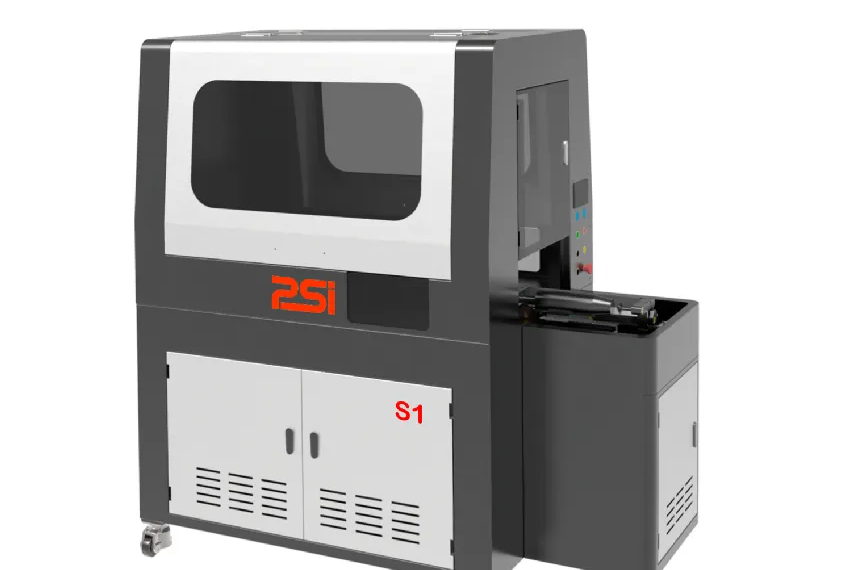
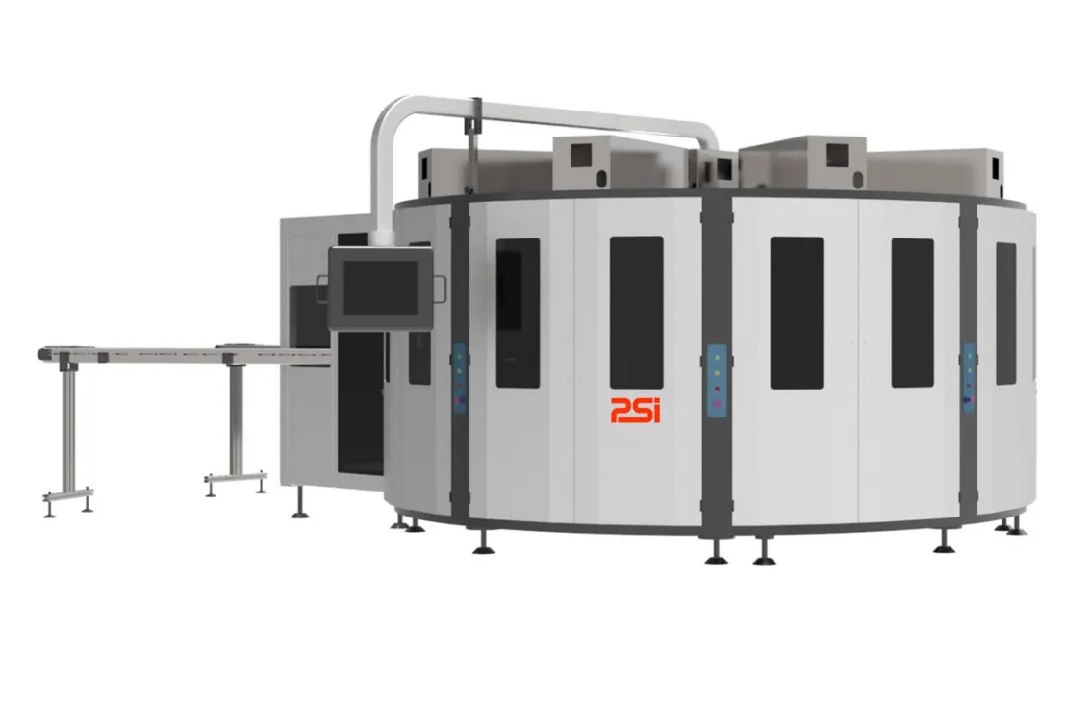
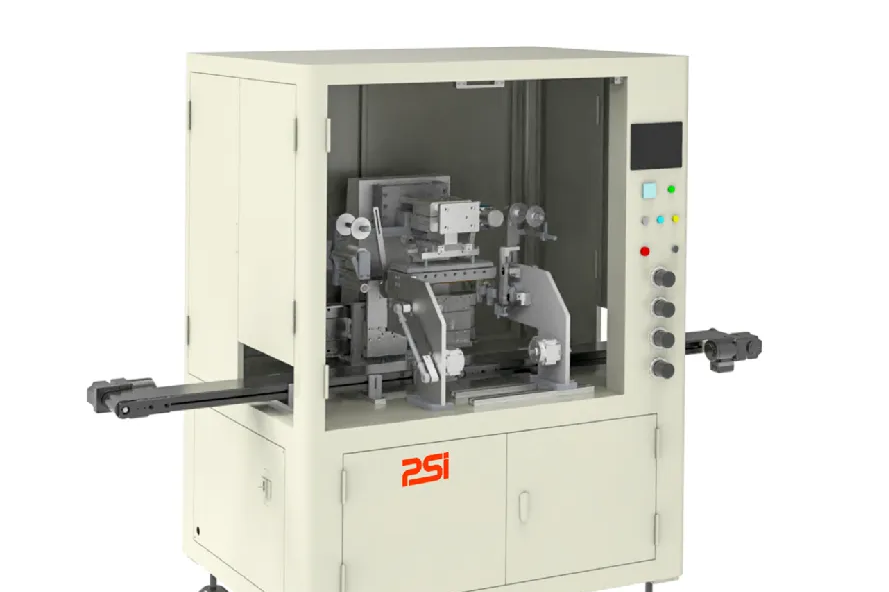
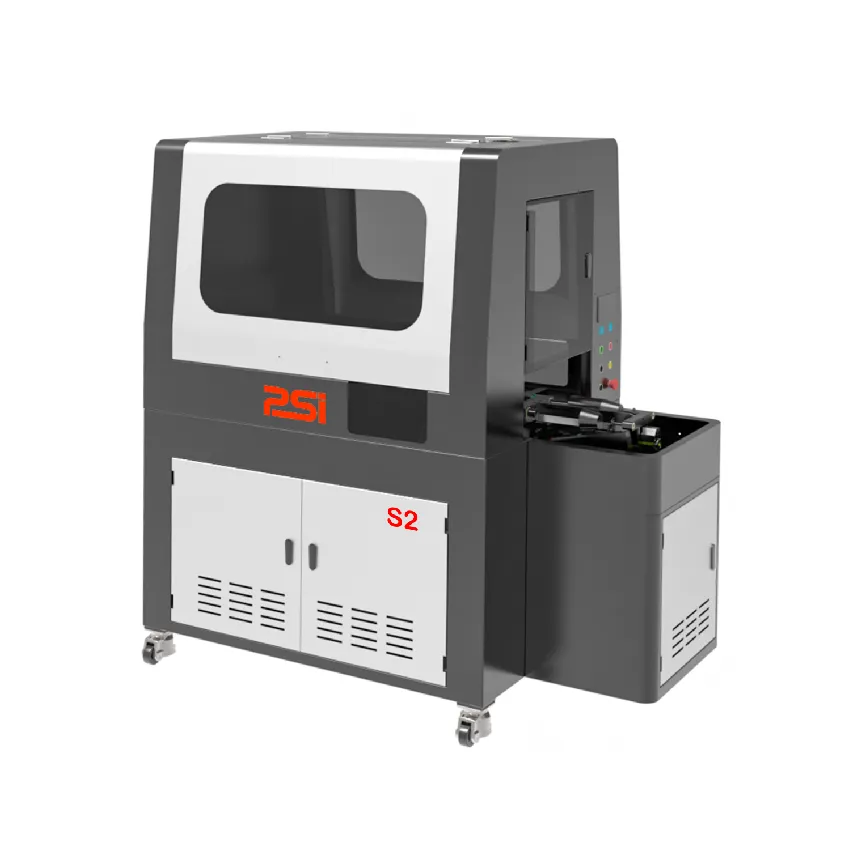
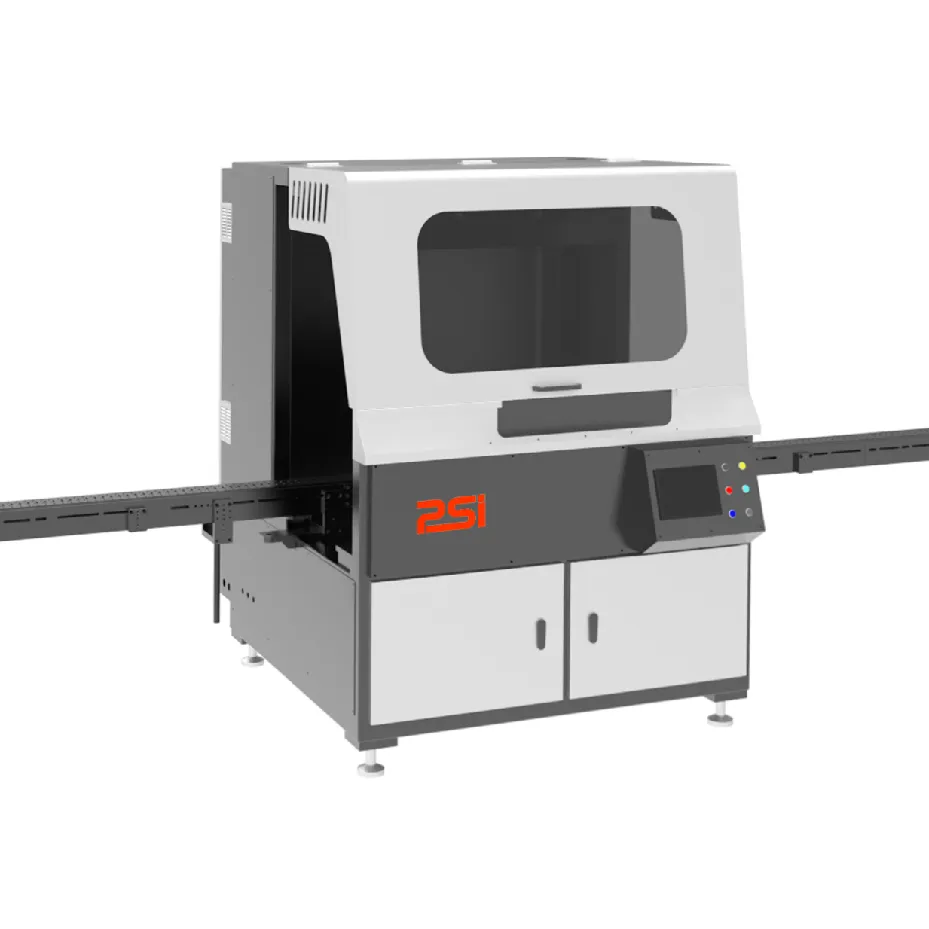
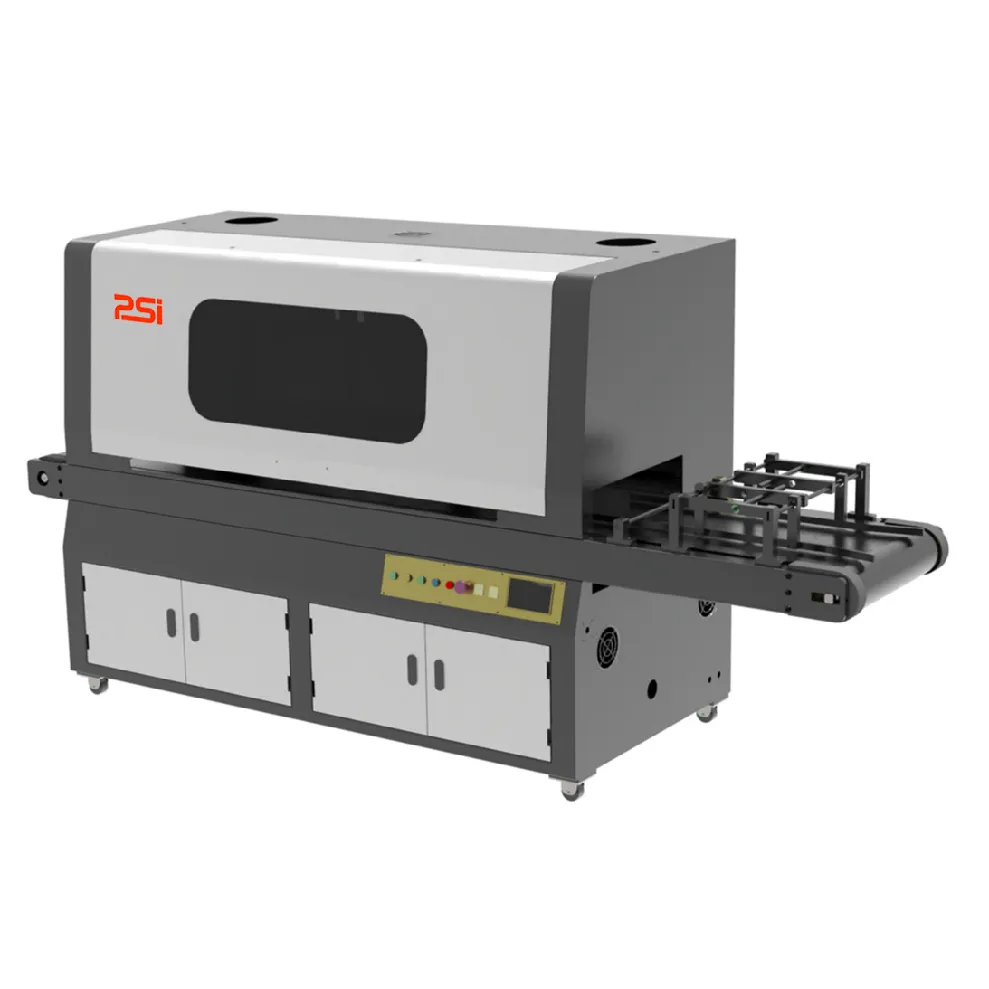
A pad printer machine represents a sophisticated printing technology that utilizes silicone pads to transfer ink from etched plates onto various surfaces and substrates. This versatile printing equipment operates through a unique indirect printing process, where the silicone pad picks up ink from an engraved cliche plate and subsequently deposits it onto the target object. The pad printer machine excels in creating precise, high-quality impressions on irregular, curved, textured, or delicate surfaces that traditional printing methods cannot accommodate. The core mechanism involves a sealed ink cup system that ensures consistent ink delivery while preventing contamination and waste. Modern pad printer machines incorporate advanced servo motor technology, programmable logic controllers, and precise positioning systems to deliver exceptional accuracy and repeatability. These machines feature adjustable printing pressure, speed control, and customizable stroke lengths to accommodate diverse printing requirements. The pad printer machine supports various ink types, including solvent-based, UV-curable, and water-based formulations, making it suitable for different material compatibility needs. Digital control panels provide intuitive operation interfaces, allowing operators to monitor printing parameters, adjust settings, and maintain consistent quality standards. The equipment typically includes safety features such as emergency stops, protective enclosures, and automatic error detection systems. Many pad printer machines offer multi-color printing capabilities through sequential color stations or simultaneous multi-pad configurations. The technology supports both manual loading and automated feeding systems for enhanced productivity in manufacturing environments. Quality assurance features include registration mark detection, vision inspection systems, and automatic reject mechanisms to maintain production standards. These machines demonstrate exceptional durability and reliability, designed for continuous operation in industrial settings while maintaining precise print registration and color consistency throughout extended production runs.

New Product Releases

The pad printer machine delivers numerous compelling benefits that make it an essential investment for businesses seeking reliable and versatile printing solutions. First, this equipment provides unmatched surface versatility, successfully printing on irregular shapes, curved surfaces, textured materials, and delicate substrates that conventional printing methods cannot handle effectively. The technology accommodates materials ranging from plastics and metals to glass, ceramics, rubber, and electronic components without causing surface damage or distortion. Cost efficiency represents another significant advantage, as the pad printer machine operates with minimal ink consumption through its sealed cup system, reducing material waste and operational expenses. The equipment requires lower maintenance compared to alternative printing technologies, with silicone pads lasting thousands of impressions before replacement becomes necessary. Production speed and efficiency gains are substantial, with modern pad printer machines capable of completing hundreds of impressions per hour while maintaining consistent quality standards. The technology supports quick changeovers between different products or designs, minimizing downtime and maximizing productivity in diverse manufacturing environments. Quality consistency stands as a paramount advantage, with the pad printer machine delivering precise registration, uniform ink coverage, and repeatable results across entire production runs. The equipment maintains excellent print clarity and detail reproduction, even on challenging surfaces or complex geometries. Operator safety benefits include enclosed printing areas, automatic safety shutoffs, and ergonomic design features that reduce workplace hazards and operator fatigue. Environmental advantages emerge through reduced solvent emissions, contained ink systems, and efficient material utilization that supports sustainable manufacturing practices. The pad printer machine offers exceptional return on investment through increased production capacity, reduced labor costs, and improved product quality that enhances customer satisfaction and market competitiveness. Integration capabilities allow seamless incorporation into existing production lines, automated systems, and quality control processes, providing scalable solutions that grow with business requirements. These combined advantages position the pad printer machine as an indispensable tool for manufacturers seeking to enhance their printing capabilities while maintaining operational efficiency and product excellence.

Tips And Tricks

Enhancing Your Brand's Impact with PSI's Cutting-Edge Inkjet Digital Printing Machines

27

Sep

Enhancing Your Brand's Impact with PSI's Cutting-Edge Inkjet Digital Printing Machines

In the domain of industrial digital printing, under the commonly used terminology of the PSI Company, high-quality inkjet digital printing machines have been successfully produced and introduced to a wide range of industries. The performance of the c...
View More
PSI Cutting-Edge Digital Inkjet and Screen Printing Machines

27

Sep

PSI Cutting-Edge Digital Inkjet and Screen Printing Machines

In today's fast-paced business environment, the impact of visual communication cannot be overstated. Brands are constantly seeking ways to stand out and connect with their audience through eye-catching designs and high-quality prints. PSI, a leading ...
View More
PSI Heat Transfer Machines:  in Customized Branding Solutions

27

Sep

PSI Heat Transfer Machines: in Customized Branding Solutions

In the realm of printing and branding, PSI  stands out as a beacon of innovation and excellence. Specializing in heat transfer machines, PSI  offers a range of products that cater to various industries, from textiles to plastics, ensuring t...
View More

Get a Free Quote

Our representative will contact you soon.
Email
Name
Company Name
Message
0/1000

pad printer machine

Advanced Servo Motor Precision Technology

Advanced Servo Motor Precision Technology

The pad printer machine incorporates cutting-edge servo motor technology that revolutionizes printing precision and operational efficiency in modern manufacturing environments. This sophisticated motor system provides exceptional positioning accuracy, enabling the pad printer machine to achieve print registration tolerances within micrometers, ensuring consistent placement and alignment across thousands of printing cycles. The servo motor technology eliminates the variability and mechanical wear associated with traditional pneumatic or cam-driven systems, delivering superior repeatability and extending equipment lifespan significantly. Advanced feedback control systems continuously monitor motor position, speed, and torque, automatically adjusting parameters to maintain optimal printing conditions regardless of environmental changes or material variations. The servo-driven pad printer machine offers programmable acceleration and deceleration curves, reducing mechanical stress on components while optimizing cycle times for maximum productivity. This technology enables precise control over printing pressure distribution, ensuring uniform ink transfer across the entire contact area and eliminating common printing defects such as incomplete coverage or excessive ink buildup. The servo motor system supports variable speed operation, allowing operators to adjust printing speeds based on substrate characteristics, ink properties, and quality requirements without compromising precision. Energy efficiency benefits emerge through intelligent power management, with the servo motor consuming energy only during active movement phases and entering low-power standby modes during idle periods. The technology facilitates seamless integration with automated production systems, supporting synchronized operation with feeding mechanisms, conveyor systems, and quality inspection equipment. Maintenance requirements decrease substantially compared to conventional drive systems, with fewer moving parts, reduced lubrication needs, and predictive maintenance capabilities that monitor motor performance parameters. The servo motor technology enables advanced features such as multi-point positioning, complex motion profiles, and synchronized multi-station operation that expand the pad printer machine's capabilities beyond traditional printing applications into specialized manufacturing processes requiring extreme precision and reliability.
Multi-Color Sequential Printing Capability

Multi-Color Sequential Printing Capability

The pad printer machine's multi-color sequential printing capability represents a transformative feature that enables complex, professional-quality graphics production within a single, streamlined process. This advanced functionality allows the pad printer machine to apply multiple ink colors in precise sequence, creating vibrant, multi-colored designs that meet demanding aesthetic and branding requirements across diverse industries. The sequential printing system utilizes multiple ink stations, each equipped with dedicated cliche plates and ink cups, enabling the pad printer machine to build complex images layer by layer with exceptional color registration accuracy. Sophisticated vision alignment systems ensure perfect color-to-color registration, eliminating the ghosting, misalignment, or color bleeding that can occur with less advanced printing technologies. The pad printer machine's multi-color capability supports both spot color applications and complex gradient designs, providing manufacturers with unprecedented flexibility in product decoration and branding applications. Automated color changeover systems minimize setup time between different color combinations, allowing the pad printer machine to accommodate short production runs and custom orders without significant efficiency losses. The technology incorporates advanced ink management systems that prevent color contamination, maintain consistent viscosity, and ensure optimal ink transfer characteristics for each color station throughout extended production cycles. Quality control features include real-time color monitoring, automatic registration adjustment, and statistical process control that maintains tight color consistency standards across entire production batches. The multi-color pad printer machine reduces overall equipment investment requirements by consolidating multiple printing operations into a single platform, eliminating the need for separate single-color machines and associated handling equipment. Production efficiency gains are substantial, with the ability to complete complex multi-color printing in a single pass, reducing material handling, work-in-process inventory, and quality control inspection points. The system supports various color combination strategies, from simple two-color applications to sophisticated six-color process printing, accommodating diverse market demands and enabling manufacturers to differentiate their products through enhanced visual appeal and professional appearance quality that commands premium pricing in competitive markets.
Intelligent Vision Inspection Integration

Intelligent Vision Inspection Integration

The pad printer machine's intelligent vision inspection integration represents a revolutionary advancement in quality assurance technology, providing real-time monitoring and automatic defect detection capabilities that ensure consistent, high-quality output while minimizing waste and operator intervention. This sophisticated system combines high-resolution cameras, advanced image processing algorithms, and artificial intelligence to inspect every printed item immediately following the printing process, identifying defects, registration errors, and quality variations with unprecedented accuracy and speed. The vision inspection system integrated into the pad printer machine analyzes multiple quality parameters simultaneously, including print position accuracy, ink coverage uniformity, color consistency, text legibility, and surface contamination, providing comprehensive quality assessment that exceeds human inspection capabilities. Machine learning algorithms continuously improve defect detection accuracy by analyzing historical data patterns and operator feedback, enabling the pad printer machine to adapt to new product requirements and evolving quality standards without extensive reprogramming. The intelligent vision system provides detailed statistical reporting and trend analysis, allowing manufacturers to identify process variations, optimize printing parameters, and implement preventive maintenance schedules based on actual performance data rather than arbitrary time intervals. Real-time feedback capabilities enable immediate process adjustments when quality variations are detected, automatically modifying printing pressure, speed, or ink delivery parameters to maintain specification compliance throughout production runs. The vision inspection integration supports multiple rejection strategies, from automatic part removal to production line stoppage, depending on defect severity and customer requirements, ensuring that only acceptable products continue through the manufacturing process. Advanced pattern recognition capabilities enable the pad printer machine to handle complex graphics, fine text, and intricate designs while maintaining strict quality standards that meet aerospace, medical device, and automotive industry requirements. The system reduces quality control labor costs by eliminating manual inspection requirements while providing more consistent and reliable quality assessment than human operators can achieve. Documentation and traceability features automatically record inspection results, creating comprehensive quality records that support regulatory compliance, customer audits, and continuous improvement initiatives essential for modern manufacturing operations.