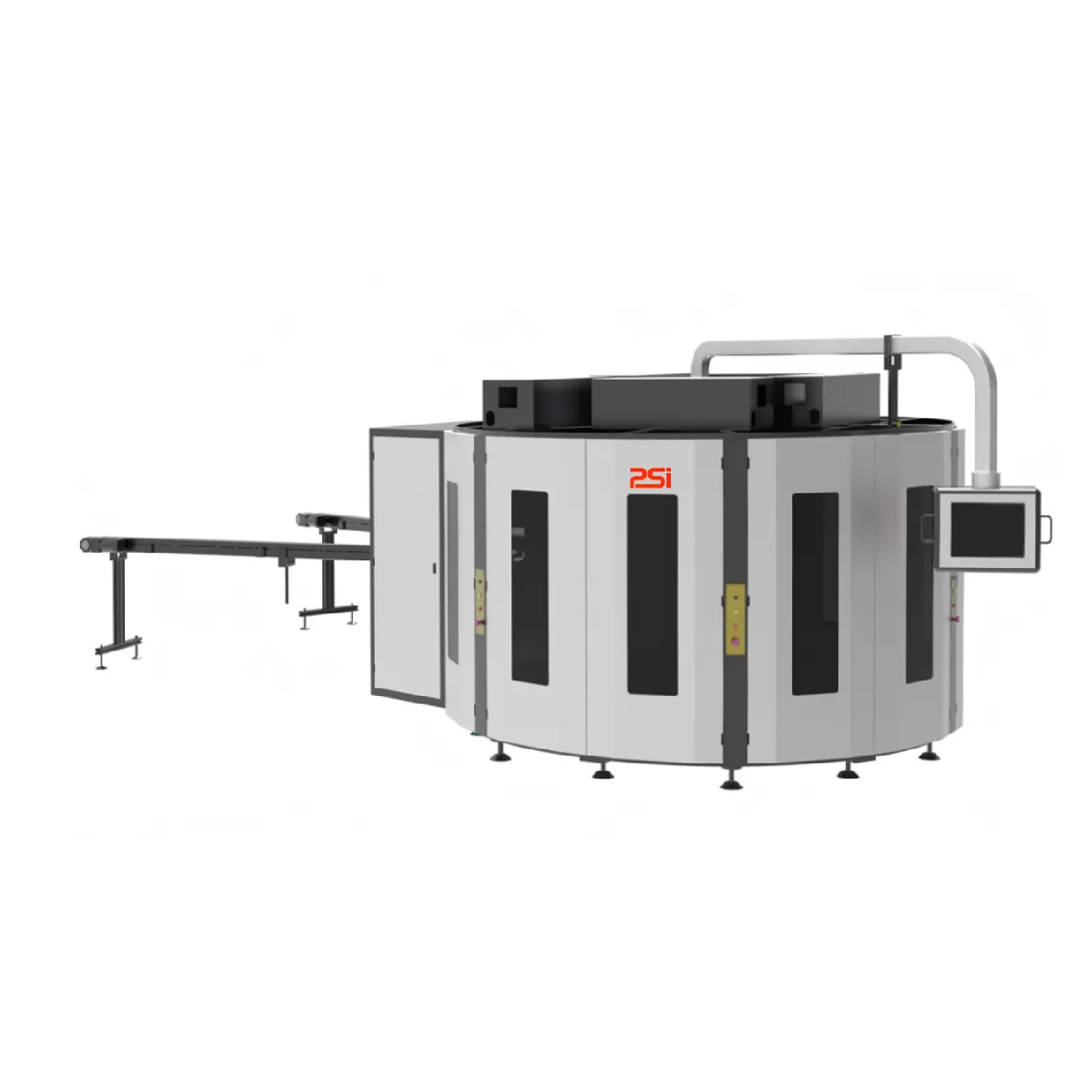
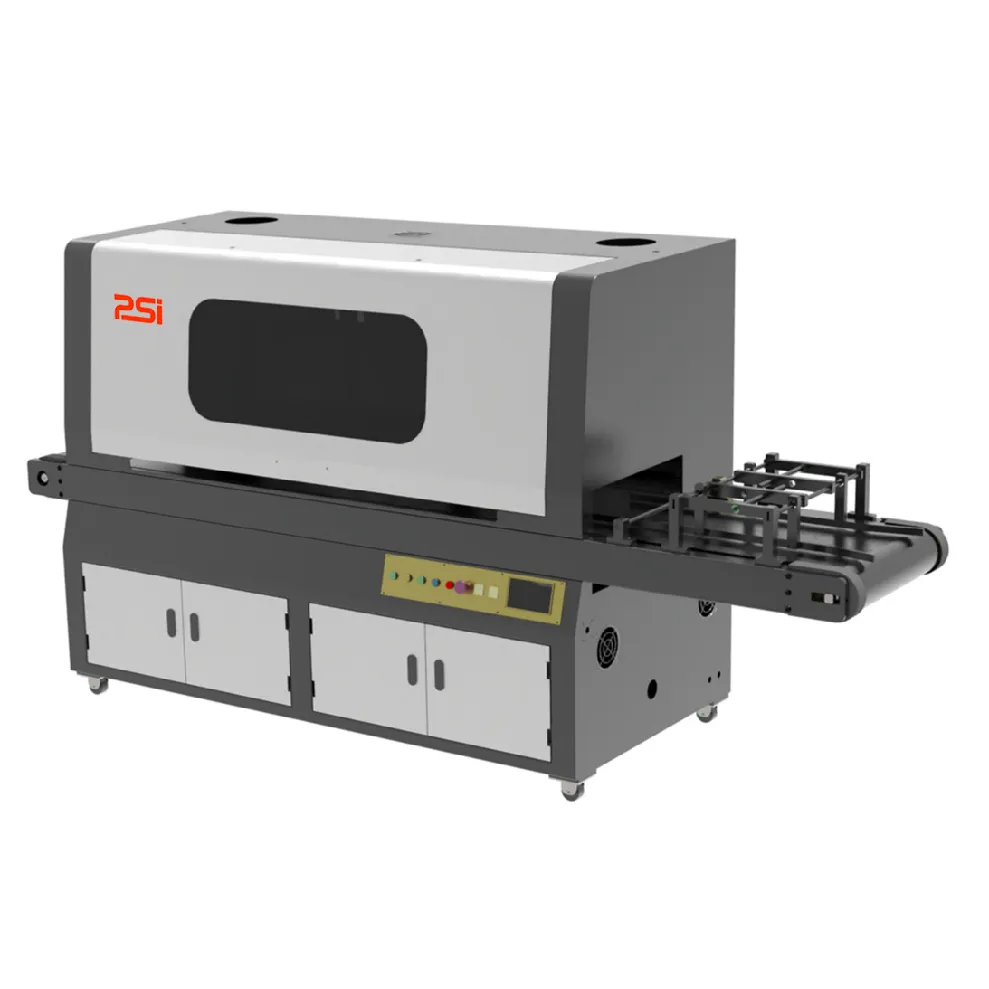
rotary pad printing
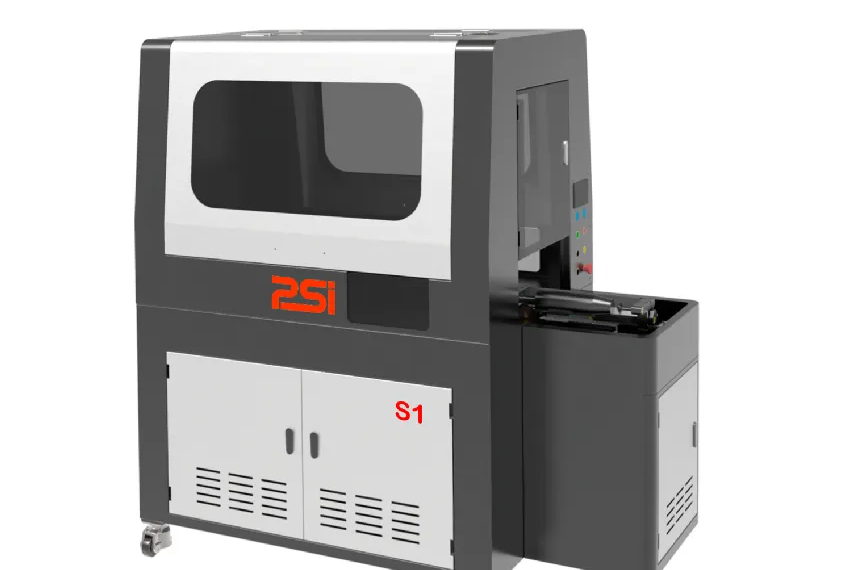
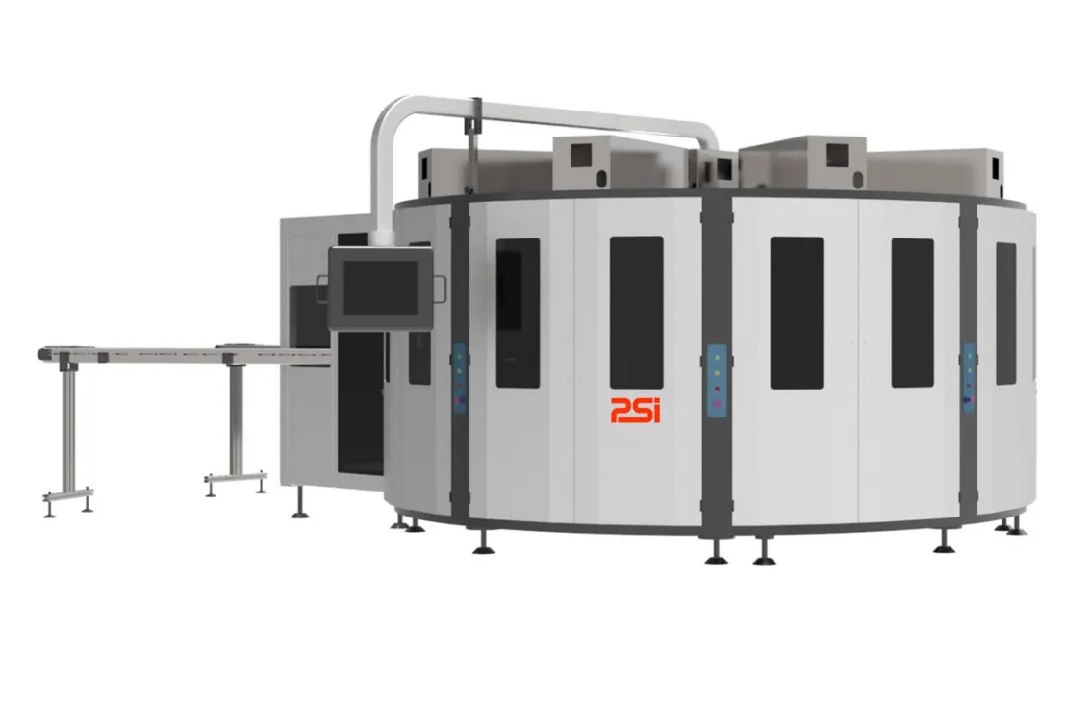
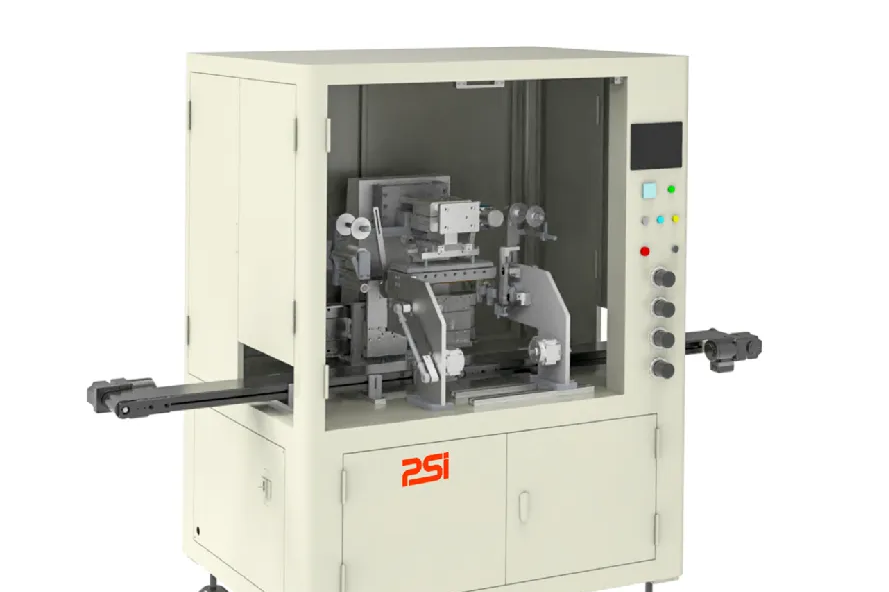
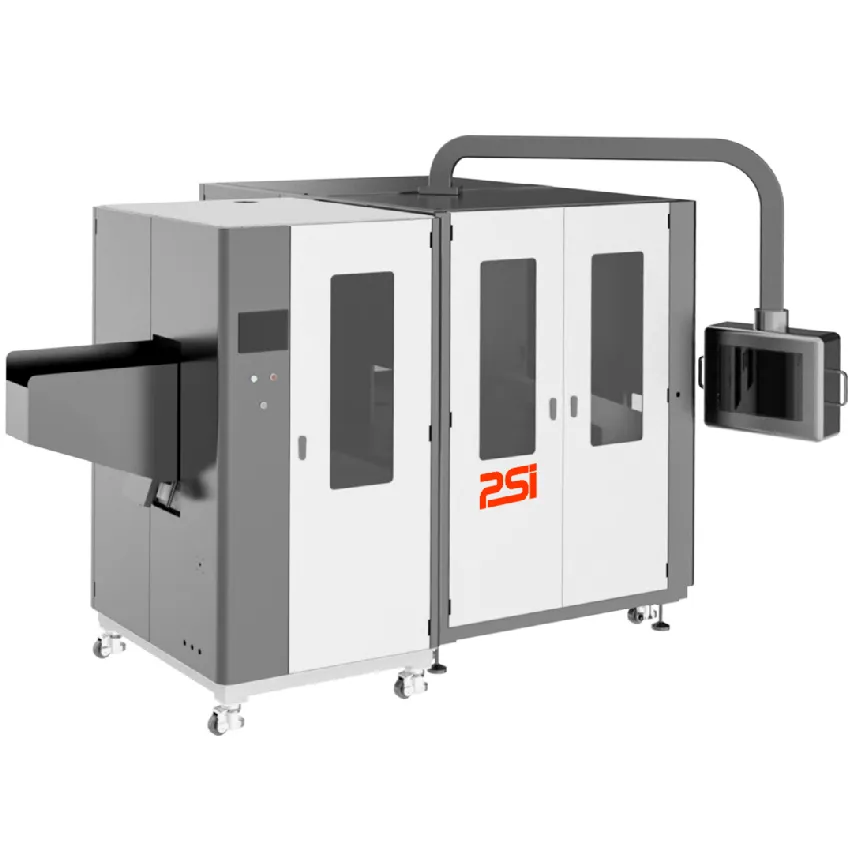
Rotary pad printing represents a revolutionary advancement in industrial printing technology that combines speed, precision, and versatility in a single automated system. This sophisticated printing method utilizes a rotating carousel mechanism that enables continuous, high-volume production while maintaining exceptional print quality across diverse substrates. The rotary pad printing process operates through a synchronized system where multiple printing stations work simultaneously, creating an efficient workflow that significantly reduces production time compared to traditional linear pad printing methods. The technology incorporates advanced silicone pad systems that conform perfectly to irregular surfaces, ensuring consistent ink transfer even on curved, textured, or contoured products. The main functions of rotary pad printing include multi-color decoration, precise registration alignment, and automated substrate handling throughout the entire printing cycle. The system features programmable control interfaces that allow operators to adjust printing parameters such as pressure, speed, and ink viscosity to accommodate various materials and design requirements. Key technological features include servo-driven positioning systems that guarantee accurate pad placement, automatic ink replenishment mechanisms that maintain consistent color density, and integrated quality control sensors that monitor print registration in real-time. The rotary configuration enables the simultaneous processing of multiple workpieces, dramatically increasing throughput while minimizing manual intervention. Applications for rotary pad printing span numerous industries including automotive components, medical devices, consumer electronics, promotional products, and industrial equipment marking. The technology excels in printing on three-dimensional objects such as bottle caps, electronic housings, automotive knobs, and medical instrument components where traditional printing methods struggle to achieve uniform coverage. The versatility extends to various ink formulations including UV-curable, solvent-based, and water-based systems, making it suitable for indoor and outdoor applications with varying durability requirements.
 EN
EN
 AR
AR FR
FR DE
DE HI
HI IT
IT JA
JA KO
KO PT
PT RU
RU ES
ES IW
IW ID
ID VI
VI TH
TH TR
TR FA
FA