Industrial Pad Printing Machines: Advanced Multi-Surface Printing Solutions for Manufacturing Excellence

Contact me immediately if you encounter problems!

All Categories

industrial pad printing machines

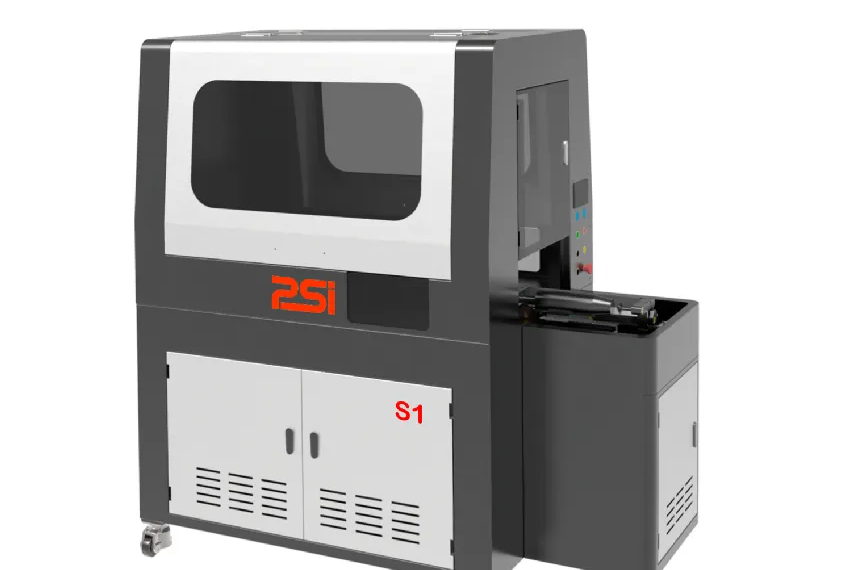
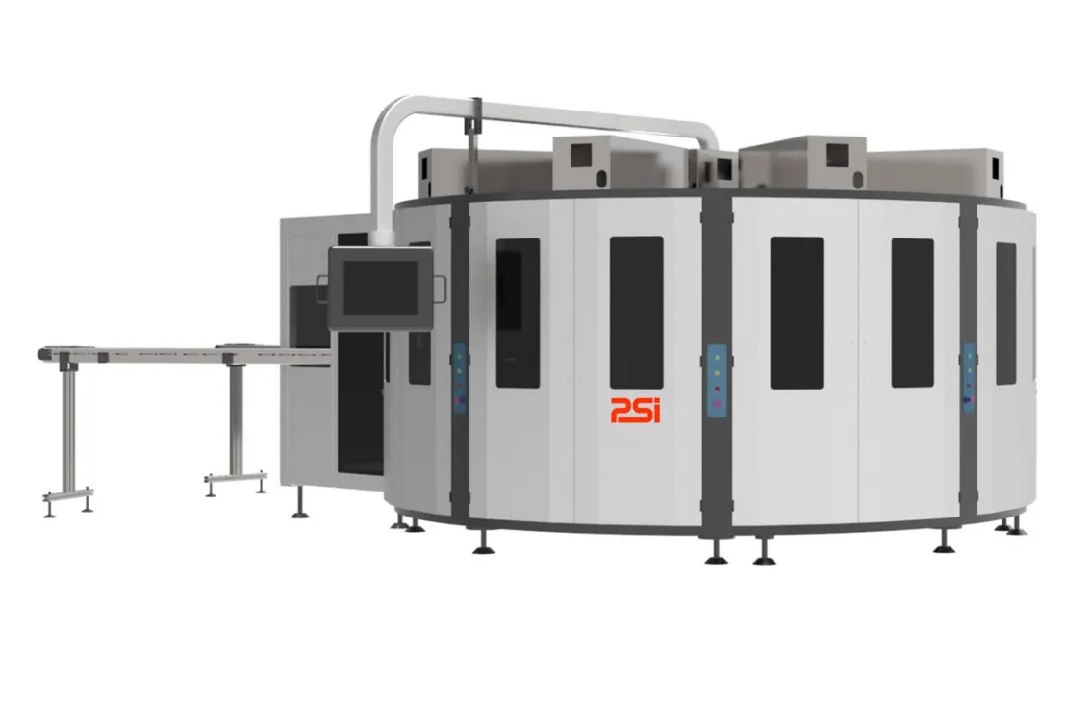
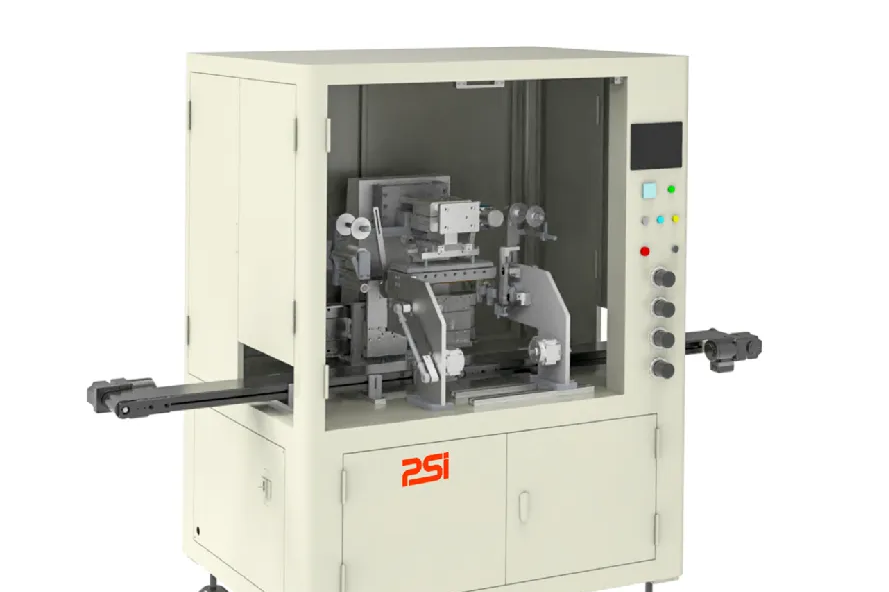
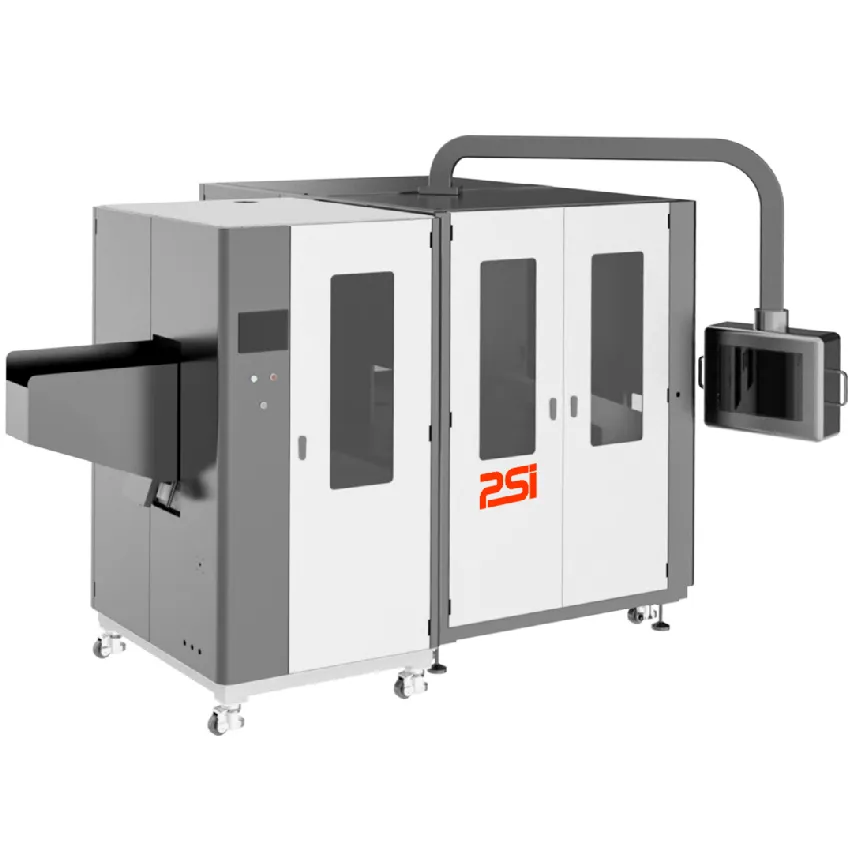
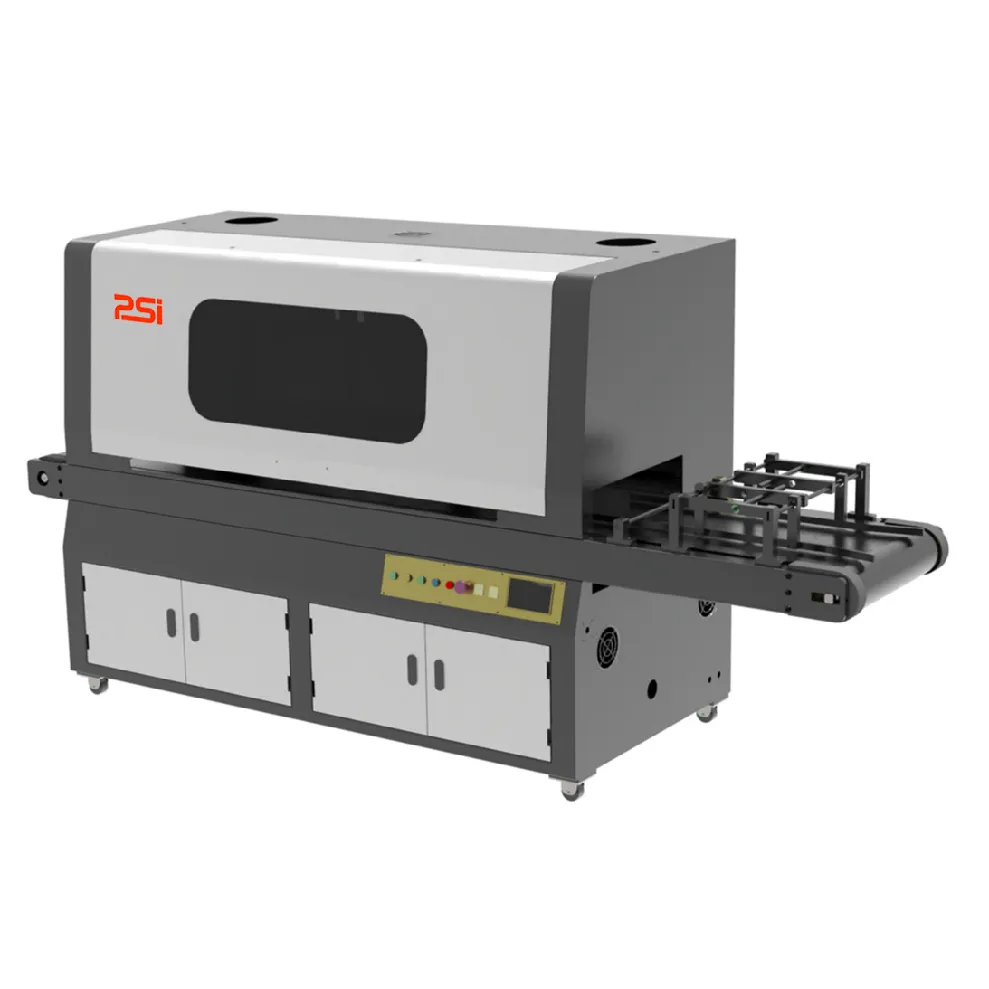
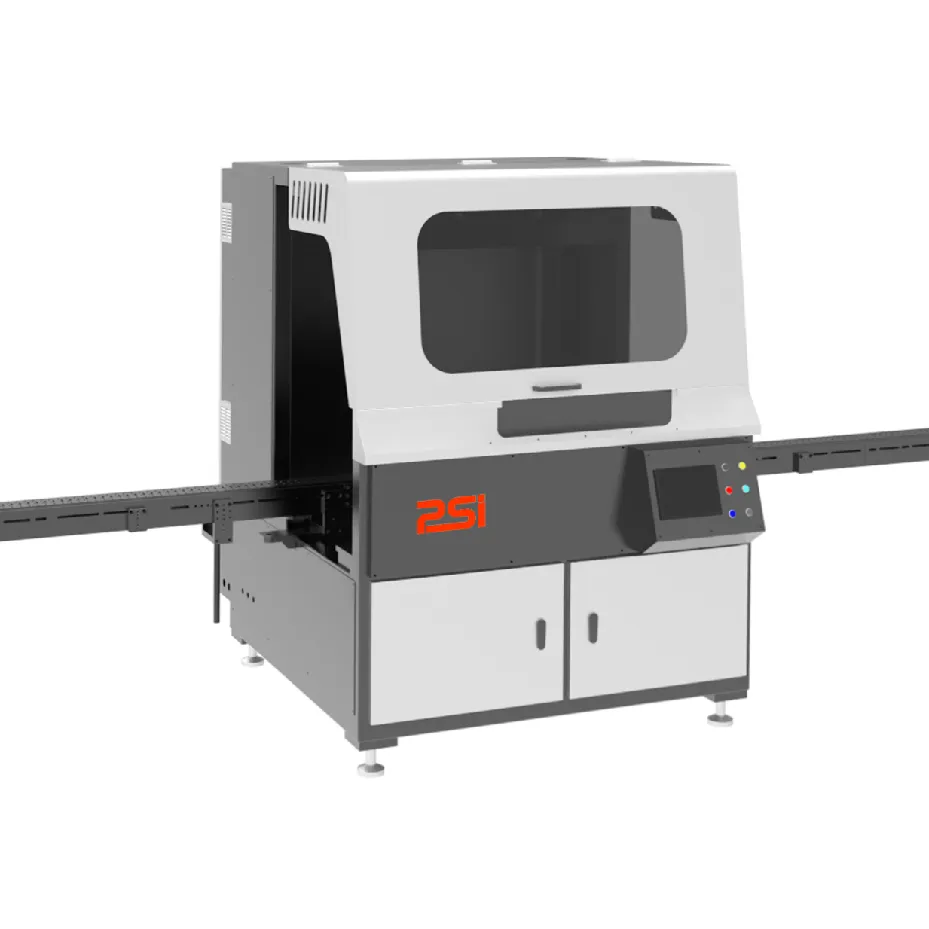
Industrial pad printing machines represent sophisticated printing technology designed for precise, high-quality marking and decoration across diverse manufacturing sectors. These specialized systems utilize a silicone pad to transfer ink from an etched printing plate onto products with complex geometries, curved surfaces, and irregular shapes that conventional printing methods cannot accommodate effectively. The fundamental operation involves four key stages: ink application to the printing plate, pad compression to collect ink from recessed areas, pad movement to the substrate, and final impression transfer through controlled pressure application. Modern industrial pad printing machines incorporate advanced servo motor controls, programmable logic controllers, and precision positioning systems that ensure consistent print quality and dimensional accuracy. The technology excels in handling multiple colors simultaneously through multi-station configurations, enabling complex graphics and text reproduction with registration tolerances measured in hundredths of millimeters. These machines accommodate substrates ranging from plastics and metals to ceramics and glass, making them indispensable for automotive components, medical devices, promotional products, and consumer electronics manufacturing. Industrial pad printing machines feature robust construction with hardened steel components, corrosion-resistant materials, and sealed ink systems that minimize maintenance requirements while maximizing operational uptime. The printing plates, typically made from photopolymer or steel, can reproduce fine detail down to 0.1mm line widths, supporting everything from simple logos to intricate technical specifications. Environmental considerations have driven the development of closed-cup ink systems that reduce solvent emissions and improve workplace safety. Modern industrial pad printing machines integrate seamlessly with automated production lines through conveyor systems, robotic handling, and quality control sensors that monitor print consistency in real-time. The versatility of pad printing technology extends to printing on products as small as electronic components or as large as automotive panels, with print areas ranging from a few millimeters to several hundred millimeters in diameter.

New Products

Industrial pad printing machines deliver exceptional value through their unique ability to print on three-dimensional objects and irregular surfaces that other printing technologies cannot handle effectively. This capability eliminates the need for expensive secondary operations like labeling or heat transfer applications, reducing production costs and improving manufacturing efficiency. The precision control systems in modern industrial pad printing machines ensure consistent print quality across high-volume production runs, minimizing waste and rework while maintaining tight quality standards that meet demanding industry specifications. These machines operate at impressive speeds, typically processing hundreds to thousands of parts per hour depending on complexity, making them ideal for large-scale manufacturing operations where productivity directly impacts profitability. The ink adhesion achieved through pad printing surpasses many alternative marking methods, creating durable prints that withstand harsh environmental conditions, chemical exposure, and mechanical wear throughout the product lifecycle. Industrial pad printing machines accommodate an extensive range of ink formulations, including UV-curable, solvent-based, and water-based options, allowing manufacturers to select the optimal ink chemistry for specific substrate materials and performance requirements. The modular design of these systems enables easy reconfiguration for different products, reducing changeover times and increasing overall equipment effectiveness in multi-product manufacturing environments. Maintenance requirements remain minimal due to the simplicity of the pad printing process and the durability of key components, resulting in lower total cost of ownership compared to more complex printing technologies. The compact footprint of industrial pad printing machines maximizes factory floor utilization while their relatively quiet operation creates a more pleasant working environment for operators. Quality control integration through vision systems and automatic rejection mechanisms ensures defective prints are identified and removed before reaching customers, protecting brand reputation and reducing warranty costs. These machines excel in printing fine details, small text, and complex graphics that would be impossible or prohibitively expensive using alternative methods like screen printing or digital printing. The environmental benefits of closed-cup ink systems reduce solvent emissions and ink waste, helping manufacturers meet increasingly stringent environmental regulations while reducing operating costs. Training requirements for operators are minimal due to intuitive controls and automated functions, reducing labor costs and minimizing the risk of operator errors that could impact production quality or efficiency.

Tips And Tricks

Enhancing Your Brand's Impact with PSI's Cutting-Edge Inkjet Digital Printing Machines

27

Sep

Enhancing Your Brand's Impact with PSI's Cutting-Edge Inkjet Digital Printing Machines

In the domain of industrial digital printing, under the commonly used terminology of the PSI Company, high-quality inkjet digital printing machines have been successfully produced and introduced to a wide range of industries. The performance of the c...
View More
PSI Cutting-Edge Digital Inkjet and Screen Printing Machines

27

Sep

PSI Cutting-Edge Digital Inkjet and Screen Printing Machines

In today's fast-paced business environment, the impact of visual communication cannot be overstated. Brands are constantly seeking ways to stand out and connect with their audience through eye-catching designs and high-quality prints. PSI, a leading ...
View More
PSI Heat Transfer Machines:  in Customized Branding Solutions

27

Sep

PSI Heat Transfer Machines: in Customized Branding Solutions

In the realm of printing and branding, PSI  stands out as a beacon of innovation and excellence. Specializing in heat transfer machines, PSI  offers a range of products that cater to various industries, from textiles to plastics, ensuring t...
View More

Get a Free Quote

Our representative will contact you soon.
Email
Name
Company Name
Message
0/1000

industrial pad printing machines

Precision Multi-Color Printing Capability

Precision Multi-Color Printing Capability

Industrial pad printing machines excel in delivering precise multi-color printing capabilities that set them apart from conventional marking technologies. The sophisticated multi-station design allows simultaneous handling of up to six or more colors, enabling complex graphics reproduction with exceptional registration accuracy. Each printing station operates independently with its own ink cup, printing plate, and pad assembly, ensuring consistent color quality and eliminating cross-contamination between different ink formulations. The servo-controlled positioning systems maintain registration tolerances within ±0.05mm, which is critical for applications requiring precise color alignment such as automotive control panels, medical device markings, and high-end consumer electronics. This precision is achieved through advanced feedback systems that continuously monitor pad position, plate alignment, and substrate location throughout the printing cycle. The ability to print multiple colors in a single pass significantly reduces production time compared to sequential single-color operations while maintaining superior quality standards. Industrial pad printing machines can handle color gradients, fine text overlays, and complex logos that would be challenging or impossible with other printing methods. The ink management systems ensure consistent color matching across production runs, with automatic viscosity control and solvent addition maintaining optimal printing properties. This capability is particularly valuable in industries where brand consistency and visual impact are paramount, such as promotional products, automotive trim components, and consumer appliances. The multi-color printing function extends to specialized applications including security printing with UV-invisible inks, conductive ink circuits for electronic devices, and biocompatible inks for medical implants. Quality control systems integrated into these machines monitor color consistency in real-time, automatically adjusting parameters to maintain specified color standards and immediately flagging any deviations that could compromise print quality. The flexibility to quickly change color combinations without extensive setup procedures makes industrial pad printing machines ideal for short-run custom printing applications and just-in-time manufacturing environments where rapid response to customer requirements is essential.
Versatile Surface Compatibility and Substrate Handling

Versatile Surface Compatibility and Substrate Handling

The remarkable versatility of industrial pad printing machines in handling diverse substrates and surface geometries represents a key competitive advantage that addresses the complex marking requirements of modern manufacturing. These advanced systems can print effectively on virtually any surface texture, from mirror-smooth glass to heavily textured plastics, curved metal components, and flexible materials that deform under pressure. The silicone pad technology adapts automatically to surface irregularities, filling recesses and conforming to complex three-dimensional shapes while maintaining consistent ink transfer and print quality. This adaptability eliminates the substrate preparation requirements often necessary with other printing methods, reducing processing steps and associated costs. Industrial pad printing machines handle substrate thickness variations ranging from thin films measuring fractions of a millimeter to solid components several centimeters thick without requiring mechanical adjustments or specialized tooling. The controlled pressure application prevents damage to delicate substrates while ensuring adequate ink adhesion on challenging surfaces like low-energy plastics that typically resist conventional marking methods. Surface energy treatment capabilities integrated into some industrial pad printing machines include corona discharge or flame treatment systems that modify substrate surfaces immediately before printing, optimizing ink adhesion for even the most difficult materials. The substrate handling systems accommodate various product geometries through adjustable fixtures, rotary indexing mechanisms, and conveyor integration that maintains precise positioning throughout the printing cycle. This versatility extends to temperature-sensitive materials where controlled heating or cooling systems ensure optimal printing conditions without thermal damage. The ability to print on pre-assembled products eliminates the need for component disassembly, reducing handling costs and potential damage risks while improving overall production efficiency. Special applications include printing on curved surfaces like bottles and spherical objects, textured surfaces requiring ink penetration into surface features, and flexible materials that must be temporarily stabilized during the printing process. Industrial pad printing machines demonstrate exceptional performance on challenging substrate combinations such as multi-material assemblies where different surface properties exist within the same print area, automatically adjusting ink transfer characteristics to optimize results across all surface types.
Advanced Automation Integration and Industry 4.0 Compatibility

Advanced Automation Integration and Industry 4.0 Compatibility

Modern industrial pad printing machines represent the forefront of automated manufacturing technology, seamlessly integrating with Industry 4.0 initiatives through sophisticated connectivity, data analytics, and intelligent process control systems. These advanced machines feature comprehensive networking capabilities that enable real-time communication with enterprise resource planning systems, manufacturing execution systems, and quality management databases, providing complete traceability and production visibility. The integrated programmable logic controllers with touch-screen human-machine interfaces offer intuitive operation while collecting detailed performance data including cycle times, print counts, quality metrics, and predictive maintenance indicators. This data integration supports continuous improvement initiatives by identifying optimization opportunities and preventing quality issues before they impact production. Industrial pad printing machines equipped with vision inspection systems perform 100% quality verification, automatically detecting print defects, missing graphics, color variations, and positioning errors with accuracy levels exceeding manual inspection capabilities. The reject handling systems automatically remove defective parts from the production stream while logging detailed defect information for quality analysis and process improvement. Remote monitoring capabilities allow production managers and maintenance personnel to access machine status, performance data, and diagnostic information from any location, enabling proactive intervention and minimizing unplanned downtime. The predictive maintenance algorithms analyze operational patterns, component wear indicators, and environmental conditions to schedule maintenance activities at optimal intervals, reducing emergency repairs and extending equipment life. Recipe management systems store unlimited job parameters, enabling rapid changeovers between different products with automatic setup verification and parameter validation to prevent setup errors. The modular automation architecture supports easy integration with robotic handling systems, conveyor networks, and upstream or downstream processing equipment, creating fully automated production cells that operate with minimal human intervention. Advanced security features including user authentication, data encryption, and access control protect intellectual property and ensure compliance with industry-specific regulatory requirements. The scalable design allows manufacturers to implement basic automation initially and add advanced features as production requirements evolve, protecting equipment investments while maintaining competitive capabilities in rapidly changing markets.