Professional Rotary Screen Printing Machine Solutions - High-Speed Multi-Color Printing Technology

Contact me immediately if you encounter problems!

All Categories

rotary screen printing machine

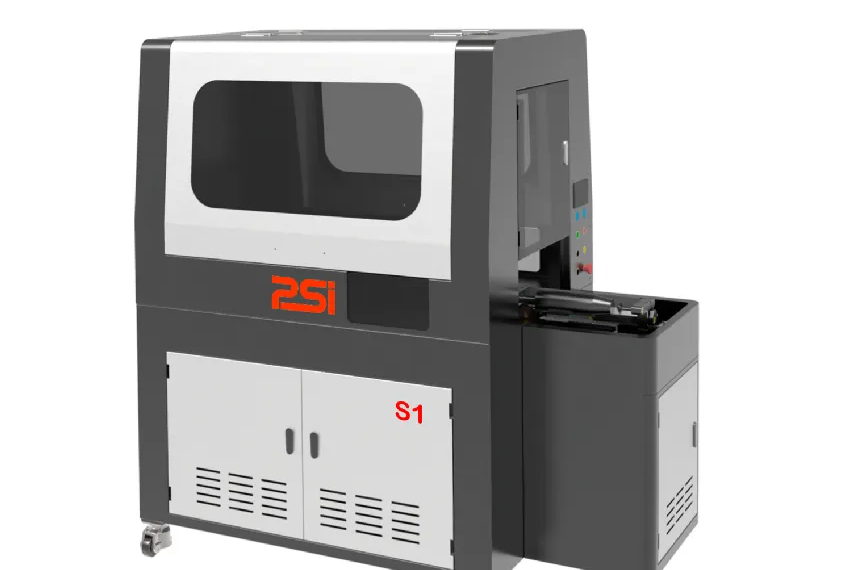
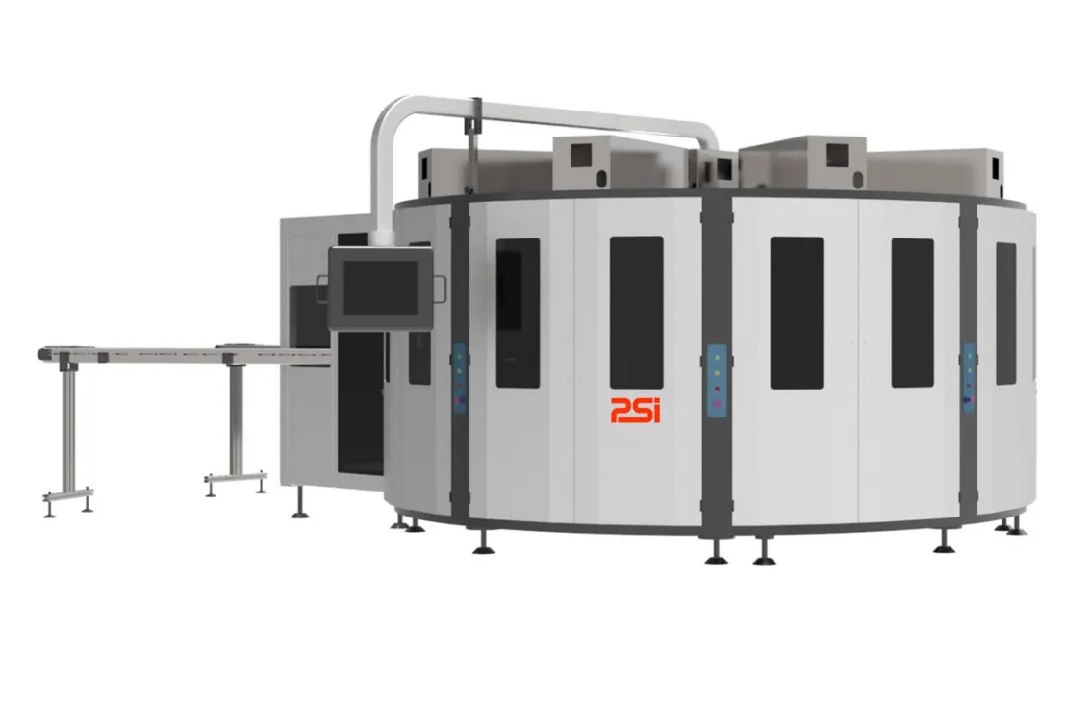
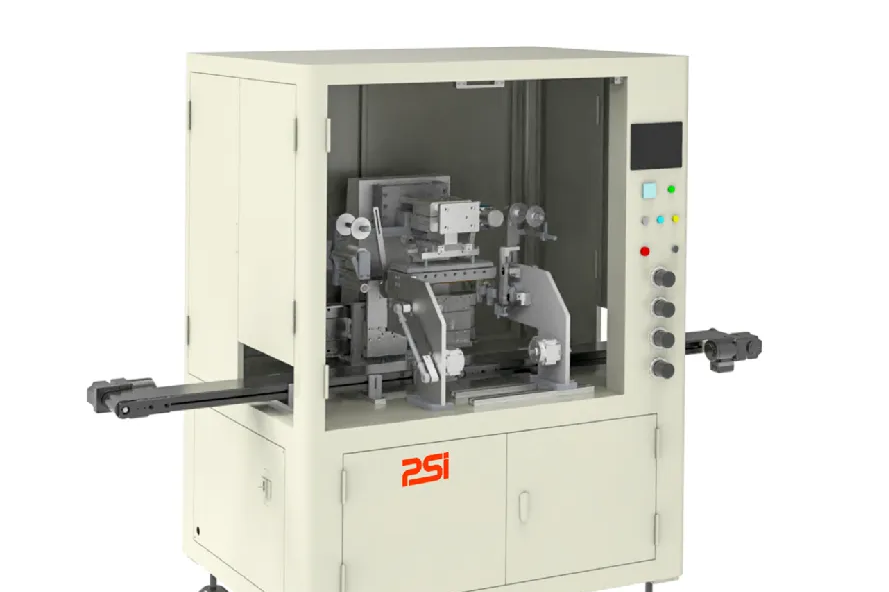
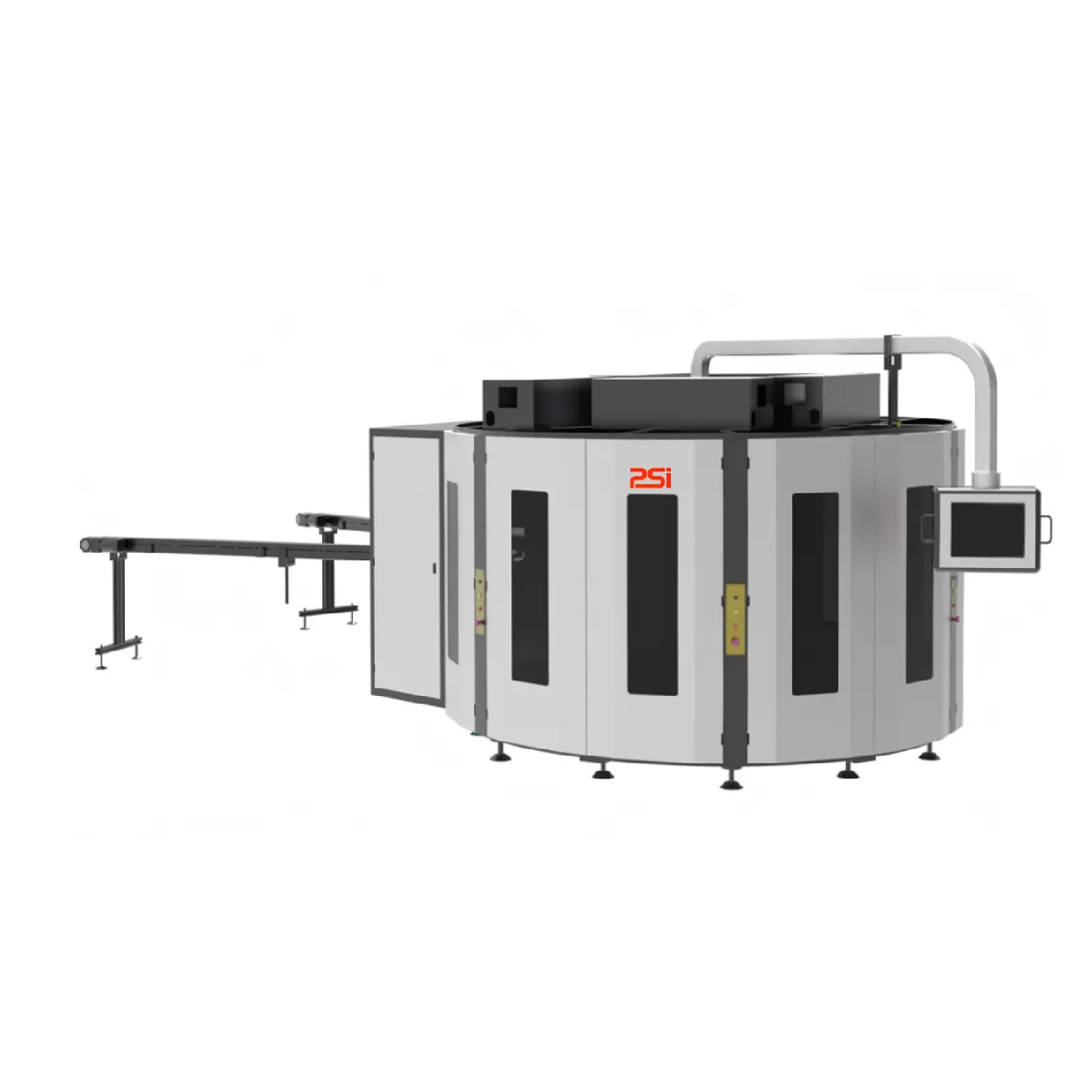
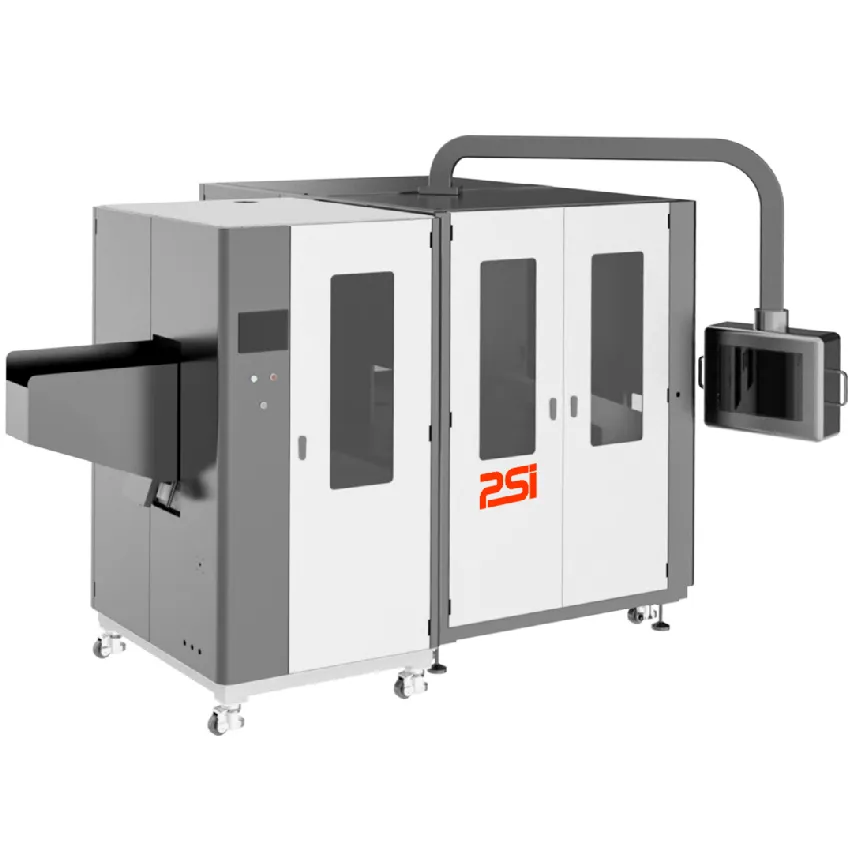
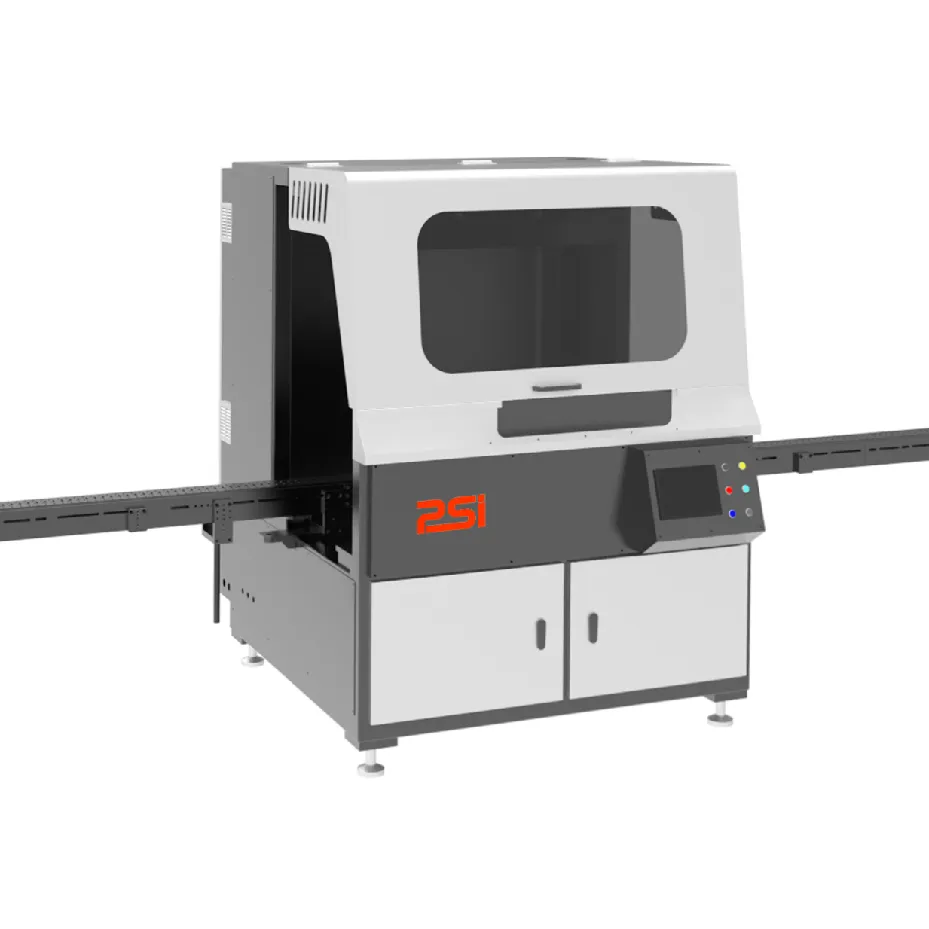
The rotary screen printing machine represents a revolutionary advancement in textile and industrial printing technology, offering manufacturers an efficient and versatile solution for high-volume production requirements. This sophisticated equipment operates through a cylindrical screen system that rotates continuously while substrate materials pass beneath, enabling seamless pattern application across various surfaces. The rotary screen printing machine utilizes precision-engineered screens with microscopic perforations that allow ink to transfer onto fabrics, papers, or other materials with exceptional accuracy and consistency. The core functionality revolves around a rotating drum mechanism where screens are mounted circumferentially, each capable of applying different colors or design elements simultaneously. Advanced servo motor controls ensure precise registration between colors, while automated ink delivery systems maintain consistent flow rates throughout production runs. Modern rotary screen printing machines incorporate digital control panels that allow operators to adjust printing parameters including speed, pressure, and ink viscosity in real-time. The technological framework includes sophisticated drying systems with infrared or hot-air mechanisms that cure inks immediately after application, ensuring vibrant colors and durability. These machines excel in producing continuous patterns on lengthy fabric rolls, making them indispensable for textile manufacturers, wallpaper producers, and packaging companies. The rotary screen printing machine supports various ink types including water-based, solvent-based, and UV-curable formulations, providing flexibility for different application requirements. Quality control sensors monitor print registration and detect defects automatically, reducing waste and maintaining consistent output standards. Integration capabilities allow these machines to connect with upstream and downstream equipment, creating complete production lines that maximize efficiency and minimize manual intervention.
Popular Products

The rotary screen printing machine delivers exceptional productivity benefits that transform manufacturing operations and boost profitability for businesses across multiple industries. Speed advantages stand out immediately, as these machines can achieve printing velocities exceeding 100 meters per minute, dramatically outpacing traditional flatbed printing methods and enabling manufacturers to fulfill large orders within tight deadlines. Cost efficiency emerges through reduced labor requirements, as automated systems handle most operational tasks while operators focus on quality monitoring and setup procedures. The rotary screen printing machine eliminates the time-consuming squeegee replacement and manual registration adjustments associated with conventional printing methods. Material waste reduction represents another significant economic advantage, as precise ink metering systems prevent over-application while continuous operation minimizes setup waste between production runs. Energy consumption remains notably lower compared to alternative printing technologies, as streamlined heating systems target specific areas requiring curing rather than heating entire chambers. Quality consistency surpasses manual printing methods, as computerized controls maintain uniform pressure, speed, and ink distribution throughout extended production cycles. The rotary screen printing machine adapts to diverse substrate thicknesses and surface textures without requiring extensive reconfiguration, saving valuable setup time between different product lines. Maintenance requirements stay minimal due to robust construction and self-cleaning mechanisms that prevent ink buildup and screen clogging. Production flexibility allows manufacturers to switch between different designs quickly by changing screen sets, enabling efficient small-batch production alongside high-volume runs. Color registration accuracy reaches exceptional levels through precision servo controls, ensuring multi-color designs align perfectly across the entire print run. Environmental benefits include reduced chemical consumption and improved waste management, as closed-loop systems recirculate unused ink and minimize emissions. Scalability options enable businesses to expand production capacity by adding additional printing stations or increasing line speeds without replacing entire systems. Investment returns typically occur within 18-24 months through labor savings, increased throughput, and reduced material waste, making the rotary screen printing machine a financially sound choice for forward-thinking manufacturers.

Latest News

Enhancing Your Brand's Impact with PSI's Cutting-Edge Inkjet Digital Printing Machines

27

Sep

Enhancing Your Brand's Impact with PSI's Cutting-Edge Inkjet Digital Printing Machines

In the domain of industrial digital printing, under the commonly used terminology of the PSI Company, high-quality inkjet digital printing machines have been successfully produced and introduced to a wide range of industries. The performance of the c...
View More
PSI Cutting-Edge Digital Inkjet and Screen Printing Machines

27

Sep

PSI Cutting-Edge Digital Inkjet and Screen Printing Machines

In today's fast-paced business environment, the impact of visual communication cannot be overstated. Brands are constantly seeking ways to stand out and connect with their audience through eye-catching designs and high-quality prints. PSI, a leading ...
View More
PSI Heat Transfer Machines:  in Customized Branding Solutions

27

Sep

PSI Heat Transfer Machines: in Customized Branding Solutions

In the realm of printing and branding, PSI  stands out as a beacon of innovation and excellence. Specializing in heat transfer machines, PSI  offers a range of products that cater to various industries, from textiles to plastics, ensuring t...
View More

Get a Free Quote

Our representative will contact you soon.
Email
Name
Company Name
Message
0/1000

rotary screen printing machine

Advanced Multi-Color Registration System

Advanced Multi-Color Registration System

The rotary screen printing machine incorporates state-of-the-art registration technology that ensures precise color alignment across complex multi-layered designs, setting industry standards for print quality and consistency. This sophisticated system employs high-resolution servo motors coupled with optical sensors that monitor registration marks continuously during production, automatically adjusting screen positions to maintain perfect alignment within tolerances of 0.1 millimeters. The registration control system processes real-time feedback from multiple measurement points along the substrate path, calculating corrections instantly and implementing adjustments seamlessly without interrupting production flow. Advanced algorithms predict potential drift patterns based on material characteristics, environmental conditions, and printing parameters, enabling proactive corrections that prevent registration errors before they occur. The rotary screen printing machine benefits tremendously from this technology, as manufacturers can produce intricate designs with multiple overlapping colors while maintaining consistent quality throughout extended production runs. Operators appreciate the user-friendly interface that displays registration status graphically, allowing quick identification of any deviations and immediate corrective action. The system accommodates various substrate materials including stretchy fabrics, rigid sheets, and textured surfaces, automatically compensating for material behavior during printing. Quality control personnel can set acceptance tolerances for different product categories, with automatic rejection systems removing substandard items from the production line. This registration accuracy translates directly into reduced waste, lower production costs, and enhanced customer satisfaction. The technology proves particularly valuable for automotive interior fabrics, high-end fashion textiles, and precision industrial applications where color accuracy determines product acceptance. Investment in advanced registration systems typically recovers costs within the first year through waste reduction and premium pricing opportunities for superior quality products.
Intelligent Ink Management and Circulation System

Intelligent Ink Management and Circulation System

Revolutionary ink management technology transforms the rotary screen printing machine into an environmentally conscious and economically efficient production platform, optimizing ink consumption while maintaining superior print quality throughout extended manufacturing cycles. The intelligent circulation system continuously monitors ink viscosity, temperature, and flow rates through sophisticated sensors positioned at critical points throughout the ink delivery network. Automated mixing stations adjust ink properties dynamically based on real-time measurements, ensuring consistent color matching and optimal printing characteristics regardless of ambient conditions or production duration. The rotary screen printing machine incorporates closed-loop ink recycling that captures unused ink from screen cleaning operations and returns it to the main supply after filtration and reconditioning processes. Advanced dosing pumps deliver precise ink quantities to each printing station, eliminating waste while ensuring adequate coverage for various design requirements. Temperature control systems maintain optimal ink viscosity across different environmental conditions, preventing issues such as poor coverage or excessive bleeding that compromise print quality. The intelligent system learns from production data, optimizing ink usage patterns based on historical consumption rates and design complexity factors. Predictive maintenance algorithms monitor pump performance, filter conditions, and system pressure, scheduling maintenance activities during planned downtime to prevent unexpected production interruptions. Color matching capabilities allow operators to achieve precise shade reproduction by automatically adjusting ink formulations based on spectrophotometric measurements and customer specifications. The rotary screen printing machine benefits from reduced ink waste, typically achieving 15-20% savings compared to conventional systems while maintaining superior color consistency. Environmental compliance improves through reduced VOC emissions and minimized hazardous waste generation, supporting sustainability initiatives and regulatory requirements. The system accommodates various ink types including specialty formulations for specific applications, providing flexibility for diverse market requirements while maintaining operational efficiency.
Modular Design with Scalable Production Capacity

Modular Design with Scalable Production Capacity

The modular architecture of the rotary screen printing machine enables manufacturers to optimize their production capabilities dynamically, adapting to changing market demands and business growth requirements without significant capital reinvestment or operational disruption. This innovative design philosophy incorporates standardized components that connect seamlessly, allowing businesses to start with basic configurations and expand systematically as production volumes increase. Individual printing modules operate independently while sharing common control systems, enabling partial production during maintenance activities and reducing downtime costs significantly. The rotary screen printing machine supports various module combinations including additional color stations, specialized coating units, and finishing equipment that integrate directly into existing production lines. Standardized interfaces ensure compatibility between modules from different production years, protecting long-term investments and enabling gradual technology upgrades without complete system replacement. Quick-change mechanisms allow rapid reconfiguration between different product types, with module swapping typically completed within 30 minutes compared to several hours required for conventional equipment modifications. Production scheduling becomes more flexible as manufacturers can allocate specific modules to different product lines simultaneously, maximizing equipment utilization and meeting diverse customer requirements efficiently. The modular approach reduces maintenance costs through standardized spare parts inventory and simplified service procedures, while specialized modules can receive targeted upgrades without affecting entire system operations. Training requirements decrease as operators master standardized module interfaces that remain consistent across different configurations and capacity levels. Quality control benefits from module-specific monitoring systems that provide detailed performance data for each production stage, enabling precise troubleshooting and optimization. Investment planning becomes more predictable as businesses can budget for incremental capacity additions based on actual demand growth rather than estimating future requirements. The rotary screen printing machine achieves superior return on investment through this scalable approach, as manufacturers avoid over-investment in unused capacity while maintaining ability to respond quickly to market opportunities and customer demands.