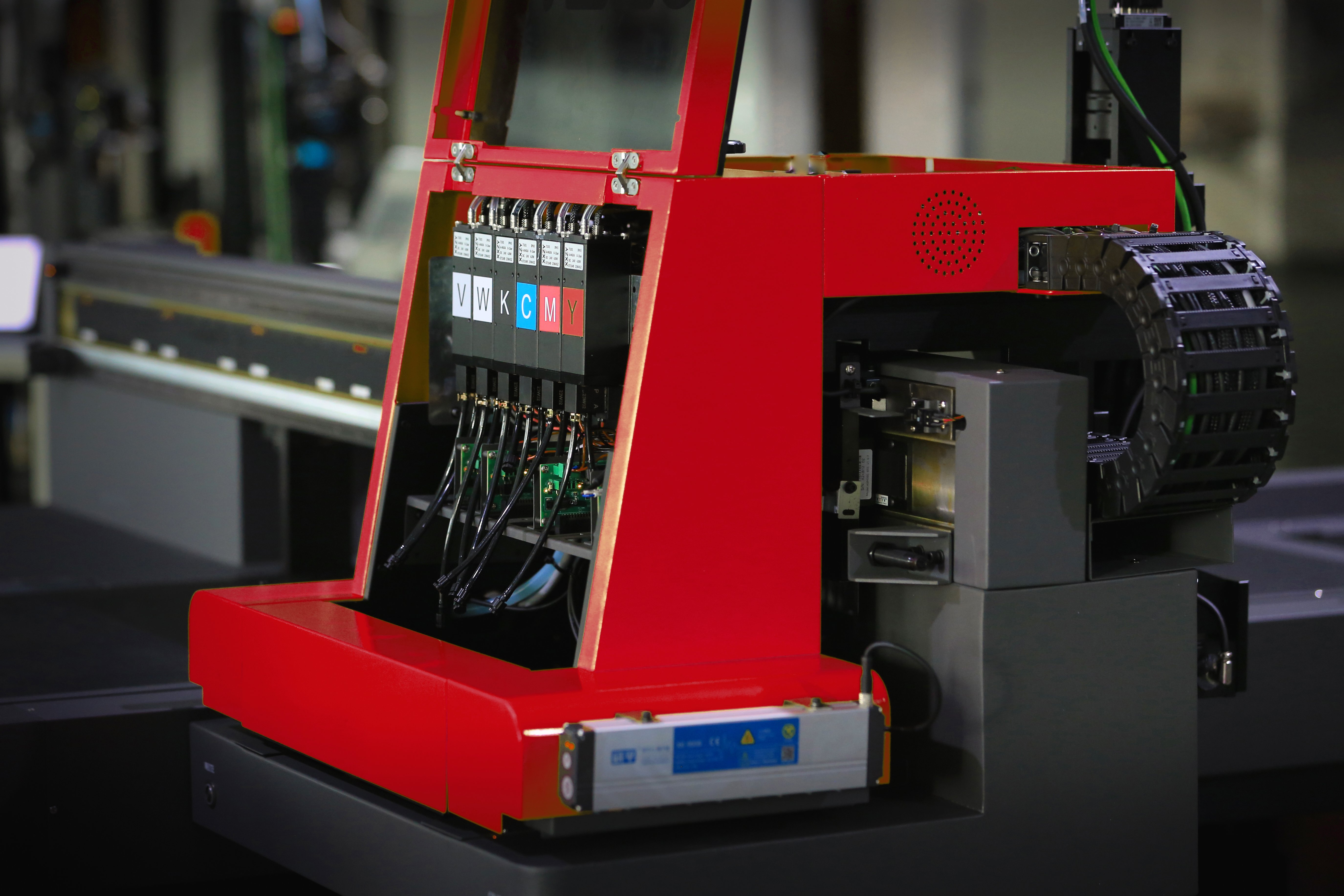
Modern manufacturing environments demand precision, speed, and seamless data integration. A screen printing machine has evolved from a standalone production tool into a critical component of smart factory ecosystems. The shift toward Industry 4.0 requires manufacturers to adopt screen printing machine automation that connects directly to production management systems, enabling real-time monitoring, predictive maintenance, and synchronized workflows across entire facilities.
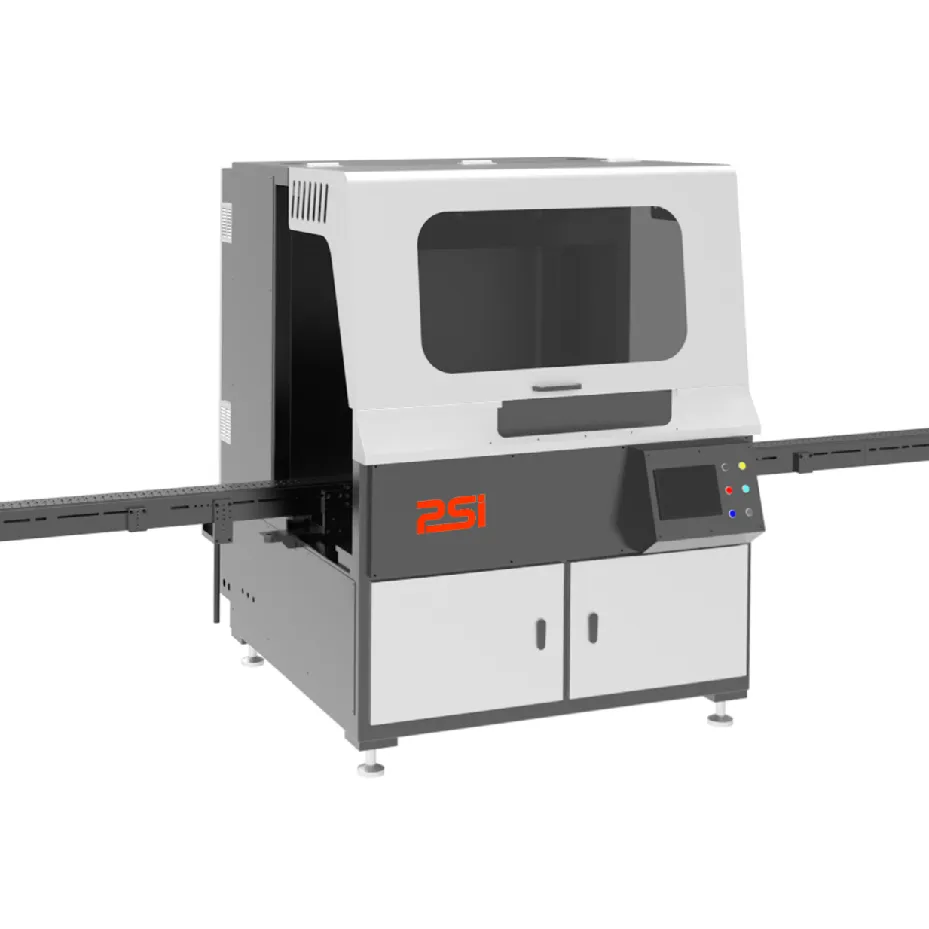
The integration of a screen printing machine into smart factory frameworks represents a fundamental shift in how manufacturers approach production efficiency. Automation technologies embedded within modern screen printing equipment enable factories to achieve higher throughput, reduce human error, and create data streams that inform continuous improvement initiatives. This integration transforms individual machines into connected nodes within larger operational ecosystems.
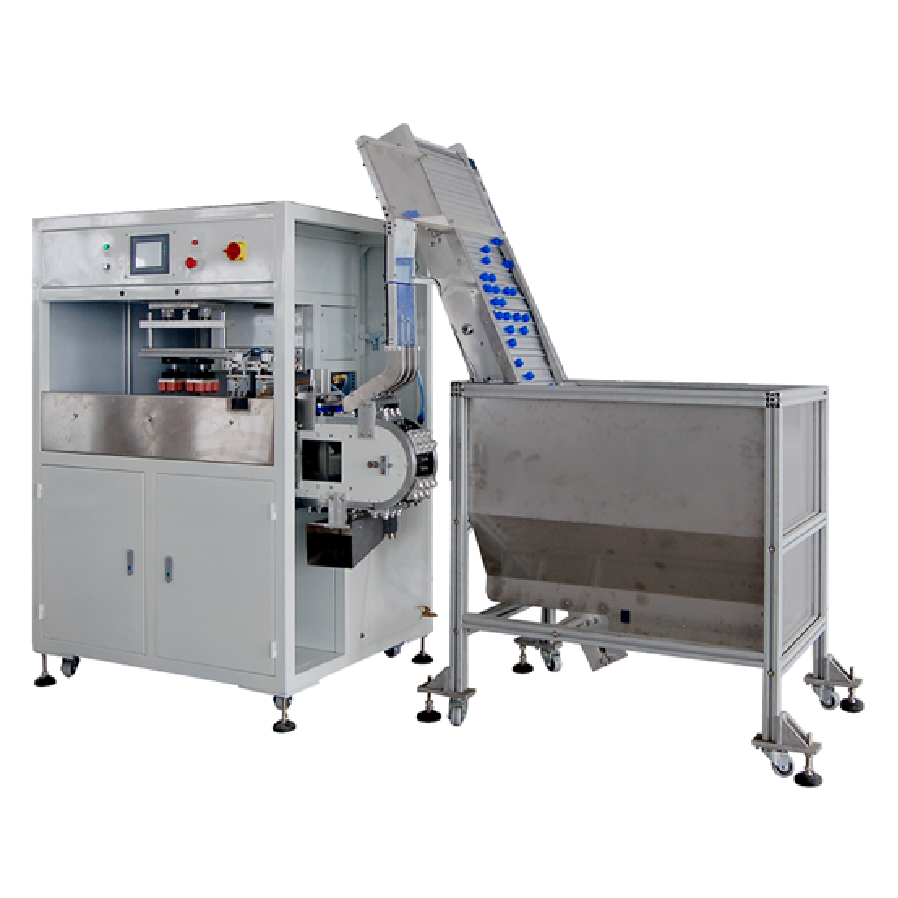
A screen printing machine designed for smart factory integration incorporates multiple automation layers that work in concert. The foundation begins with servo-driven mechanisms that replace manual or pneumatic controls, offering precise positioning and repeatable accuracy across production runs. Modern screen printing machine systems include automated substrate handling, integrated vision systems for quality verification, and closed-loop feedback mechanisms that adjust parameters in real time. These components transform a screen printing machine from a labor-intensive tool into an intelligent production asset capable of self-optimization.
Integration of a screen printing machine into smart factory networks requires robust connectivity infrastructure. Contemporary screen printing machine installations feature built-in sensors that capture cycle time, production volume, material consumption, and machine status data. This data feeds directly into Manufacturing Execution Systems (MES) and Enterprise Resource Planning (ERP) platforms, creating transparency across production operations. A screen printing machine equipped with Industry 4.0-ready architecture can communicate via standard protocols such as OPC UA or MQTT, enabling bidirectional communication with factory management systems.
When a screen printing machine operates within an integrated smart factory environment, efficiency metrics improve measurably. Automation reduces setup time between production runs, minimizes idle periods, and optimizes ink and substrate utilization. A screen printing machine integrated with production scheduling systems automatically receives job parameters from upstream planning systems, eliminating manual data entry and reducing configuration errors. Real-time optimization algorithms adjust print speed, pressure, and other variables dynamically, ensuring a screen printing machine maintains peak throughput while meeting quality standards consistently.
Smart factory integration enables a screen printing machine to support predictive maintenance strategies that extend asset life and reduce unplanned downtime. Continuous monitoring of wear patterns, vibration signatures, and consumable depletion allows facilities to schedule maintenance proactively rather than reactively. A screen printing machine connected to predictive analytics platforms alerts operators when components approach failure thresholds, enabling planned interventions during scheduled maintenance windows. This approach transforms a screen printing machine from a cost center requiring reactive repairs into an optimized asset with managed lifecycle and predictable operating expenses.
Integrating a screen printing machine into an existing smart factory framework requires careful assessment of current infrastructure. Facilities must evaluate their MES capabilities, network architecture, and data management systems before deploying new screen printing machine equipment. An advanced screen printing machine selected for smart factory environments should feature backward compatibility with legacy systems and offer modular connectivity options. Assessment should also include workforce capability evaluation, as a screen printing machine operating within automated workflows requires operators trained in monitoring dashboards rather than manual operation alone.
Successful deployment of a screen printing machine within smart factory ecosystems follows a phased approach. Initial stages focus on establishing reliable data connectivity from the screen printing machine to central systems, testing data accuracy, and validating integration protocols. As a screen printing machine settles into production, optimization teams analyze performance data to identify improvement opportunities, refine automation parameters, and enhance quality protocols. Continuous refinement of a screen printing machine's operating parameters, informed by accumulated production data, ensures that the equipment delivers increasing value as operators build expertise and the system matures.
A screen printing machine qualifies for smart factory integration when it incorporates servo-driven automation, built-in sensor arrays, standardized data communication protocols, and the ability to receive real-time commands from management systems. The screen printing machine must support bi-directional data exchange and offer open architecture interfaces that allow connection to various manufacturing software platforms. Additionally, a screen printing machine intended for smart factories should include self-diagnostic capabilities and remote monitoring functions.
A screen printing machine achieves cost reduction through multiple mechanisms within smart factory operations. Labor requirements decrease as automation handles setup, changeovers, and parameter adjustments. A screen printing machine's precise control reduces material waste by optimizing ink usage and substrate positioning. Energy consumption decreases when a screen printing machine operates at optimal parameters determined by analytics systems. Additionally, predictive maintenance enabled by a screen printing machine's monitoring capabilities prevents costly downtime and extends equipment lifespan.
Many existing screen printing machine installations can be retrofitted with automation and connectivity upgrades, though complexity and cost vary depending on equipment age and architecture. Retrofit approaches for a screen printing machine typically include adding servo controllers, installing sensor packages, and integrating communication modules. However, newer purpose-built screen printing machine equipment often provides superior integration, better data quality, and smoother system communication compared to retrofitted legacy machines. Manufacturers should evaluate total cost of ownership between retrofitting existing equipment and investing in new screen printing machine technology designed for smart factory environments.
 EN
EN
 AR
AR FR
FR DE
DE HI
HI IT
IT JA
JA KO
KO PT
PT RU
RU ES
ES IW
IW ID
ID VI
VI TH
TH TR
TR FA
FA
 Hot News