Glass Bottle Screen Printing Machine - Advanced Industrial Printing Solutions for Glass Container Manufacturing

Contact me immediately if you encounter problems!

All Categories

glass bottle screen printing machine

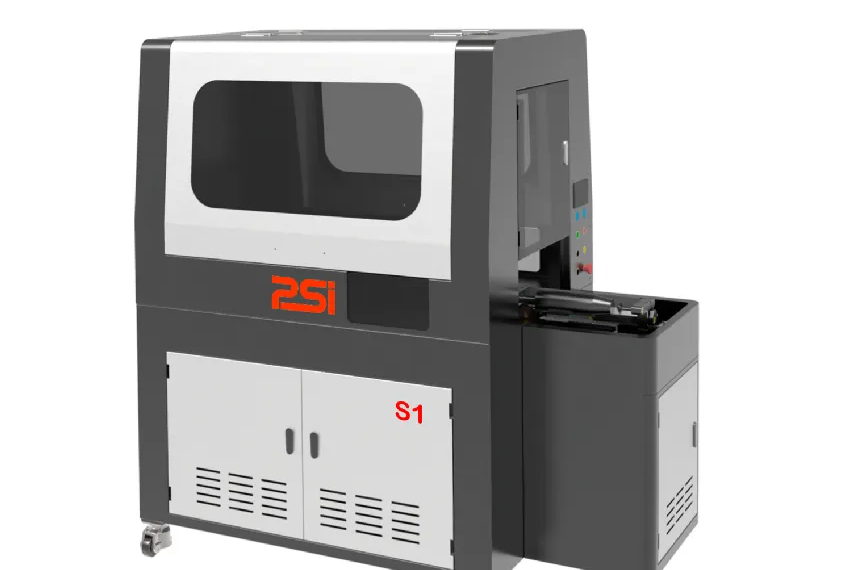
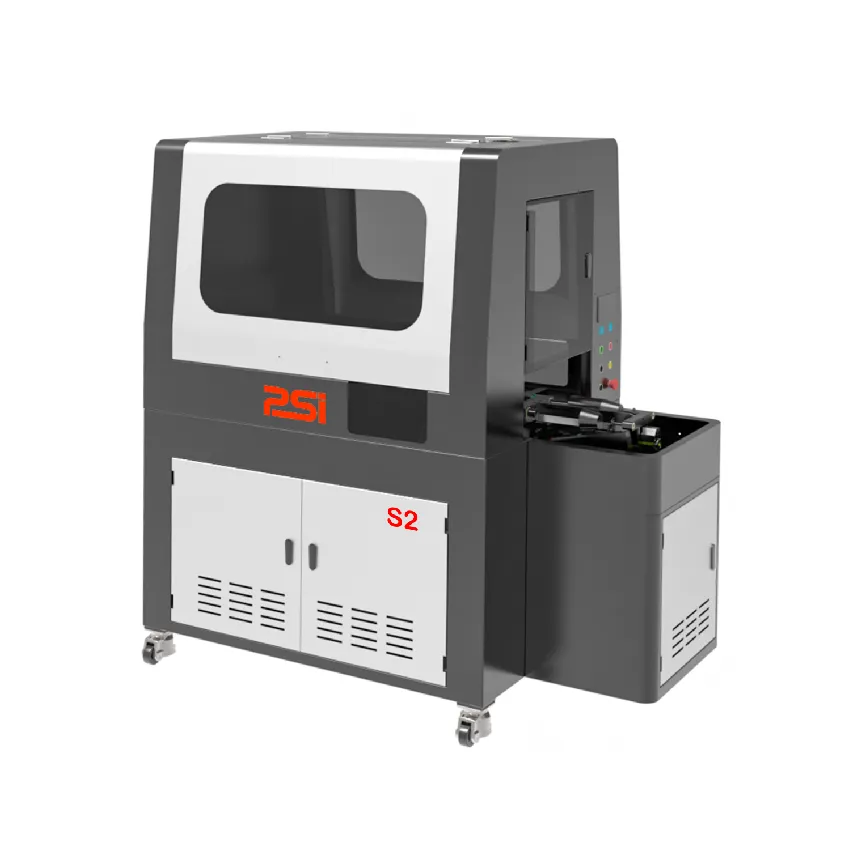
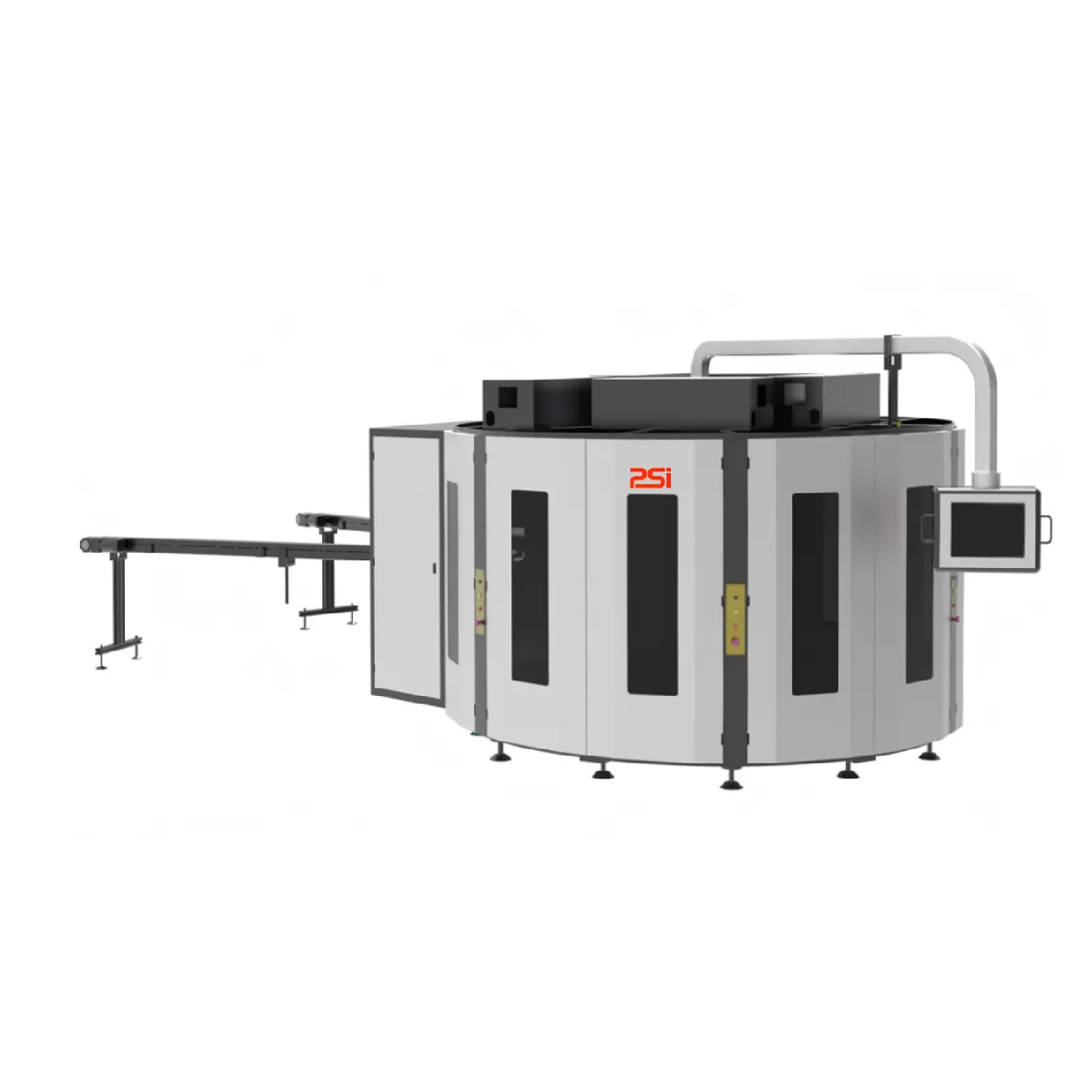
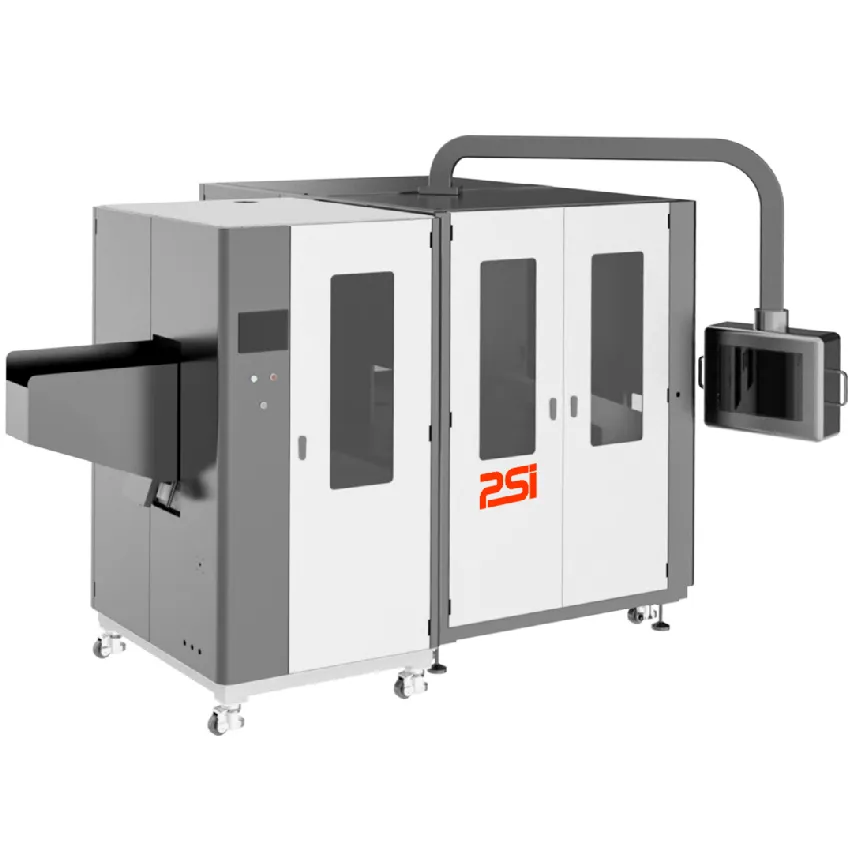
The glass bottle screen printing machine represents a sophisticated piece of industrial equipment designed specifically for applying high-quality graphics, logos, and text onto glass containers. This specialized printing system utilizes the screen printing process, also known as silk screening, to transfer ink through a mesh screen onto the curved surfaces of glass bottles with exceptional precision and consistency. The machine incorporates advanced mechanical components that securely hold glass bottles in precise positions while rotating them during the printing cycle, ensuring complete coverage and uniform ink application around the entire circumference. Modern glass bottle screen printing machines feature automated feeding systems that can handle various bottle shapes and sizes, from small cosmetic containers to large beverage bottles, making them versatile solutions for diverse manufacturing needs. The core technology relies on carefully calibrated pressure mechanisms that press the screen against the bottle surface while a squeegee blade moves across the screen, forcing ink through the mesh openings to create sharp, durable prints. These machines typically include multiple printing stations, allowing for multi-color applications and complex designs that require precise registration between different ink layers. Temperature control systems ensure optimal ink curing, while integrated quality control sensors monitor print consistency throughout production runs. The glass bottle screen printing machine serves industries ranging from cosmetics and pharmaceuticals to food and beverage manufacturing, where permanent, high-quality branding and product information must be applied directly to glass packaging. Advanced models incorporate touch-screen controls, programmable settings for different bottle types, and connectivity features that enable integration with broader manufacturing automation systems.

New Products

Glass bottle screen printing machines deliver exceptional durability that surpasses traditional labeling methods, creating permanent marks that resist fading, peeling, and wear throughout the product lifecycle. This permanence eliminates concerns about label adhesion failure or environmental damage, ensuring brand visibility remains intact from manufacturing through consumer use. The printing process creates a direct bond between ink and glass surface, resulting in superior scratch resistance and chemical stability that maintains appearance quality even under harsh storage conditions. Cost efficiency represents another significant benefit, as screen printing eliminates ongoing expenses associated with adhesive labels, label application equipment maintenance, and inventory management of various label sizes. Manufacturing operations experience substantial savings through reduced material costs and simplified logistics, while the elimination of label waste contributes to more sustainable production practices. Production flexibility stands out as a key advantage, enabling manufacturers to switch between different designs, colors, and bottle types without extensive setup modifications. The glass bottle screen printing machine accommodates diverse bottle geometries, from cylindrical containers to complex shaped vessels, providing versatility that adapts to changing market demands and product line expansions. Quality consistency achieves remarkable standards through automated processes that eliminate human error variables common in manual operations. Each printed bottle receives identical ink coverage, color saturation, and graphic positioning, ensuring uniform brand presentation across entire production batches. This consistency reduces quality control requirements and minimizes rejection rates, improving overall manufacturing efficiency. Speed advantages become apparent in high-volume production environments where the glass bottle screen printing machine processes hundreds of bottles per hour with minimal operator intervention. Automated feeding mechanisms and rapid cycle times increase throughput while maintaining print quality standards. Environmental benefits emerge through reduced packaging waste, as direct printing eliminates paper labels and adhesive materials that contribute to disposal concerns. The process also reduces transportation weight and volume compared to labeled products, decreasing shipping costs and carbon footprint throughout the supply chain.

Practical Tips

Enhancing Your Brand's Impact with PSI's Cutting-Edge Inkjet Digital Printing Machines

27

Sep

Enhancing Your Brand's Impact with PSI's Cutting-Edge Inkjet Digital Printing Machines

In the domain of industrial digital printing, under the commonly used terminology of the PSI Company, high-quality inkjet digital printing machines have been successfully produced and introduced to a wide range of industries. The performance of the c...
View More
PSI Cutting-Edge Digital Inkjet and Screen Printing Machines

27

Sep

PSI Cutting-Edge Digital Inkjet and Screen Printing Machines

In today's fast-paced business environment, the impact of visual communication cannot be overstated. Brands are constantly seeking ways to stand out and connect with their audience through eye-catching designs and high-quality prints. PSI, a leading ...
View More
PSI Heat Transfer Machines:  in Customized Branding Solutions

27

Sep

PSI Heat Transfer Machines: in Customized Branding Solutions

In the realm of printing and branding, PSI  stands out as a beacon of innovation and excellence. Specializing in heat transfer machines, PSI  offers a range of products that cater to various industries, from textiles to plastics, ensuring t...
View More

Get a Free Quote

Our representative will contact you soon.
Email
Name
Company Name
Message
0/1000

glass bottle screen printing machine

Advanced Multi-Station Printing Technology

Advanced Multi-Station Printing Technology

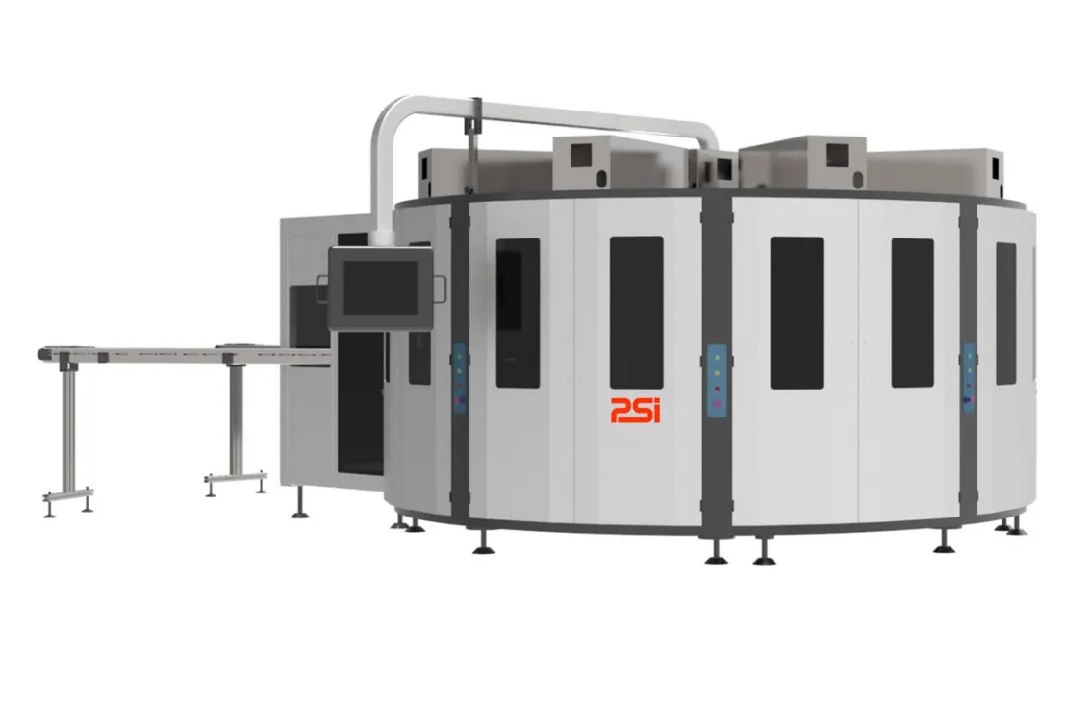
The glass bottle screen printing machine incorporates cutting-edge multi-station printing technology that revolutionizes how manufacturers approach complex decorative applications on glass containers. This sophisticated system features multiple independent printing stations arranged in a carousel or linear configuration, each capable of applying different colors or design elements with microscopic precision. The technology enables simultaneous processing of multiple bottles at various stages of the printing cycle, dramatically increasing production throughput while maintaining exceptional quality standards. Each station operates with independent pressure controls, allowing operators to optimize printing parameters for specific ink types, colors, and design requirements. The multi-station approach facilitates complex graphic applications that require precise color registration, enabling manufacturers to create intricate logos, gradients, and detailed artwork that would be impossible with single-station systems. Advanced servo-controlled positioning ensures perfect alignment between stations, eliminating registration errors that could compromise print quality. The system incorporates sophisticated timing mechanisms that coordinate bottle movement between stations, ensuring consistent dwell times for proper ink transfer and curing. This technology particularly benefits manufacturers producing premium products where visual appeal directly impacts market success. The glass bottle screen printing machine can handle up to eight colors in a single pass, enabling vibrant, professional-quality graphics that rival the best commercial printing applications. Built-in quality monitoring systems track registration accuracy and ink density at each station, automatically alerting operators to any deviations that could affect final product quality. The modular design allows manufacturers to configure the system according to their specific needs, starting with basic single-color applications and expanding to multi-color capabilities as business requirements evolve. This scalability provides excellent return on investment protection while ensuring the equipment remains relevant as product lines and market demands change over time.
Intelligent Bottle Handling and Positioning System

Intelligent Bottle Handling and Positioning System

The glass bottle screen printing machine features an intelligent bottle handling and positioning system that represents a breakthrough in automated glass container processing technology. This sophisticated mechanism combines precision robotics with advanced sensor networks to achieve unprecedented accuracy in bottle placement and orientation throughout the printing process. The system begins with an automated feeding mechanism that can accommodate bottles of varying sizes and shapes without manual adjustment, utilizing adaptive grippers that automatically conform to container dimensions. Smart sensors detect bottle presence, orientation, and dimensional characteristics, feeding this information to the central control system that optimizes handling parameters in real-time. The positioning system employs servo-controlled rotation mechanisms that can orient bottles to any precise angle, ensuring optimal access for printing operations while maintaining perfect stability throughout the process. This precision becomes crucial when printing complex designs that require exact placement relative to bottle features such as seams, embossed areas, or existing graphics. The glass bottle screen printing machine incorporates advanced vacuum holding systems that secure bottles without applying excessive pressure that could cause breakage or deformation. These systems automatically adjust vacuum levels based on bottle material thickness and structural characteristics, ensuring secure holding while minimizing stress concentrations. The intelligent system includes collision detection capabilities that prevent damage from improper bottle placement or mechanical malfunctions, automatically stopping operations and alerting operators to potential issues before costly damage occurs. Adaptive programming allows the system to learn from production data, optimizing handling speeds and positioning accuracy based on historical performance metrics. This machine learning capability continuously improves efficiency and reduces setup times for new bottle types. The positioning system also incorporates automatic bottle inspection capabilities, detecting cracked or damaged containers before they enter the printing process, preventing contamination and maintaining consistent quality standards. Integration with upstream and downstream equipment creates seamless production flow, with the bottle handling system communicating with filling lines, capping equipment, and packaging machinery to optimize overall manufacturing efficiency.
Precision Ink Management and Curing Technology

Precision Ink Management and Curing Technology

The glass bottle screen printing machine incorporates state-of-the-art precision ink management and curing technology that ensures optimal print quality while maximizing operational efficiency and minimizing waste. This advanced system features computerized ink dispensing mechanisms that precisely control ink flow rates, viscosity, and temperature throughout the printing process, maintaining consistent print characteristics regardless of production volume or environmental conditions. The ink management system includes closed-loop monitoring that continuously analyzes ink properties and automatically adjusts parameters to compensate for variations in temperature, humidity, and ink aging. This sophisticated control prevents common printing defects such as ink bleeding, insufficient coverage, or excessive ink buildup that could compromise print quality or increase production costs. The glass bottle screen printing machine utilizes specialized formulations designed specifically for glass substrates, ensuring superior adhesion and durability that withstands typical handling and environmental stresses encountered throughout product distribution and use. Temperature-controlled ink reservoirs maintain optimal viscosity while recirculation systems prevent settling and ensure consistent color properties throughout extended production runs. The curing technology represents another critical component, featuring precisely controlled heating elements that activate chemical crosslinking reactions in the printed ink, creating permanent bonds with the glass surface. Multi-zone curing systems allow independent temperature control at different stages of the curing process, optimizing cure rates while preventing thermal stress that could cause glass breakage or ink defects. Infrared and convection heating elements work in combination to achieve uniform temperature distribution, ensuring complete curing even on complex bottle geometries with varying wall thicknesses. Advanced monitoring systems track curing parameters in real-time, automatically adjusting heating profiles based on production speed, ink thickness, and environmental conditions. The system includes programmable curing profiles that can be customized for different ink types, allowing manufacturers to optimize processing parameters for specific applications while maintaining consistent quality standards. Energy-efficient designs minimize power consumption while achieving superior curing performance, reducing operational costs and environmental impact compared to traditional curing methods.