Versatile Substrate Compatibility and Application Flexibility
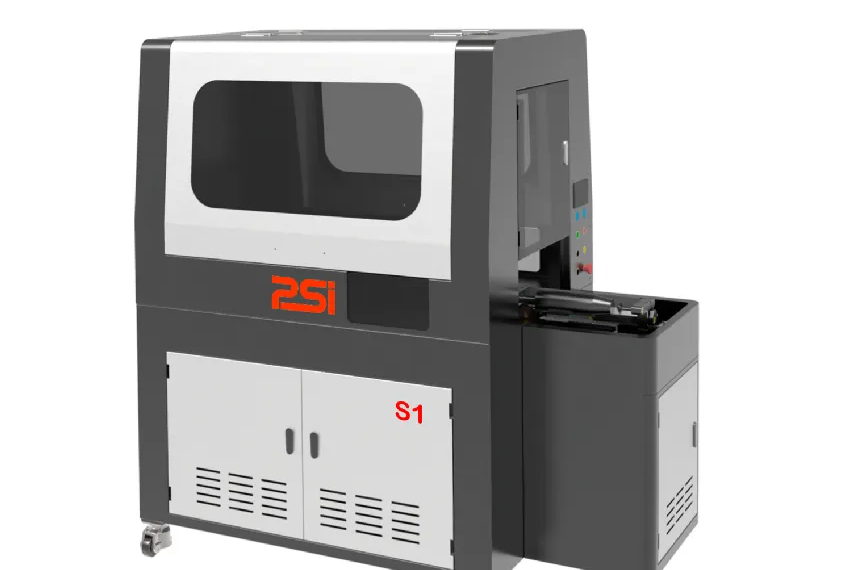
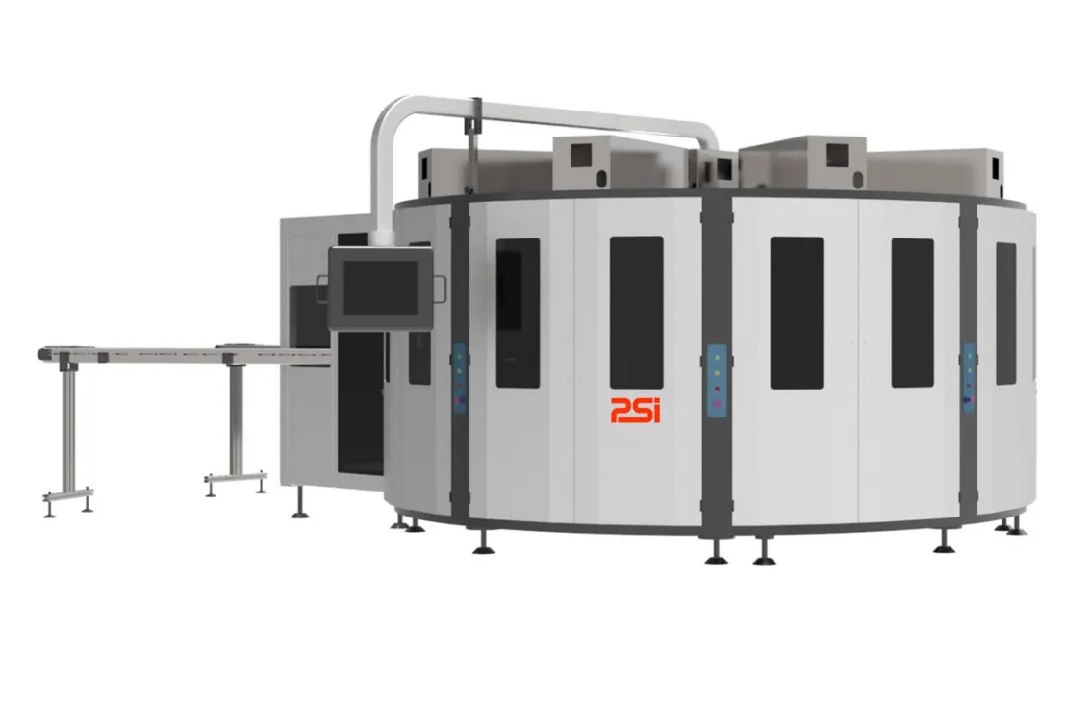
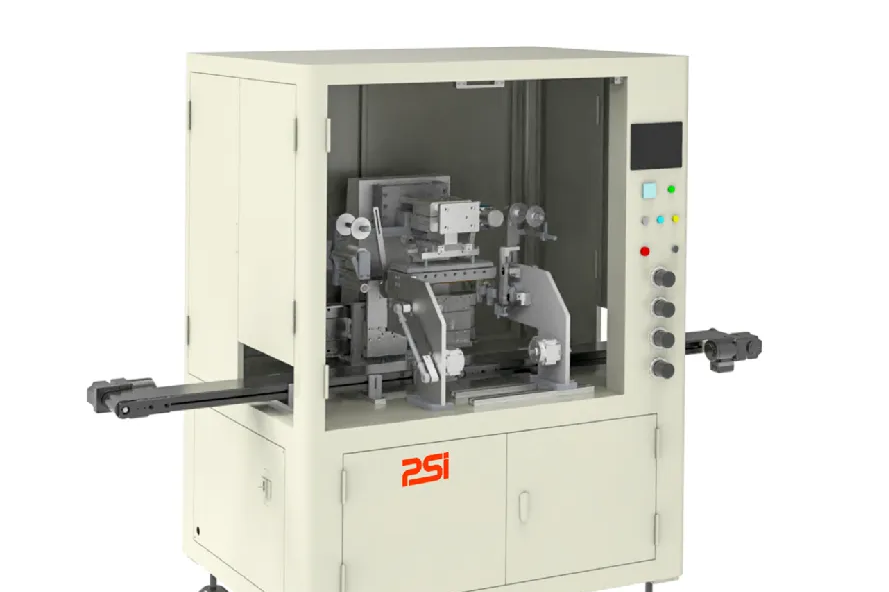
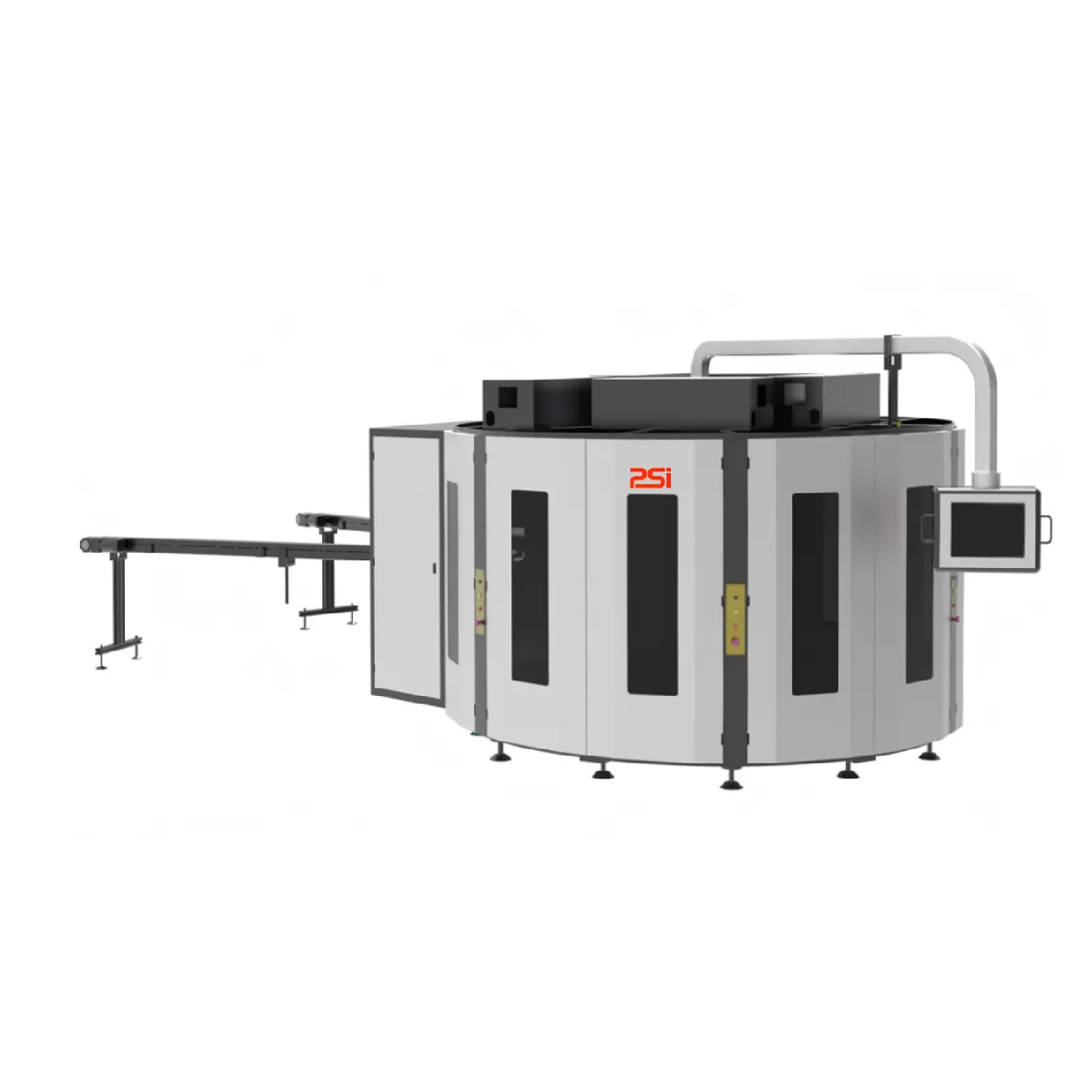
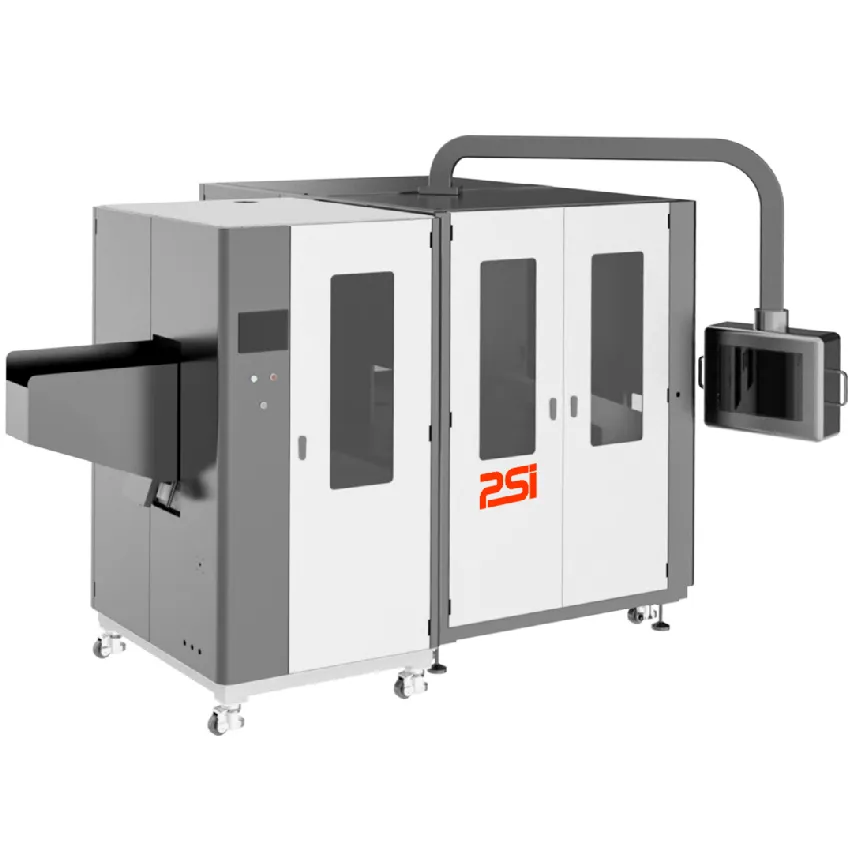
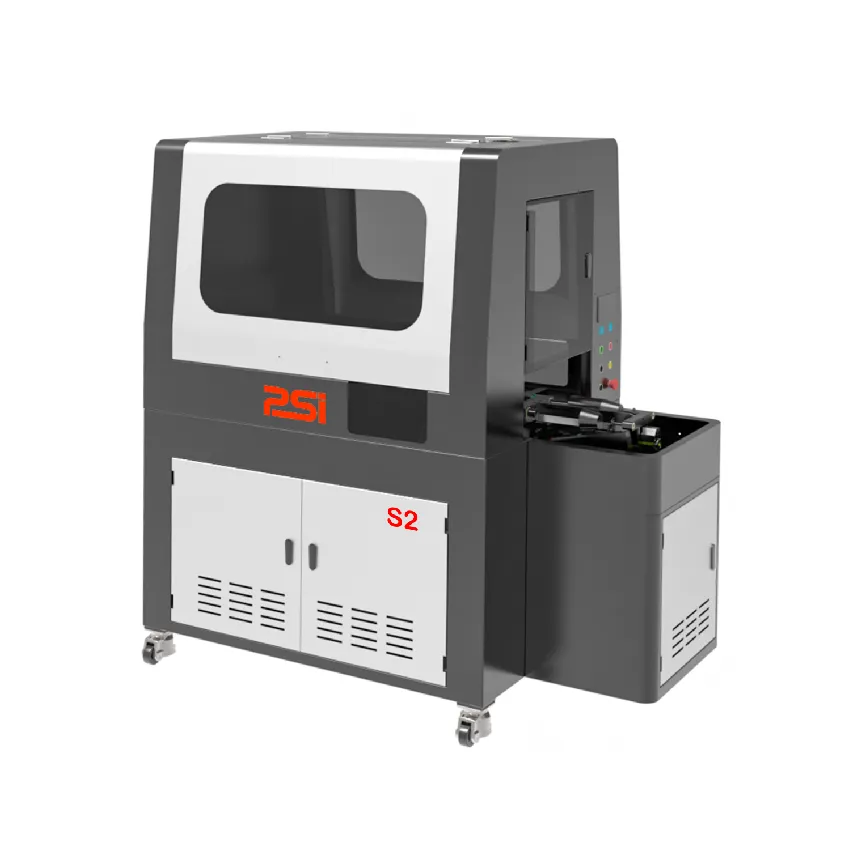
The best pad printing machine demonstrates unmatched versatility through its exceptional substrate compatibility and application flexibility, making it the preferred choice for diverse industries ranging from automotive to medical devices. This remarkable adaptability stems from innovative pad technology that conforms to virtually any surface geometry, including deeply textured materials, compound curves, and irregular shapes that would be impossible to print using conventional methods. The machine accommodates substrates ranging from delicate electronic components measuring mere millimeters to large automotive panels, with adjustable fixtures and programmable positioning systems that ensure optimal printing conditions for each application. Material compatibility extends across an extensive range including various plastics, metals, ceramics, glass, rubber, and composite materials, with specialized ink formulations available for challenging substrates such as low-energy surfaces and chemically resistant materials. The best pad printing machine features modular tooling systems that enable rapid changeover between different product configurations without compromising precision or quality standards. This flexibility proves invaluable for contract manufacturers serving multiple industries or companies producing diverse product lines with varying printing requirements. Temperature control systems accommodate heat-sensitive substrates while heated platens enable printing on materials requiring elevated temperatures for optimal ink adhesion. The machine's variable pressure control allows operators to adjust printing force based on substrate characteristics, preventing damage to delicate components while ensuring adequate ink transfer on rigid surfaces. Specialized fixture designs accommodate products with complex geometries, including threaded components, hollow structures, and parts with multiple printing surfaces. The best pad printing machine supports various print orientations including horizontal, vertical, and angled positions, enabling printing on surfaces that would be inaccessible with other technologies. Applications span from simple single-color logos to complex multi-color graphics, barcodes, serial numbers, and functional coatings such as conductive inks for electronic applications. The system's ability to print fine details with excellent edge definition makes it ideal for applications requiring high resolution and precise registration, such as medical device markings and aerospace component identification.
 EN
EN
 AR
AR FR
FR DE
DE HI
HI IT
IT JA
JA KO
KO PT
PT RU
RU ES
ES IW
IW ID
ID VI
VI TH
TH TR
TR FA
FA