Unmatched Versatility Across Industries and Applications
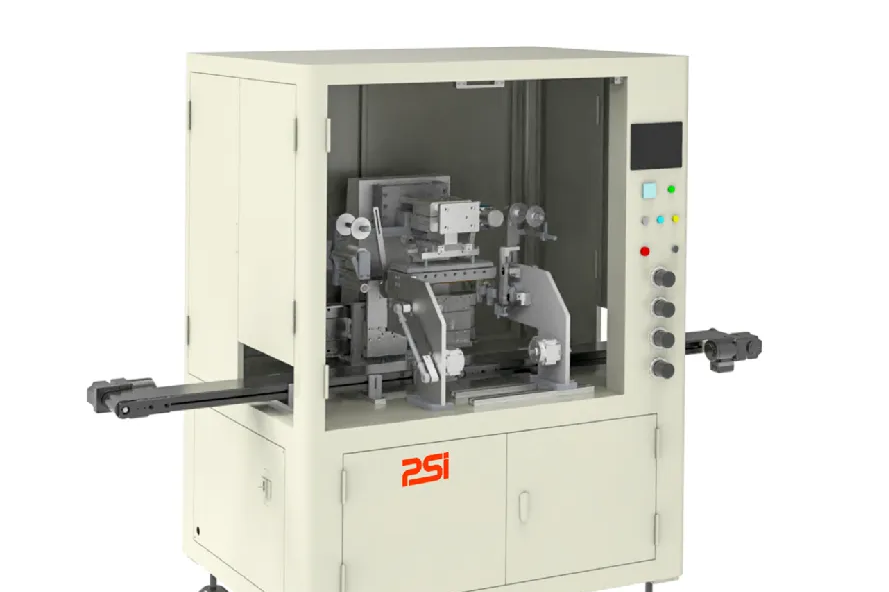
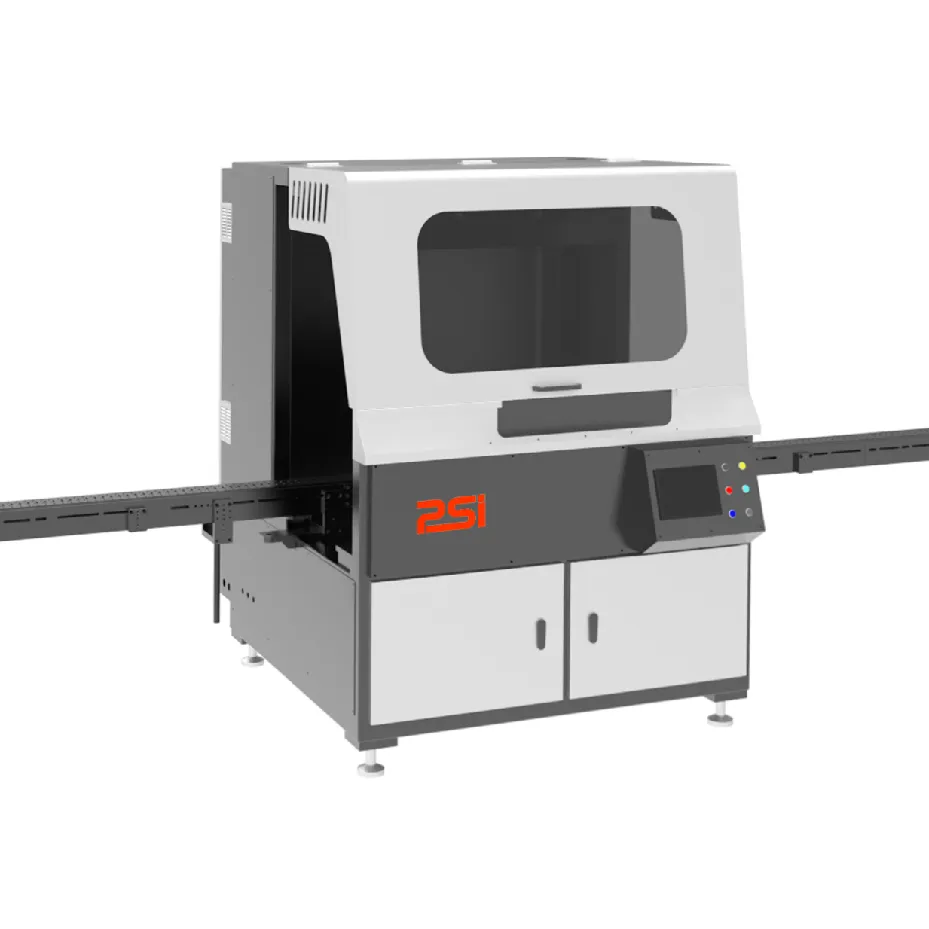
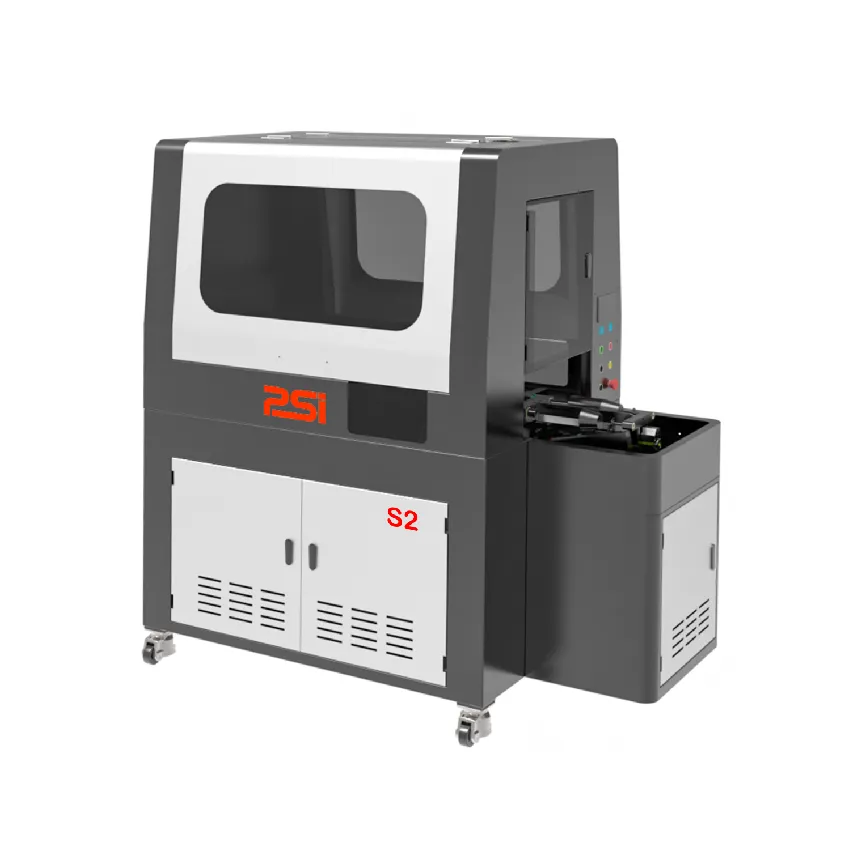
The price of pad printing machine provides exceptional value through unparalleled versatility that accommodates diverse industry requirements and substrate materials. This remarkable adaptability eliminates the need for multiple printing technologies, consolidating equipment investments while simplifying operator training and maintenance procedures. Automotive manufacturers utilize these machines for printing on dashboard components, electronic modules, and decorative trim pieces, where the irregular surfaces and precise placement requirements make pad printing the optimal solution. Medical device companies rely on pad printing for marking surgical instruments, diagnostic equipment, and pharmaceutical packaging, where biocompatible inks and precise registration ensure regulatory compliance. The technology excels in electronics manufacturing, where circuit boards, component housings, and control panels require durable markings that withstand environmental stresses. Promotional product companies leverage pad printing versatility to decorate pens, keychains, and novelty items with complex logos and multi-color graphics. The price of pad printing machine includes capabilities for printing on cylindrical objects, concave surfaces, and textured materials that challenge conventional printing methods. Toy manufacturers utilize these systems for safety markings, decorative graphics, and educational symbols on various plastic and rubber components. Sporting goods applications include printing on golf balls, helmets, and equipment housings where durability and weather resistance are essential requirements. The substrate compatibility extends to glass, ceramics, metals, and flexible materials, providing manufacturers with comprehensive marking solutions for diverse product lines. Color mixing capabilities enable precise brand color matching, ensuring consistency across multiple production facilities and time periods. The price of pad printing machine reflects the engineering required to maintain print quality across different substrate materials without extensive setup modifications. Quick changeover capabilities allow manufacturers to switch between different products efficiently, maximizing production flexibility while minimizing setup costs. The technology accommodates various ink types including solvent-based, UV-curable, and specialty formulations that meet specific performance requirements such as chemical resistance, temperature stability, and biocompatibility.
 EN
EN
 AR
AR FR
FR DE
DE HI
HI IT
IT JA
JA KO
KO PT
PT RU
RU ES
ES IW
IW ID
ID VI
VI TH
TH TR
TR FA
FA