Leading Heat Transfer Machine Manufacturer - Advanced Industrial Thermal Solutions & Equipment

Contact me immediately if you encounter problems!

All Categories

heat transfer machine manufacturer

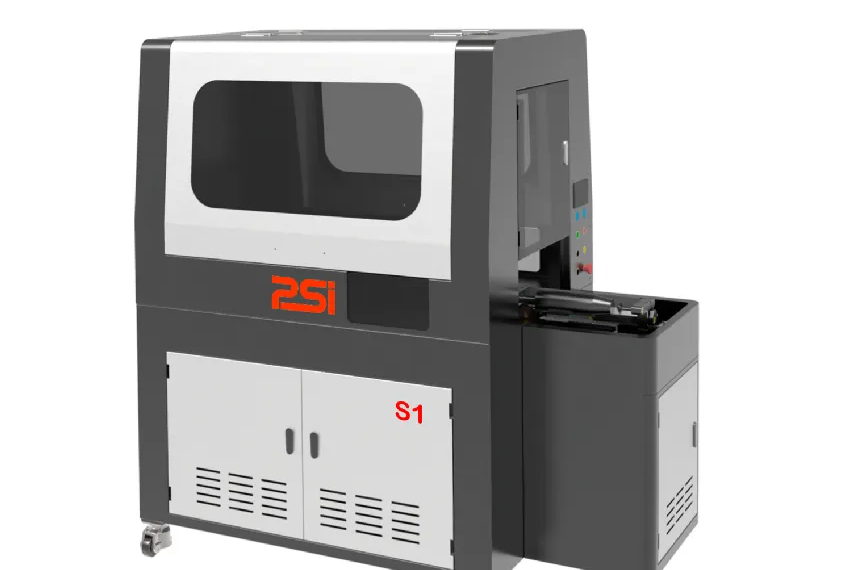
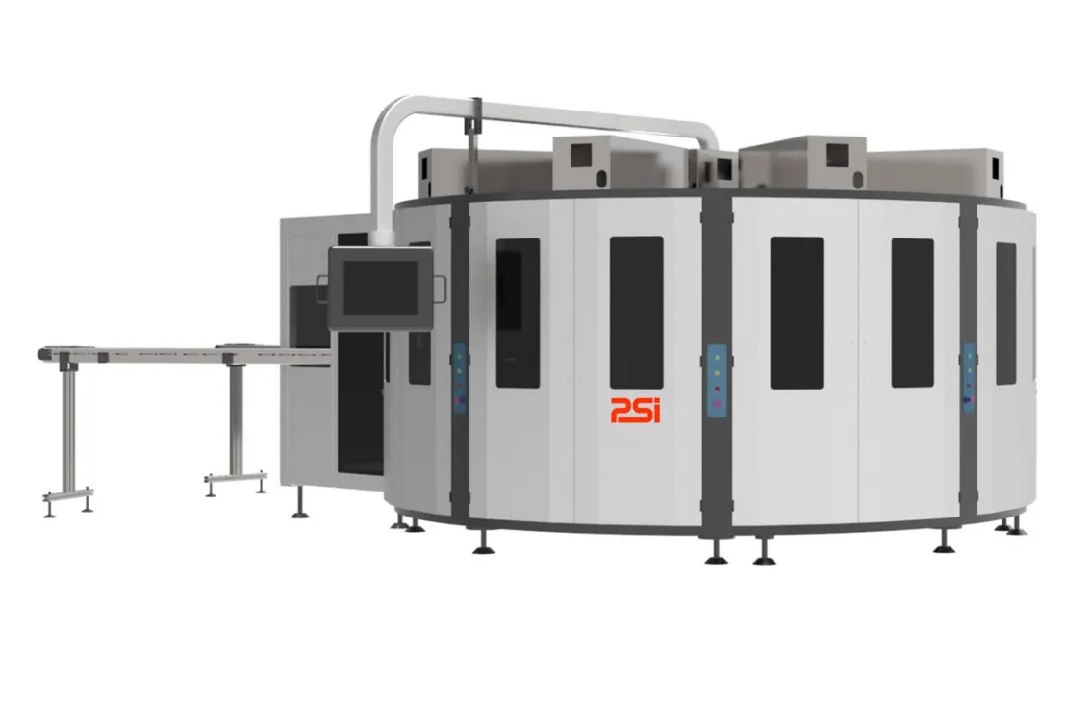
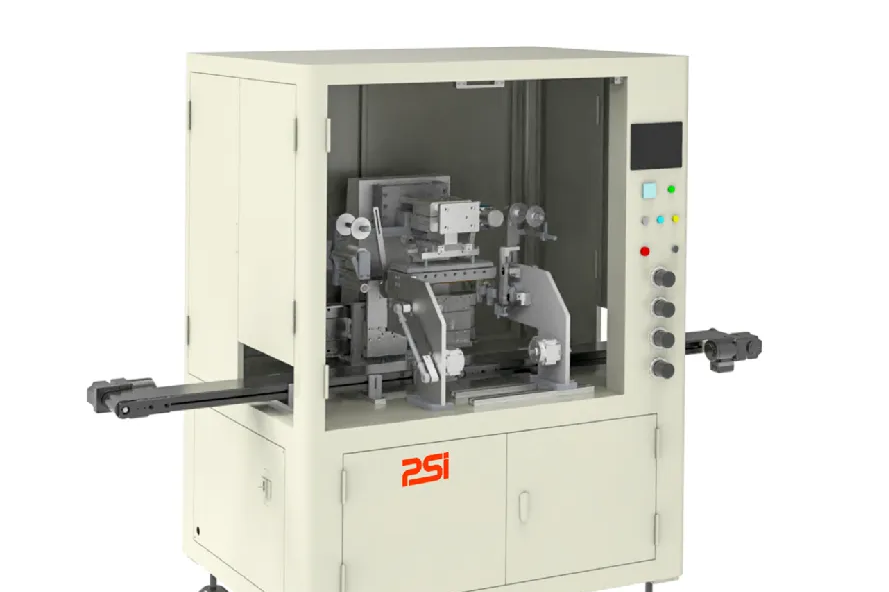
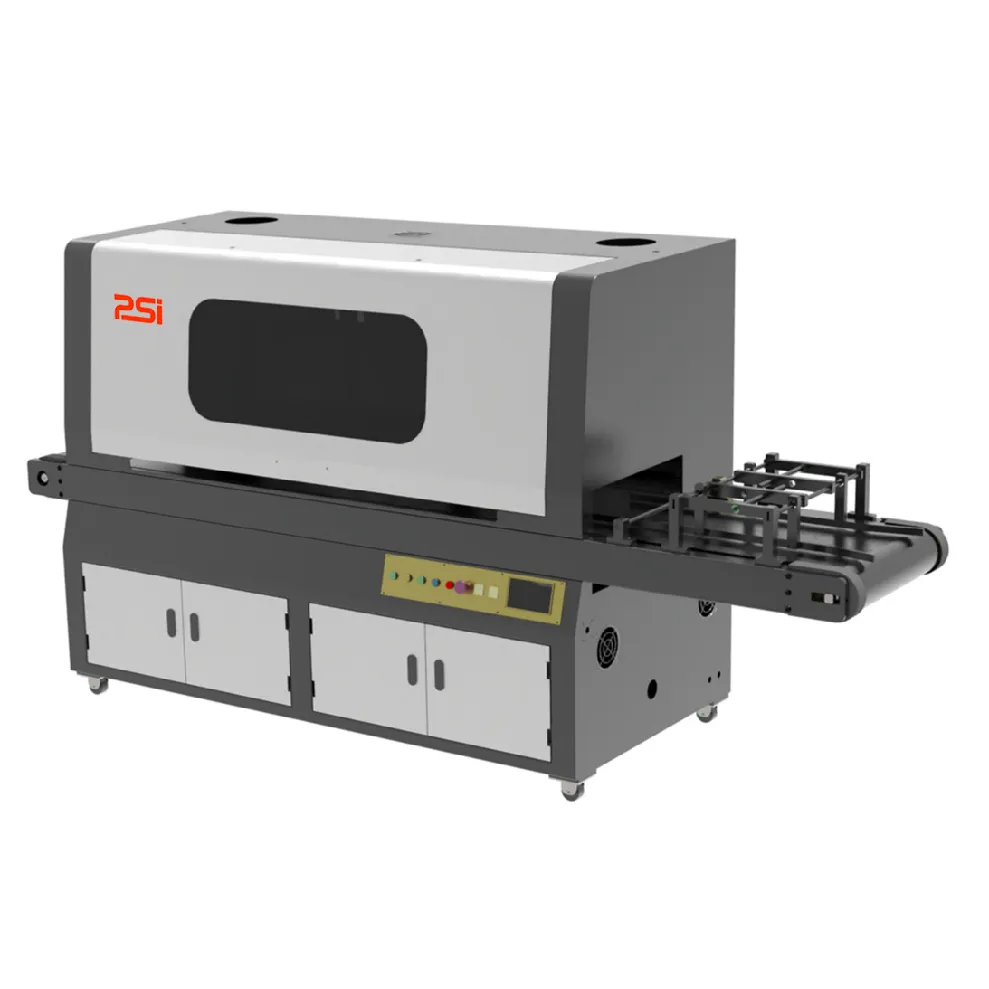
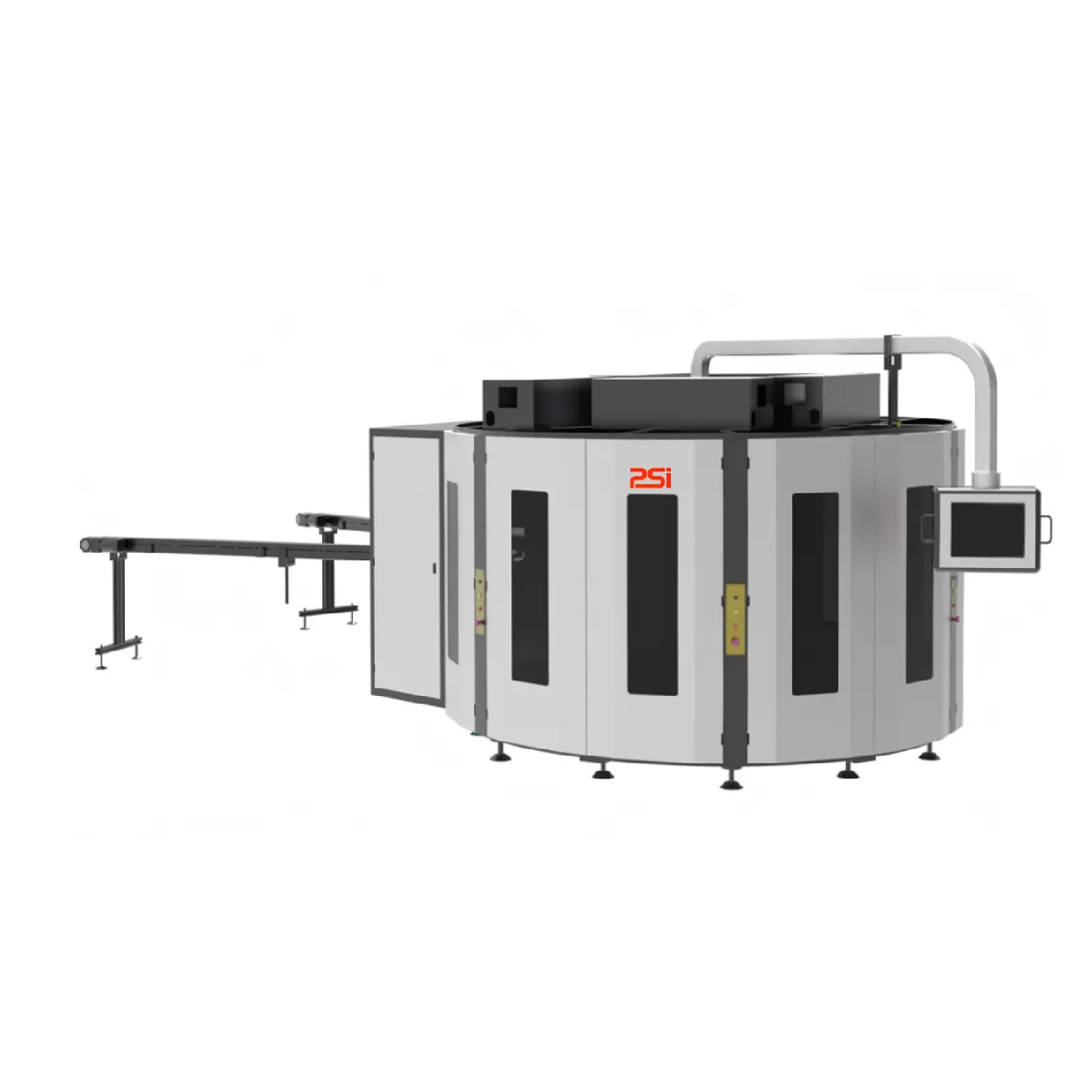
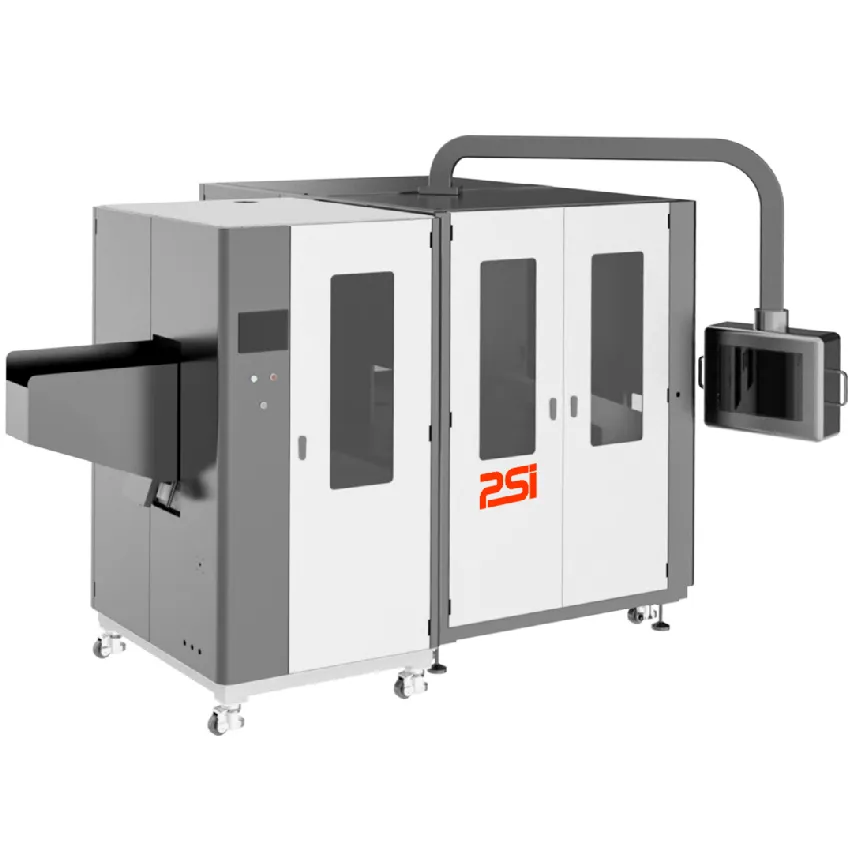
A heat transfer machine manufacturer specializes in designing, producing, and distributing advanced equipment that facilitates the efficient transfer of thermal energy between different mediums. These sophisticated industrial machines serve as the backbone of numerous manufacturing processes across various sectors, enabling precise temperature control and energy management. The primary function of these machines involves moving heat from one location to another through conduction, convection, or radiation principles, ensuring optimal operational conditions for diverse applications. Modern heat transfer machine manufacturer companies integrate cutting-edge technology with robust engineering to create solutions that meet stringent industry standards and regulatory requirements. The technological features of contemporary heat transfer equipment include programmable logic controllers, digital temperature monitoring systems, energy-efficient heat exchangers, and automated control mechanisms that ensure consistent performance. These machines incorporate materials science innovations, utilizing corrosion-resistant alloys, enhanced surface treatments, and advanced insulation technologies to maximize efficiency while minimizing maintenance requirements. Applications span across pharmaceutical manufacturing, chemical processing, food and beverage production, automotive assembly, aerospace component fabrication, and renewable energy systems. The versatility of heat transfer machines makes them indispensable for processes requiring precise thermal management, such as sterilization procedures, material conditioning, product cooling, and waste heat recovery. A reputable heat transfer machine manufacturer typically offers comprehensive service packages including installation support, operator training, preventive maintenance programs, and technical consultation to ensure optimal equipment performance throughout its operational lifecycle.
Popular Products

Partnering with an established heat transfer machine manufacturer provides numerous practical benefits that directly impact operational efficiency and cost-effectiveness. First, these manufacturers offer superior equipment reliability through rigorous quality control processes and extensive testing protocols, reducing unexpected downtime and maintenance costs that can severely impact production schedules. The advanced engineering capabilities of professional manufacturers result in machines that deliver consistent thermal performance while consuming less energy compared to outdated or poorly designed alternatives, leading to substantial reductions in utility expenses over time. Another significant advantage involves access to comprehensive technical support services, including expert consultation during equipment selection, customized configuration options to meet specific operational requirements, and ongoing maintenance assistance that extends equipment lifespan. Professional heat transfer machine manufacturer companies maintain extensive research and development departments that continuously improve product designs, incorporating the latest technological advances and industry best practices to ensure customers receive cutting-edge solutions. This commitment to innovation translates into enhanced productivity, improved product quality, and better compliance with evolving environmental regulations. Additionally, established manufacturers typically offer flexible financing options, warranty protection, and upgrade pathways that help businesses manage capital investments more effectively. The standardized components and modular designs common among reputable manufacturers simplify spare parts procurement and reduce inventory costs while ensuring compatibility across different equipment models. Training programs provided by experienced manufacturers enable operators to maximize equipment potential, minimize operational errors, and maintain safety standards. Furthermore, the global service networks maintained by leading heat transfer machine manufacturer organizations ensure rapid response times for technical issues, regardless of geographic location, providing peace of mind for international operations and remote facilities.

Latest News

Enhancing Your Brand's Impact with PSI's Cutting-Edge Inkjet Digital Printing Machines

27

Sep

Enhancing Your Brand's Impact with PSI's Cutting-Edge Inkjet Digital Printing Machines

In the domain of industrial digital printing, under the commonly used terminology of the PSI Company, high-quality inkjet digital printing machines have been successfully produced and introduced to a wide range of industries. The performance of the c...
View More
PSI Cutting-Edge Digital Inkjet and Screen Printing Machines

27

Sep

PSI Cutting-Edge Digital Inkjet and Screen Printing Machines

In today's fast-paced business environment, the impact of visual communication cannot be overstated. Brands are constantly seeking ways to stand out and connect with their audience through eye-catching designs and high-quality prints. PSI, a leading ...
View More
PSI Heat Transfer Machines:  in Customized Branding Solutions

27

Sep

PSI Heat Transfer Machines: in Customized Branding Solutions

In the realm of printing and branding, PSI  stands out as a beacon of innovation and excellence. Specializing in heat transfer machines, PSI  offers a range of products that cater to various industries, from textiles to plastics, ensuring t...
View More

Get a Free Quote

Our representative will contact you soon.
Email
Name
Company Name
Message
0/1000

heat transfer machine manufacturer

Advanced Automation and Control Systems

Advanced Automation and Control Systems

Modern heat transfer machine manufacturer companies excel in developing sophisticated automation and control systems that revolutionize thermal management processes across industrial applications. These advanced systems incorporate state-of-the-art programmable logic controllers, human-machine interfaces, and real-time monitoring capabilities that enable precise temperature regulation with minimal human intervention. The integration of smart sensors throughout the equipment provides continuous feedback on operational parameters, allowing for immediate adjustments to maintain optimal thermal conditions and prevent costly process deviations. Machine learning algorithms embedded within these control systems analyze historical performance data to predict maintenance requirements, optimize energy consumption patterns, and identify potential efficiency improvements before issues become critical. Remote monitoring capabilities enable facility managers to oversee multiple heat transfer units from centralized locations, reducing labor costs while improving response times to operational changes. The user-friendly interfaces designed by leading heat transfer machine manufacturer teams feature intuitive touchscreen displays, customizable dashboards, and comprehensive alarm systems that simplify operator training and reduce the likelihood of human error. Advanced data logging functions capture detailed operational metrics that support regulatory compliance, quality assurance protocols, and continuous improvement initiatives. These sophisticated control systems also facilitate seamless integration with existing plant automation infrastructure, enterprise resource planning systems, and quality management platforms, creating a unified operational environment that enhances overall manufacturing efficiency. The scalability of these automation solutions allows businesses to expand their thermal processing capabilities without significant infrastructure modifications, supporting growth while maintaining consistent quality standards across all production lines.
Energy Efficiency and Environmental Sustainability

Energy Efficiency and Environmental Sustainability

Leading heat transfer machine manufacturer organizations prioritize environmental sustainability through innovative design approaches that significantly reduce energy consumption while maintaining superior thermal performance standards. These manufacturers employ advanced heat recovery systems that capture and reuse waste thermal energy, converting what was previously lost heat into valuable energy resources for other processes within the facility. The implementation of variable frequency drives, high-efficiency motors, and optimized heat exchanger geometries results in substantial reductions in electrical consumption compared to traditional thermal management solutions. Smart thermal management algorithms continuously optimize operating parameters based on real-time demand fluctuations, ensuring that energy usage remains proportional to actual processing requirements rather than maintaining constant maximum output levels. The utilization of environmentally friendly refrigerants and heat transfer fluids demonstrates the commitment of responsible heat transfer machine manufacturer companies to reducing their environmental footprint while complying with increasingly stringent global regulations. Advanced insulation materials and precision-engineered thermal barriers minimize heat loss to surrounding environments, further enhancing overall system efficiency and reducing facility cooling loads. These energy-conscious designs typically result in payback periods of less than three years through reduced utility costs, making them attractive investments for cost-conscious organizations. Additionally, many manufacturers offer comprehensive energy auditing services that identify optimization opportunities within existing thermal systems, providing detailed recommendations for upgrades or modifications that can improve efficiency without requiring complete equipment replacement. The environmental benefits extend beyond energy savings to include reduced carbon emissions, lower water consumption through closed-loop systems, and decreased waste generation through improved process control and material utilization rates.
Customization and Industry-Specific Solutions

Customization and Industry-Specific Solutions

Professional heat transfer machine manufacturer companies distinguish themselves through their ability to develop customized thermal solutions that address the unique challenges and requirements of specific industries and applications. This customization capability stems from extensive engineering expertise, comprehensive understanding of diverse thermal processes, and flexible manufacturing systems that accommodate specialized design modifications without compromising quality or delivery schedules. Pharmaceutical applications require equipment that meets strict FDA validation requirements, incorporates cleanroom-compatible materials, and provides precise temperature control for sensitive drug compounds and biological materials. Food processing operations demand heat transfer machines that comply with HACCP standards, feature sanitary designs for easy cleaning, and utilize food-grade materials that prevent contamination while maintaining nutritional integrity. Chemical processing facilities require corrosion-resistant materials, explosion-proof electrical components, and specialized safety systems designed to handle hazardous substances safely and efficiently. The automotive industry benefits from heat transfer solutions optimized for high-volume production environments, featuring rapid thermal cycling capabilities, robust construction for continuous operation, and integration compatibility with automated assembly lines. Aerospace applications demand lightweight yet durable designs, precise temperature uniformity, and certification compliance with stringent aviation safety standards. A competent heat transfer machine manufacturer invests in comprehensive application engineering teams that collaborate closely with customers to understand specific thermal requirements, operational constraints, and performance objectives. This collaborative approach ensures that delivered solutions not only meet immediate needs but also provide flexibility for future expansion or process modifications. The availability of modular component designs enables customers to configure systems that precisely match their spatial constraints, capacity requirements, and budget parameters while maintaining upgrade pathways for enhanced capabilities as business needs evolve over time.