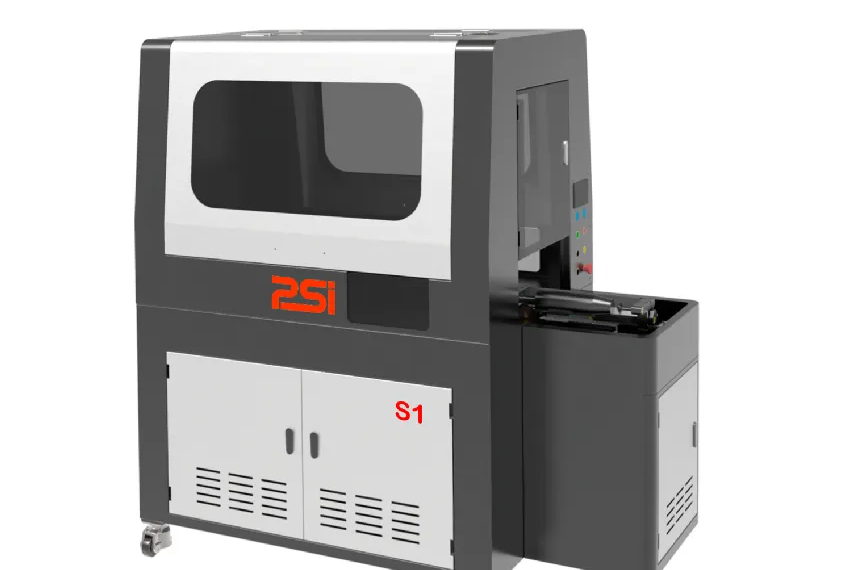
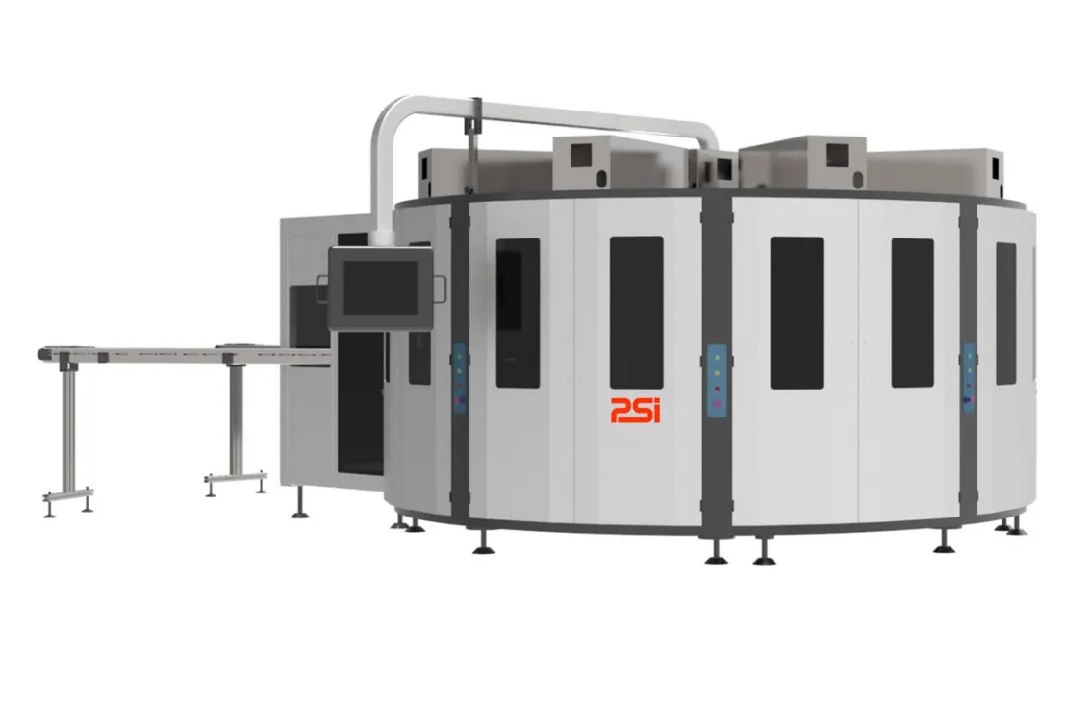
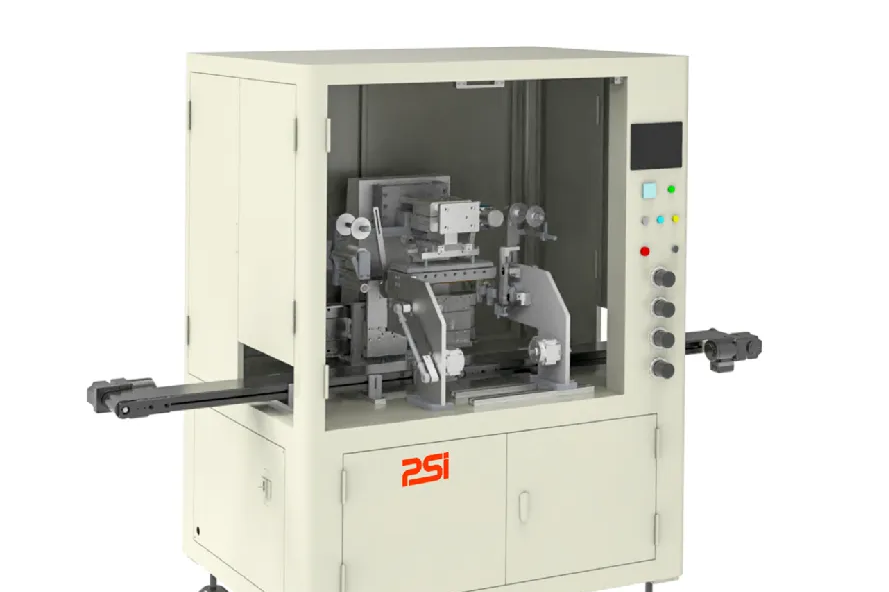
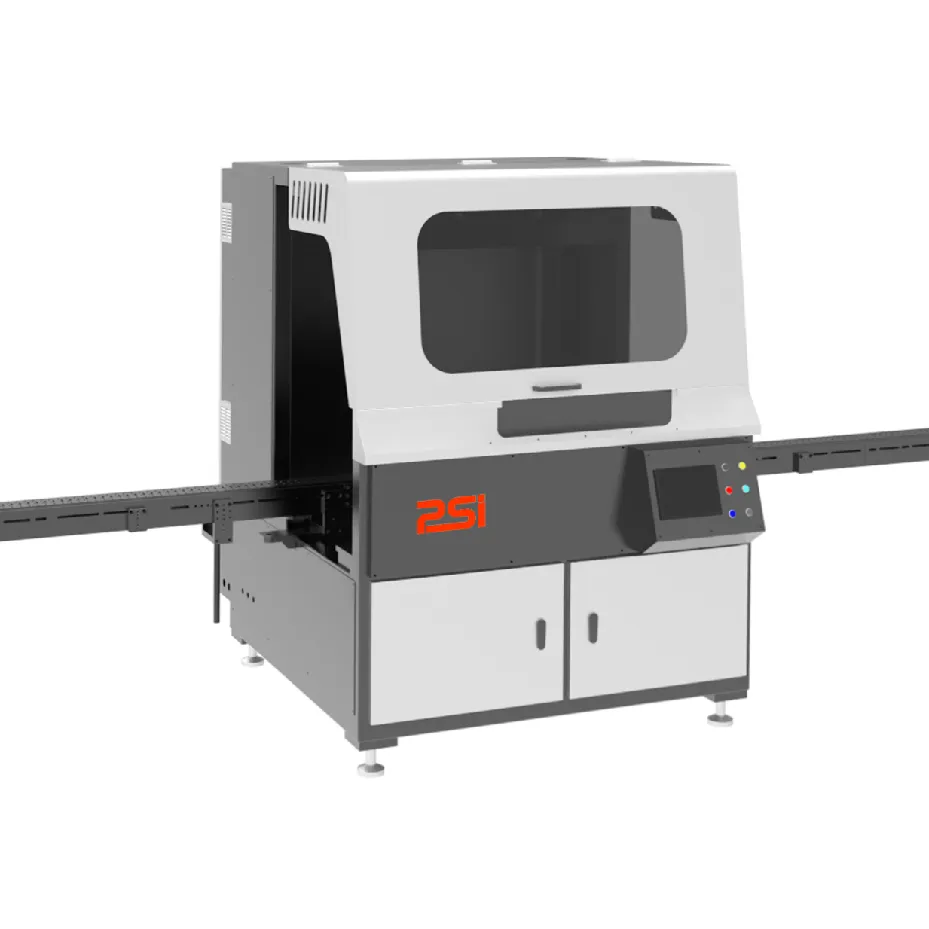
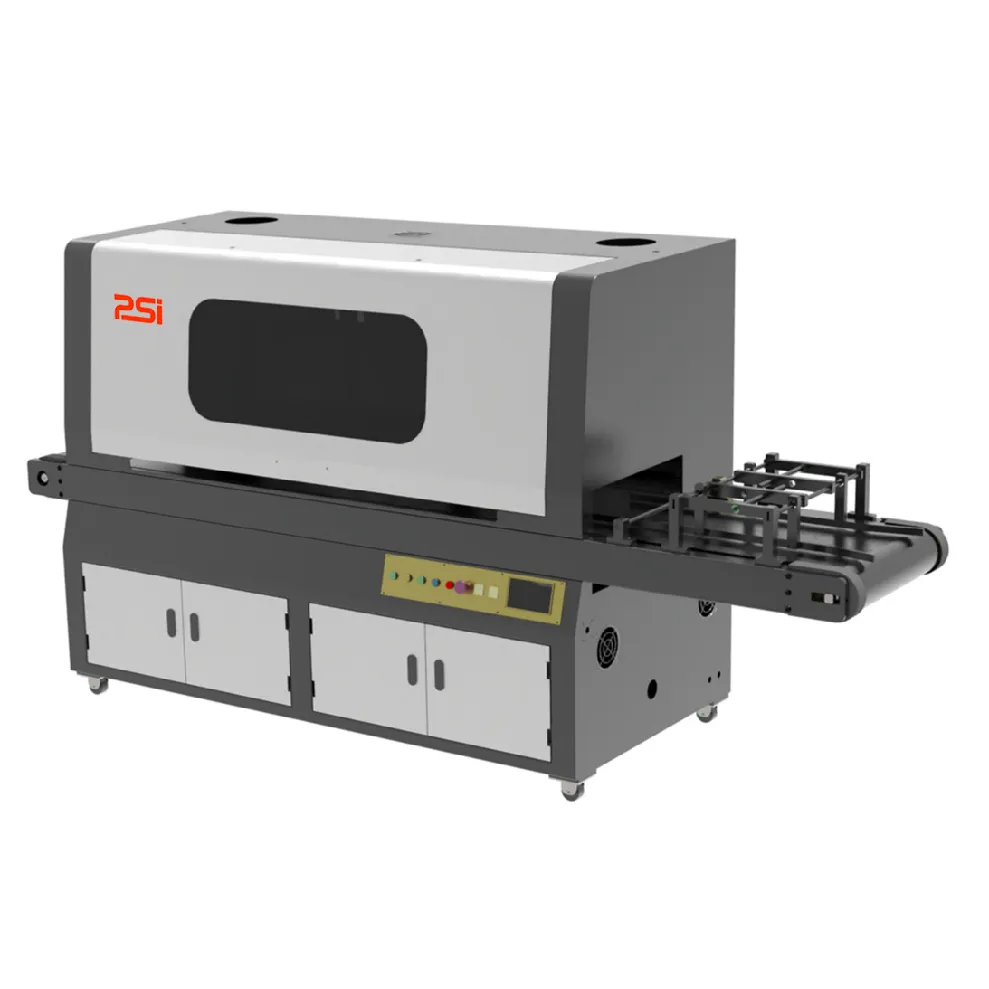
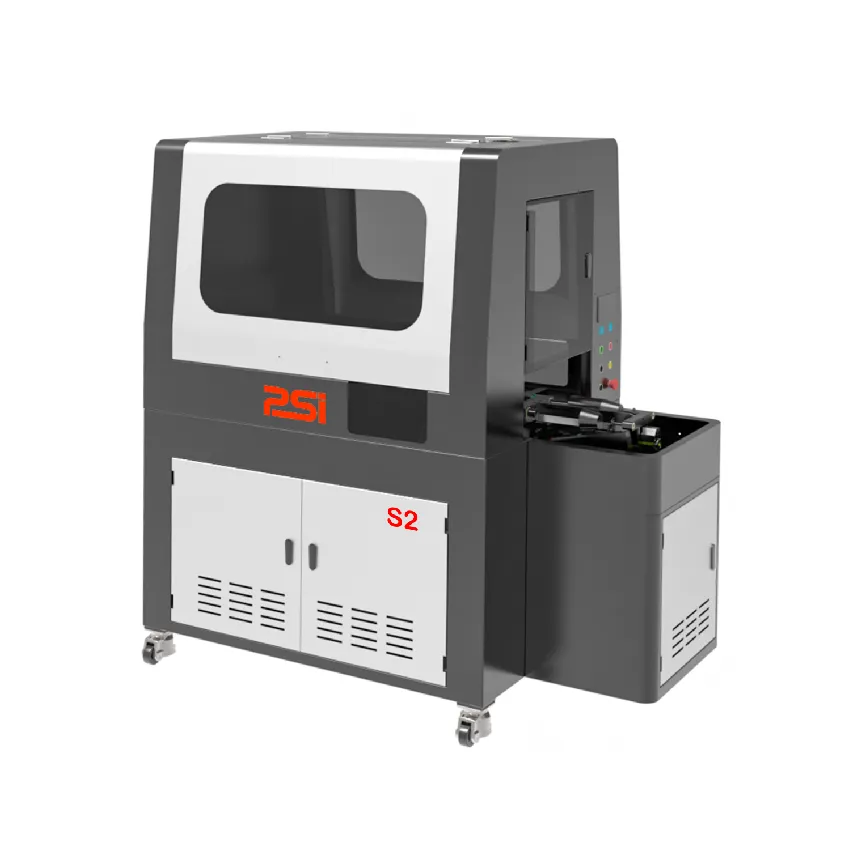
Versatile Material Compatibility and Application Range
The exceptional versatility of the heat transfer screen printing machine extends far beyond traditional textile applications, encompassing a comprehensive range of materials and substrates that dramatically expand business opportunities and revenue potential. This adaptability stems from sophisticated engineering that accommodates diverse material properties, thickness variations, and thermal requirements through adjustable parameters and specialized accessories. The machine excels in processing natural fibers including cotton, linen, and silk, delivering vibrant, long-lasting transfers that maintain color integrity and design clarity through countless wash cycles. Synthetic material compatibility includes polyester, nylon, spandex, and various blended fabrics, with optimized temperature and pressure settings that prevent material damage while ensuring superior transfer adhesion. Specialty applications encompass technical textiles, performance fabrics, and flame-resistant materials used in industrial and protective clothing manufacturing, where precise thermal control prevents substrate degradation while achieving required transfer standards. The machine's capability extends to non-textile substrates including leather goods, vinyl materials, and certain plastic surfaces, opening opportunities in promotional products, automotive accessories, and specialty manufacturing markets. Thickness accommodation ranges from lightweight materials measuring less than 0.5 millimeters to heavy-duty substrates exceeding 10 millimeters, achieved through adjustable pressing mechanisms and customizable pressure plates. The system handles irregular surfaces and three-dimensional objects through specialized fixtures and adaptable pressing configurations, enabling applications on curved surfaces, seamed garments, and pre-constructed items. Color reproduction capabilities span the entire spectrum, from single-color logos to complex photographic images with multiple color layers, achieved through advanced transfer material compatibility and optimized thermal processing. Design size flexibility accommodates everything from small emblems and patches to large-format graphics covering entire garment surfaces, limited only by the machine's physical dimensions. Production volume scalability allows the same equipment to handle both prototype quantities and large commercial runs, providing investment flexibility for growing businesses. Specialized transfer materials supported by the machine include metallic foils, reflective materials, glow-in-the-dark elements, and textured surfaces that create unique visual and tactile effects impossible with traditional printing methods.
 EN
EN
 AR
AR FR
FR DE
DE HI
HI IT
IT JA
JA KO
KO PT
PT RU
RU ES
ES IW
IW ID
ID VI
VI TH
TH TR
TR FA
FA