Professional Pad Printing Machine Automatic - Advanced Industrial Printing Solutions

Contact me immediately if you encounter problems!

All Categories

pad printing machine automatic

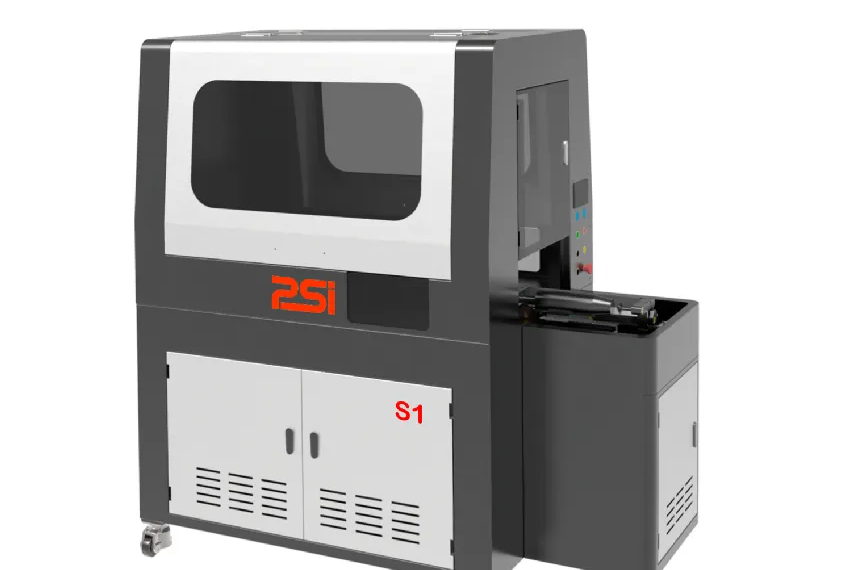
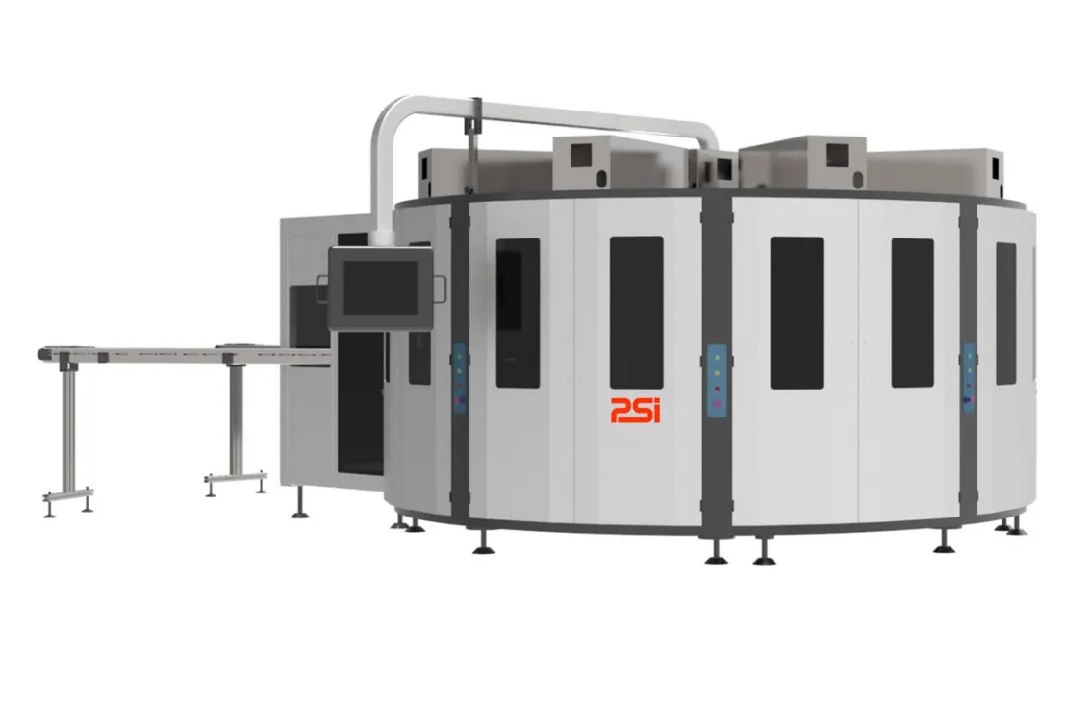
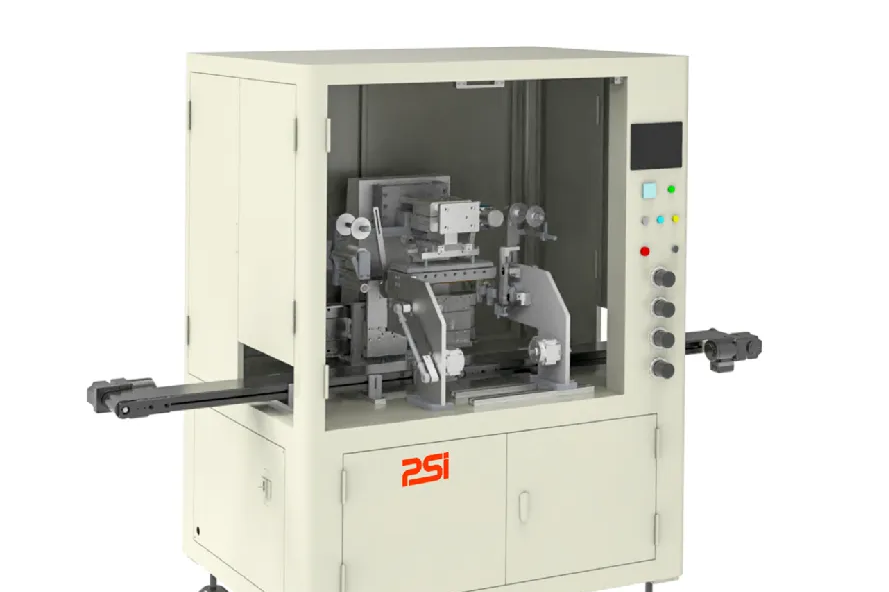
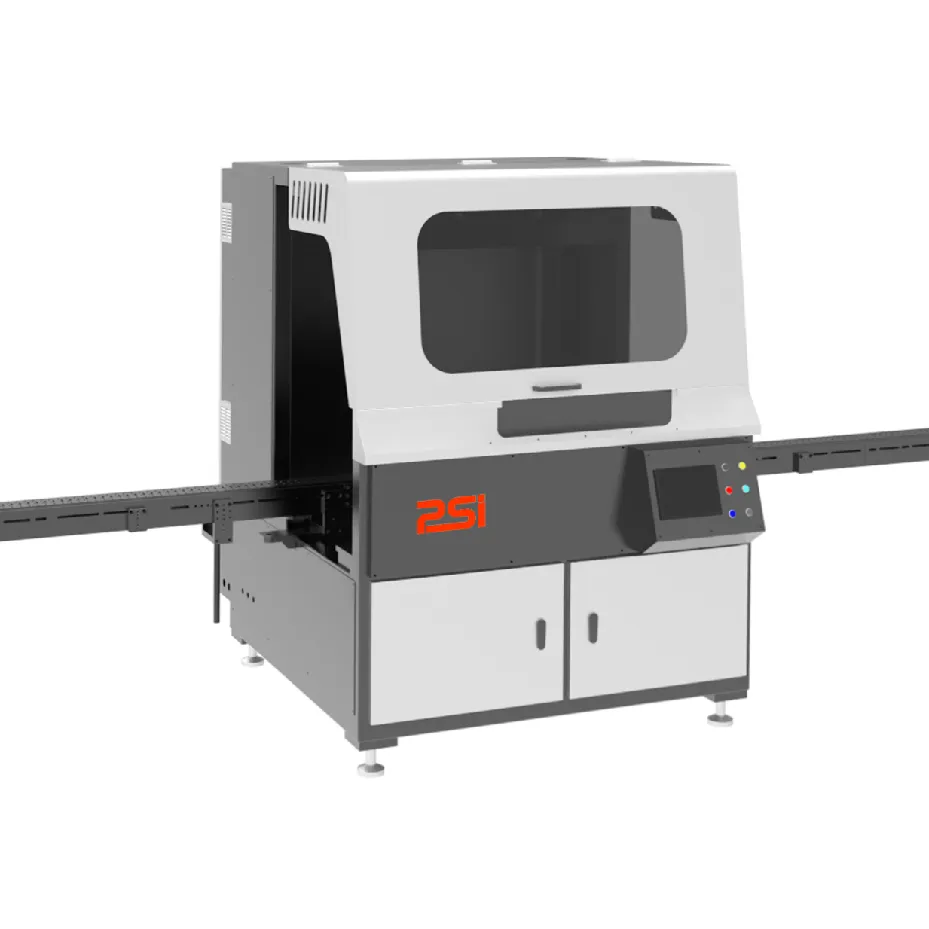
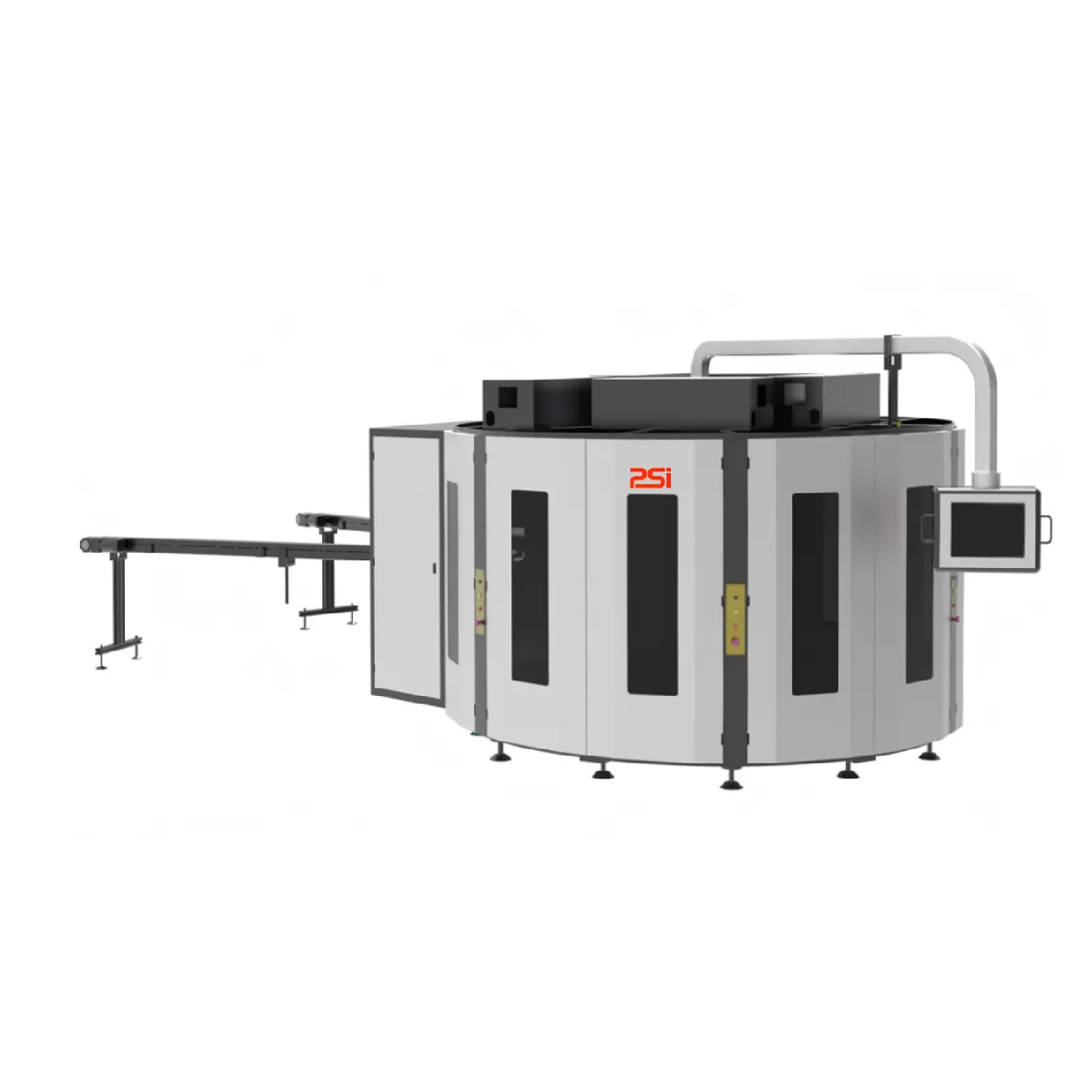
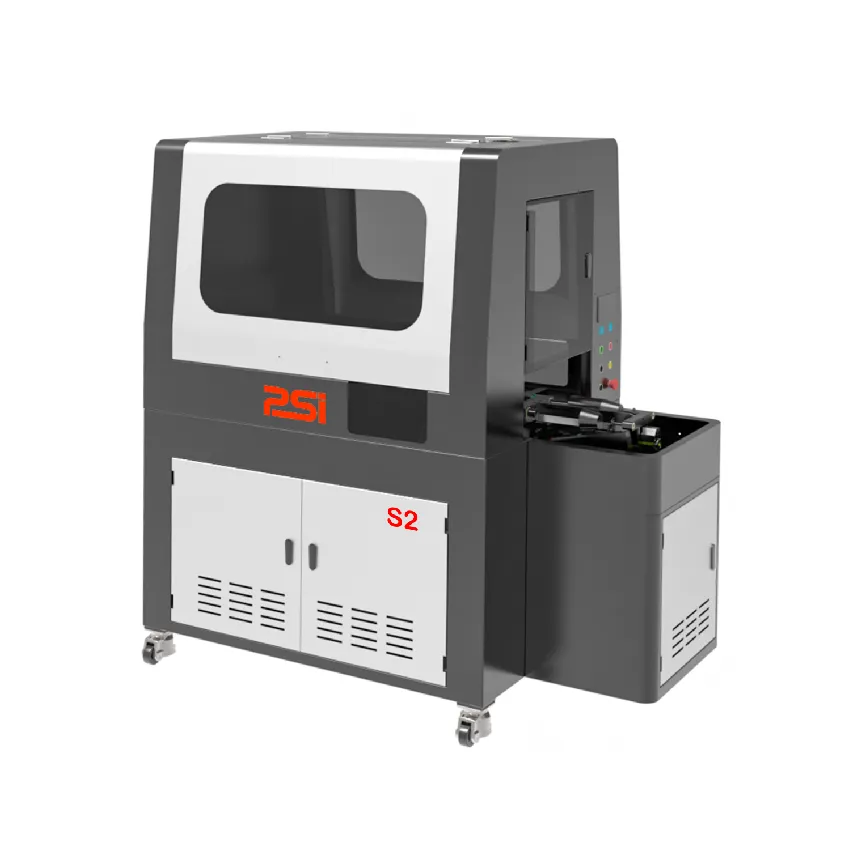
The pad printing machine automatic represents a revolutionary advancement in precision printing technology, designed to meet the demanding requirements of modern manufacturing environments. This sophisticated equipment combines computer-controlled automation with traditional pad printing techniques to deliver exceptional accuracy, consistency, and efficiency across diverse printing applications. The pad printing machine automatic operates through a fully integrated system that manages every aspect of the printing process, from ink distribution and pad positioning to substrate handling and quality control. At its core, the machine utilizes advanced servo motor technology and programmable logic controllers to ensure precise movement coordination and timing throughout each printing cycle. The technological features of the pad printing machine automatic include high-resolution positioning systems, automated ink cup cleaning mechanisms, and intelligent pressure control systems that adapt to different substrate materials and printing requirements. These machines incorporate sophisticated software interfaces that allow operators to store multiple printing programs, monitor production statistics, and implement real-time adjustments for optimal performance. The automation capabilities extend to material handling, with integrated conveyor systems, robotic loading mechanisms, and automated part orientation systems that ensure consistent positioning for every print cycle. Quality control sensors continuously monitor print registration, ink density, and surface conditions to maintain superior output standards. Applications for the pad printing machine automatic span numerous industries, including automotive component marking, medical device labeling, electronic circuit board printing, promotional product decoration, and precision instrument marking. The versatility of these machines allows them to handle substrates ranging from rigid plastics and metals to flexible materials and curved surfaces. The pad printing machine automatic excels in producing crisp text, detailed graphics, and multi-color designs on three-dimensional objects that would be challenging for other printing methods. Manufacturing facilities benefit from the machine's ability to integrate seamlessly with existing production lines, supporting continuous operation while maintaining consistent quality standards across high-volume production runs.
New Product Recommendations

The pad printing machine automatic delivers remarkable advantages that transform manufacturing operations and enhance productivity across multiple dimensions. Speed optimization stands as a primary benefit, with these machines capable of completing printing cycles significantly faster than manual alternatives while maintaining superior accuracy levels. The automated systems eliminate human error variables, ensuring consistent results throughout extended production runs without quality degradation. This reliability translates directly into reduced waste, lower rejection rates, and improved customer satisfaction through consistent product quality. Labor cost reduction represents another substantial advantage, as the pad printing machine automatic requires minimal operator intervention once programmed and configured. Single operators can manage multiple machines simultaneously, maximizing workforce efficiency and reducing per-unit production costs. The machines operate continuously without fatigue, enabling 24-hour production schedules that dramatically increase throughput capacity. Quality consistency emerges as a critical advantage, with precision control systems ensuring identical print placement, ink density, and registration across thousands of components. This consistency eliminates the variations inherent in manual processes, supporting stringent quality standards required in automotive, medical, and aerospace applications. Flexibility proves invaluable for manufacturers handling diverse product lines, as the pad printing machine automatic accommodates rapid changeovers between different designs, colors, and substrate types. Programming capabilities allow storage of unlimited printing configurations, enabling quick switches between production runs without lengthy setup procedures. The machines handle complex multi-color printing with automatic registration, eliminating alignment issues that plague manual multi-pass operations. Maintenance efficiency reduces operational disruptions, with automated cleaning cycles, predictive maintenance alerts, and easy-access component designs that minimize downtime. Advanced diagnostic systems identify potential issues before they impact production, allowing proactive maintenance scheduling. Material waste reduction occurs through precise ink metering systems that apply exact quantities needed for each print, eliminating excess usage common in manual operations. Environmental benefits include reduced solvent consumption, minimized ink waste, and cleaner operation that supports sustainable manufacturing practices. Investment return accelerates through increased production capacity, reduced labor requirements, and improved quality metrics that enhance market competitiveness. The pad printing machine automatic adapts to future growth, with expandable configurations and upgrade options that protect capital investments while supporting business expansion.

Latest News

Enhancing Your Brand's Impact with PSI's Cutting-Edge Inkjet Digital Printing Machines

27

Sep

Enhancing Your Brand's Impact with PSI's Cutting-Edge Inkjet Digital Printing Machines

In the domain of industrial digital printing, under the commonly used terminology of the PSI Company, high-quality inkjet digital printing machines have been successfully produced and introduced to a wide range of industries. The performance of the c...
View More
PSI Cutting-Edge Digital Inkjet and Screen Printing Machines

27

Sep

PSI Cutting-Edge Digital Inkjet and Screen Printing Machines

In today's fast-paced business environment, the impact of visual communication cannot be overstated. Brands are constantly seeking ways to stand out and connect with their audience through eye-catching designs and high-quality prints. PSI, a leading ...
View More
PSI Heat Transfer Machines:  in Customized Branding Solutions

27

Sep

PSI Heat Transfer Machines: in Customized Branding Solutions

In the realm of printing and branding, PSI  stands out as a beacon of innovation and excellence. Specializing in heat transfer machines, PSI  offers a range of products that cater to various industries, from textiles to plastics, ensuring t...
View More

Get a Free Quote

Our representative will contact you soon.
Email
Name
Company Name
Message
0/1000

pad printing machine automatic

Advanced Servo Control Technology Delivers Unmatched Precision

Advanced Servo Control Technology Delivers Unmatched Precision

The pad printing machine automatic incorporates state-of-the-art servo control technology that revolutionizes printing precision and reliability in industrial manufacturing environments. This sophisticated control system utilizes high-resolution encoders and advanced motion controllers to achieve positioning accuracy within micrometers, ensuring exceptional print quality even on the most demanding applications. The servo-driven mechanisms control every critical movement within the printing process, including pad vertical and horizontal positioning, substrate handling, and ink cup movements, creating a perfectly synchronized operation that eliminates the inconsistencies associated with pneumatic or mechanical drive systems. The intelligent servo control technology continuously monitors and adjusts operating parameters in real-time, compensating for environmental variations, substrate thickness differences, and wear patterns that could affect print quality. This adaptive capability ensures consistent results throughout extended production runs, maintaining tight tolerances that meet the strictest quality standards required in aerospace, medical device, and automotive industries. The precision control extends to ink transfer dynamics, with programmable pressure settings and dwell times that optimize ink adhesion for different substrate materials and printing requirements. Operators can fine-tune these parameters through intuitive software interfaces, creating custom profiles for specific applications that can be recalled instantly for future production runs. The servo control technology enables the pad printing machine automatic to handle complex multi-station operations with perfect registration between colors and printing positions. This capability supports intricate designs requiring multiple ink applications while maintaining precise alignment throughout the entire printing sequence. The system's ability to store and execute hundreds of different printing programs makes it ideal for facilities producing diverse product lines with varying specifications. Quality monitoring sensors integrated with the servo control system provide continuous feedback on printing performance, automatically adjusting parameters to maintain optimal results and alerting operators to any deviations that require attention. This proactive approach prevents defective products from reaching customers while minimizing production interruptions. The servo technology also enables variable printing speeds that can be optimized for different applications, balancing throughput requirements with quality demands to maximize overall production efficiency.
Fully Automated Material Handling Systems Maximize Throughput

Fully Automated Material Handling Systems Maximize Throughput

The pad printing machine automatic features comprehensive automated material handling systems that transform production efficiency by eliminating manual intervention and optimizing workflow throughout the entire printing process. These sophisticated handling systems incorporate precision conveyor mechanisms, robotic positioning devices, and intelligent part orientation systems that ensure consistent substrate placement and movement timing for optimal printing results. The automated systems accommodate diverse substrate shapes, sizes, and materials through configurable fixtures and adjustable handling mechanisms that can be quickly reconfigured for different product specifications. Advanced vision systems integrated within the material handling components provide real-time part recognition and orientation verification, automatically rejecting improperly positioned substrates before they enter the printing zone to prevent waste and maintain quality standards. The conveyor systems operate with variable speed controls synchronized to the printing cycle timing, ensuring substrates arrive at printing positions with perfect timing while maintaining smooth material flow throughout the production line. Buffer zones within the handling system accommodate variations in upstream and downstream processing speeds, preventing bottlenecks that could disrupt continuous operation. The pad printing machine automatic material handling systems support both inline and standalone configurations, adapting to existing production layouts and integration requirements without extensive facility modifications. Robotic loading and unloading mechanisms handle delicate components with programmable grip pressure and positioning accuracy, preventing damage while maintaining consistent orientation for reliable printing results. The systems incorporate safety features including light curtains, emergency stops, and protective barriers that ensure operator safety while maintaining productivity levels. Waste handling automation removes defective parts and ink debris from the production area, maintaining clean operating conditions that support consistent quality performance. The material handling systems communicate with central production control systems through industry-standard protocols, enabling integration with enterprise resource planning systems and real-time production monitoring. Statistical data collection capabilities track handling efficiency, throughput rates, and quality metrics, providing valuable insights for continuous improvement initiatives. Maintenance access features allow quick component replacement and adjustment without disrupting production schedules, supporting high uptime requirements essential for competitive manufacturing operations. The automated handling systems scale easily to accommodate production volume changes, with modular designs that support capacity expansion or reconfiguration as business requirements evolve.
Intelligent Quality Control Systems Ensure Zero-Defect Production

Intelligent Quality Control Systems Ensure Zero-Defect Production

The pad printing machine automatic incorporates advanced intelligent quality control systems that deliver unprecedented assurance of print quality and consistency through continuous monitoring, analysis, and automatic correction capabilities. These sophisticated systems utilize high-resolution vision technology, precision measurement sensors, and artificial intelligence algorithms to evaluate every printed component against predetermined quality standards, ensuring zero-defect production that meets the most stringent industry requirements. The vision inspection systems capture detailed images of each printed surface, analyzing print registration, color density, text clarity, and surface defects with microscopic precision that far exceeds human visual capabilities. Machine learning algorithms within the quality control systems continuously improve defect detection accuracy by learning from historical data patterns and operator feedback, adapting to subtle quality variations that might indicate emerging production issues. Real-time measurement systems monitor critical printing parameters including ink thickness, cure temperature, and substrate position throughout each printing cycle, automatically adjusting process variables to maintain optimal conditions before quality deviations can occur. The intelligent systems maintain comprehensive databases of quality measurements and process parameters, enabling statistical process control analysis that identifies trends and prevents quality issues before they impact production. Automatic rejection mechanisms integrated with the quality control systems remove defective components from the production stream without operator intervention, preventing non-conforming products from advancing to subsequent processing steps or reaching customers. The pad printing machine automatic quality systems generate detailed quality reports with statistical analysis, trend charts, and process capability measurements that support continuous improvement initiatives and regulatory compliance requirements. Traceability features record quality data for each printed component, creating audit trails that support quality investigations and customer inquiries while demonstrating process control effectiveness. The systems interface with enterprise quality management systems through standard data communication protocols, enabling real-time quality monitoring from remote locations and integration with corporate quality databases. Predictive quality analytics utilize historical data patterns to forecast potential quality issues based on process parameter trends, environmental conditions, and equipment performance characteristics, enabling proactive adjustments that prevent quality problems. Calibration management features ensure measurement accuracy through automated calibration schedules and verification procedures that maintain traceability to national standards. The quality control systems support multiple inspection criteria that can be customized for different product specifications, automatically switching between quality programs as production requirements change throughout the manufacturing schedule.