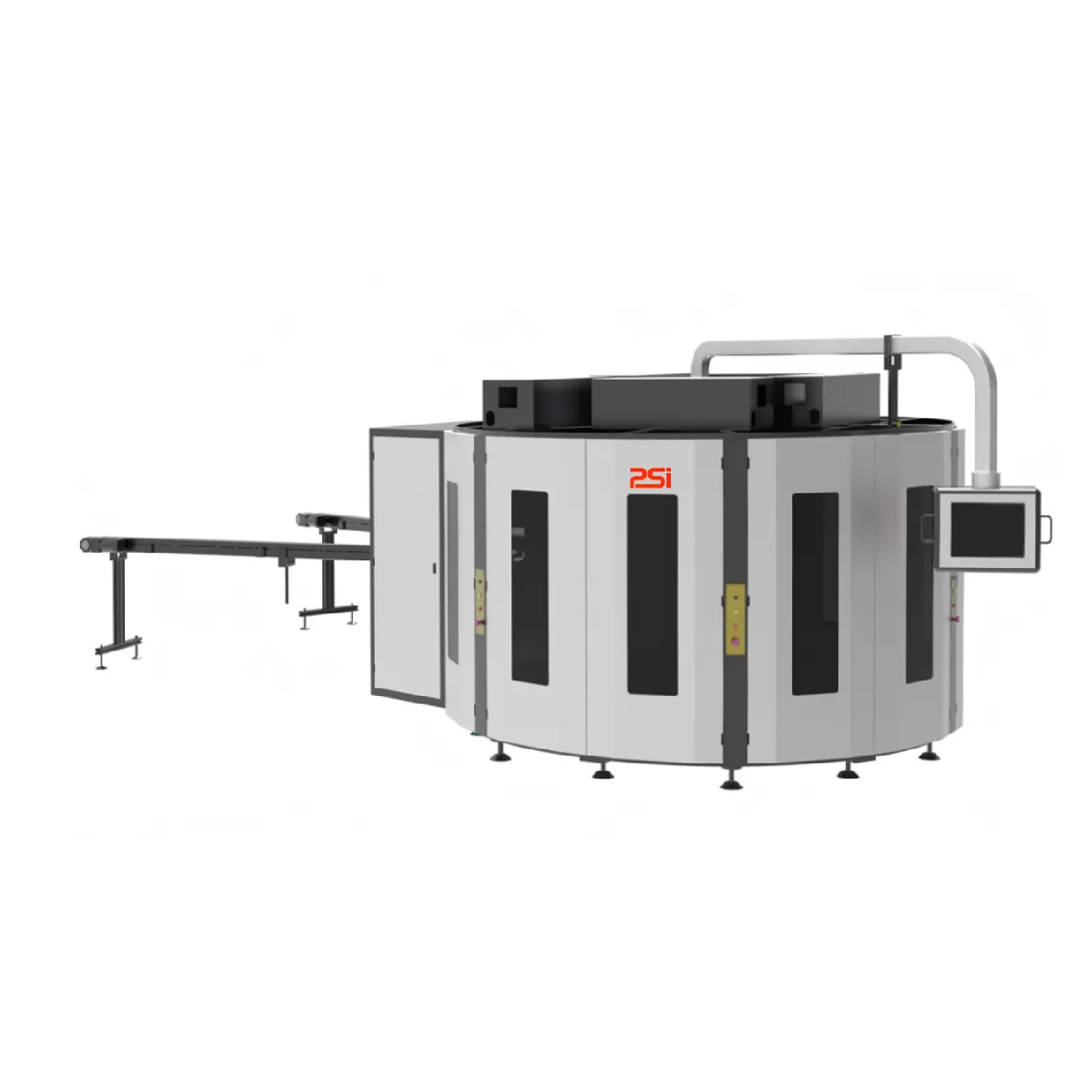
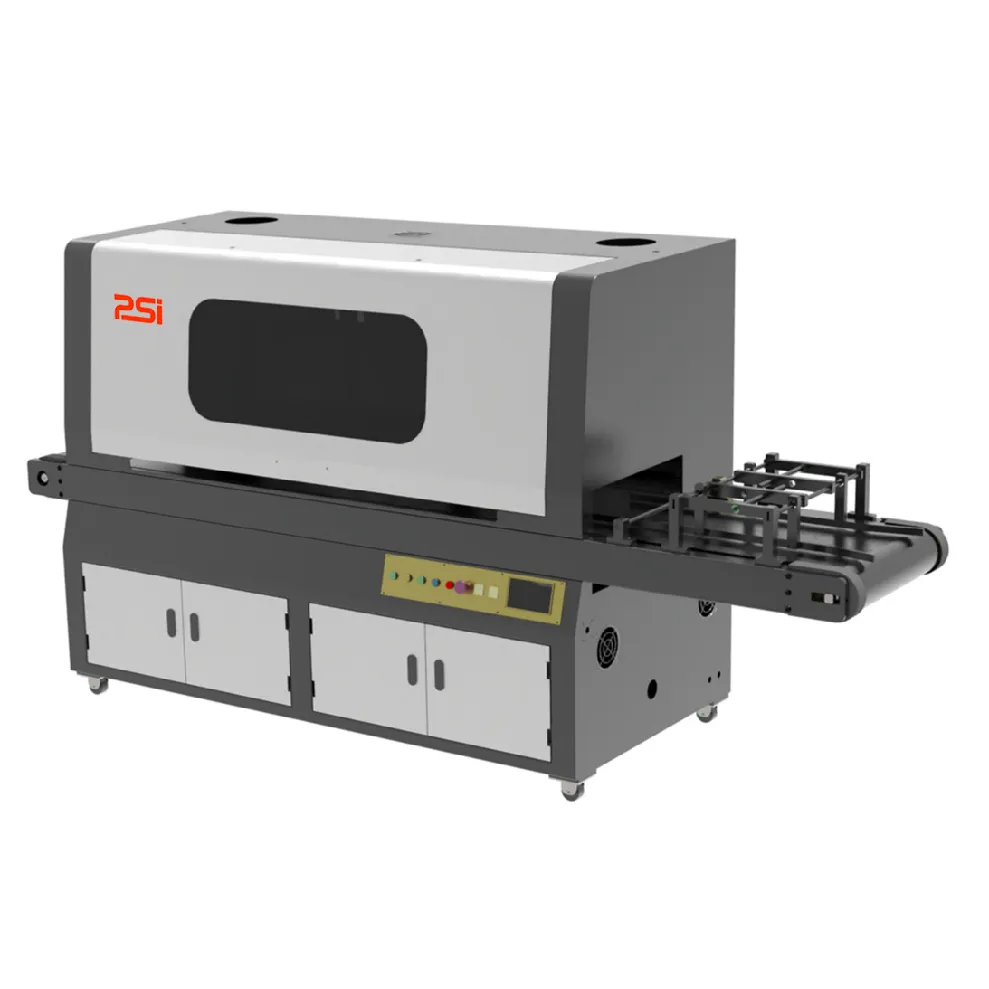
top rated hot stamping machine
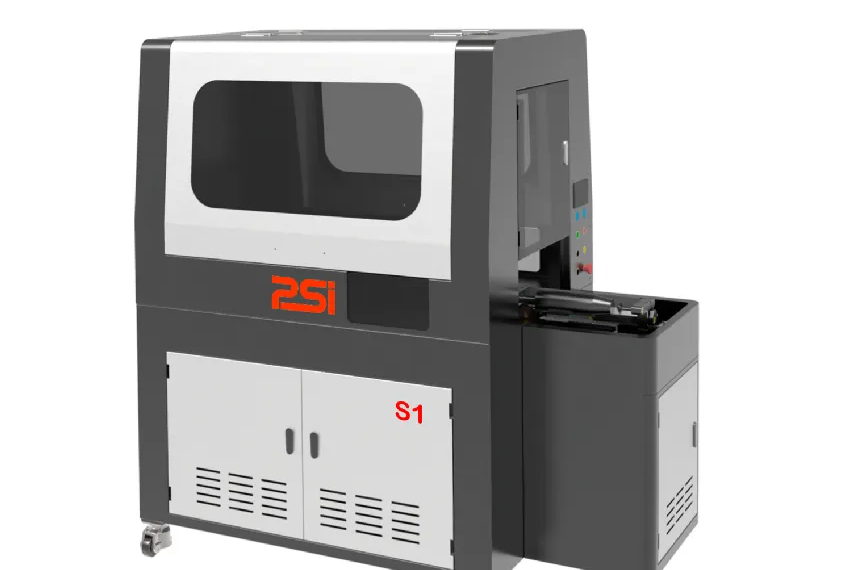
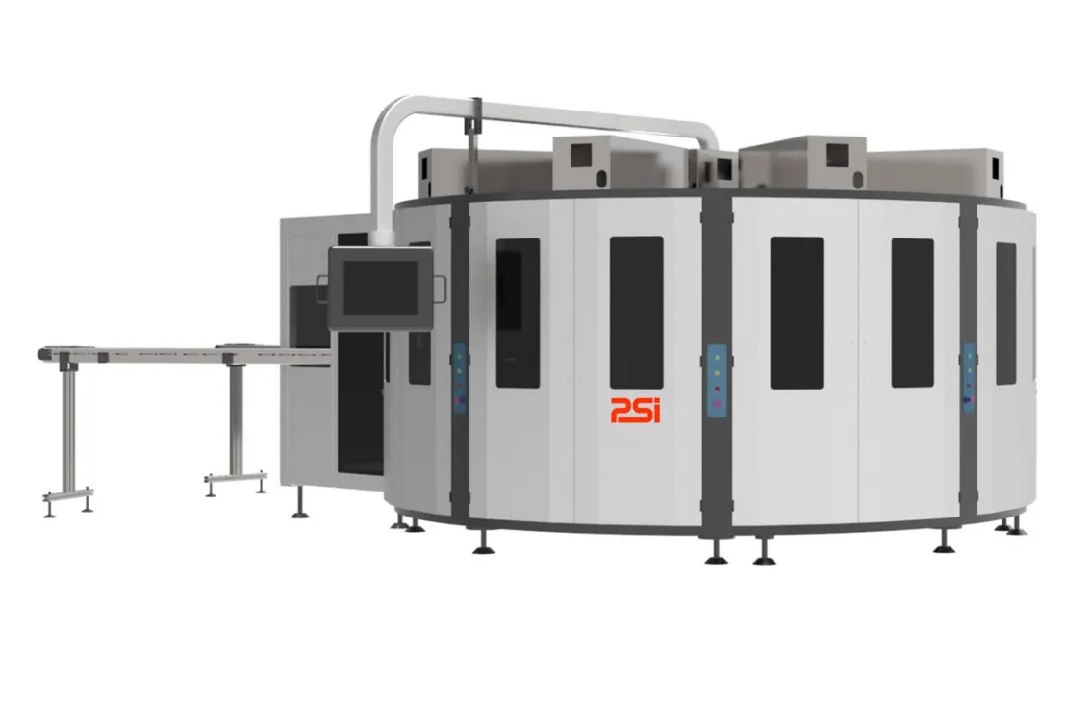
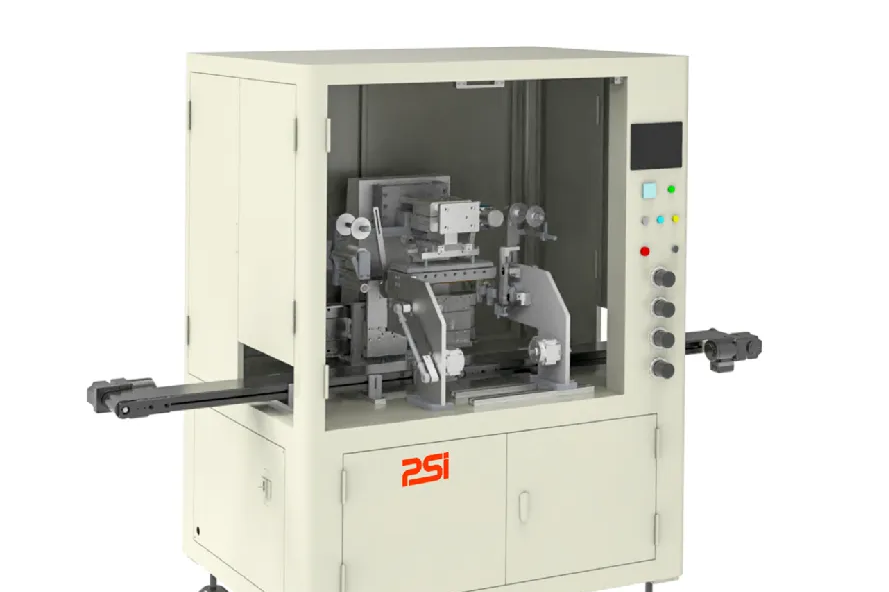
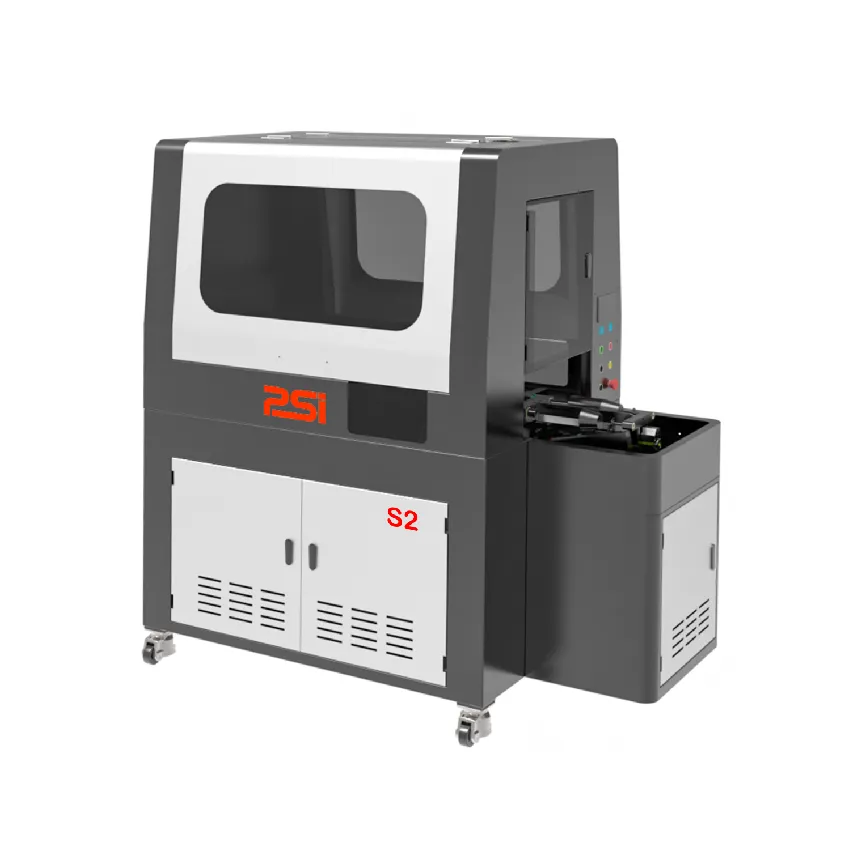
The top rated hot stamping machine represents the pinnacle of modern foil application technology, delivering exceptional performance across diverse manufacturing sectors. This sophisticated equipment utilizes controlled heat and pressure to transfer metallic foils, holographic films, and colored materials onto various substrates with remarkable precision. The machine features advanced temperature regulation systems that maintain optimal heat distribution throughout the stamping process, ensuring consistent results across large production runs. Digital control panels provide operators with intuitive interfaces for adjusting pressure, temperature, and timing parameters according to specific material requirements. The top rated hot stamping machine incorporates servo-driven positioning systems that guarantee accurate registration and placement of decorative elements. Pneumatic cylinders deliver uniform pressure distribution across the stamping surface, while quick-release mechanisms enable rapid die changes to minimize downtime. Advanced safety features include emergency stop functions, protective barriers, and automatic shut-off systems that protect operators and prevent equipment damage. The machine accommodates diverse substrate materials including paper, cardboard, leather, plastic, textiles, and wood products. Specialized heating elements reach precise temperatures ranging from 80 to 200 degrees Celsius, adapting to different foil types and substrate characteristics. The top rated hot stamping machine offers exceptional versatility through interchangeable dies and tooling options that support various design patterns and sizes. High-speed operation capabilities enable production rates exceeding 3,000 impressions per hour while maintaining superior quality standards. Automatic feeding systems streamline workflow efficiency by reducing manual handling requirements. The equipment features robust construction with hardened steel components that ensure long-term durability under intensive production conditions. Regular maintenance protocols are simplified through accessible component design and comprehensive diagnostic systems that monitor performance parameters continuously.
 EN
EN
 AR
AR FR
FR DE
DE HI
HI IT
IT JA
JA KO
KO PT
PT RU
RU ES
ES IW
IW ID
ID VI
VI TH
TH TR
TR FA
FA